
Malaysia is one of the easier places in Southeast Asia to stay well. It has good private hospitals in the cities, pharmacies on almost every high street, treated tap water and a food culture built around fresh, hot, cooked-to-order dishes. Most travellers go home with nothing worse than a few mosquito bites and a sunburnt neck. Still, it is a tropical country, and dengue cases have been climbing in 2026. A little preparation, and a few daily habits, are what separate a comfortable trip from a miserable week. This guide is written for slow travellers, who spend longer in one place and therefore need to think about health the way a resident would.
Start before you leave
The most useful health preparation happens at home. Book a visit with a travel clinic or your doctor four to six weeks before departure. Ask about routine vaccinations being up to date, and about vaccines commonly recommended for the region such as hepatitis A and typhoid. Your clinician will also advise on rabies and on any malaria considerations if you plan to spend time in forested parts of Borneo. We are not doctors, so treat this as a prompt to ask, not as medical advice.
Buy travel insurance that covers medical treatment and evacuation, and check the small print about adventure activities such as diving, trekking and cave trips. Malaysia's private hospitals are excellent but not cheap for uninsured foreigners, and an evacuation from a remote part of Sabah or Sarawak can be costly. Keep a digital copy of your policy and its emergency number.
Pack a small, sensible kit: any prescription medicines in their original packaging with a copy of the prescription, paracetamol, oral rehydration salts, plasters, antiseptic, antihistamine tablets for bites, sun protection and insect repellent. Most of these are easy to buy in Malaysia, but you will want them on your first night, not on your second morning.
One request. Up to five tailored proposals.
Skip contacting agencies one by one — share your trip once and let up to five trusted Malaysia agencies come to you. Free, with no obligation.
Get my free quotesDengue: the real risk to take seriously
If there is one health topic that deserves your attention, it is dengue. According to The Star, citing national figures in late August 2026, Malaysia had reported 42,848 dengue cases so far this year, up almost 35 percent from 31,790 over the same period the previous year, and the number of deaths had risen from 19 to 34. These are national totals, and the risk is higher in dense urban areas and in the rainy periods than in a beach village in the dry season, but it is a reminder that this is not a theoretical risk.
Dengue is spread by the bite of an infected female Aedes mosquito, which bites mainly in the daytime, particularly in the early morning and late afternoon. That is the opposite of the malaria mosquito that many people think of. Symptoms appear four to ten days after a bite and can include a high fever, severe headache and pain behind the eyes, muscle and joint pain, nausea, vomiting and a rash. There is no specific cure. Health authorities, including the Malaysian Ministry of Health and the World Health Organization, recommend rest, fluids and paracetamol for fever and pain, and they advise avoiding aspirin and ibuprofen because of the risk of bleeding.
The warning signs of severe dengue are serious and worth memorising: severe abdominal pain, persistent vomiting, bleeding from the nose or gums, blood in vomit or stool, restlessness or marked weakness. If you notice any of them, go to a hospital the same day. Do not wait to see whether it passes.
Preventing mosquito bites in practice
The most effective prevention is boring. Use a repellent containing DEET, picaridin or IR3535, and apply it in the morning and again in the late afternoon. Wear light, long sleeves and trousers around dusk and dawn. Choose accommodation with screens, air-conditioning or a net, and do not leave windows open if there are no screens.
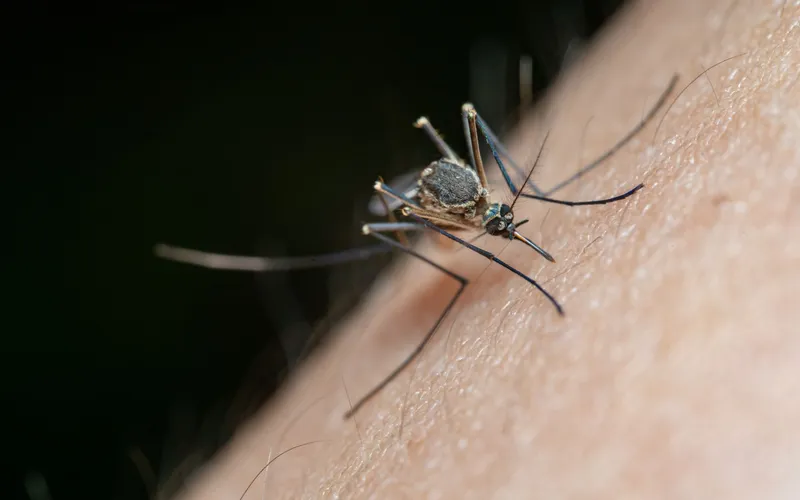
If you are staying longer than a few days in one place, look around you. Aedes mosquitoes breed in small pockets of standing water: plant saucers, buckets, old tyres, blocked gutters. A homestay with a water tub in the garden is worth a polite conversation about emptying it. Many local households do this weekly, and most hosts will be glad you asked. A mosquito coil or plug-in repellent in the room adds a second layer.
Keep this in proportion. Millions of people travel in Malaysia each year, and most never get dengue. The aim is not anxiety but good habits, and those habits cost almost nothing.
Get matched with up to 5 trusted Malaysia agencies
- Free
- No obligation
- Up to 5 agencies
Water, food and the hawker stall
Tap water in Malaysian cities is treated, but it is not generally considered a pleasant drink and old pipes in some buildings can affect the taste and quality. Most residents drink filtered or boiled water, and visitors are best advised to do the same. Bottled water is cheap and easy to find. Many guesthouses and cafes offer filtered water refills, which saves plastic, and a refillable bottle is a good investment. Ice in drinks at established restaurants and cafes is generally made from treated water, but if you are cautious, ask for drinks without ice for the first few days.
Food is a different story. Hawker stalls are not a health hazard in themselves. The best advice is a simple rule of thumb: eat where there is a queue, where the food is cooked in front of you and served hot, and where the turnover is high. Fresh juices, cut fruit that has sat out in the sun and anything lukewarm are more likely to cause trouble than a sizzling plate of noodles. Wash or sanitise your hands before eating, which is easy to do because most food courts have basins. If you want to eat well and wisely, our slow traveller's guide to Malaysian food explains what to order and how to find the good stalls.
If you do get an upset stomach, rehydrate with oral rehydration salts, keep eating simple foods such as rice and bananas, and see a doctor if symptoms last more than a couple of days or you develop a fever or blood in the stool.
Heat, haze, sun and the forest
Heat is the most common health issue, and the easiest to avoid. Malaysia is hot and humid all year, and the body takes several days to adjust. Drink more than you think you need, add a pinch of salt or an electrolyte sachet on hot days, plan strenuous activities for early morning and rest in the afternoon. Wear a hat, use high-factor sunscreen even when it is cloudy, and look for shade at midday. Dizziness, headache and nausea can be early signs of heat exhaustion, and they call for rest, shade and fluids.
Air quality is a seasonal issue in some years. Regional haze can affect breathing, particularly for people with asthma or heart problems. We have a separate explainer on the 2026 haze and what travellers should know, including how to check air quality readings and when to reconsider outdoor plans.
On forest trails, wear long socks and tuck your trousers in against leeches, check yourself after walking and do not pull them off; a little salt, or a gentle slide of a fingernail, will detach them. Treat bites with antiseptic. Insect bites and small cuts can become infected quickly in the tropics, so clean them promptly. More tips on trail preparation are in our guide to how to hike in Malaysia. Avoid feeding or touching monkeys, which can bite and carry disease.
Pharmacies, clinics and hospitals
Pharmacies are plentiful in towns and cities, and chains such as Guardian and Watsons are easy to find. Pharmacists are knowledgeable, can sell many medicines over the counter and can advise whether you need a doctor. Bring the generic name of any medicine you take, since brand names differ between countries.
For something more than a pharmacy can handle, private clinics and hospitals offer quick appointments, English-speaking staff and good standards, particularly in Kuala Lumpur, Penang, Johor Bahru, Kota Kinabalu and Kuching. Government hospitals provide emergency care at low cost, but queues can be long. In an emergency, call 999 for ambulance, fire or police, or 112 from a mobile phone. Save the number of your accommodation and your insurer in your phone.

Remote areas are different. On islands, in the highlands and in the interior of Sabah and Sarawak, the nearest clinic may be a boat or a flight away. If you are heading somewhere remote, tell your host or guide about any condition you have, carry your medication with a margin, and allow buffer days. Mobile data helps you find clinics and call for help, and our guide to staying connected with eSIMs and local SIMs will help you choose a plan.
A slow-travel health routine
Slow travel has a quiet health advantage: you can build a routine. A sensible rhythm might be repellent and a big glass of water at breakfast, a lighter schedule at midday, a long lunch in the shade, a walk in the cooler evening with repellent reapplied and a decent night's sleep under a fan or in air-conditioning. If you sleep badly, eat badly or skip water, the tropics will tell you quickly.
Know your own limits. If you are travelling with children, older relatives or anyone with a medical condition, give a little more margin for rest, and choose accommodation close to a good clinic. Check your insurance for pre-existing conditions. And if you feel unwell, do not push on out of stubbornness. A day in bed is cheaper than a week in a hospital.
When you are ready to plan the wider trip, our plan your journey page can help you think about pace, region and season with health in mind.
What to Do Next
- Book a travel clinic or doctor visit four to six weeks before you leave, and ask about vaccines and malaria advice for your route.
- Buy travel insurance that covers medical care and evacuation, and save the emergency number.
- Pack repellent with DEET, picaridin or IR3535, paracetamol, oral rehydration salts and your regular medicines.
- Use repellent in the morning and late afternoon, and sleep in screened or air-conditioned rooms.
- Drink bottled or filtered water, and eat at busy stalls where food is cooked fresh and served hot.
- Know the dengue warning signs and go to a hospital the same day if you notice them.
Frequently Asked Questions
Is it safe to drink tap water in Malaysia?
Tap water is treated, but most residents boil or filter it, and visitors are better off drinking bottled or filtered water. Brush your teeth with tap water if you wish, but choose bottled or filtered water for drinking, especially in older buildings.
How serious is dengue in Malaysia in 2026?
Case numbers have been rising. The Star reported 42,848 cases nationally by late August 2026, up from 31,790 the year before, with 34 deaths. Most travellers are never affected, but it is sensible to use repellent and know the warning signs.
Which painkiller should I take for dengue fever?
Health authorities recommend paracetamol for fever and pain and advise avoiding aspirin and ibuprofen because of the bleeding risk. Seek medical care promptly if you suspect dengue, rather than treating it alone.
Do I need vaccinations for Malaysia?
There are no mandatory vaccines for most visitors, but travel clinics often recommend hepatitis A and typhoid in addition to routine vaccinations. Rules can change, so ask a professional and check official guidance before you travel.
Where can I find a doctor or pharmacy?
Pharmacy chains are common in towns and cities, and private clinics and hospitals are easy to find in larger places. Ask your accommodation for the nearest option, and save the address before you need it.
What number do I call in an emergency?
Call 999 for ambulance, fire or police, or 112 from a mobile phone. Keep your insurer's emergency number saved as well.
Is street food safe in Malaysia?
Generally yes, if you choose busy stalls where food is cooked fresh and served hot. Be more cautious with lukewarm dishes, cut fruit left in the sun and drinks made with unknown water.