
How to Travel Peninsular Malaysia by Train: The ETS and the Jungle Railway
In a region where getting around often means budget flights and long bus rides, Peninsular Malaysia offers a quieter, more civilised alternative: a genuinely good train network. Modern electric trains glide up the west coast between Kuala Lumpur, the heritage cities and the Thai border, while a slow diesel line rattles through the jungle interior on one of the great railway journeys of Southeast Asia. For the slow traveller, the train is not just transport but part of the pleasure, comfortable, scenic, sociable and cheap. This is a practical guide to riding the rails of Peninsular Malaysia.
Why the train is the best way to see the peninsula
Malaysia is one of the few countries in the region where the train is often the smartest way to travel, not a nostalgic compromise. The west-coast line is fast, modern and reliable, city centres are connected without airport hassle, and watching the country roll past, rice fields, limestone hills, palm plantations and towns, is far more rewarding than a motorway or a plane window. It suits the slow-travel ethos perfectly: you arrive rested, in the heart of town, having actually seen the country in between. It is the backbone of the unhurried peninsula itineraries in our slow traveller's guide to Malaysia.
One request. Up to five tailored proposals.
Skip contacting agencies one by one — share your trip once and let up to five trusted Malaysia agencies come to you. Free, with no obligation.
Get my free quotesMeet the ETS: Malaysia's fast electric trains
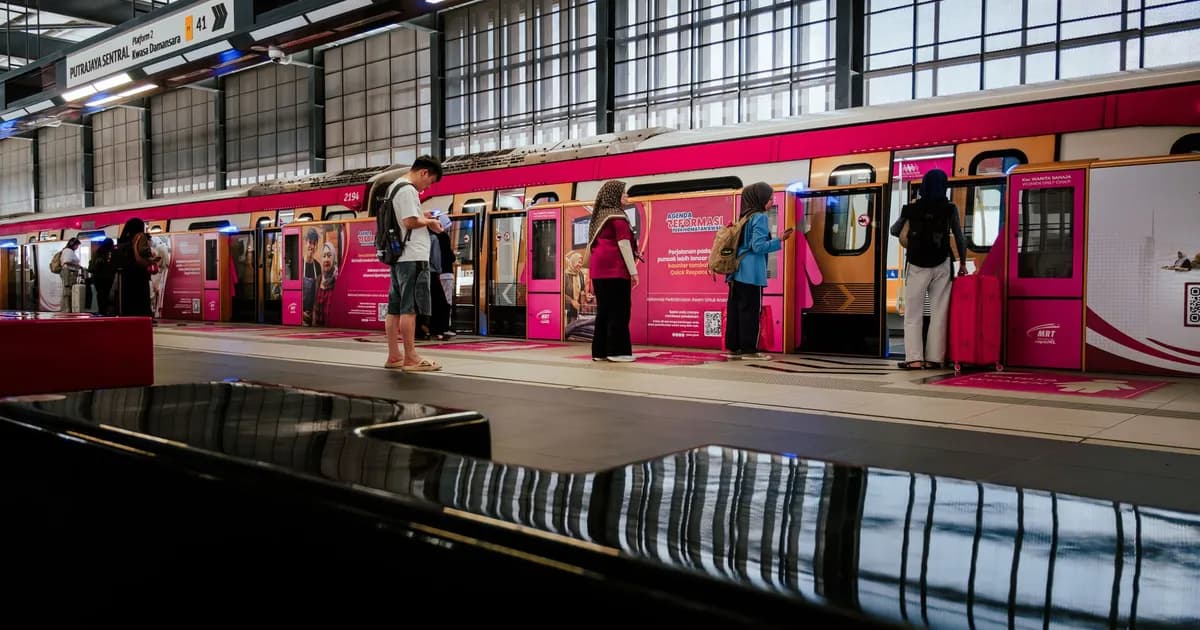
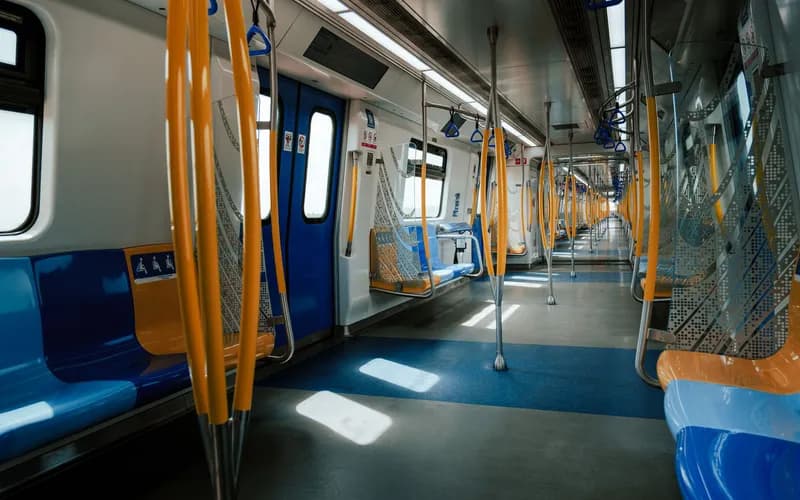
The star of the network is the ETS, or Electric Train Service, run by the national railway KTM. These are modern, air-conditioned electric trains that run along the electrified west-coast main line at a good clip, with comfortable reserved seats and a smooth, quiet ride. They connect the major cities of the western peninsula efficiently, and for many routes they are faster and far more pleasant than the bus, without the check-in and transfer time of flying. If you picture Southeast Asian trains as slow and rickety, the ETS will pleasantly surprise you.
The west-coast main line, end to end
The ETS runs along the peninsula's western spine, linking a string of worthwhile stops. From the north, the line starts near the Thai border and runs down through Butterworth, the mainland gateway to Penang, then Ipoh with its colonial old town and food, into Kuala Lumpur, and onward south through Seremban toward Gemas and, on the newly electrified southern section, toward Johor Bahru at the tip of the peninsula. This single line strings together many of the peninsula's best destinations, so you can build an entire trip around it, hopping off to explore a city like Penang and back on to continue.
Get matched with up to 5 trusted Malaysia agencies
- Free
- No obligation
- Up to 5 agencies
Classes, comfort and cost
ETS services come in different tiers, essentially varying by how many stops they make, from the fastest express services to those that call more often, and seats are comfortable across the board with air-conditioning and reserved places. Best of all, fares are very reasonable by international standards, making the train not only more pleasant than flying on many routes but often cheaper too once you account for airport transfers and baggage fees. For a fuller picture of what things cost around the country, our Malaysia budget guide sets rail fares in context alongside other transport.
Booking your tickets
A little planning pays off. ETS tickets can be booked online through KTM's official website and app, as well as at station counters, and they are sold with reserved seats, so popular services, especially around weekends, holidays and peak travel periods, can sell out well in advance. The sensible approach is to book your key legs ahead once your dates are set, particularly the busy Kuala Lumpur to Penang and Ipoh routes, while leaving flexibility elsewhere. Have your passport handy when booking, and arrive at the station in good time, as trains depart punctually.
The Jungle Railway: the slow, wild alternative
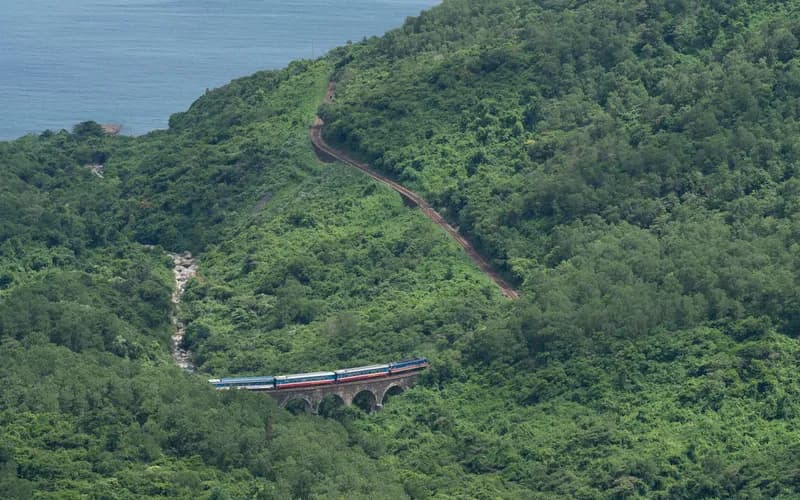
Away from the fast west-coast line lies something completely different and wonderful: the East Coast Line, universally known as the Jungle Railway. This slower, diesel-hauled route strikes off the main line at Gemas and threads north through the mountainous, forested interior of the peninsula, through Pahang and Kelantan, past small towns and villages, to the northeast near the Thai border. It is not fast, and that is entirely the point. The Jungle Railway is a classic slow journey through a Malaysia few visitors see, and it passes close to the gateway for Taman Negara, one of the world's oldest rainforests, making it a natural route for travellers heading into the wild interior.
Riding to Penang, and across the borders
The rail network connects neatly to the region beyond. For Penang, the train takes you to Butterworth on the mainland, from where a short ferry or the bridge brings you to George Town, a fittingly slow arrival to a heritage island. To the north, the line links at the border to the Thai railway network, making a scenic overland journey up into Thailand entirely possible by train. To the south, the electrified line and a cross-border shuttle connect toward Singapore. For the traveller who prefers to stay on the ground and watch the region change through the window, Malaysia's railways are a superb hub for wider Southeast Asian overland travel.
KTM Komuter and getting around
Beyond the intercity ETS, KTM also runs Komuter commuter trains around the Kuala Lumpur region and other hubs, which, together with the capital's separate urban rail and metro lines, make getting around the cities straightforward and cheap. While these are more about local transport than scenic travel, they are useful for reaching stations, airports and suburbs without taxis, and they knit together neatly with the intercity network. Understanding how the local and long-distance systems connect helps you move around the peninsula almost entirely by rail if you wish.
A slow rail itinerary
A satisfying rail-based trip might run like this: start in Kuala Lumpur, take the ETS north to Ipoh for its old town and food, continue to Butterworth and cross to Penang for several slow days of heritage and hawker meals, then double back and, for the adventurous, pick up the Jungle Railway into the interior toward Taman Negara. Each leg is a comfortable few hours, each destination deserves days rather than hours, and the trains themselves become part of the rhythm. This is slow travel at its most practical: a single, low-stress thread linking a country's best places, exactly the kind of route our off-the-beaten-path Malaysia guide loves.
Practical tips for train travel
A few small things make rail travel smoother. Book popular ETS legs ahead, and carry your passport for both booking and, on some cross-border services, the journey. Bring a light layer, as the air-conditioning can be strong, and some snacks, though longer trains have refreshments. Arrive early, since trains leave on time and platforms can be busy. Keep your bag with you and an eye on your stop, as station announcements can be brief. And build in the same buffer you would anywhere for onward connections. None of this is demanding; Malaysian trains are among the easiest in the region to use.
The window seat and the pleasure of the ride
It is worth saying plainly what the numbers and schedules leave out: riding these trains is simply a pleasure. The ETS glides past a constantly shifting Malaysian landscape, and there is a real joy in settling into a comfortable seat with a coffee and a book, watching the country unfold rather than enduring a transfer. The Jungle Railway offers a rawer, richer version of the same, with the forest pressing close to the windows and local life spilling on and off at country halts. For many travellers, these journeys become highlights of the trip in their own right, not the dull connective tissue between destinations but memorable parts of the whole. That reframing, of travel time as travel itself, is the very heart of slow travel.
Trains versus buses and planes
For balance, it is worth knowing when the train is not the answer. Budget flights can be faster and sometimes cheaper for the longest hops, such as reaching Malaysian Borneo, which the peninsula's railways do not serve. Buses reach many towns and east-coast destinations the trains do not, filling the gaps in the network. And the Jungle Railway, gloriously slow, is a poor choice if you are in a hurry. The smart approach is to use the ETS as the comfortable spine of a peninsula trip, add buses or the occasional flight where the rails do not reach, and treat the slower lines as experiences to seek out rather than default transport. Matched to the right journey, the train is very often the best of all.
What to do next
- Base your peninsula itinerary around the west-coast ETS line, linking Kuala Lumpur, Ipoh, Penang and beyond.
- Book key ETS legs in advance through KTM's official site or app, especially Kuala Lumpur to Penang.
- For adventure, add the slow Jungle Railway through the interior toward Taman Negara.
- Use the train to reach Penang via Butterworth, and consider overland connections to Thailand or Singapore.
- Plan a comfortable, low-stress rail route using our plan your journey page.
Frequently Asked Questions
Is it easy to travel Malaysia by train?
On Peninsular Malaysia, yes. The west-coast ETS network is modern, comfortable, punctual and cheap, linking Kuala Lumpur with Ipoh, Butterworth for Penang and the Thai border, and now south toward Johor Bahru. Booking is straightforward online, and the trains connect city centres without airport hassle, making rail one of the best ways to explore the peninsula slowly.
What is the ETS train in Malaysia?
The ETS, or Electric Train Service, is KTM's modern electric intercity train running along the electrified west-coast main line. It offers fast, air-conditioned, reserved-seat travel between the major western cities, from near the Thai border through Butterworth, Ipoh and Kuala Lumpur toward the south. It is comfortable, reliable and often faster and cheaper than flying on shorter routes.
How do I book Malaysian train tickets?
ETS tickets can be booked through KTM's official website and mobile app, or at station counters, with reserved seating. Popular services around weekends, holidays and peak periods sell out in advance, so book key legs, especially Kuala Lumpur to Penang, once your dates are set. Have your passport ready when booking and arrive at the station in good time.
What is the Jungle Railway?
The Jungle Railway is the popular name for Malaysia's East Coast Line, a slower diesel route that branches off at Gemas and runs north through the forested, mountainous interior of Pahang and Kelantan to the northeast. It is a classic slow journey through a rarely seen part of the country and passes close to the gateway for Taman Negara rainforest.
Can I travel from Malaysia to Thailand or Singapore by train?
Yes. To the north, the west-coast line connects at the border to Thailand's railway network for a scenic overland journey. To the south, the electrified line and a cross-border shuttle link toward Singapore. Malaysia's railways make it a strong hub for wider overland travel around Southeast Asia for those who prefer to stay on the ground.