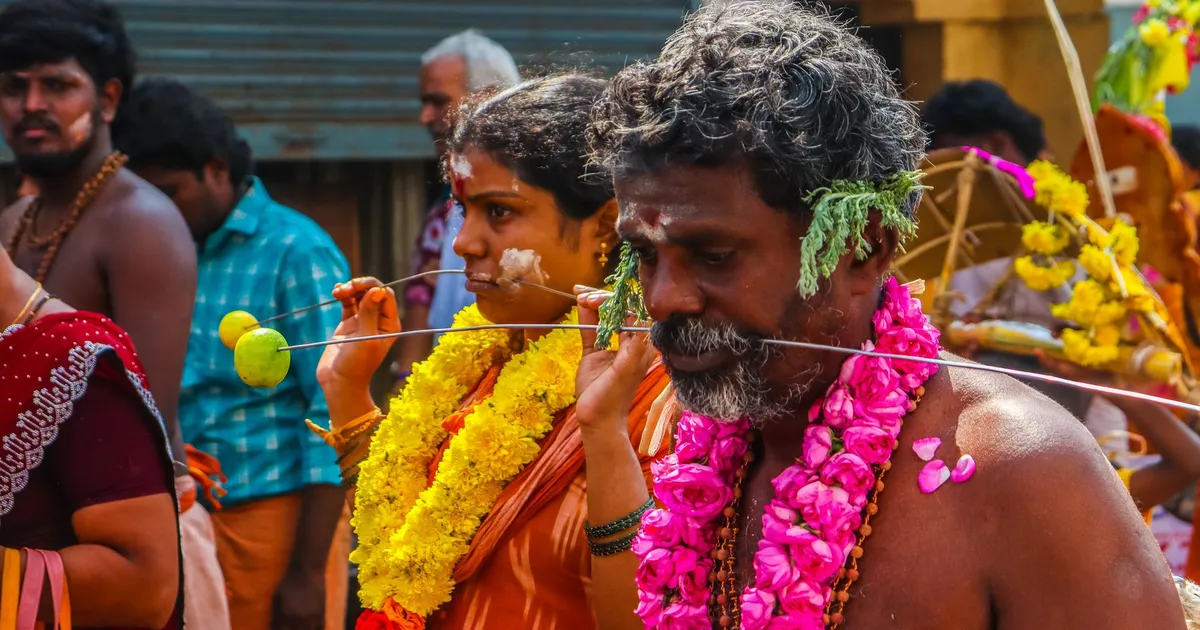


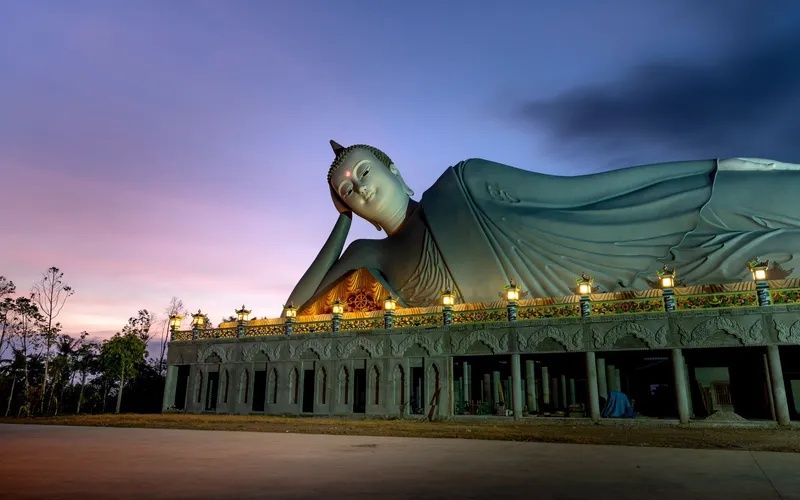
Most visitors to Malaysia never reach Kelantan. They fly into Kuala Lumpur, drift up to Penang or across to the islands, and the north-east corner of the peninsula stays a name on the map. That is exactly why it rewards the traveller who has time. Kota Bharu, the state capital, is a compact, humid, deeply Malay city where the market is still the centre of the day, craftspeople still make kites and silverwork by hand, and the Thai border is close enough that a Buddhist temple with a reclining Buddha sits within a short drive of the mosque.
This is not an easy destination, and we say so plainly. It is conservative, the weekend falls on Friday and Saturday, the Northeast Monsoon can shut roads and beaches for weeks, and there is little in the way of polished tourism infrastructure. What you get in return is a version of Malaysia that feels closer to its own cultural centre than almost anywhere else.
Why Kelantan rewards the slow traveller
Kelantan sits on the east coast, bordering Thailand, and is often described as the cradle of Malay culture. Its identity rests on things that cannot be rushed: a market run mostly by women, a craft tradition that includes batik, songket weaving, silverwork and woodcarving, a food culture that is distinctly its own, and a performing-arts heritage that includes wayang kulit shadow puppetry, mak yong, dikir barat, silat and gasing, the spinning-top game.
The practical logic of slow travel here is simple. Distances are short, but the interesting things are spread across a flat river plain, and each one is better with a conversation attached. A morning at the market, an afternoon with a craftsperson, an evening at a night market: three days will feel full, and five will feel generous. Plan the state as a base-and-radius trip, sleeping in Kota Bharu and making day trips to the coast, the Thai-border temples and the interior.
One request. Up to five tailored proposals.
Skip contacting agencies one by one — share your trip once and let up to five trusted Malaysia agencies come to you. Free, with no obligation.
Get my free quotesKota Bharu in a day
Start at Pasar Siti Khadijah, the city's central market. It is a multi-storey building under a large dome, and its identity is its traders, who are mostly women, many in baju kurung. Go early in the morning, when it is busiest and coolest. You will find fresh produce, dried goods, sweets, batik and songket, and food stalls serving ayam percik, nasi kerabu, laksam and somtam. This is a market for locals first, so walk slowly, ask before photographing a person, and buy something small.
From there, the cultural quarter near the old city gate is the natural next stop. The area around Gelanggang Seni, the cultural centre, and the handicraft village and craft museum is where Kelantan's performing and making traditions are shown together. Performances at the cultural centre have traditionally run on a seasonal schedule, mostly from around February to October, so check locally before building a day around one.
The Kelantan Royal Museum, housed in Istana Jahar, a palace built in 1887, shows royal regalia and traditional woodcraft and is worth an hour for the architecture alone. Allow the rest of the afternoon for a river or a long, slow lunch.
Kites, puppets and silver: the crafts
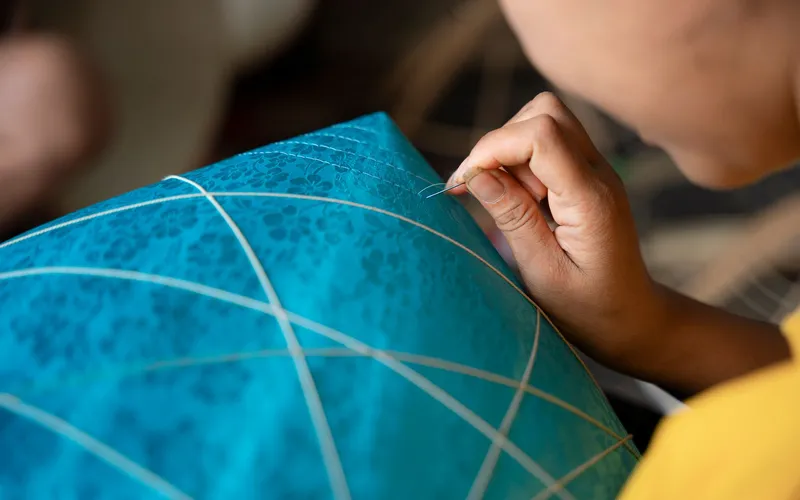
The best reason to come to Kelantan is the making. The state's signature object is the wau bulan, the moon kite, and there are well-known workshops around Kota Bharu where makers still build them. Galeri Wau Pak Sapie is one named studio. Wayang Kulit Pak Dain is the studio of a shadow puppet master. Across the state you will also find batik painting, songket weaving, silver jewellery and hand-carved wood, with a craft village at Kubang Kerian where several of these are made.
Approach the workshops as you would approach a friend's kitchen. Go in the morning, ask what the process is, accept tea, and buy a piece directly from the maker rather than haggling hard. A good batik or a hand-carved panel costs more than the factory equivalent and lasts longer. If you want to take a kite home, ask the maker how to pack it; the frames are fragile.
Get matched with up to 5 trusted Malaysia agencies
- Free
- No obligation
- Up to 5 agencies
The food that makes people come back
Kelantan eats differently from the rest of the peninsula. Its signature dishes include nasi kerabu, the blue-tinted herb rice; ayam percik, grilled chicken in a spiced coconut sauce; laksam, rice noodles in a thick fish gravy; nasi dagang; and solok lada, chilli stuffed with fish and coconut. Sweet kuih such as akok appear everywhere, and budu, the fermented anchovy sauce, is the flavour that most defines the state.
Halal food is standard throughout, and a full street-food dinner at a night market is estimated at around RM20 to RM30 per person. Night markets are a fixture, and Wakaf Che Yeh on the outskirts of Kota Bharu is held on Wednesday nights. For the wider picture of how to eat in the country, see the slow traveller's guide to Malaysian food. Arrive hungry, be willing to eat with your right hand, and ask what is cooked fresh that morning.
Beyond the city: coast, temples and river
Kelantan is more than its capital. Within a short drive there are three kinds of day that complement each other.
- The coast. Pantai Cahaya Bulan, about 10 km north of Kota Bharu, is known for calm water and sunsets, and Pantai Bisikan Bayu in Bachok is quieter and popular with kitesurfers and windsurfers. These are local beaches rather than resort beaches; the swimming culture is modest.
- The Thai-influenced temples. At Tumpat, around 20 km from Kota Bharu, Wat Machimmaram has a 30-metre seated Buddha, and Wat Phothivihan has a 40-metre reclining Buddha. They are reached by taxi or bus and make an unexpected, quiet half-day.
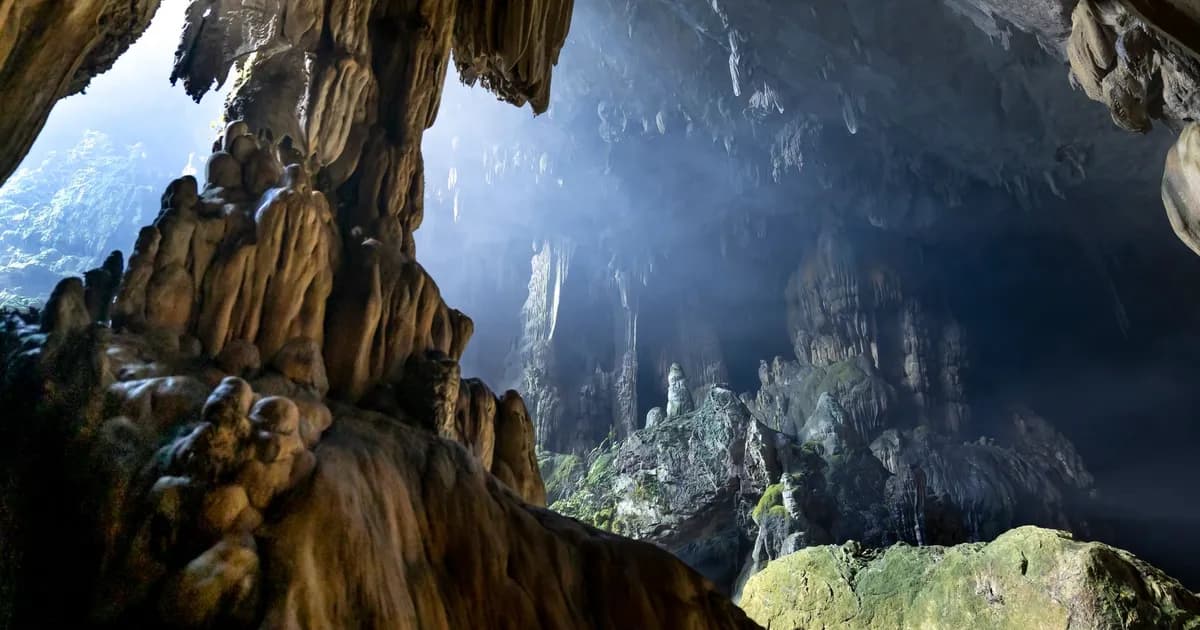
- The interior. Lata Rek, a multi-tiered waterfall in Pasir Puteh about 60 km from Kota Bharu, is a pleasant outing. Further inland, Gua Musang is the gateway to limestone outcrops, jungle rivers and Orang Asli communities.
For the wider region and the changes coming to its transport network, read our piece on what the East Coast Rail Link changes for slow travel. It matters for anyone planning a longer east-coast route from 2027.
The Jungle Railway and the interior
Kelantan's interior is where the state turns green and quiet. The Jungle Railway runs from Tumpat towards Gua Musang, and its scenery is the reason many travellers take the train at all. Near Kusial it crosses the Guillemard Bridge, the longest railway bridge in Malaysia, built in 1925, destroyed in the Second World War and rebuilt in 1948. If you want the full picture of how rail fits together on the peninsula, our guide to travelling Peninsular Malaysia by train explains the ETS and the Jungle Railway.
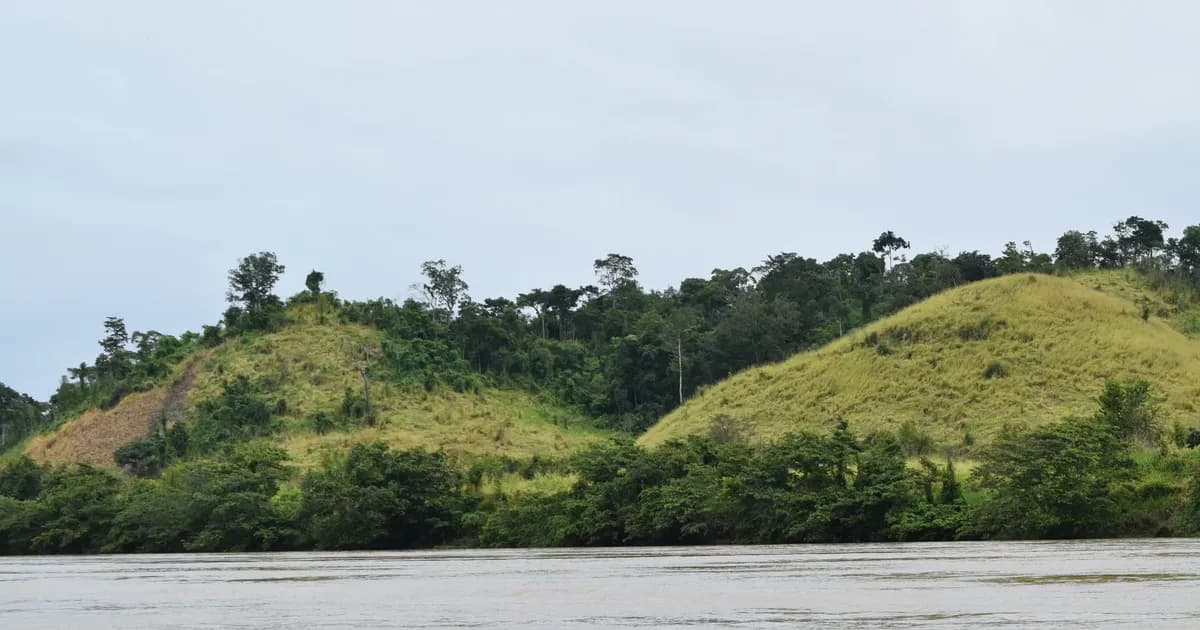
Around Kuala Krai, the Dabong river cruise is a two-hour eco cruise through jungle with chances of wildlife and visits to riverside villages. Gunung Stong State Park, reached via Jelawang, has the 305-metre Jelawang waterfall, a short jungle trek away, with camping possible overnight, as well as limestone caves such as Gua Ikan and Gua Keris. Rafflesia flowers are among the park's botanical attractions. Facilities are basic, services are limited, and you should arrange a local guide and transport rather than turning up and hoping.
When to go, and when not to
Timing matters more here than almost anywhere on the peninsula. The best months are March to October, the drier part of the year. The Northeast Monsoon runs from November to January, bringing heavy rain and flooding; roads to Gua Musang can flood and the coast can be rough. Do not underestimate this. If your dates fall in the wet season, shorten the interior plans and keep a flexible schedule. Our article on east-coast islands and the 2026-27 monsoon gives the wider seasonal picture.
Respecting a conservative state
Kelantan is often described as Malaysia's most conservative state, and the practical consequences are easy to manage if you plan for them. Dress modestly, with shoulders and knees covered, especially in markets, towns and public areas. Friday is the weekly rest day and many businesses close, with the weekend falling on Friday and Saturday, so do not leave your most important errands for a Friday. Public displays of affection draw disapproval. Alcohol is hard to find. Smoking and vaping in public will draw stares even where it is not strictly illegal. For the broader etiquette, how to travel Malaysia respectfully is the right companion.
None of this is a barrier. Visitors who are polite and curious are received warmly, and the same restraint that is expected of you is part of what makes the state feel like itself.
Getting there and getting around
Sultan Ismail Petra Airport is the main gateway to Kota Bharu, and most visitors arrive by air from Kuala Lumpur. The Jungle Railway reaches Tumpat, and buses connect the state to the rest of the peninsula. Within Kota Bharu you can walk between many of the central sights early in the day, then use taxis or ride-hailing for the beaches and temples. Tumpat is around 20 km away and can be reached by taxi or bus. Distances to the interior are longer, and a driver for the day is often the easiest answer.
Mobile coverage is good in Kota Bharu and the larger towns, with 4G and 5G available from the major operators, but the rural interior, including around Gua Musang, can be patchy.
A slow three-day plan
- Day one: the city. Early at Pasar Siti Khadijah, then the cultural quarter and the royal museum. Evening street food.
- Day two: crafts and coast. Morning at a kite workshop and the craft village, afternoon at Pantai Cahaya Bulan for sunset.
- Day three: temples and river. Tumpat's temples in the morning, then either a rest day or a transfer inland for a Dabong cruise.
If you have more time, add a night near Gunung Stong or ride the Jungle Railway for a day. Kelantan fits naturally into a longer east-coast route, or paired with the quieter off the beaten path ideas for slow travellers in our guides.
Costs and a note of honesty
Accommodation in Kota Bharu is plentiful and generally budget-friendly, and a full street-food dinner is around RM20 to RM30. Attraction entry fees were not available in the sources I checked, so confirm them locally. Opening hours of craft studios and performance schedules change, and wayang kulit and other performances are not always daily; ask at your accommodation. The state is not for everyone: if you want nightlife, resort beaches or polished packaged tours, choose elsewhere. If you want a place where Malay culture is lived rather than staged, this is it. And if you would rather stay with families than in hotels, see how ambience tourism and homestays are reshaping rural travel.
What to Do Next
- Choose your dates between March and October if you can, and avoid the November to January monsoon for any interior plans.
- Fly into Sultan Ismail Petra Airport or plan a Jungle Railway leg, and book a base in Kota Bharu for at least three nights.
- Pack modest, light clothing that covers shoulders and knees, and a rain layer.
- Arrange a driver or local guide for Tumpat, Kuala Krai or Gunung Stong rather than improvising.
- Check performance schedules and craft studio hours with your accommodation after you arrive.
- Use our Malaysia journey planner to fit Kelantan into a wider route, and consider a local travel agency for interior logistics.
Frequently Asked Questions
Is Kelantan safe and suitable for foreign visitors?
Yes. Kelantan is a conservative but welcoming state, and visitors who dress modestly and behave politely are generally received warmly. As anywhere, check current government travel advice before you go.
When is the best time to visit Kota Bharu?
March to October is the drier period and the best time to visit. The Northeast Monsoon from November to January brings heavy rain and flooding, which can close roads to the interior and make the coast rough.
How many days do I need in Kelantan?
Three days cover Kota Bharu, the crafts and a Tumpat day trip comfortably. Five days allow the Jungle Railway, a Dabong cruise and a visit to Gunung Stong without rushing.
What should I wear in Kota Bharu?
Cover your shoulders and knees, especially in markets, towns and public places. Light, loose cotton clothing works best in the heat.
Does everything close on Friday?
Friday is the weekly rest day in Kelantan, and many shops and businesses close, with the weekend falling on Friday and Saturday. Plan errands and market visits around it.
Can I drink alcohol in Kelantan?
Alcohol is hard to find in the state and is not part of the public culture. Plan on an alcohol-free trip.
How do I get from Kuala Lumpur to Kota Bharu?
Most visitors fly into Sultan Ismail Petra Airport. You can also reach the state by long-distance bus or by the Jungle Railway as far as Tumpat, both of which take considerably longer.