Malaysia's Food-Travel Moment: How the Michelin Guide Put a Nation on the Plate
Ask anyone who knows Southeast Asia where the best eating is, and Malaysia will come up fast. Yet for years the country's extraordinary food punched below its weight in the traveller's imagination, overshadowed by its noisier neighbours. In 2026 that is changing. The arrival and steady expansion of the Michelin Guide, honouring not just fine dining but the humble street stalls that are the soul of Malaysian eating, has helped put the country firmly on the culinary map. Malaysia is having its food-travel moment, and for the slow traveller, who tends to plan a trip around meals as much as monuments, there has never been a better time to come hungry.
This is a shift worth understanding, because Malaysian food is not merely good; it is a story in itself, a delicious record of the cultures that have met and mingled on this peninsula for centuries. Understanding why it is suddenly in the spotlight helps you make the most of it.
The Michelin moment
The clearest sign of Malaysia's culinary rise is the Michelin Guide to Kuala Lumpur and Penang, now in its fourth year and featuring around 151 distinguished restaurants across the two cities, spanning starred fine dining, the great-value Bib Gourmand category, and the broader Michelin Selected list. What matters most for the traveller is not the handful of starred tables but the breadth: the guide captures the full culinary identity of these cities, from refined tasting menus down to time-honoured street stalls.
That last point is the significant one. The 2026 Bib Gourmand selection alone highlights dozens of eateries across Kuala Lumpur and Penang, many of them humble street-food stalls and neighbourhood restaurants serving memorable meals at modest prices. When one of the world's most influential food guides puts a hawker stall on the same map as a fine-dining room, it validates what Malaysians have always known: that some of the best food in the country is cooked at a roadside cart. Our slow travellers guide to Malaysian food explores what to actually order.
One request. Up to five tailored proposals.
Skip contacting agencies one by one — share your trip once and let up to five trusted Malaysia agencies come to you. Free, with no obligation.
Get my free quotesWhat makes Malaysian food special
To understand the excitement, you have to understand the cuisine, and its secret is diversity. Malaysia is a genuinely multicultural country, and its food is the most delicious expression of that fact. Malay, Chinese and Indian culinary traditions have lived side by side for generations, borrowing and blending, and from their meeting have come whole new cuisines: the Nyonya cooking of the Peranakan, the mamak food of the Indian-Muslim community, and countless dishes that belong to Malaysia alone.
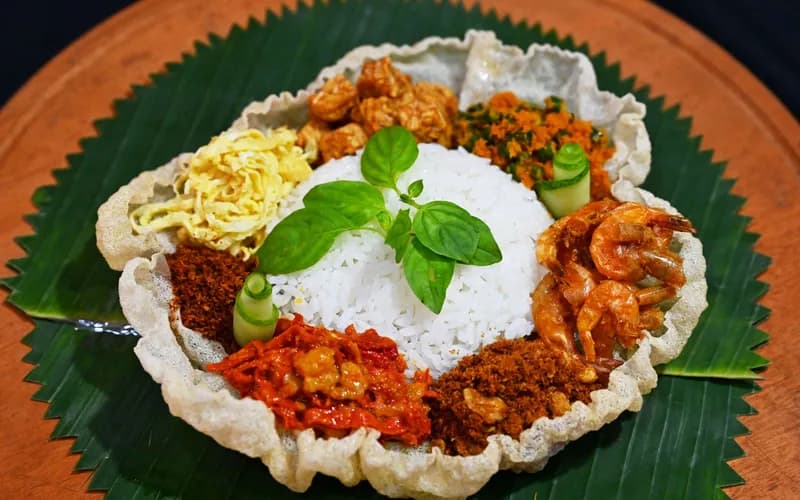
The result is a range that few countries can match. In a single day you might eat a Malay nasi lemak for breakfast, Chinese char kway teow for lunch, an Indian banana-leaf meal in the afternoon, and Nyonya laksa for dinner, all of them local, all of them authentic. This is food as a portrait of a society, and eating your way through it is one of the richest ways to understand the country. It is a theme that runs through the heritage of cities like Melaka, where the Straits melting pot is tasted as much as seen.
The hawker heart
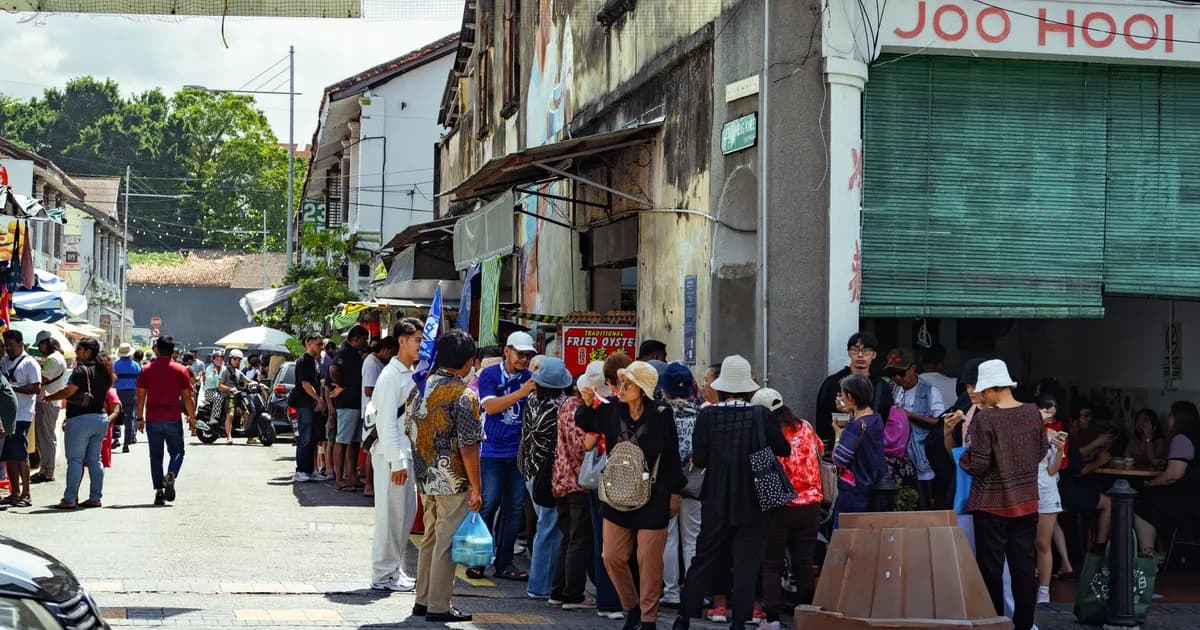
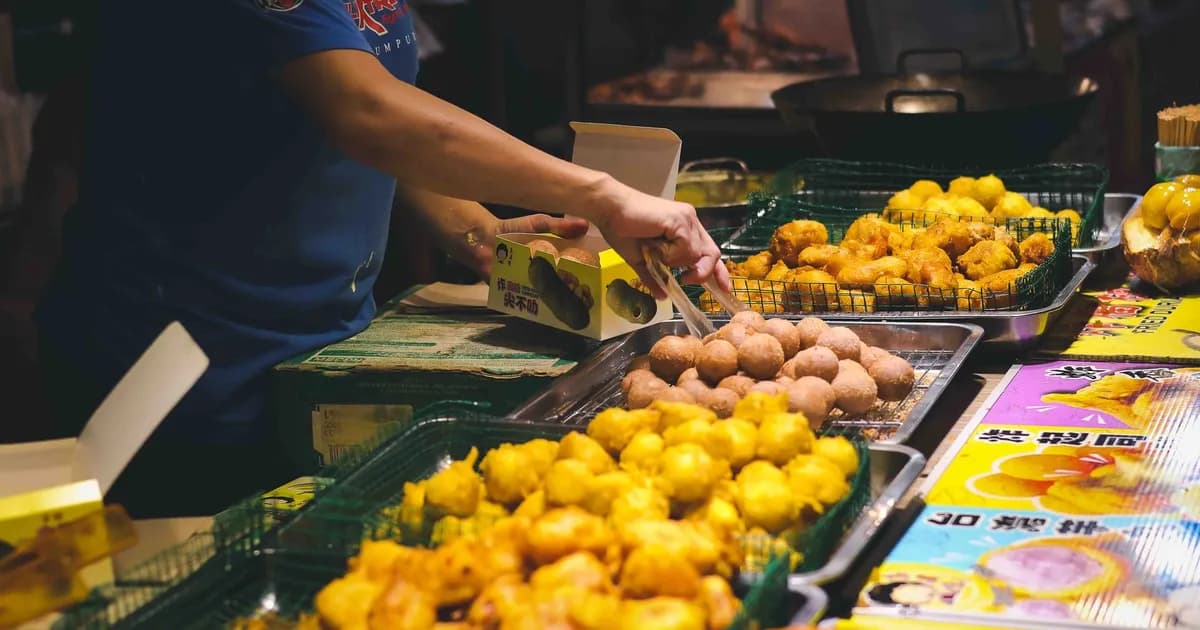
If there is one place the soul of Malaysian food lives, it is the hawker centre and the street stall. These are the everyday temples of the national cuisine: open-air courts and roadside carts where specialists cook a single dish to perfection, handed down and refined over decades. A great char kway teow or a bowl of assam laksa from a veteran hawker is a match for anything served on white tablecloths, and often better.
The Michelin recognition of these stalls is quietly revolutionary, because it dignifies the informal, inexpensive, deeply local eating that is the real heart of Malaysian food culture. For the traveller, the message could not be clearer: to eat well in Malaysia, you do not need a reservation or a big budget; you need to find the busy stall with the long local queue and join it. This is eating at its most democratic and, for the slow traveller, its most rewarding.
Get matched with up to 5 trusted Malaysia agencies
- Free
- No obligation
- Up to 5 agencies
George Town, the food capital
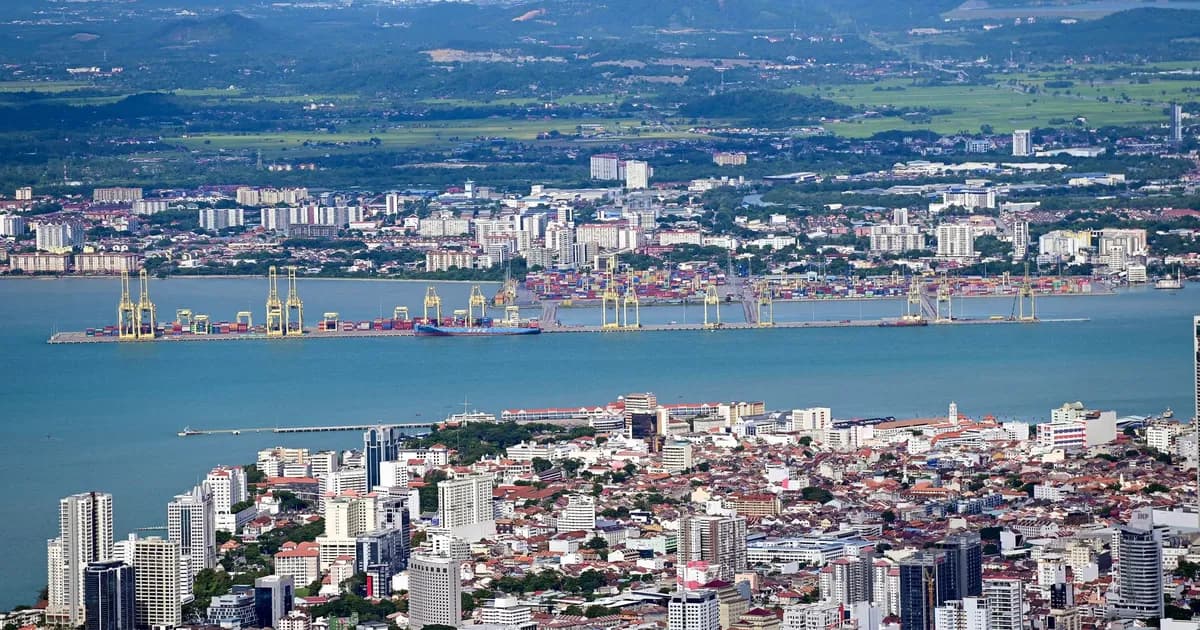
No city embodies Malaysia's food ascendancy more than George Town, the capital of Penang. Long revered by Malaysians and food-obsessed travellers as one of the great eating cities of Asia, George Town combines its multicultural heritage, honoured by UNESCO, with a street-food scene of astonishing depth. Its hawker stalls, coffee shops and clan-house kitchens draw pilgrims from across the region, and the Michelin Guide's attention has only confirmed its status.
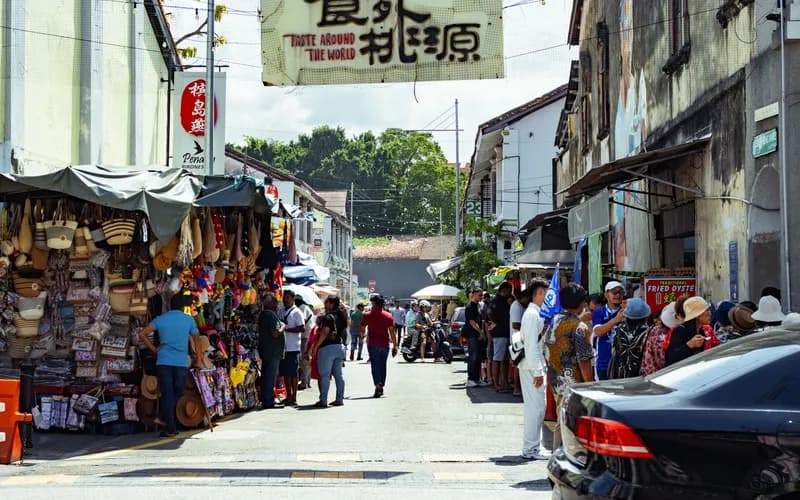
George Town is the natural first stop for any food-focused trip to Malaysia, and it rewards a slow, greedy stay: several days of eating your way from stall to stall, guided by appetite and local recommendation. Our guide to Penang and George Town sets out how to combine its food with its heritage, and why it deserves far more than a rushed visit.
Beyond Penang
While George Town wears the crown, the food-travel story runs the length of the country. Kuala Lumpur, the other focus of the Michelin Guide, offers everything from street-side satay to refined modern Malaysian cooking, alongside the mamak stalls that feed the city around the clock. Ipoh, to the north, is a rising food destination famous for its bean sprout chicken and white coffee, and Melaka in the south serves its own distinctive Nyonya heritage on a plate.
Beyond the cities, every region has its specialities, from the Malay flavours of the east coast to the Bornean kitchens of Sabah and Sarawak. A food-led journey through Malaysia can happily fill weeks, and it pairs naturally with the country's heritage, nature and coast. To plan when and where to eat your way around, our guide to where to go and when in Malaysia helps map the route.
What it means for slow travellers
For the slow traveller, Malaysia's food-travel moment is an open invitation. Food is the ideal organising principle for a slow trip here: it rewards patience, curiosity and repetition, sends you into neighbourhoods and markets that sights alone would never reveal, and connects you directly with local life. Planning a journey around meals, hawker breakfasts, market lunches, long dinners, turns eating from a necessity into the very structure of the trip.
The practical advice is simple: come with an appetite and an open mind, follow the crowds to the busy local stalls, and treat every meal as a chance to taste the country's history. Do not restrict yourself to the guidebook names; some of your best meals will be a plate of noodles from a stall no list has ever mentioned. In a country where the food is this good and this central to the culture, eating slowly and widely is not indulgence but the best way to travel. To build a food-focused itinerary, a specialist on our Malaysia plan-your-journey page can help.
A cuisine worth protecting
There is a bittersweet note beneath Malaysia's food-travel moment, and it is worth knowing. The great hawker tradition depends on ageing masters who have cooked a single dish for decades, and fewer young Malaysians are choosing the long, hard hours of the stall. Some beloved dishes and stalls are quietly disappearing as their cooks retire, and there is real concern for the future of the craft. The Michelin recognition is, in part, an attempt to honour and preserve it while there is still time.
For the traveller, this lends a certain meaning to every meal. Choosing to eat at the veteran hawker rather than the chain, paying gladly, and returning to the places that move you is a small act of preservation, keeping alive a tradition that is central to Malaysian identity. It is the same logic of support-through-patronage that underpins slow travel everywhere: your custom is a vote for what survives.
A little respect goes a long way too. Malaysia is a mostly Muslim country, so much of its food is halal, and during the fasting month of Ramadan the rhythm of eating shifts, with spectacular night markets appearing after sunset. Approach the food with curiosity rather than caution, follow local customs, eat where locals eat, and you will not only eat superbly but travel more thoughtfully. In Malaysia, more than almost anywhere, the table is where the country's story is told, and pulling up a plastic stool to share it is the finest way in.
What to Do Next
- Build your Malaysia itinerary around food, starting with George Town in Penang, the country's food capital.
- Eat at hawker centres and street stalls, following the long local queues rather than only the guidebook names.
- Use the Michelin Bib Gourmand list as a starting point for great-value local eating, not just fine dining.
- Sample the full multicultural range: Malay, Chinese, Indian, Nyonya and mamak, often in a single day.
- Extend your eating beyond Penang to Kuala Lumpur, Ipoh, Melaka and the regions, each with its own specialities.
Frequently Asked Questions
Why is Malaysia becoming a food-travel destination?
Malaysia has always had extraordinary food, but its profile has risen sharply with the Michelin Guide to Kuala Lumpur and Penang, which honours not just fine dining but the country's beloved street stalls. That recognition has confirmed Malaysia's status as one of Southeast Asia's great eating destinations.
What is the Michelin Guide in Malaysia?
The Michelin Guide to Kuala Lumpur and Penang, now in its fourth year, features around 151 restaurants across the two cities, from starred fine dining to the great-value Bib Gourmand category and the wider Selected list. Notably, it recognises humble street-food stalls alongside upscale restaurants.
What makes Malaysian food special?
Its diversity. Malaysia's Malay, Chinese and Indian communities have cooked side by side for generations, creating fusion cuisines like Nyonya and mamak food alongside their own traditions. You can eat a Malay, Chinese, Indian and Nyonya dish, all local and authentic, in a single day.
Where is the best food in Malaysia?
George Town in Penang is widely considered the country's food capital, with a legendary street-food scene and UNESCO heritage. Kuala Lumpur, Ipoh and Melaka are also outstanding, and every region has its specialities, so a food-led trip can cover much of the country.
Do I need a big budget to eat well in Malaysia?
Not at all. Some of the best food in Malaysia is cooked at hawker stalls and roadside carts for very little money, a fact the Michelin Guide has underlined by honouring street stalls. Finding the busy stall with a long local queue is the surest route to a great, cheap meal.
How should I plan a food trip to Malaysia?
Organise your journey around meals: start in George Town, eat at hawker centres and markets, use the Bib Gourmand list as a guide to great-value spots, and sample the full multicultural range. Extend beyond Penang to Kuala Lumpur, Ipoh and Melaka, and let your appetite set the pace.