Melaka: The Straits Heritage City That Rewards Slowing Down
Malaysia has two great heritage cities of the Straits of Malacca, and while George Town in Penang draws the crowds, its southern sister often gets overlooked. That is Melaka's good fortune. This compact, atmospheric city, where Portuguese, Dutch, British, Malay, Chinese and Peranakan histories are layered street by street, rewards exactly the kind of slow, curious wandering that the modern tourist trail tends to rush. Spend a couple of unhurried days here, drifting along the river, exploring the old lanes and eating your way through the Straits kitchen, and you will find one of the most rewarding heritage experiences in the region.
Melaka is not a place for a whirlwind visit. Its pleasures are quiet and cumulative: a shophouse doorway, a plate of Nyonya food, a lantern reflected in the river at dusk. It is a city that gives most to the traveller who slows down to its pace.
Where Melaka sits, and its layered history
Melaka lies on Malaysia's southwest coast, a couple of hours south of Kuala Lumpur, on the strait that gave it its name and its fortune. For centuries this was one of the great trading ports of Asia, a meeting point of Chinese, Indian, Arab and later European commerce, and each wave of power left its mark: the Portuguese who seized it in the sixteenth century, the Dutch who took it in the seventeenth, and the British who followed. That layered past is why Melaka, together with George Town, was inscribed as a UNESCO World Heritage Site in 2008 as the Historic Cities of the Straits of Malacca.
The result is a city where more than five hundred years of trade and cultural exchange are written into the streets, in the architecture, the food, the languages and the faces. To walk through Melaka is to read that history at ground level, and it is far richer than any single monument. For a sense of how it fits among Malaysia's under-visited treasures, our guide to off-the-beaten-path Malaysia sets the scene.
One request. Up to five tailored proposals.
Skip contacting agencies one by one — share your trip once and let up to five trusted Malaysia agencies come to you. Free, with no obligation.
Get my free quotesThe historic core: Red Square and Jonker Street
The heart of Melaka is its compact, walkable historic core, and it is best explored on foot and without hurry. On one side of the river stands the Dutch colonial legacy: the Stadthuys and Christ Church around the famous Red Square, their terracotta walls glowing in the afternoon light, remnants of the centuries when this was the seat of European power on the strait. Above them, the ruins of the Portuguese fort and church crown the hill.
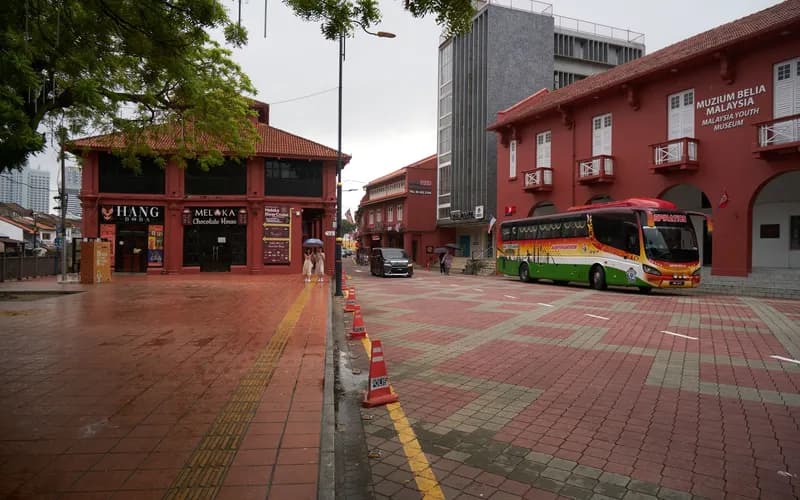
Across the river runs Jonker Street, the spine of the old Chinatown, lined with antique shops, clan houses, temples and cafes set in centuries-old shophouses. On Friday, Saturday and Sunday evenings it transforms into a lively night market, though the quieter early mornings, when shopkeepers sweep their doorways and the lanes are still, reveal the street at its most atmospheric. Wandering here without an agenda, ducking into a temple or a coffee shop as the mood takes you, is Melaka at its best.
Peranakan culture: the Baba-Nyonya heritage
What gives Melaka much of its distinctive character is its Peranakan culture, the heritage of the Baba-Nyonya, descendants of early Chinese traders who married into the local Malay world and created a unique hybrid culture over generations. Peranakan influence runs through the city's architecture, its lavishly decorated shophouses, its festivals and, most deliciously, its food.
The best window into this world is the Baba and Nyonya Heritage Museum, set in a beautifully preserved ancestral townhouse whose ornate interiors, carved furniture, tiles and family heirlooms tell the story of a wealthy Peranakan family. It is a reminder that Melaka's heritage is not only colonial but deeply local, a fusion of cultures that produced something found nowhere else. Alongside the Eurasian and Malay traditions that also thrive here, it makes the city a living museum of coexistence.
Get matched with up to 5 trusted Malaysia agencies
- Free
- No obligation
- Up to 5 agencies
The river and the slow rhythm
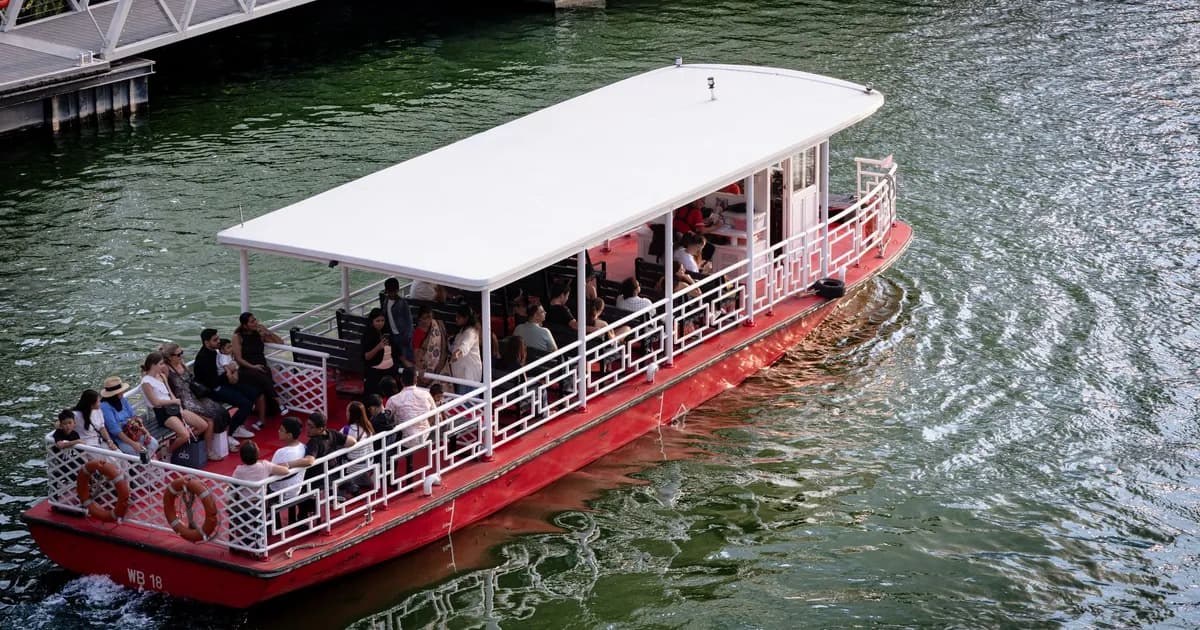
Running through the heart of the city, the Melaka River is the thread that ties it all together and the perfect stage for slowing down. A river cruise, especially at dusk as the lanterns come on and the old warehouses and painted shophouses glow along the banks, is one of the city's quiet pleasures, and the riverside walkway invites an unhurried evening stroll.
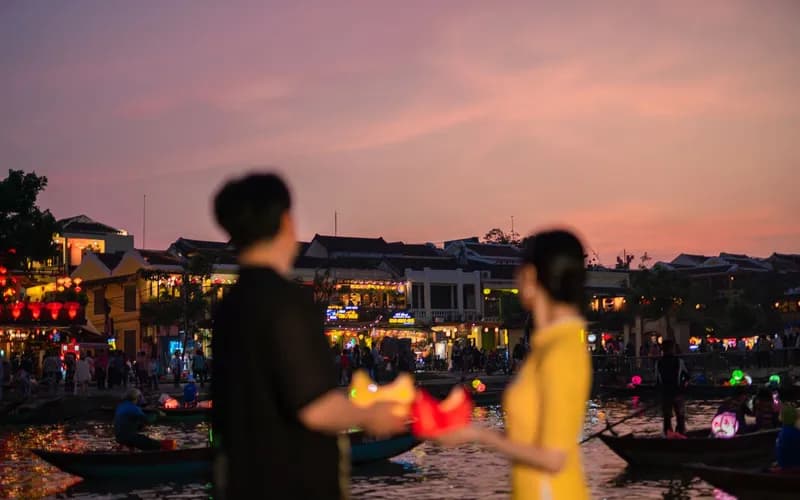
This is the rhythm Melaka rewards: mornings spent wandering the lanes, afternoons in museums and cafes out of the heat, evenings by the river. There is no need to rush between sights, because the sights are the streets themselves, and the pleasure lies in absorbing the atmosphere rather than ticking off a list. If you are threading Melaka into a wider journey through the peninsula, our guide to travelling peninsular Malaysia by train covers how the rail network connects the region, though Melaka itself is most easily reached by the frequent buses from Kuala Lumpur.
Food: the Straits kitchen
No account of Melaka is complete without its food, which is among the finest expressions of the Straits melting pot. Nyonya cuisine, the Peranakan cooking born of the Chinese-Malay fusion, is the city's signature, dishes like laksa, ayam pongteh and a dazzling array of kuih, sweet and savoury, that reward slow, curious eating. Alongside it thrive Malay, Chinese, Indian and Eurasian kitchens, and the famous chicken rice balls that are a local institution.
Eating in Melaka is a heritage experience in itself, a way of tasting the history you have been walking through. The old shophouse restaurants, the kopitiam coffee shops, and the Jonker Street stalls are all part of it, and lingering over a meal is entirely in keeping with the city's pace. Our slow travellers guide to Malaysian food sets Melaka's Nyonya kitchen in the wider context of the country's cuisine.
Melaka and its sister city
Melaka is best understood, and best travelled, alongside its UNESCO twin, George Town in Penang. The two cities share a heritage and a listing, yet each has its own flavour: George Town larger, busier and more famous, Melaka smaller, quieter and more compact. Visiting both, ideally with time to slow down in each, gives you the fullest picture of the Straits heritage that shaped this coast, and reveals how differently two related cities can evolve.
Our guide to Penang and George Town covers the northern sister, and pairing the two makes for one of the most rewarding cultural journeys in Malaysia. Whether you come to Melaka first or last, give it the couple of unhurried days it deserves rather than the rushed half-day it too often gets, and it will reward you with a depth of experience that its quieter reputation belies. To weave it into a wider slow itinerary, a specialist on our Malaysia travel agencies page can help.
Harmony Street and the layers of faith
One of Melaka's most quietly moving sights is a single lane in the old town, popularly called Harmony Street, where a Chinese temple, a mosque and a Hindu temple stand within a short walk of one another. Cheng Hoon Teng, one of the oldest functioning Chinese temples in the country, sits close to the Kampung Kling Mosque, with its distinctive tiered roof, and the colourful Sri Poyyatha Vinayagar Hindu temple nearby. To walk this short stretch is to see, in physical form, the centuries of coexistence that made Melaka what it is.
Beyond the tourist core lies another layer still. The Portuguese Settlement, home to the Kristang, a Eurasian community descended from Portuguese settlers who have kept their own creole language and traditions for centuries, is a reminder of how deeply the colonial encounter is woven into local identity, and its seafood is renowned. These quieter corners, away from Jonker Street, reward the traveller with time to seek them out.
It is in details like these that Melaka repays slow travel most richly. A hurried visitor sees a pretty riverside town and a night market; a slower one sees a living palimpsest of faiths, languages and cuisines that have shared these streets for half a millennium. The city does not shout its depth, which is precisely why giving it time, and attention, turns a pleasant stop into one of the most quietly memorable places in Malaysia.
What to Do Next
- Reach Melaka by the frequent buses from Kuala Lumpur, about two hours away, and give yourself at least two nights.
- Explore the historic core on foot: the Red Square, Stadthuys, Jonker Street and the hilltop ruins.
- Visit the Baba and Nyonya Heritage Museum to understand the city's Peranakan culture.
- Take a river cruise at dusk and walk the riverside, and time a weekend visit for the Jonker Street night market.
- Eat your way through the Straits kitchen, and consider pairing Melaka with George Town in Penang.
Frequently Asked Questions
Where is Melaka and how do I get there?
Melaka, also spelled Malacca, is on Malaysia's southwest coast, about two hours south of Kuala Lumpur. It is most easily reached by the frequent express buses from the capital; the main railway line passes nearby rather than through the city, so the bus is usually the simplest option.
Why is Melaka a UNESCO World Heritage Site?
Melaka was inscribed by UNESCO in 2008, together with George Town in Penang, as the Historic Cities of the Straits of Malacca, recognising more than five hundred years of trade and cultural exchange. Its layered Portuguese, Dutch, British, Malay, Chinese and Peranakan heritage is written into its streets and architecture.
What is Peranakan culture?
Peranakan, or Baba-Nyonya, culture is the hybrid heritage of descendants of early Chinese traders who married into the local Malay world, creating a unique fusion of Chinese and Malay traditions over generations. It is visible in Melaka's architecture, festivals and especially its Nyonya cuisine, and explored at the Baba and Nyonya Heritage Museum.
How many days should I spend in Melaka?
Two days, and ideally two nights, lets you explore the historic core, visit the Peranakan museums, take a river cruise and eat well without rushing. Timing part of your stay for a Friday-to-Sunday evening also catches the Jonker Street night market. It rewards a slower pace than the common half-day visit.
What food is Melaka known for?
Melaka is famous for Nyonya (Peranakan) cuisine, the Chinese-Malay fusion cooking that includes dishes like laksa, ayam pongteh and a huge variety of kuih, as well as its distinctive chicken rice balls. Malay, Chinese, Indian and Eurasian food all thrive here too, making the city a highlight for food lovers.
Should I visit Melaka or George Town?
Ideally both, as they are UNESCO sister cities with a shared heritage but distinct characters, George Town larger and busier, Melaka smaller and quieter. Pairing the two, with time to slow down in each, gives the fullest picture of the Straits heritage that shaped this coast.