Smoking and Vaping in Malaysia in 2026: The Rules Travellers Need to Know
If you smoke or vape, Malaysia in 2026 is a different country from the one that older guidebooks describe. The old picture of a plastic stool, a glass of teh tarik and a cigarette at a roadside stall no longer matches the law. Since the Control of Smoking Products for Public Health Act 2024 (Act 852) came into force, smoking and vaping are prohibited across a long list of public places, and enforcement is visible, routine and not reserved for locals. Visitors have been fined too.
This is not a moral lecture. Plenty of travellers smoke, and Malaysia has not banned the habit outright. But the rules are specific, the penalties are real, and the places where you can no longer light up include several you will visit every single day: the hawker stall, the kopitiam, the air-conditioned food court, the pub. Understanding the rules takes ten minutes and can save you a fine that would pay for several nights of guesthouse accommodation.
What the law actually says
The legal backbone is the Control of Smoking Products for Public Health Act 2024, usually cited as Act 852. Under Section 16, smoking or vaping in a designated non-smoking area is an offence. The word "smoking" in the Act is not limited to cigarettes: reporting on the law makes clear that vaping falls under the same offence, and signs in restaurants now routinely show a crossed-out vape alongside the cigarette.
Two dates matter. A health minister's order widening the list of non-smoking premises was gazetted on 30 September 2024, and the ban on the newly covered places took effect on 1 October 2024. To give business owners time to adapt, fines for those new categories were held back until 1 January 2025. By the Health Ministry's own account in September 2025, 28 categories of premises were gazetted as no-smoking zones, including restaurants and launderettes.
The headline penalty for an individual is a fine of up to RM5,000 on conviction. Owners and occupiers face the same ceiling if they fail to display clear no-smoking signage, if they provide smoking facilities such as ashtrays, or if they do not take reasonable steps to stop people smoking on their premises. That last point explains something you will notice on the ground: staff are far more willing to ask you to stop than they used to be, because the business is on the hook too.
One request. Up to five tailored proposals.
Skip contacting agencies one by one — share your trip once and let up to five trusted Malaysia agencies come to you. Free, with no obligation.
Get my free quotesWhere you can no longer light up
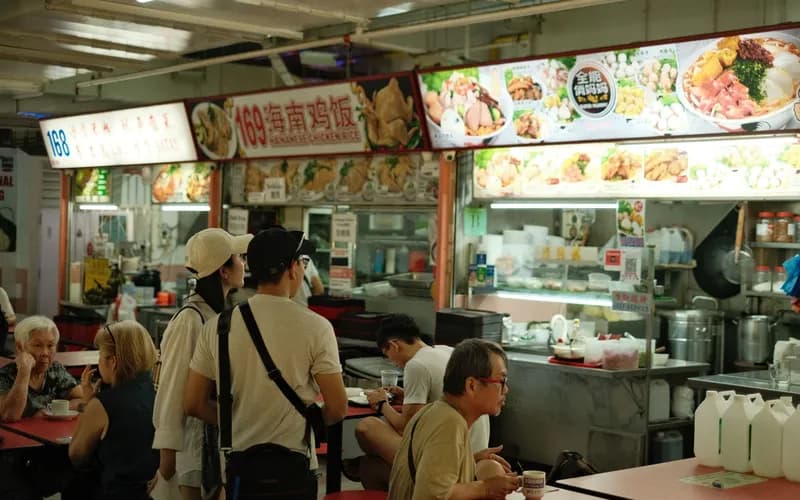
The category that matters most to travellers is food premises. Smoking is banned in restaurants, coffee shops, hawker centres and open-air eateries, and has been since the first round of rules in 2018 and 2019. The second part of that rule is the distance requirement: you are expected to be at least three metres from the nearest table or chair of an eating place. In a narrow street lined with stalls, three metres is often impossible to find, which is why many smokers simply wait until they are well away from the food altogether.
Since October 2024 the list has also covered:
- Office and workplace buildings, not only those with central air conditioning
- Launderettes
- Pubs, discos and nightclubs
- The Parliament building and a three-metre zone around its perimeter
The practical consequence for a visitor is that the bar where you might once have had a cigarette with a beer is no longer an exception. If you are in doubt, assume that an enclosed or semi-enclosed commercial space is non-smoking unless you can see an ashtray and a designated area that is clearly signposted.
How enforcement works in practice
Enforcement is carried out by the Health Ministry's officers and environmental health staff, and it is more active than many visitors expect. The ministry reported that, over the twelve months to September 2025, officers issued 101,521 offence notices to people smoking at eateries nationwide, across 19,175 enforcement operations, an average of more than 50 operations a day. Compounds, which are the on-the-spot settlement of an offence in lieu of prosecution, totalled RM11.45 million.
Those numbers are national and mostly concern residents, but the earliest enforcement days showed that nobody is exempt. When full enforcement began on 1 January 2020, news reports from Johor noted that the people compounded included tourists from Egypt and Singapore. In Penang that same week, officers worked in plain clothes, watched for smokers, then identified themselves before issuing a notice.
How much will a compound cost you? The honest answer is that I could not confirm a single current figure from an official source. When enforcement started in 2020, the compound for smoking in a prohibited place was reported at RM250. Treat that as a floor and plan on the assumption that a compound could be a few hundred ringgit. The court maximum, as above, is RM5,000. Unpaid compounds can end in court action, which is the last place a traveller wants to be.
There is also a public reporting channel. The ministry runs a campaign called #JomLapor, with a WhatsApp number and a phone line for the public to report offences. This matters to you in one way: a fellow diner who objects to your smoke may well report it, and a restaurant owner has every incentive to ask you to stop.
Get matched with up to 5 trusted Malaysia agencies
- Free
- No obligation
- Up to 5 agencies
What about vaping specifically?
Many travellers assume that vaping sits in a grey zone. In Malaysia it does not. The Health Ministry has said that vapes and nicotine-containing shishas are treated as tobacco products, and under Act 852 vaping in a designated non-smoking area is the same offence as smoking there. The place where the rules about vaping differ most is not the law on use but the wider regime around sales, which varies and has changed more than once. Some states have historically taken a stricter line than the federal baseline, and the east coast in particular is generally more conservative about these products.
My advice is simple. Bring your device only if you are comfortable with the risk, keep quantities to personal use, check the current import and declaration rules with the Royal Malaysia Customs Department before you fly, and never assume a shop that sells vape products will be followed by a place that lets you use them. Buying a product and being allowed to use it are two different questions here.
Hotels, guesthouses and homestays
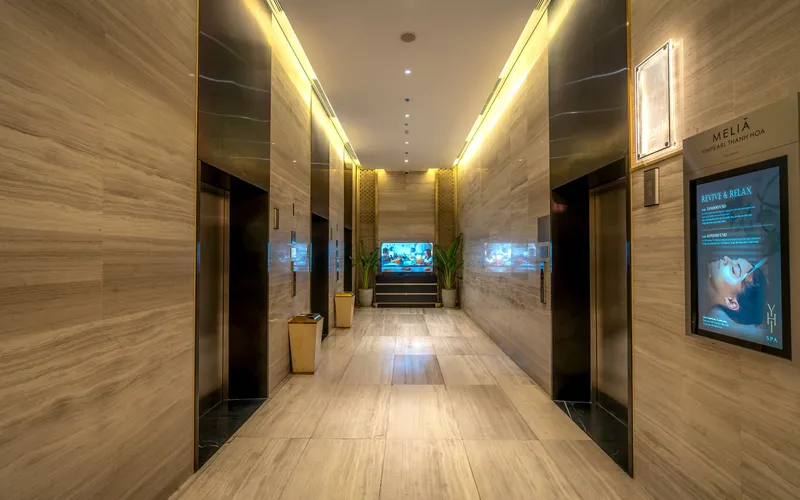
Accommodation is where travellers most often get confused, because the Act focuses on listed premises and the picture inside a hotel varies. Many hotels now designate entire buildings as non-smoking, charge a cleaning fee for smoking in a room, and may allow smoking only in a marked outdoor corner. Guesthouses and boutique hotels in heritage shophouses, such as those in George Town or Melaka, are often fully non-smoking because of old timber and shared airwells.
In a kampung homestay the question is cultural as much as legal. A family home is not a bar, and lighting up inside is simply unwelcome. Ask your host, and if you do smoke, step outside and away from where children and elders sit. Our guide to staying in a Malaysian kampung homestay covers the wider etiquette.
Smoking, courtesy and the wider culture
The law is one reason for the change; the other is a shift in what feels normal. Malaysia is a country where a large share of restaurants are halal and run by Muslim operators, and the Malaysian Muslim Restaurant Owners Association, which represents over 3,500 operators, publicly backed the 2025 enforcement drive. For many hawkers and café owners, the ban is welcome: they are the ones who breathe the smoke all day.
This sits comfortably alongside the broader rules of courtesy that we describe in how to travel Malaysia respectfully. In a country with three major cultures, several religions and a strong tradition of eating together, doing something that sends smoke across a shared table is simply rude. In Kelantan and other more conservative states, the attitude can be firmer still, so if you are exploring the east coast, as described in our piece on Kota Bharu and Kelantan, the safe assumption is that public smoking will draw disapproval even where it is not strictly illegal.
Practical ways to handle it as a smoker
You do not have to give up your habit to travel well here. You need a routine.
- Smoke before you sit down, not while the food is on the way.
- Walk well away from the eatery, not just to the kerb. Three metres is a legal minimum, not a courtesy.
- Look for a posted smoking area in bus terminals, airports and some hotels, and use only that.
- Carry cash for a possible compound, but if an officer approaches, be polite, ask for the notice in writing and ask how to settle it. Do not argue.
- Never leave butts on the street; littering is a separate offence.
- If you vape, treat the device exactly as you would a cigarette.
For non-smokers, the news is almost entirely good. Eating at a hawker centre in 2026 is a noticeably cleaner experience than it was a decade ago. If someone does light up near you, a polite word to the stall owner is usually enough.
Fines, budgets and the rest of your costs
A fine is an avoidable expense, and it belongs in the same mental box as the other small charges of a Malaysian trip. If you are building a budget, our overview of what travellers actually pay in Malaysian taxes and fees will help you see the rest of the picture, and our Malaysia trip cost guide gives realistic daily numbers.
One caveat is worth stating plainly. Rules in Malaysia can be amended by ministerial order, and local authorities and state governments sometimes add their own. The details above reflect the position as I could verify it in autumn 2026. Before you travel, check the Health Ministry's tobacco control pages and ask your accommodation about its own policy.
What to Do Next
- Decide before you fly whether you will smoke or vape on this trip, and read the Health Ministry's current guidance on non-smoking premises.
- Check Royal Malaysia Customs rules on what you may bring in, including any vape products, before packing.
- Ask each hotel, guesthouse or homestay about its smoking policy when you book, in writing.
- Plan your smoking breaks so they happen away from eateries, at least three metres from any table, and preferably much further.
- Keep a small amount of cash on you in case you are offered a compound notice, and settle it politely if you are.
- Use our Malaysia journey planner to build an itinerary that suits your habits and the places you will stay.
Frequently Asked Questions
Can I smoke at a hawker stall or kopitiam in Malaysia?
No. Smoking is banned in restaurants, coffee shops, hawker centres and open-air eateries, and you are expected to stay at least three metres from the nearest table or chair. Enforcement is routine, and fines are real.
Does the ban include vaping and e-cigarettes?
Yes. Vaping in a designated non-smoking area is treated as the same offence as smoking under Act 852. Vapes and nicotine shishas have been classed as tobacco products by the Health Ministry.
How much is the fine for smoking in a non-smoking area?
The legal maximum for an individual is RM5,000 on conviction. Compounds issued on the spot have been lower; RM250 was reported when enforcement started in 2020, but I could not confirm a current official figure, so budget for several hundred ringgit.
Are tourists fined as well, or only residents?
Tourists are included. In the first days of enforcement in 2020, travellers from Egypt and Singapore were among those compounded in Johor. The law applies to everyone present in the country.
Can I smoke in my hotel room?
It depends on the property. Many hotels are now fully non-smoking and charge a cleaning fee, while others offer designated rooms or outdoor corners. Ask when you book, and never assume.
Are pubs and nightclubs covered?
Yes. Pubs, discos and nightclubs were added to the list of non-smoking premises in the order that took effect on 1 October 2024, with fines enforced from 1 January 2025.
Where can I report or ask about the rules?
The Health Ministry runs the #JomLapor campaign, with a WhatsApp number (010-8608949) and a phone line (03-8892 4530) for public reports. For questions, ask the ministry directly or the venue you are visiting.