
How to Choose a Responsible Whale Shark Encounter in the Philippines
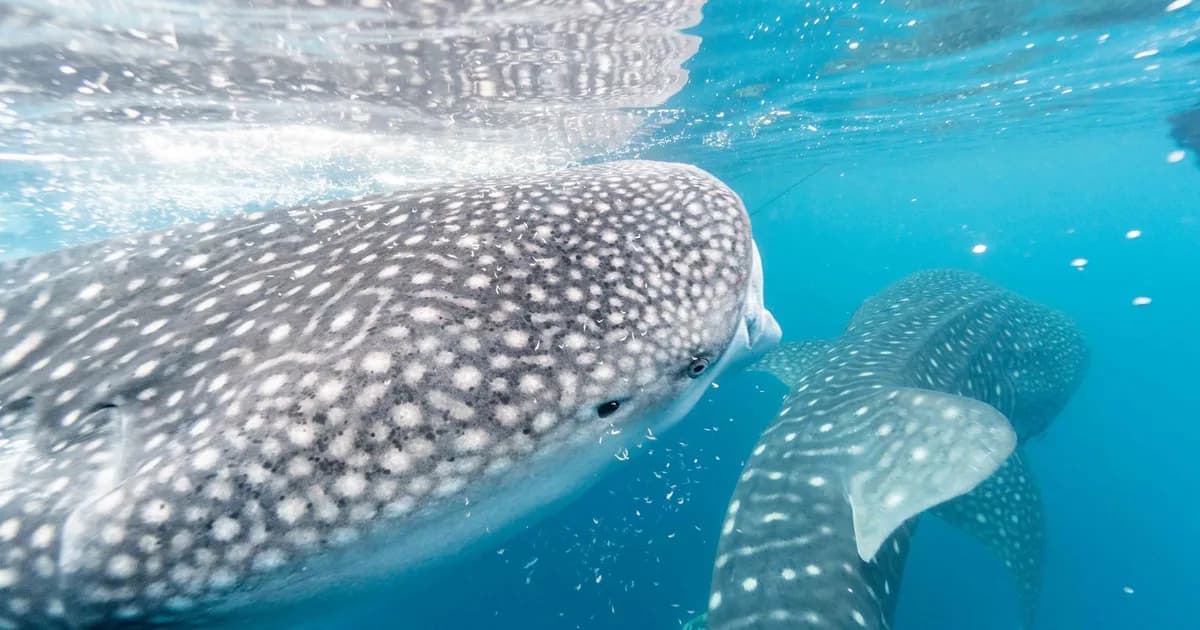
Swimming beside a whale shark, the largest fish in the sea, is for many travellers the experience of a lifetime, and the Philippines is one of the best places in the world to do it. But it is also a choice that carries real ethical weight, because the way these encounters are run varies enormously, from carefully managed wild sightings to a controversial feeding operation that many conservationists condemn. For the thoughtful, slow traveller, the question is not simply where to swim with whale sharks, but how to do it in a way that respects the animals rather than harms them. This guide explains the difference and how to choose well.
The stakes are higher than they first appear. Whale sharks are a protected, vulnerable species, and irresponsible tourism can genuinely harm them, altering their natural behaviour, exposing them to injury and disrupting their migrations. The good news is that the Philippines also offers some of the most responsible whale shark experiences anywhere, and knowing what to look for lets you have an unforgettable encounter with a clear conscience.
The heart of the issue: feeding versus wild
The central distinction you must understand is between provisioned, or fed, encounters and genuinely wild ones. In some places, whale sharks are fed by hand to keep them close to shore for tourists, guaranteeing sightings but at a serious cost. Conservationists widely criticise this practice, warning that feeding alters the animals' natural behaviour and migration, conditions them to associate boats and people with food, increases their risk of injury from vessels, and disrupts the wild patterns on which their long-term survival depends.
The alternative is the wild encounter, where operators take you to areas the whale sharks visit naturally, on their own terms, to feed on plankton. Sightings are not guaranteed, and that is precisely the point: you are a visitor in their world rather than the reason they are there. For anyone who cares about the animals, choosing a wild, non-feeding encounter over a provisioned one is the single most important decision, and it is the approach that aligns with the responsible marine tourism we champion across the country.
One request. Up to five tailored proposals.
Skip contacting agencies one by one — share your trip once and let up to five trusted Philippines agencies come to you. Free, with no obligation.
Get my free quotesWhere to find responsible encounters
The Philippines has several well-known whale shark destinations, and they differ sharply in their approach. The most famous responsible destinations are those where whale sharks are seen in the wild without feeding, run under community-based, regulated ecotourism models with strict rules on numbers and behaviour. These wild-encounter destinations are the ones to seek out, and they demonstrate that you can have a magical experience without compromising the animals' welfare.
By contrast, the country's best-known feeding operation, while hugely popular and heavily marketed, is the one most criticised by marine scientists and conservation groups. It is worth doing your research before you go, choosing a destination known for wild, non-provisioned encounters, and being sceptical of anywhere that guarantees close sightings, since in the wild nothing is guaranteed. This responsible approach fits naturally with the wider revival of thoughtful diving and marine tourism we explore in our piece on the country's diving renaissance.
The rules of a responsible encounter
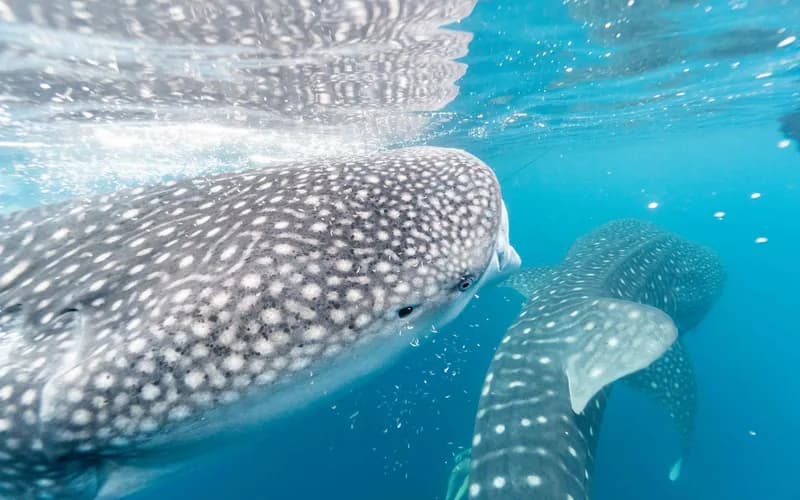
Even at a genuinely wild destination, how the encounter is conducted matters enormously, and good operators enforce strict rules designed to protect the animals. These typically include maintaining a minimum distance from the shark, never touching or riding it, not using flash photography, limiting the number of swimmers in the water at once, and not blocking the animal's path. Responsible operators brief you thoroughly on these rules before you enter the water and enforce them firmly.
As a visitor, your job is to follow these rules to the letter, even when excitement makes it tempting to get closer. Keep your distance, never reach out to touch, move calmly, and let the whale shark dictate the encounter. A good sign of a responsible operation is one that prioritises the animal's welfare over guaranteeing every guest a perfect photo, and that is willing to end an encounter if the animal shows signs of stress. Choosing such an operator, and behaving well yourself, is what makes the difference.
Get matched with up to 5 trusted Philippines agencies
- Free
- No obligation
- Up to 5 agencies
How to vet an operator
Choosing the right operator is the practical crux of a responsible encounter. Look for operators that run wild, non-feeding encounters, that are transparent about their conservation practices, that limit group sizes, and that clearly brief and enforce the code of conduct. Read reviews with a critical eye, favouring those that mention respectful, well-managed encounters over those boasting guaranteed close contact, and do not be swayed by the cheapest or most heavily promoted option.
Be wary of red flags: guarantees of sightings, any mention of feeding or touching, overcrowded boats, and a lack of clear rules. A little research before you book, and a willingness to pay a fair price for a responsible experience, protects both you and the animals. If you would rather have expert help arranging an ethical encounter, our directory of Philippines travel agencies can point you towards operators who take conservation seriously.
Timing and practicalities
Responsible, wild whale shark encounters are seasonal, because they depend on the animals' natural movements, so timing your trip matters. The best months vary by destination according to when the whale sharks gather to feed, so research the specific season for the place you choose and plan around it rather than expecting sightings year-round. Building this into a flexible, unhurried itinerary is exactly the kind of planning our guide on island-hopping the Philippines slowly is designed to support.
On the practical side, come prepared to snorkel or dive comfortably: a decent level of swimming ability, your own mask if you prefer, and reef-safe sunscreen to protect the marine environment. Early-morning encounters are often calmest and least crowded. Above all, go in with realistic expectations, understanding that a wild sighting is a privilege, not a guarantee, and that its uncertainty is part of what makes it genuine.
Why the slow, responsible choice is the better one
It is worth stepping back to see why the responsible path is also the more rewarding one. A guaranteed, provisioned encounter may deliver a quick, close sighting, but it does so by compromising the very wildness that makes the animal magnificent, and it leaves a troubling ethical aftertaste. A wild encounter, uncertain and on the animal's terms, is a truer experience: you meet the whale shark in its own world, having earned the sighting rather than bought a staged one.
This is the essence of slow, responsible travel, choosing depth and integrity over convenience and guarantee, and it applies far beyond whale sharks to how we engage with wildlife everywhere. Approached this way, an encounter with a whale shark becomes not just a thrilling moment but a meaningful one, and our slow traveller's guide to the Philippines can help you build a trip around exactly this kind of thoughtful experience.
The bigger picture of marine tourism
It helps to see the whale shark question as part of a wider pattern in how we engage with marine life, because the same principles apply across the board. The Philippines is one of the world's great marine destinations, and its reefs, turtles, manta rays and countless other species draw travellers from around the globe. Every one of these encounters carries the same underlying choice: to engage in a way that respects the animals and their habitat, or in a way that exploits and degrades them for a quick thrill.
Choosing responsibly across the board, non-feeding wildlife encounters, reef-safe sunscreen, careful snorkelling that never touches coral, and operators with genuine conservation credentials, protects the very ecosystems that make the country so extraordinary underwater. It also supports a growing movement of operators and communities who are building tourism around protection rather than extraction, which is the only way these experiences will survive for future travellers to enjoy.
For the slow traveller, this joined-up thinking is second nature. The same instinct that leads you to choose a wild whale shark encounter over a fed one, to prefer depth over spectacle and integrity over convenience, applies to every interaction with the natural world. Approached this way, a trip through the Philippines' seas becomes not just a series of thrilling sightings but a way of travelling that leaves the ocean, and the communities that depend on it, better than you found them. That is the essence of responsible marine travel, and it is what makes the effort of choosing well so worthwhile.
What to Do Next
- Choose a destination known for wild, non-feeding whale shark encounters, and avoid feeding operations.
- Research the specific season for your chosen destination, as encounters are seasonal and depend on the animals' movements.
- Vet operators carefully, favouring those that limit group sizes, brief a code of conduct and are transparent about conservation.
- Be sceptical of any operator guaranteeing sightings or mentioning feeding or touching.
- Follow the rules strictly in the water: keep your distance, never touch, and let the animal lead.
- Use reef-safe sunscreen, go early, and plan the encounter into a flexible itinerary with our plan your journey page.
Frequently Asked Questions
Is swimming with whale sharks in the Philippines ethical?
It can be, if you choose a wild, non-feeding encounter run under a responsible, regulated model with strict rules. It is not ethical at operations that feed whale sharks to keep them close for tourists, a practice widely criticised by conservationists.
What is wrong with feeding whale sharks?
Feeding alters the animals' natural behaviour and migration, conditions them to associate boats and people with food, increases their risk of injury from vessels, and disrupts the wild patterns their long-term survival depends on. Conservationists widely condemn it.
How do I find a responsible whale shark operator?
Look for operators running wild, non-feeding encounters, transparent about conservation, limiting group sizes and enforcing a clear code of conduct. Avoid any that guarantee sightings or mention feeding or touching, and read reviews critically.
What are the rules for swimming with whale sharks?
Keep a minimum distance, never touch or ride the animal, avoid flash photography, limit swimmers in the water, and never block its path. Responsible operators brief and enforce these rules, and your job is to follow them to the letter.
When is the best time to see whale sharks?
It is seasonal and varies by destination, depending on when the whale sharks gather naturally to feed. Research the specific season for the place you choose and plan around it, rather than expecting guaranteed sightings year-round.
Are sightings guaranteed on a wild encounter?
No, and that is the point. In a genuinely wild encounter the whale sharks are there on their own terms, so sightings are never guaranteed. That uncertainty is what makes the experience authentic and respectful of the animals.