
The Philippines' Diving Renaissance: Coral, Conservation and Slow Travel Underwater in 2026
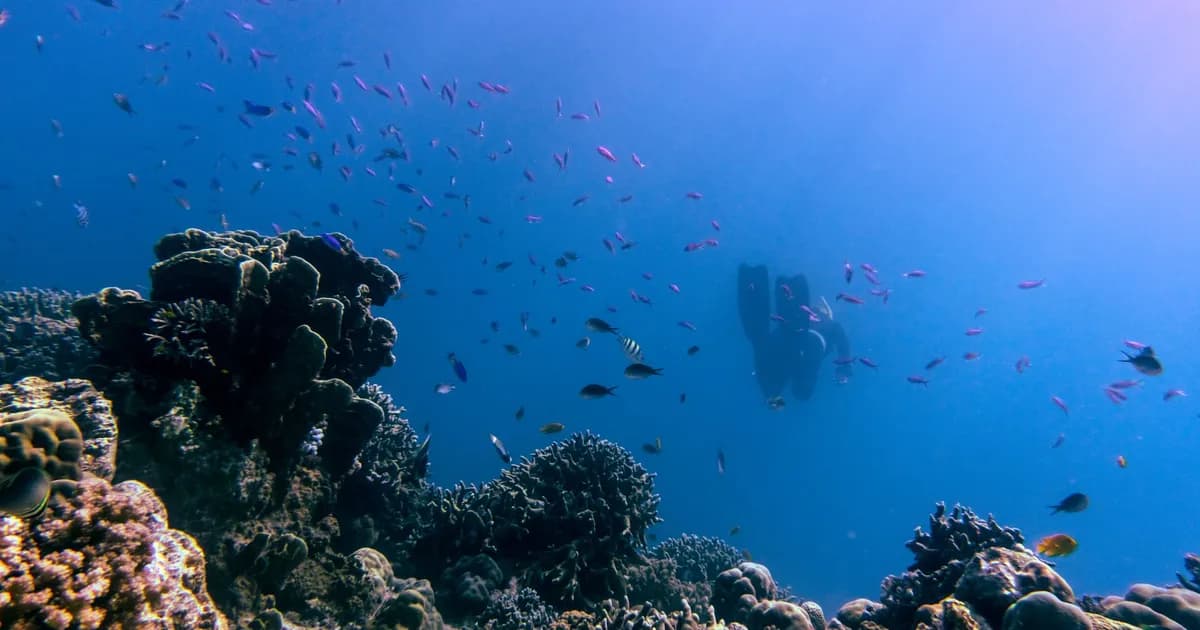
Above the water, the Philippines is famous for its beaches. Below it lies something arguably more extraordinary: some of the richest coral reefs on the planet, so celebrated that the country has been named the world's leading dive destination. In 2026, that underwater wealth is increasingly bound up with conservation, as marine protected areas, seasonal limits and reef-protection efforts try to safeguard what draws divers from around the world. For the slow traveller, the Philippines underwater is a lesson in going deep rather than wide, and in how careful protection can keep a natural wonder alive.
The world's leading dive destination
The recognition is not marketing hyperbole. The Philippines has repeatedly been named the World's Leading Dive Destination and Asia's Leading Dive Destination at the World Travel Awards, and it features on the top-site lists of PADI, dive magazines and travel media alike. What earns it that status is a rare combination: extraordinary biodiversity, warm water, a huge variety of dive types from macro muck to big-animal encounters, and a spread of sites across thousands of islands. Diving here is not one experience but dozens, and it draws a devoted global community that keeps returning. This is depth-over-distance travel in the most literal sense, the same ethos as our slow traveller's guide to the Philippines.
One request. Up to five tailored proposals.
Skip contacting agencies one by one — share your trip once and let up to five trusted Philippines agencies come to you. Free, with no obligation.
Get my free quotesWhy the reefs are so rich: the Coral Triangle
The Philippines sits within the Coral Triangle, the global epicentre of marine biodiversity, and that geography explains the wealth beneath the waves. These are among the most species-rich waters on Earth, home to a staggering variety of corals, fish and larger marine life. The country's reefs support a large share of the world's coral and fish species, and the range of habitats, from shallow gardens to deep walls, wrecks and seagrass beds, packs enormous variety into small areas. For divers and snorkellers, it means that even a single well-chosen site can reveal more life than entire coastlines elsewhere.
Tubbataha: the crown jewel and the conservation model
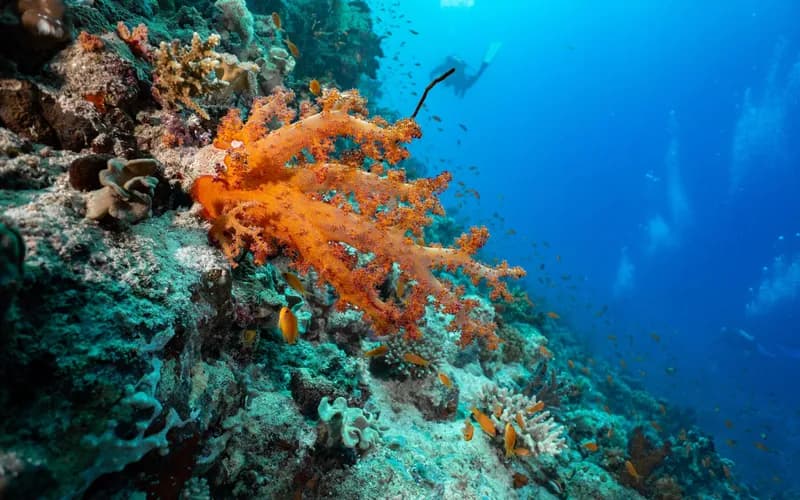
No site captures the story better than Tubbataha Reefs Natural Park. The largest marine protected area in the Philippines, covering some 97,000 hectares in the middle of the Sulu Sea, it is both a UNESCO World Heritage Site and a wetland of international importance. Its numbers are staggering: hundreds of coral species, close to seven hundred fish species, and a supporting cast of sharks, rays, turtles, dolphins and more. Crucially, Tubbataha is also a model of protection. Access is strictly limited to a short season, roughly March to June, and reachable only by liveaboard on an overnight voyage from Puerto Princesa, which naturally caps the number of divers and shields the reef. It shows that world-class diving and serious conservation can coexist, indeed depend on each other.
Get matched with up to 5 trusted Philippines agencies
- Free
- No obligation
- Up to 5 agencies
Beyond Tubbataha: a spread of world-class sites
Tubbataha may be the crown jewel, but the Philippines wears a whole crown. Coron in Palawan offers world-famous wreck diving over a fleet of sunken ships; Malapascua is known for reliable encounters with thresher sharks; Anilao is a mecca for macro and muck divers and underwater photographers; Apo Island and Moalboal deliver turtles, walls and vast sardine shoals; and countless other reefs ring the islands. This spread is a gift for the slow traveller, because it rewards choosing one or two areas and diving them deeply rather than racing between them. It also connects naturally to the wider shift toward spreading visitors beyond the honeypots, which we explore in our piece on travel beyond Boracay.
The reefs under pressure
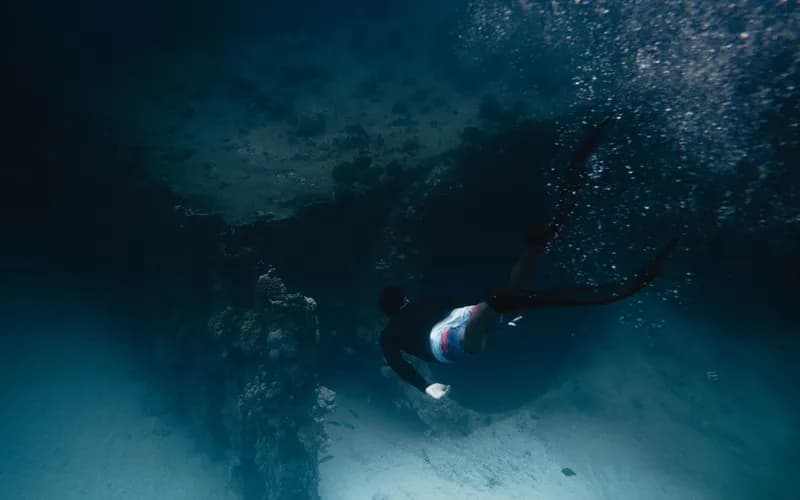
The picture is not uniformly rosy, and honesty matters. Coral reefs everywhere, including in the Philippines, face serious threats: warming seas and coral bleaching, pollution and plastic, destructive and overfishing, and in places the sheer pressure of too many visitors. Some reefs have degraded, and the health of any given site varies. This is precisely why the conservation story is so central: the protection measures are not bureaucratic add-ons but the reason the best reefs remain spectacular. Understanding that the underwater wealth is fragile, and actively defended, is part of appreciating it, and part of the responsibility of visiting.
Conservation as a tourism strategy
What is striking in 2026 is how far the Philippines has leaned into protection as a foundation of its dive tourism rather than an obstacle to it. Marine protected areas, seasonal access, visitor caps, environmental fees and local reef-guardian programmes are increasingly the norm at the best sites, and dive tourism revenue in turn funds their protection. It is a virtuous loop when it works: divers pay to see healthy reefs, that money protects the reefs, and the reefs stay worth seeing. This alignment of economic and environmental interest is exactly the kind of sustainable model that our charter for slow travel argues destinations should pursue.
The ethics of the water
Not everything underwater is straightforward, and the thoughtful traveller should be aware of the debates. Some marine encounters raise real ethical questions, most notably the practice of feeding whale sharks to guarantee sightings for tourists in certain spots, which many conservationists criticise as harmful to the animals' natural behaviour. The responsible approach is to favour operators and destinations that offer wild, non-provisioned encounters and that follow strict codes of conduct: no touching, no chasing, no feeding, respectful distance. Choosing how you meet the ocean's giants, and whom you give your money to, is one of the more consequential decisions a marine traveller makes.
What it means for a slow traveller
For the slow traveller, the Philippines underwater is close to ideal. It rewards exactly the habits slow travel values: choosing a base and staying, diving the same reefs across days until you read them properly, learning from local guides, and supporting the conservation that keeps the water alive. Whether you are a certified diver drawn to Tubbataha's walls or a snorkeller content over a shallow reef, the invitation is the same, to go deep rather than wide. Pairing a diving base with unhurried island time, as our guide to island-hopping the Philippines slowly describes, makes for one of the most rewarding trips in the region.
Diving and snorkelling responsibly
Enjoying the reefs without harming them comes down to a few clear habits. Choose dive operators with strong environmental credentials and good safety records over the cheapest option. Master your buoyancy so you never touch or kick the coral, take nothing and leave nothing, use reef-safe sunscreen, and never chase, touch or feed marine life. Pay the environmental fees that fund protection willingly, and follow the rules at protected sites without complaint, they are the reason the reef is worth diving. These small disciplines, multiplied across every visitor, are the difference between reefs that endure and reefs that fade.
Snorkellers welcome too
Diving may headline the Philippines' underwater fame, but you do not need a scuba certification to share in it. Many of the country's richest reefs rise close to the surface, and superb snorkelling is available over shallow coral gardens, sardine runs and turtle grounds at a fraction of the cost and none of the training. Places like Apo Island and Moalboal reward snorkellers almost as much as divers, and countless quiet reefs off small islands offer world-class underwater life to anyone with a mask and fins. For the slow traveller who wants the ocean without the equipment, snorkelling gently from a village beach is one of the purest pleasures the Philippines offers, and it carries a far lighter footprint too.
Learning to dive here
For those tempted to take the plunge, the Philippines is also one of the best and most affordable places in the world to learn. Dive schools across the islands offer entry-level certification in warm, clear, forgiving water, and the low cost of living keeps courses cheap by international standards. Learning to dive slowly, over a week or two based in one spot rather than a rushed weekend course, fits the ethos of the country perfectly and produces a better, safer diver. Choose a reputable school with good safety and environmental standards over the cheapest, take your time, and you may leave with a skill that reshapes how you travel for the rest of your life.
What to do next
- Pick one or two dive regions and stay long enough to dive them deeply, rather than racing between sites.
- For Tubbataha, plan well ahead around its short March-to-June liveaboard season out of Puerto Princesa.
- Choose operators with strong environmental and safety credentials, and pay reef-protection fees willingly.
- Favour wild, non-provisioned marine encounters and avoid operators that feed or harass animals for guaranteed sightings.
- Build a diving-focused, low-impact itinerary using our plan your journey page.
Frequently Asked Questions
Is the Philippines a good diving destination?
Exceptionally so. The Philippines has repeatedly been named the World's Leading Dive Destination at the World Travel Awards and sits within the Coral Triangle, the global centre of marine biodiversity. It offers everything from macro muck diving and wrecks to shark and turtle encounters across thousands of islands, making it one of the best dive countries on Earth.
What is Tubbataha and how do I dive it?
Tubbataha Reefs Natural Park is the largest marine protected area in the Philippines, a UNESCO World Heritage Site in the Sulu Sea with hundreds of coral and fish species. It is accessible only by liveaboard during a short season, roughly March to June, on an overnight voyage from Puerto Princesa, so it requires booking well in advance.
Are the Philippines' coral reefs healthy?
It varies. The country has some of the richest reefs on the planet, but they face real threats from warming seas and bleaching, pollution, destructive fishing and overtourism. Protected areas and conservation measures keep the best sites spectacular, which is why choosing well-managed destinations and paying protection fees genuinely matters.
Is it ethical to swim with whale sharks in the Philippines?
It depends on how it is done. Some locations feed whale sharks to guarantee sightings, a practice many conservationists criticise as harmful to the animals. The responsible choice is to favour destinations and operators offering wild, non-provisioned encounters with strict codes of conduct, no feeding, touching or chasing, and to avoid those that manipulate the animals for tourism.
When is the best time to dive in the Philippines?
It depends on the region, but the dry months from roughly November to May offer the best conditions in many areas, with Tubbataha open only from around March to June. Because the country spans many islands and weather patterns, and the typhoon season affects some areas, it pays to match your dive region to the season, check local conditions, and build in flexibility for the weather.
Keep reading
More from the ground · Philippines