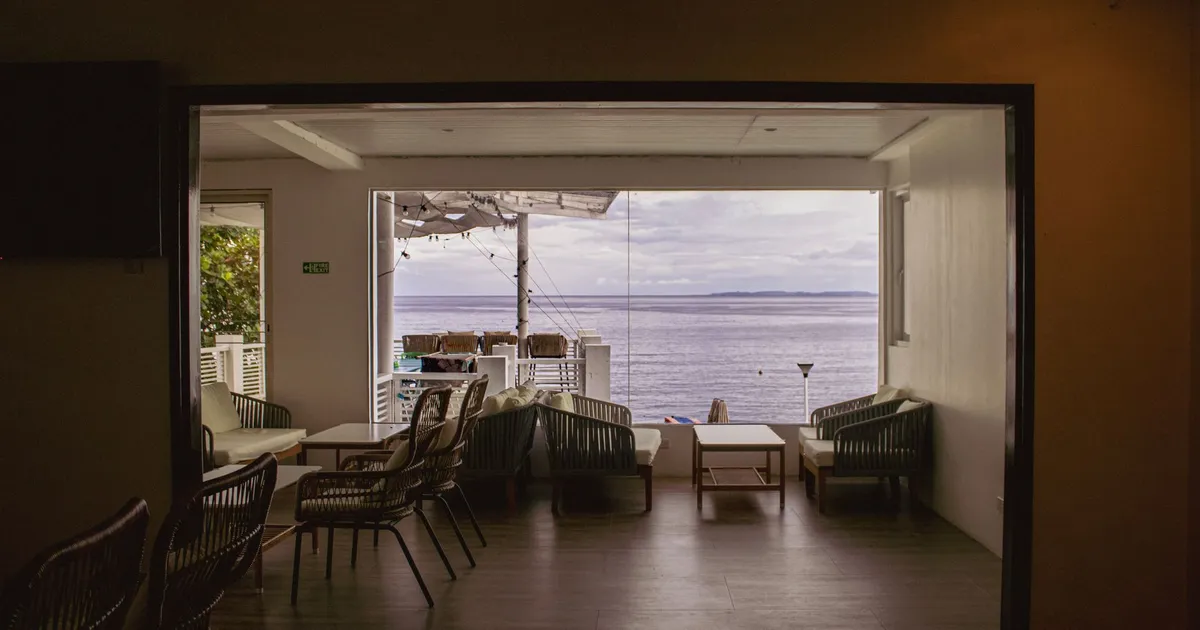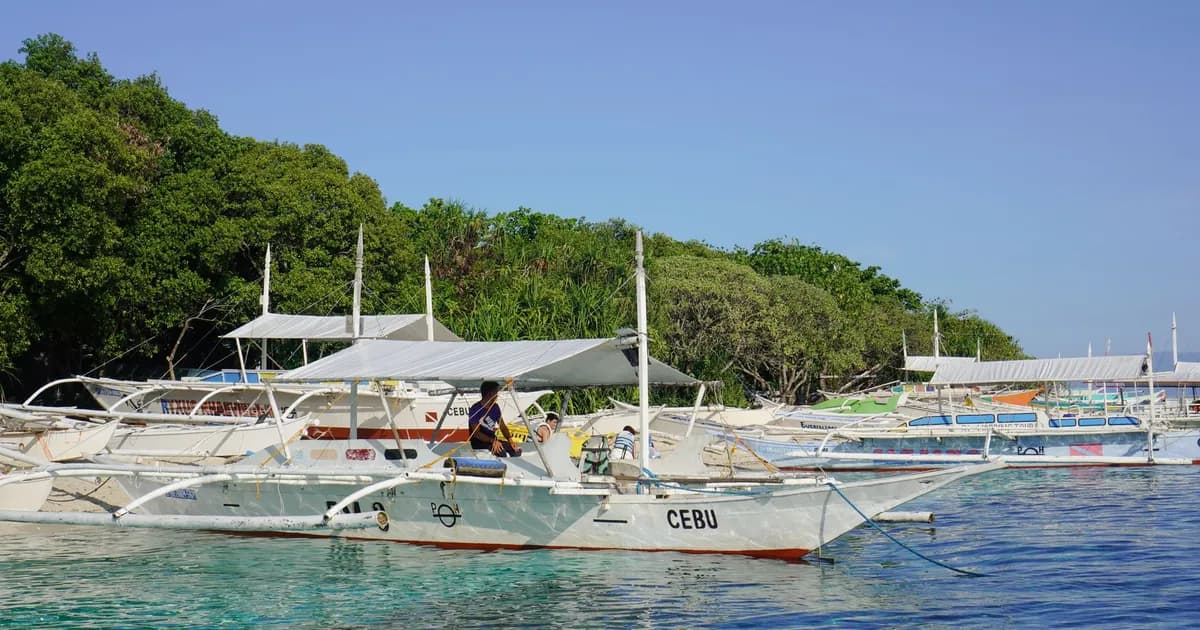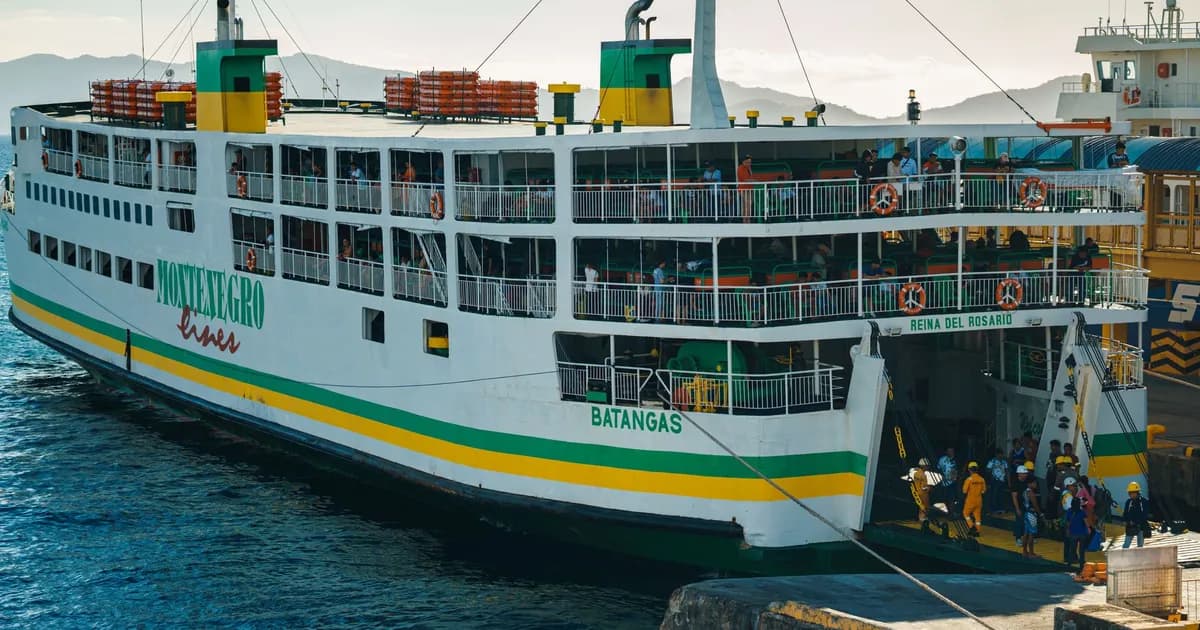


For decades, the Philippines sold itself to the world through a handful of postcard islands: Boracay's white sand, Palawan's lagoons, a few marquee names that drew the lion's share of foreign visitors. In 2026 that model is being deliberately rewritten. Stung by the costs of overtourism and armed with a new sense of ambition, the country is pushing hard to spread travellers across its vast archipelago, toward the emerging, quieter and often more rewarding destinations that most visitors have never heard of. For the slow traveller, this shift is both a validation and an invitation.
The Boracay Warning
The turning point was Boracay. The tiny island's beaches became so overwhelmed by unchecked development and crowds that in 2018 the government took the drastic step of closing it entirely for six months to clean up and rehabilitate it.
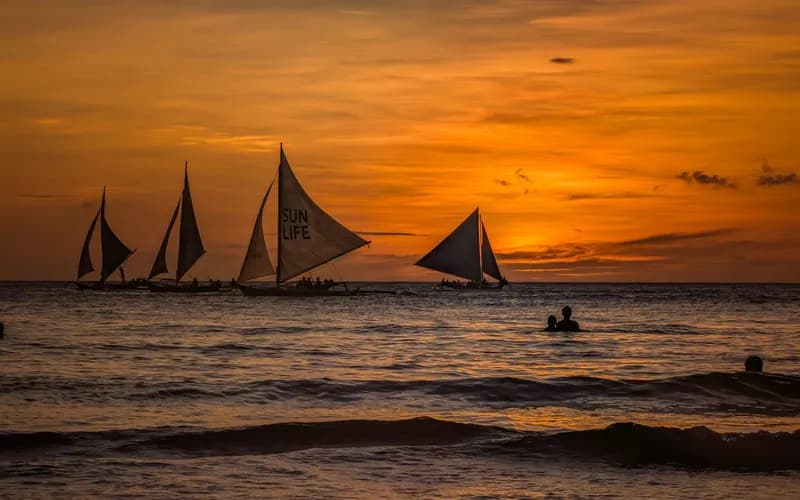
The closure was a national wake-up call, a vivid demonstration of what happens when tourism is concentrated and left unmanaged. Since then, the language of Philippine tourism has shifted toward sustainability, carrying capacity and dispersal. Boracay reopened with limits in place, but its real legacy is a lesson the whole country is now trying to apply: that funnelling everyone to the same few beaches is a path to ruin, not riches.
One request. Up to five tailored proposals.
Skip contacting agencies one by one — share your trip once and let up to five trusted Philippines agencies come to you. Free, with no obligation.
Get my free quotesA Country of 7,000 Islands, Concentrated on a Few
The irony of Philippine tourism has long been its geography. This is a nation of more than seven thousand islands, staggering in its variety, yet foreign tourism clustered heavily around a small number of honeypots. The result was crowding and environmental strain in the famous spots and neglect nearly everywhere else, even as countless islands offered beaches, cultures and landscapes to rival the headliners. Correcting that imbalance, spreading both the benefits and the pressures of tourism more evenly, is the core logic of the current strategy. Our guide to the Philippines off the beaten path is a map to exactly the places this shift is trying to elevate.
The 2026 Dispersal Strategy
The push has gathered real momentum. Tourism authorities are actively promoting emerging destinations beyond Boracay and Palawan, investing in access and marketing to channel visitors to lesser-known provinces. The "Love the Philippines" campaign frames the country as more than a few beaches, and the Philippines has taken a leading regional role, serving as coordinator for Southeast Asian tourism cooperation as the region rolls out a new multi-year plan. The aim is a tourism map with many centres rather than a few overloaded ones, and a visitor economy that reaches communities long left out of it.
Get matched with up to 5 trusted Philippines agencies
- Free
- No obligation
- Up to 5 agencies
Where the Spotlight Is Turning
The emerging map is rich. Siargao has risen from a surfers' secret to a byword for laid-back island life; Bohol pairs the Chocolate Hills and tarsiers with quiet coasts; Cebu, Bicol, Siquijor, Camiguin and the far-flung provinces of Mindanao all offer landscapes and cultures that most foreign itineraries miss. At the extreme edge sits the remote north, where our guide to the Ivatan islands of Batanes describes a destination so different and so slow it feels like another country. These are the places the dispersal strategy is trying to bring into the light, and for now most remain gloriously uncrowded.
The Slow-Travel Opportunity
For anyone who travels slowly, this is a moment of real opportunity. The dispersal strategy is essentially an official endorsement of the slow-travel instinct: to go beyond the obvious, to seek out the quieter island, to give a lesser-known province the time it deserves.
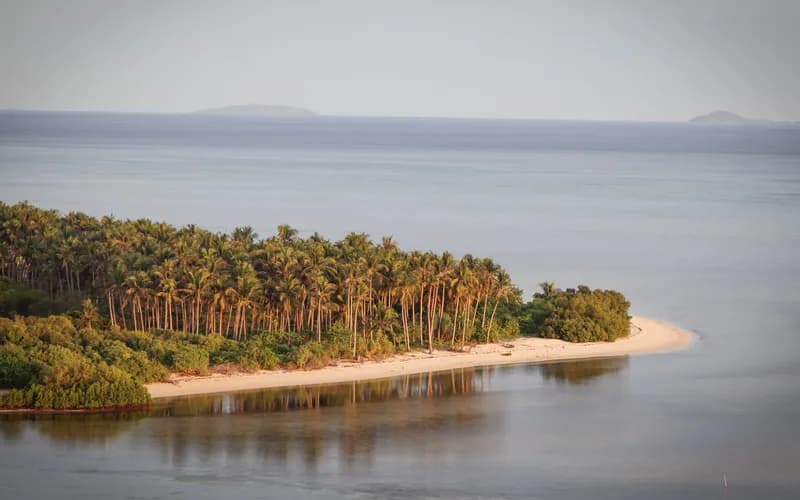
The emerging destinations reward exactly the traveller who stays longer, spends locally and values texture over checklist, and reaching them now, before infrastructure and crowds arrive in force, offers the increasingly rare experience of a beautiful place that has not yet been packaged. Getting between these scattered islands is its own art, which our guide to island-hopping the Philippines slowly is designed to help with.
The Risks of the Shift
The strategy is not without pitfalls. Promotion is easy; sustainable infrastructure is hard, and a destination flagged as the "next Boracay" can be loved to death before it is ready, repeating the very mistake the whole shift is meant to avoid. The challenge for the Philippines is to grow its emerging destinations gradually and with proper planning, rather than simply relocating the overtourism problem to a new set of beaches. Travellers have a role here too: by spreading themselves out, staying longer, and treating fragile places gently, they help ensure dispersal becomes genuine sustainability rather than merely the next wave of crowding.
The Philippines' Regional Moment
The timing is significant. The Philippines is enjoying a period of rising confidence in tourism, with foreign arrivals climbing and the country taking a prominent role in shaping Southeast Asia's tourism future. This gives the dispersal strategy weight and momentum it might otherwise lack, and signals that the shift is not a passing campaign but part of a longer-term repositioning. For the traveller, it means the emerging Philippines is likely to keep opening up, with better access and more options in places that today still feel like discoveries.
How to Travel the New Map
Making the most of the shift is simple in principle. Resist the urge to default to Boracay and Palawan, and instead choose one or two emerging regions to explore slowly and deeply. Use the famous spots, if at all, as brief anchors rather than the whole trip. Spend with local operators and communities in the lesser-known provinces, and let the country's sheer variety, rather than its most marketed images, shape your route. Travel this way and you get the best of the new Philippines while helping the dispersal strategy succeed.
The Cost of Getting It Wrong
The stakes of dispersal are not abstract. When Boracay was closed, thousands of workers lost their income overnight, and the island's reputation took years to rebuild; it was a painful lesson in how overtourism ultimately harms the very people and places it enriches in the short term. Palawan, too, has faced growing scrutiny over the pressure that popularity places on its fragile lagoons and reefs. These cautionary tales are precisely why the current strategy matters: unmanaged concentration is not just unpleasant for visitors, it is economically and environmentally dangerous for hosts. Spreading tourism out is, in part, an act of self-preservation for the destinations that made the Philippines famous.
What Emerging Destinations Need to Get Right
For the dispersal strategy to succeed, the emerging destinations must avoid repeating the honeypots' mistakes, and that depends on getting a few things right. Waste and water management have to keep pace with visitor numbers; local communities need a genuine stake in tourism rather than watching outside operators extract the profits; and growth has to be paced so that infrastructure and character are not overwhelmed. The places that manage this, growing slowly and keeping benefits local, will thrive; those that chase quick numbers risk becoming the next cautionary tale. As a traveller, favouring community-run stays and local guides tilts the balance toward the better outcome.
The Traveller's Quiet Power
It is easy to see tourism strategy as something decided in ministries, but travellers shape it more than they realise. Every decision about where to go, how long to stay and whose business to support is a small vote for one kind of tourism over another. A generation of visitors choosing quieter islands, longer stays and local operators can help make the dispersal strategy real in a way no campaign alone can. The Philippines is opening a door to a more balanced, more rewarding kind of travel; walking through it thoughtfully is how visitors turn a government strategy into a genuinely better way to see the country.
A Country Rediscovering Itself
There is something quietly hopeful in the Philippines' turn away from its own clichés. For decades the country sold a narrow image of itself abroad, a few white beaches standing in for more than seven thousand islands and a hundred cultures. The dispersal strategy is, in a sense, an act of national self-rediscovery, an invitation to travellers and Filipinos alike to look past the postcard and find the far richer country behind it: the highland cultures of the north, the surf and forests of Mindanao, the Spanish-colonial towns, the diving frontiers, the food traditions that vary from island to island. For the visitor, this is a chance to encounter a Philippines that most guidebooks still under-serve, and to do so at a moment when the places opening up are still fresh and largely unspoiled. Travelling the emerging map is not only a way to avoid the crowds; it is a way to meet the real country, in all its overwhelming variety, before the wider world catches up. Few destinations offer that window, and in the Philippines it is open now.
What to Do Next
- Look beyond Boracay and Palawan, and build your trip around one or two emerging provinces instead.
- Give the lesser-known destinations real time, staying longer and spending with local communities.
- Reach emerging islands before they are fully developed, and treat fragile places gently to avoid repeating Boracay's mistakes.
- Use our guides to the off-beaten-path Philippines and slow island-hopping to plan a spread-out route.
- Shape the wider trip with our Philippines plan-your-journey resources.
Frequently Asked Questions
Why is the Philippines trying to send tourists beyond Boracay?
Because concentrating visitors in a few famous spots like Boracay and Palawan caused crowding and environmental damage, most starkly when Boracay had to be closed for six months in 2018 to recover. The Philippines is now promoting emerging destinations to spread the benefits and pressures of tourism more evenly across its thousands of islands.
What is the "Love the Philippines" campaign?
It is the country's national tourism branding, framing the Philippines as far more than a handful of famous beaches and encouraging visitors to explore its wider variety of islands, cultures and landscapes. It sits alongside a broader 2026 strategy to disperse tourism and a leading regional role for the Philippines in Southeast Asian tourism cooperation.
Which emerging Philippine destinations should I consider?
Options include Siargao for laid-back island life, Bohol for its hills and quiet coasts, and Cebu, Bicol, Siquijor, Camiguin and parts of Mindanao, along with the remote northern islands of Batanes. These destinations offer landscapes and cultures that most foreign itineraries miss, and for now most remain far less crowded than Boracay or Palawan.
Is the dispersal strategy good for slow travellers?
Very much so. It is essentially an official endorsement of the slow-travel instinct to go beyond the obvious and give quieter places time. The emerging destinations reward travellers who stay longer and spend locally, and reaching them before crowds and heavy infrastructure arrive offers a rare experience of a beautiful place that has not yet been packaged.
Could the emerging destinations become overcrowded too?
Yes, if promotion outpaces planning. A place flagged as the "next Boracay" risks being overwhelmed before it is ready. The challenge is to grow emerging destinations gradually and sustainably rather than relocating the overtourism problem. Travellers help by spreading out, staying longer and treating fragile places with care.
How should I plan a trip around the new Philippine tourism map?
Avoid defaulting to Boracay and Palawan, and choose one or two emerging regions to explore slowly. Use famous spots only as brief anchors if at all, spend with local operators, and let the country's variety shape your route. Planning around slow island-hopping and the off-beaten-path provinces makes the most of the dispersal shift.