
Ilocos Norte: Wind, Salt and Baroque Stone, Taken Slowly
Most people meet Ilocos Norte through a window. A bus from Manila rolls north through the night, deposits its passengers in Laoag at dawn, and a rented van then ticks off the windmills, the lighthouse and the sand dunes before dark. It works on paper. It also misses the point of a province that is built from slow things: salt left to dry in the sun, coral-stone churches that have survived centuries of earthquakes, and a long, empty coastline that rewards anyone who stops for a second cup of coffee.
This article is a slow-travel reading of the far northwest of Luzon. It is not a checklist. It suggests a base, a rhythm and a few honest caveats, so you can spend four to six days here and come away with more than a camera roll.
Why Ilocos Norte suits slow travel
The province sits on the northwestern tip of Luzon, facing the West Philippine Sea, with the Cordillera ridge behind it and a narrow coastal plain in between. That geography explains almost everything: dry, windy land that favours turbines and salt-making, a long Spanish-era presence that left stone churches and bell towers, and a food culture built around vinegar, garlic and crisp pork.
For a slow traveller, three things matter. First, distances are manageable. Laoag, Paoay, Batac, Pasuquin, Burgos and Pagudpud all sit along or near one main coastal road, so you can base in one or two places and make short outings instead of changing beds every night. Second, the province is far less crowded than the headline islands of Palawan or Boracay, even in peak months. Third, it is one of the better places in the country to understand how Filipino life looked before the resort boom: market mornings, family-run bakeries, and tricycle drivers who know every back lane.
The trade-off is that the sights are spread along a coast, not clustered in a walkable core. You will need a driver, a rented scooter if you are experienced and licensed, or patience with local transport. Plan for that rather than fight it.
One request. Up to five tailored proposals.
Skip contacting agencies one by one — share your trip once and let up to five trusted Philippines agencies come to you. Free, with no obligation.
Get my free quotesGetting there, and choosing a base
There are two practical ways in. Flights from Manila to Laoag take roughly one hour and ten minutes, and they save a full day. The overland alternative is a long-distance bus from Manila, usually quoted at ten to twelve hours, run by operators such as Partas, Florida and Fariñas. Fares have been quoted from around 700 pesos upward, though prices change and are worth confirming with the operator. If you are coming down from Vigan in Ilocos Sur, the bus to Laoag takes around two hours.
For a base, think in terms of the character you want:
- Laoag is the practical hub. You get markets, restaurants, the airport and the sinking bell tower, plus easy day trips both south to Paoay and Batac and north toward Burgos.
- Paoay is quieter, with the church, the lake and a handful of homestays and small hotels. It suits travellers who like a village rhythm.
- Pagudpud is the beach end of the province. It is better for two or three nights at the finish, once you have done the heritage side.
A sensible slow itinerary is two nights in Paoay or Laoag, one or two in the Burgos and Pasuquin stretch if you can find a place, and two in Pagudpud. If you only have three days, skip the shuffling and stay in Laoag with day trips. Pack light for the heat and bring one proper rain layer, and see how to pack for the Philippines for details.
Paoay and Batac: stone, lake and a complicated past
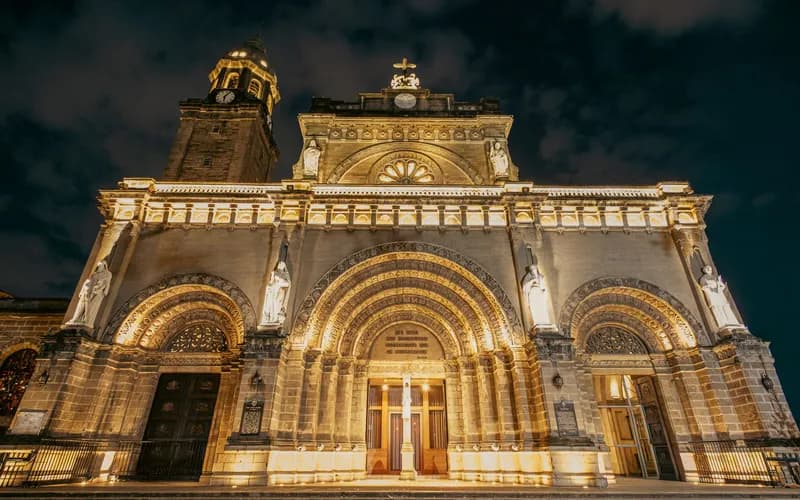
The reason many travellers come to Ilocos Norte is the church of Saint Augustine in Paoay, completed in the late eighteenth century and widely known as an example of what is called Earthquake Baroque: enormous buttresses on the side walls, built to keep the building standing when the ground shakes. It is part of the group of Baroque Churches of the Philippines inscribed by UNESCO. Go early, before tour groups arrive, and walk around the outside first. The detached bell tower, built from coral stone, and the heavy brick-and-lime texture of the facade are the real story.
Nearby, Paoay Lake offers a quiet shoreline and some low-key places to eat. A short drive away is the so-called Malacanang of the North, a mansion associated with the Marcos family and now run as a museum. It is worth visiting if you want to understand how the region's political history shapes the way locals talk about the province today, but go expecting a curated version of events and read widely before and after.
Batac, the next town, is about food. Its riverside stalls sell the Ilocos empanada: a crisp orange rice-flour shell filled with shredded green papaya, mung beans, egg and a sausage called longganisa. Eat one hot, standing up, with a splash of sukang Iloko, the local sugarcane vinegar. If you are lucky enough to see the vinegar fermenting in earthen jars somewhere along the road, stop. It is a living craft, not a staged one.
Get matched with up to 5 trusted Philippines agencies
- Free
- No obligation
- Up to 5 agencies
Laoag: the practical heart
Laoag does not try to impress, and that is its charm. Use it as a place to rest, shop for supplies and eat well. The Sinking Bell Tower, a large Spanish-era structure that has settled into the ground over time, is a short stop. The city cathedral and its plaza are pleasant in the early evening, when families gather and the heat eases.
The market is where you should spend your time. Look for bagnet, the twice-cooked pork that Ilocanos treat as a point of pride, and pinakbet, the vegetable stew seasoned with fermented fish paste. If you are travelling with children or are cautious about spice and fat, ask for plain grilled fish and local rice instead. Locals are used to the question.
If you need to organise transport, a driver can be hired by the day in Laoag at rates that vary by season and negotiation. Agree on the route, the hours and the fuel arrangement before you start. If you would rather have someone handle the logistics, our overview of vetted local travel agencies in the Philippines is a reasonable starting point.
The northern coast: Pasuquin, Bangui, Burgos and Pagudpud
North of Laoag, the road bends along the coast and the pace slows further. Pasuquin is known for traditional salt-making and for biscocho, a crisp twice-baked bread. Small salt beds near the shore are sometimes open to visitors for a small donation, usually quoted around twenty pesos; the workers are there to work, not to perform, so keep your distance and ask before taking photos.
Bangui is famous for its wind farm, a line of twenty turbines strung along the beach, each rated at around 1.65 megawatts. They look best early in the morning or at sunset, when the light picks out the blades and the beach is empty. It is a photographic stop, not an all-day one. Pair it with a walk on the sand and a coffee in town.
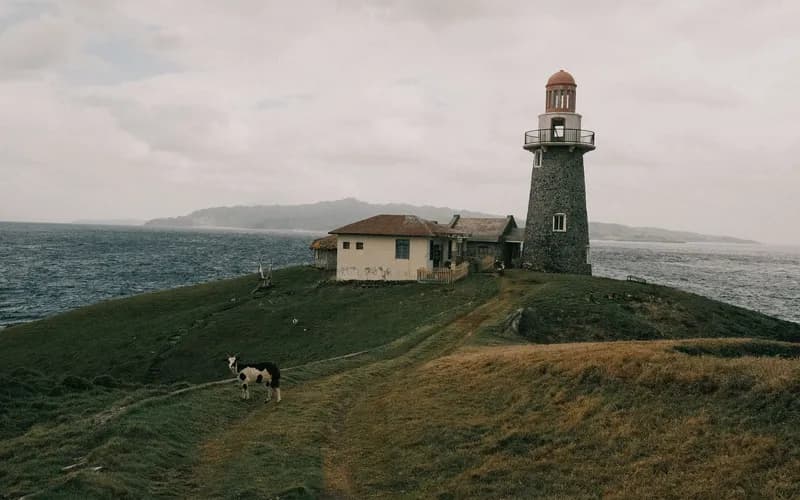
Further on is Burgos, where the Cape Bojeador Lighthouse stands on a hill above the sea. Built during the Spanish period and first lit in 1892, it is an elegant octagonal tower, with a view along the coast that is reason enough to climb the road. Entrance has been quoted at a token ten pesos, with a similar sum for the short tricycle ride up. Nearby, the Kapurpurawan rock formation is a pale, wind-sculpted limestone headland reached by a short walk or a pony ride; again, fees are small and set locally.
Pagudpud closes the journey. The Patapat Viaduct, one of the longest bridges in the country, curves along a cliff on the final approach. Saud Beach is the long stretch of pale sand most visitors know, and there are smaller coves nearby. This is a place to swim, read and do very little. Between June and October, however, the sea can be rough and the weather unpredictable, which brings us to timing.
When to go, and what to expect from the weather
The driest and most comfortable months for Ilocos Norte are generally from November to April, with the coolest air around December and January. March to May turns hot and dusty, but the beaches are at their best. From roughly June to October, the southwest monsoon and the typhoon belt can bring heavy rain, strong surf and the occasional road closure. The northern tip of Luzon sits directly in the track of many typhoons, so build slack into your schedule.
If you are travelling in that window, our guide on how to travel the Philippines around typhoon season explains how to hold flexible bookings and what to monitor. Check local weather advisories, and ask your accommodation about road conditions on the Patapat stretch before you set out.
Heat is the other constant. Dry-season afternoons are strong, so do your outdoor stops early or late. A light, breathable wardrobe, a hat and a refillable bottle matter more than any gadget.
A slow six-day shape
Here is one way to organise a stay without rushing:
- Day one: arrive in Laoag, walk the plaza, eat in the market, sleep early.
- Day two: Paoay church at opening time, a lake-side lunch, an afternoon in Batac for empanada and a tour of local craftwork.
- Day three: a rest morning, then a slow drive north to Pasuquin for salt and biscocho, ending in Bangui for the turbines at sunset.
- Day four: Burgos for the lighthouse and Kapurpurawan in the morning; continue to Pagudpud in the afternoon.
- Days five and six: stay put in Pagudpud. Walk the beach, take a short boat or tricycle outing if you like, and use the slack for weather.
If you want a broader frame for pairing Ilocos with less-visited places elsewhere, the Philippines hidden gems guide is a good companion read.
What to Do Next
- Decide whether you will fly to Laoag or take the bus, and price both once you know your dates.
- Pick one base for the first half and one for the second; resist the urge to split further.
- Check the season. If you are travelling between June and October, keep bookings flexible.
- Hire a driver or confirm your scooter licence and insurance before you arrive, and fix the day rate in writing.
- Leave at least one empty afternoon for weather, a long meal or a slow walk.
- When you are ready to turn this into a real plan, use our plan your journey page.
Frequently Asked Questions
How many days do I need in Ilocos Norte?
Four to six days is the sweet spot. Three days is enough for a taste if you base in Laoag and make day trips, but you will spend a lot of it in a vehicle. Anything more than six is easy to fill if you enjoy beaches and cooking, but not essential for the main sights.
Is Ilocos Norte better visited with a car and driver or by public transport?
A hired driver is far more efficient for the northern coast, because the sights are spread along a long road and local buses are infrequent between them. Public transport and tricycles work well within Laoag, Paoay and Batac. If you are experienced and licensed, a scooter is possible, but the road to Pagudpud is busy and weather can change fast.
What is the best time of year to visit?
November to April is generally the most reliable window, with the cooler months of December and January the most comfortable for sightseeing. March to May is hotter but good for beaches. June to October brings rain, rougher seas and typhoon risk, so flexibility matters.
Are the entrance fees expensive?
No. Most sights, from the lighthouse to the rock formations to the salt beds, quote small fees in the range of ten to a few hundred pesos, depending on whether you add an ATV ride or guide. Prices change, so treat any figure you read, including these, as a guide and confirm locally.
What should I eat in Ilocos Norte?
Try Batac empanada, bagnet, pinakbet and igado, and have biscocho from Pasuquin as a snack. Ask for sukang Iloko, the local vinegar, as a dip. If you prefer lighter food, grilled fish and vegetables are easy to find.
Is the region safe for solo travellers?
Ilocos Norte is generally considered relaxed and welcoming, and many solo travellers find it easy. The usual common sense applies: keep valuables out of sight, agree prices in advance and avoid rough surf. Check current advisories for weather and road conditions before travelling.
Can I combine Ilocos Norte with Vigan?
Yes. Vigan lies south in Ilocos Sur and is roughly two hours from Laoag by bus. Many travellers pair the two, but it is worth giving each its own nights rather than treating either as a day trip.