Coron and Busuanga Slowly: Lakes, Wrecks and the Quiet Calamian Islands
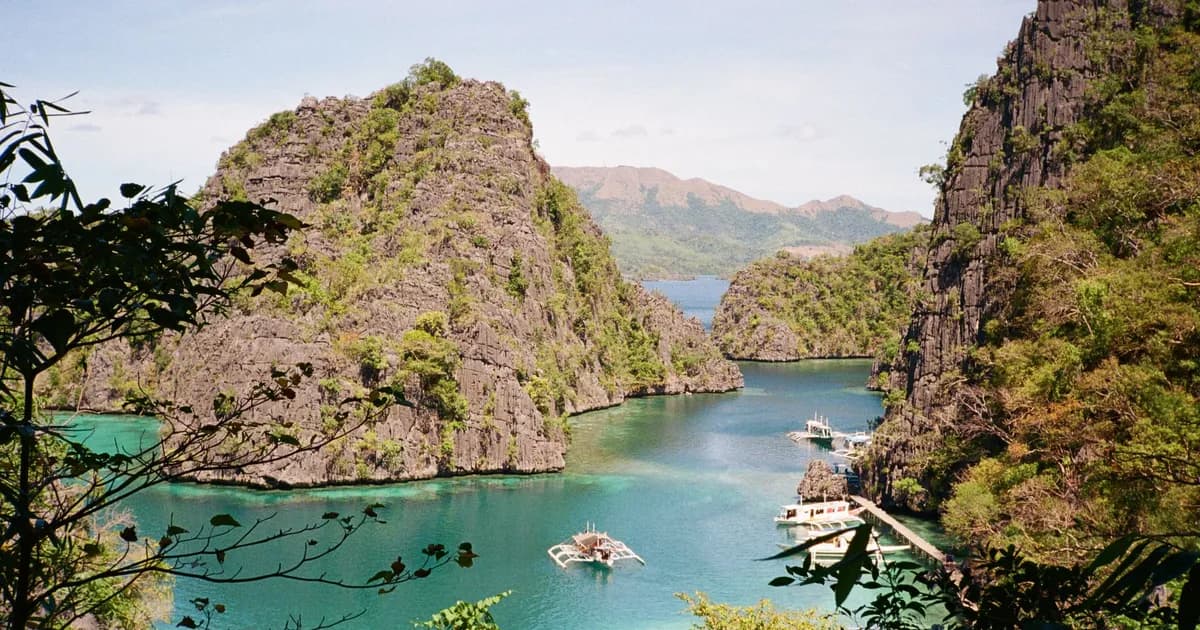
Coron has a reputation problem. Most visitors know it as a single, very good day on a boat: two lakes, a lagoon, a wreck, lunch on a beach, back to the pier by four. That day is real, and it is worth doing. But it is perhaps a fifth of what the Calamian Islands in northern Palawan actually offer, and the people who stay longer tend to leave talking about everything else: the long empty road across Busuanga, the leprosy-colony history of Culion, the hot spring at dusk, the dive sites that sit quietly under the water whether or not anyone is looking.
This is a guide to Coron and Busuanga at a walking pace. It is built around three or four nights, one or two boat days rather than five, and a good deal of unhurried time on land. It also reflects a real change in 2026: flights to Busuanga no longer leave from Manila's main airport, which alters how you arrive. We cover that below, and in more detail in our piece on the NAIA terminal changes and the turboprop move to Clark.
Understanding the geography before you book
The Calamian group sits between the main island of Palawan and Mindoro, and three islands matter to most travellers. Busuanga is the large one, with the airport, the highway and most of the land. Coron Island is the steep limestone one just offshore, and it is not where the town is: Coron town itself sits on the southern edge of Busuanga, facing the island across a strait. Culion lies to the south and east, reached by boat or a long road-and-ferry combination.
This matters because many first-timers book a "Coron Island" stay and are surprised to find that the town is a working harbour with tricycles and a busy waterfront, not a beach resort. That is not a flaw. It is why Coron is one of the more livable bases in Palawan: there are real shops, real markets, a handful of excellent small restaurants and a population that does not depend entirely on visitors. If you want sand outside your door, you stay in a resort along the Busuanga coast. If you want to eat well and wander, you stay in town.
One request. Up to five tailored proposals.
Skip contacting agencies one by one — share your trip once and let up to five trusted Philippines agencies come to you. Free, with no obligation.
Get my free quotesThe classic boat day, done sensibly
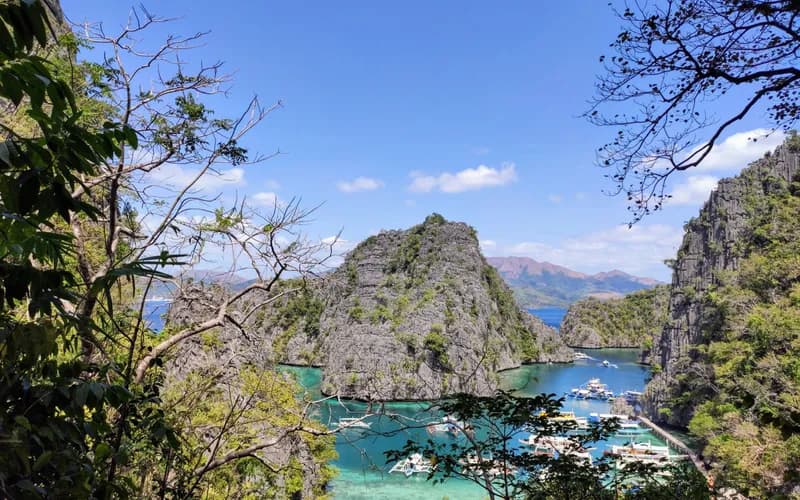
Do the famous circuit once, and do it well. As of mid-2026, joiner (shared boat) rates quoted by Philippine travel site Suroy were around ₱1,200 for the shorter Island Tour A, which covers Kayangan Lake, Twin Lagoon, a coral garden and a beach, and around ₱1,700 for the longer Ultimate Tour, which adds sites such as Barracuda Lake, Banol Beach, the Skeleton Wreck and CYC Beach. Some of these sites charge separate entrance or environmental fees, often in the ₱100 to ₱200 range, so ask whether the quoted price includes them.
A few honest notes on choosing:
- The Ultimate Tour is the better value if it is your only boat day, but it is long and pays for itself in snorkelling time, not comfort.
- Barracuda Lake is known for its thermoclines, where the water temperature shifts sharply with depth. It is a strange and memorable swim, but it is also one of the busiest stops. Go in the first wave or not at all.
- Kayangan Lake is the postcard view. Arrive early, climb the short stairway to the lookout, and then go and swim somewhere quieter.
- Coron Island is part of the ancestral domain of the Tagbanwa people, and access to many sites is managed with their involvement. Follow the rules at each site, hire local guides where required, and treat the fees as the cost of access, not a tourist trap.
Private boat charters are the other option. Local boat associations post rates; expect them to be several times the joiner price, shared among however many people you are travelling with. For a group of four, a private boat can work out similar per person and lets you start before the crowd and linger where you like.
The wrecks and the water
Coron is one of the better-known wreck-diving destinations in Asia, thanks to a group of Japanese supply ships sunk by US aircraft in September 1944. Several lie at recreational depths, and a few are shallow enough to snorkel. If you dive, a two-tank wreck outing was roughly ₱3,500 to ₱5,500 in mid-2026 according to the same Suroy price check; budget for it separately from your boat days. For a broader look at how Philippine dive sites are being managed, see our analysis of the diving renaissance and reef conservation.
If you do not dive, the Skeleton Wreck is the easy introduction: it lies close to shore and can be seen on snorkel. Choose a calm morning, bring your own mask if you can, and keep fins off the structure. Wrecks are fragile, and a century of slow growth is easily broken by one careless kick.
Get matched with up to 5 trusted Philippines agencies
- Free
- No obligation
- Up to 5 agencies
Maquinit Hot Spring and the unhurried town
Back on land, the single best slow-travel hour in Coron is the late afternoon at Maquinit Hot Spring, a saltwater spring fed by volcanic heat and set beside the sea. It is a short tricycle ride from town. A tricycle was quoted at about ₱100 to ₱150 per vehicle in recent local transport notes, but fares are negotiated, there are no meters, and prices differ by season. Agree before you climb in.
The other town ritual is the climb up Mount Tapyas, which has more than 700 steps and rewards you with a view over the bay. Go before sunrise or in the last hour of light, and carry water. After that, spend the evening along the waterfront or in the small restaurants a few streets back, where grilled fish and fresh seafood are priced for locals. Our Filipino food guide explains how to read a menu and what to order.
Busuanga beyond the pier: Calauit, Culion and the north
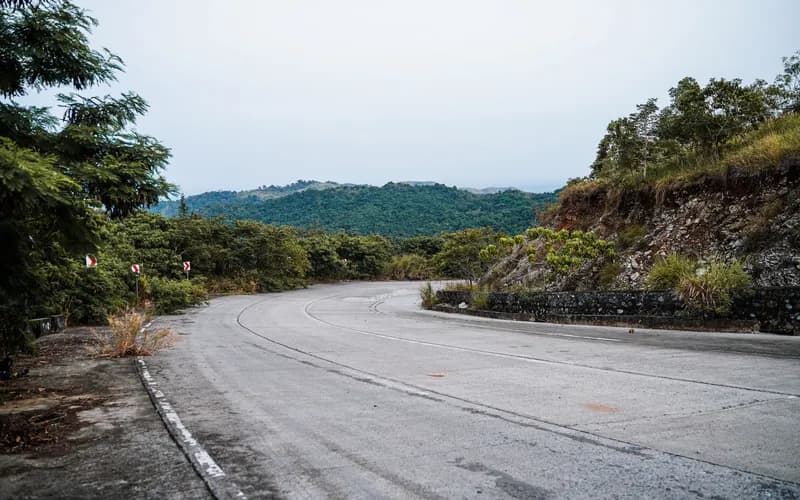
The reason to stay a fourth day is Busuanga itself. The main road north from Coron is paved, and a semi-automatic scooter rents for roughly ₱500 to ₱800 a day, with helmets provided and a passport or cash deposit usually requested. Fuel is available in town and along the north road but can be scarce in remote areas, so fill up before you leave. Secondary roads are often unpaved and turn to mud after rain. If you are not confident on a scooter, hire a van and driver for the day instead; our note on driving rules for visitors covers licences and the legal side.
Two destinations stand out:
- Calauit Safari Park. Established in the 1970s, it holds African animals such as giraffes and zebras alongside native wildlife, and is also a protected area. The day trip typically costs about ₱2,700 by boat tour in 2026, plus a ₱100 environmental fee, and takes several hours by road if you go independently. Treat it as a curiosity with a complicated history rather than a wildlife safari, and keep expectations modest.
- Culion. Once the site of the world's largest leper colony, Culion has a museum and archive, an old Spanish-era church and a quiet, dignified island atmosphere that most day-trippers never see. Ask locally about boat connections and give it a full day. It is the single most moving stop in the Calamians, and it rewards patience.
The quiet bays of northern Busuanga, with names that do not appear on the standard tour menu, are best reached with a local boat owner. Ask your guesthouse rather than a booking app; the answer is usually more honest.
When to go and how to get there
The driest, calmest months are roughly November to May, with April and May hot. The wet season brings squalls from about June to November, and typhoon-related cancellations of boats and flights are part of life. Our guide to travelling the Philippines around typhoon season shows how to build in buffer days.
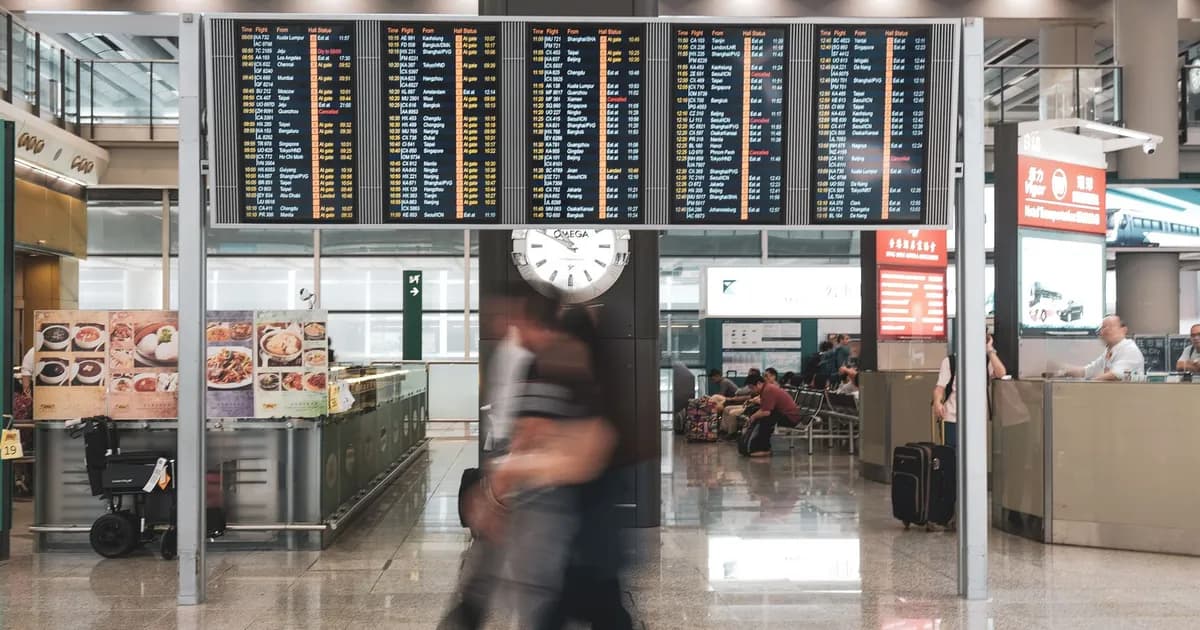
Getting there has changed. Since 29 March 2026, flights from Manila's main airport (NAIA) to Busuanga have stopped; services now operate from Clark, and Cebu also connects. Return fares from Clark were quoted at about ₱1,500 to ₱4,000 in mid-2026. The airport sits roughly 30 kilometres from Coron town, a shared van runs about ₱150 to ₱250 per seat, and a private transfer costs more. The fast ferry from El Nido takes about 3.5 to 4 hours, and an overnight ferry from Manila exists but is long, at 12 to 14 hours.
Money, cash and costs
Cash is king in Coron. ATMs in town can run dry, especially at weekends and during fiestas, so arrive with pesos and withdraw when you can. Cards are accepted at larger resorts, but not on the boat or at most small restaurants. See our guide to money in the Philippines.
Rough mid-2026 prices:
- Dorm bed: ₱350 to ₱700
- Mid-range private room with air conditioning: ₱1,800 to ₱3,500
- Resort room: ₱4,000 to ₱8,000, mostly outside town
- Meals: ₱500 to ₱2,000 a day, depending on how local you eat
Prices move, so treat them as a guide and confirm before booking.
What to Do Next
- Choose four nights, not two. Book the first and last with a flexible cancellation policy.
- Check your flight route: Clark or Cebu to Busuanga, not Manila's main airport. Confirm the terminal with your airline.
- Book one boat day, either the Ultimate Tour or a private boat, and leave a second day free for weather.
- Plan one day for Busuanga by scooter or van: Calauit, or a slow drive north.
- Keep a half day for Culion if you can reach it.
- Carry enough cash for tours, fees, tricycles and meals before leaving town.
- Use our journey planner to fit Coron into a wider route.
Frequently Asked Questions
How many days do I need in Coron?
Three nights is the minimum to see the main boat circuit and the town without rushing. Four or five nights lets you add Busuanga, Culion and a spare weather day, which is the version we recommend.
Is Coron town or a resort better as a base?
Town suits travellers who want restaurants, markets and transport at hand. Resorts along the Busuanga coast suit those who want quiet and a beach, but you will rely on boats and vans for everything else.
Can I still fly from Manila to Coron?
Not from Manila's main airport. Since 29 March 2026, the Busuanga flights moved to Clark, and you can also connect via Cebu. Check with your airline and allow time for the transfer between Manila and Clark.
Do I need cash in Coron?
Yes. Tours, entrance fees, tricycles and most small restaurants are cash-based, and ATMs can run empty. Carry enough pesos for your plan.
Is a scooter safe on Busuanga?
The main road north is paved, but side roads can be muddy and fuel can be scarce. Only ride if you are experienced and licensed, wear the helmet and avoid riding after dark.
Is Coron suitable for non-divers?
Absolutely. Snorkelling, the lakes, the hot spring, Mount Tapyas and Culion all work without any diving, and a joiner boat tour needs no experience.
Does the Tagbanwa community benefit from tourism?
Many sites on Coron Island are managed with the Tagbanwa community, and entrance fees are part of that arrangement. Pay the fees, follow the guides, and respect closed areas.