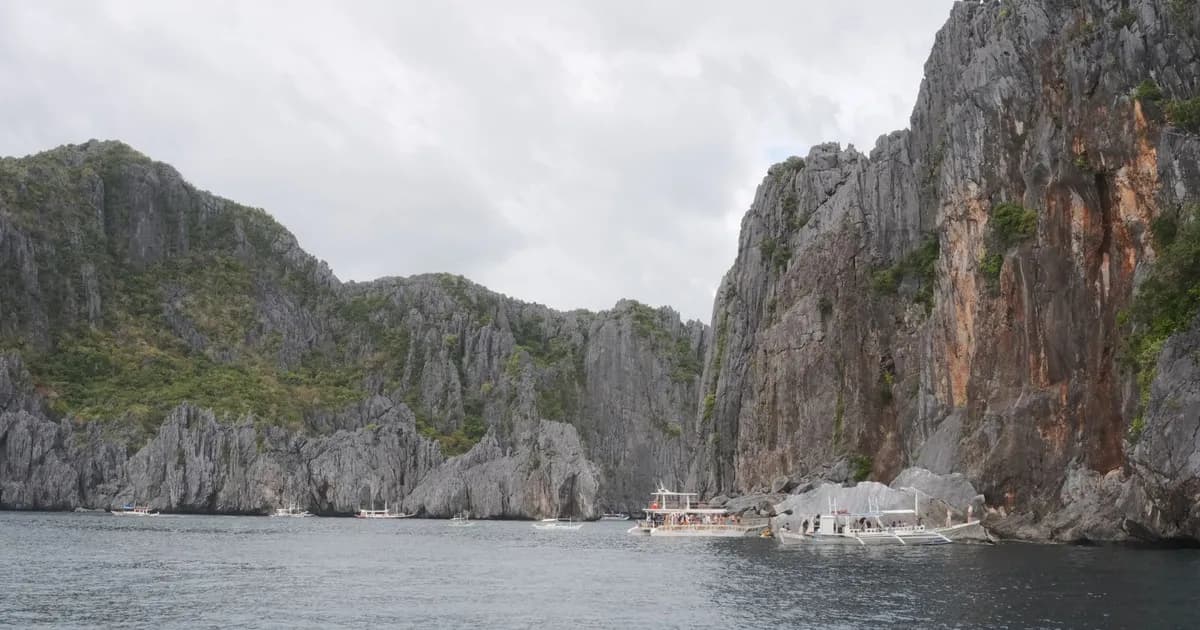
Iloilo and Guimaras Slowly: Heritage Streets, Batchoy and Mango Island
Most travellers pass through Panay on their way to Boracay, eyes fixed on the northern tip of the island. Very few turn south to Iloilo City, and fewer still take the fifteen-minute boat across the strait to Guimaras. That is their loss. Iloilo is one of the most rewarding cities in the Philippines to walk, eat and linger in, and Guimaras is the rare island that asks almost nothing of you except that you slow down. Together they make a near-perfect week for a traveller who prefers depth to distance.
This is a place-by-place guide to spending that week well: where to base yourself, what to eat and where, how to get across to Guimaras, which day trips are worth the road time, and the honest caveats about heat, festivals and power that you should know before you go.
Why Iloilo Rewards the Slow Traveller
Iloilo was once one of the richest cities in Asia. When its port opened to international trade in the mid-nineteenth century, sugar from neighbouring Negros and Panay flowed out through the Iloilo River, and the families who controlled that trade built mansions, commercial streets and churches that still define the city. The money moved on in the twentieth century, as Cebu and Manila grew, and that relative decline is precisely what preserved so much of the old fabric.
Today Iloilo is a city of around half a million people that feels considerably calmer than Cebu or Manila. Traffic exists, but it rarely paralyses. Jeepneys still run fixed routes, ride-hailing works across the city, and the flat terrain means that many of the best neighbourhoods are walkable in the early morning or late afternoon. In 2023 UNESCO named Iloilo a Creative City of Gastronomy, the first and so far only Philippine city with that title, which tells you how locals think about their food.
For slow travellers, the appeal is that Iloilo is a city you inhabit rather than tour. There is no single headline sight that justifies the trip. Instead there are districts, markets, churches and riverside walks that reveal themselves over several unhurried days, and an island next door for when you want sea air.
One request. Up to five tailored proposals.
Skip contacting agencies one by one — share your trip once and let up to five trusted Philippines agencies come to you. Free, with no obligation.
Get my free quotesWalking the Old City: Calle Real, Molo and Jaro
Start in the old commercial heart around Calle Real, the stretch of J.M. Basa and Iznart streets lined with early twentieth-century buildings, many restored in recent years with their ornate facades, arched windows and old shop signs. Walk it early, before the heat and the shoppers arrive, and look up: the upper storeys hold most of the detail. The restoration work here is part of a wider movement we explore in the Philippines' heritage-town revival, and Iloilo is one of its most convincing examples.
From the centre, the district of Molo lies a short ride west. Its church of Saint Anne, built of coral stone in a Gothic-Renaissance style, is known locally for the rows of female saints that line its nave, and the plaza in front is one of the city's most pleasant places to sit in the late afternoon. Molo also gave its name to pancit Molo, a gentle dumpling soup that you will find across the country but which tastes best here.
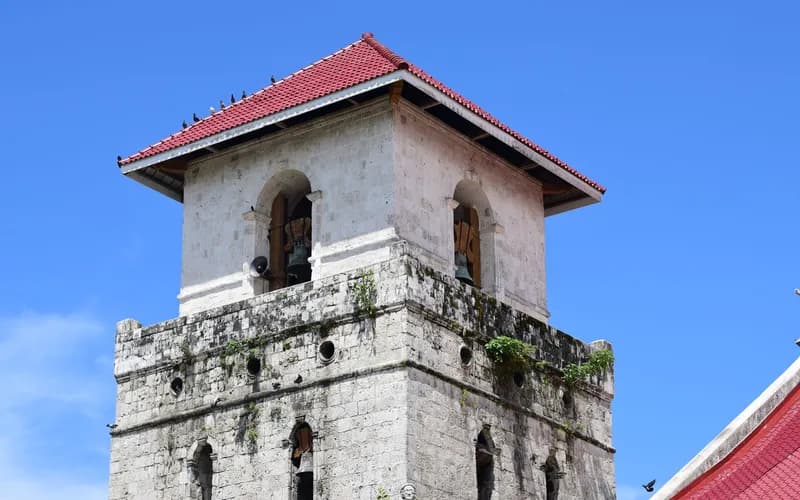
Jaro, to the north, is the old seat of the archdiocese and the district of the grand sugar-era houses. The cathedral, whose bell tower stands on the opposite side of the road from the church itself, hosts the Feast of Our Lady of the Candles every 2 February, one of the most important religious festivals in the Visayas. Around it are ancestral houses in varying states of care, some open to visitors by arrangement, others simply admired from the street. Take your time: Jaro is a place to wander rather than tick off.
The Iloilo River Esplanade and Everyday City Life
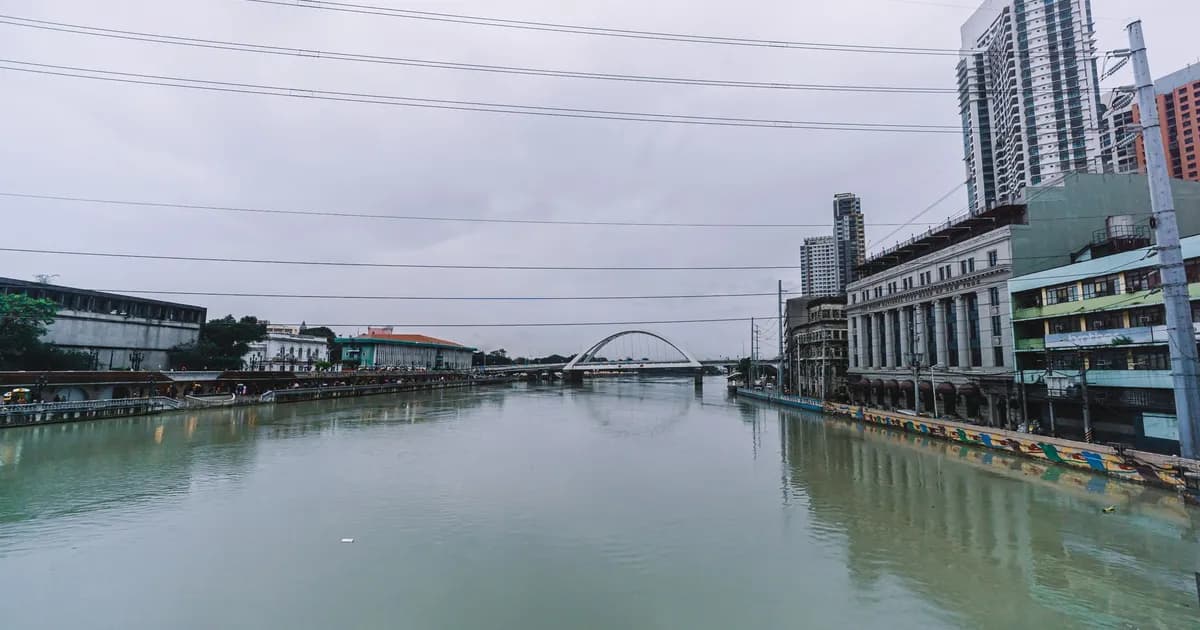
The single best thing the city has done for walkers in recent decades is the Iloilo River Esplanade, a long, landscaped promenade running along the riverbank through several districts. At dawn it fills with joggers, walkers and families; at dusk the light turns gold over the water and the mangroves. It is free, safe and gives you a real sense of how residents use their city.
Beyond the esplanade, the rhythm of daily life is easy to join. Sit in a panaderia for pan de sal in the morning, join office workers at a carinderia at lunch, and take a jeepney simply to see where it goes. Iloilo people speak Hiligaynon, often described as one of the gentlest-sounding languages in the country, and English is widely understood. A few words of Hiligaynon, starting with "salamat" for thank you, go a long way.
Get matched with up to 5 trusted Philippines agencies
- Free
- No obligation
- Up to 5 agencies
Eating Your Way Through the City of Gastronomy
Food is the reason many Filipinos visit Iloilo, and it should be one of yours. The essential dish is La Paz batchoy, a rich noodle soup of pork broth, offal, crushed chicharrón and garlic, born in the La Paz public market and still best eaten at one of the long-running stalls there. Go in the morning, sit at the counter and order it with a bread roll to dunk. The market also houses a decades-old coffee counter where regulars have been meeting for generations, and it is worth lingering over a cup to watch the market wake up.
Other dishes to seek out include KBL, a sour-savoury soup of kadyos beans, pork and unripe jackfruit that is the definitive Ilonggo comfort food; chicken inasal, grilled over charcoal and basted with annatto oil; and fresh seafood in the district of Arevalo, where waterfront restaurants grill fish, prawns and scallops by the kilo. For sweets and pasalubong, look for biscocho, butterscotch bars and piaya, the flat sugar-filled bread that is shared with neighbouring Negros.
If you want to understand the wider context of these dishes and how they fit into the country's regional cuisines, our slow traveller's guide to Filipino food is a useful companion. In Iloilo itself, the best advice is simple: eat where it is busy, eat early, and ask the person at the next table what they recommend.
Crossing to Guimaras, the Mango Island
Guimaras sits just across the Iloilo Strait, and getting there is one of the pleasures of the region. Small motorised outriggers, known as pumpboats, leave frequently through the day from the Parola and Ortiz wharves in Iloilo City to Jordan on Guimaras, and the crossing takes roughly fifteen to twenty minutes. The fare is modest and paid at the terminal. A separate roll-on, roll-off service carries vehicles to Buenavista on the island's north.
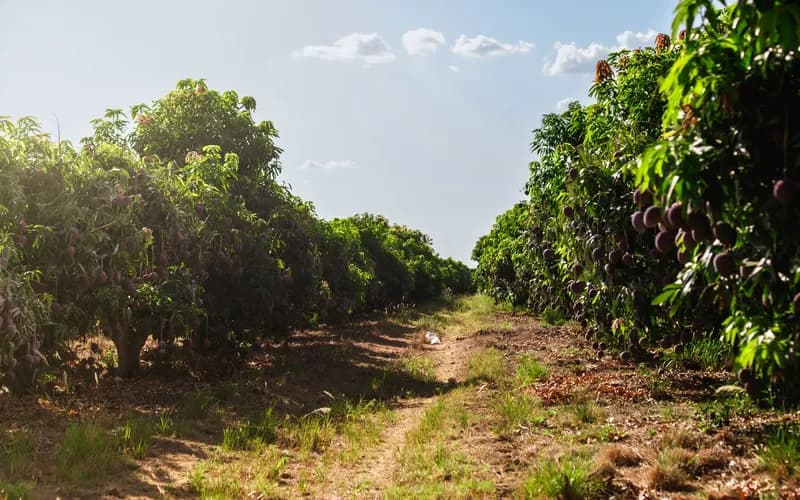
Guimaras is famous for its mangoes, which many Filipinos consider the sweetest in the country. The province takes this seriously: it enforces a quarantine that prohibits bringing mangoes and mango planting material onto the island from elsewhere, to protect its orchards from pests. You may have your bags checked at the port. The harvest peaks around April and May, when the Manggahan Festival celebrates the fruit, but mango products, from dried slices to jams and pastries, are available year-round.
Once on the island, the pace drops immediately. Hire a tricycle or a driver for the day, or stay a few nights and explore gently. A Trappist monastery near Jordan sells mango products made by the monks. In the south, around Nueva Valencia, small islands and coves offer calm swimming and simple beach resorts, and the ruins of a Spanish-era lighthouse stand on a headland at Guisi. Guimaras is not a place of big sights; it is a place of quiet roads, orchards, fishing villages and early nights.
Day Trips Worth the Road Time
Iloilo Province is large, and not every excursion justifies the hours in a van. Three stand out.
The first is Miagao, about forty kilometres south of the city. Its church of Santo Tomás de Villanueva, completed in the late eighteenth century, is part of the UNESCO-listed Baroque Churches of the Philippines, and its extraordinary facade, carved with a coconut tree and local plants alongside religious figures, is one of the great works of colonial-era Filipino craftsmanship. Miagao is also known for hablon, a handwoven textile; ask locally about weaving cooperatives that welcome visitors.
The second is the coastal road through the southern towns of Guimbal, Tigbauan and San Joaquin, which rewards a slow drive with old churches, seaside plazas and small fishing communities. Combine it with Miagao for a full, unhurried day.
The third, for those with more time, is the Islas de Gigantes off Carles in the far north of the province. Reaching them means several hours by road and then a boat, so it only makes sense as an overnight or two-night trip, but the limestone islets, lagoons and fresh scallops reward the effort. Check sea conditions before committing, particularly outside the dry season.
Pairing Iloilo With Negros and the Wider Visayas
Iloilo sits at a natural crossroads. Fast ferries connect the city to Bacolod on Negros in around an hour, which makes a combined itinerary easy: a week in Iloilo and Guimaras, then onward to the sugar country, volcano slopes and quiet coasts we describe in our guide to Negros Island at a slow pace. From Iloilo you can also reach Boracay by road and boat in around five to six hours, or fly onward from Iloilo International Airport, which lies in Cabatuan, roughly forty-five minutes to an hour from the city.
The key is not to overload the plan. Two or three bases across a fortnight is plenty, and every sea crossing deserves a buffer day in case of weather. Our advice on island-hopping the Philippines slowly applies directly here: fewer moves, longer stays, and never a same-day connection to an international flight after a boat.
When to Go and What to Watch For
The driest and most comfortable months are roughly December to May, with March to May the hottest. The southwest monsoon brings more rain from about June to October, and typhoons can affect the Western Visayas in the second half of the year, occasionally suspending ferry crossings for a day or two. Plan flexibly if you travel then.
Two festivals shape the calendar. Dinagyang, held on the fourth weekend of January, is one of the country's biggest street festivals, spectacular but crowded, with accommodation booked out and prices raised. The Paraw Regatta, a traditional sailboat race off the Arevalo coast usually held in February, is quieter and wonderfully photogenic. If you prefer calm, avoid Dinagyang weekend or book very early.
A final caveat concerns electricity. The Visayas grid has been under strain in 2026, and parts of Panay have experienced rotating brownouts. Iloilo City's larger hotels have generators, but smaller guesthouses and Guimaras resorts may not. Ask before you book, keep a power bank charged, and treat an occasional outage as part of island life.
Where to Stay and How Long
Base yourself in Iloilo City for at least four nights, ideally in or near the older districts or along the river, where you can walk to breakfast and the esplanade. Then spend two or three nights on Guimaras, preferably in a small resort in the south or a guesthouse near the orchards. If you add Miagao and the southern coast as a day trip and Gigantes as an overnight excursion, a relaxed week easily becomes ten days.
Budget-wise, Iloilo remains good value compared with Cebu or Boracay. Comfortable mid-range hotels, excellent street food and cheap local transport mean that your money goes further here, and much of it stays with family-run businesses.
What to Do Next
- Decide your season: December to May for dry weather, or late January if you want Dinagyang and are prepared to book early.
- Plan at least four nights in Iloilo City and two or three on Guimaras, with a buffer day before any onward flight.
- Map your food priorities, starting with La Paz batchoy at the market, KBL, and a seafood evening in Arevalo.
- Check the latest boat schedules at the Parola and Ortiz wharves on arrival, and remember not to carry mangoes onto Guimaras.
- Use our plan your journey page to connect Iloilo with Negros or other Visayan islands in a realistic, unhurried itinerary.
Frequently Asked Questions
How many days do I need in Iloilo and Guimaras?
A week is ideal: four nights in Iloilo City to explore the heritage districts, markets and food scene, and two or three nights on Guimaras. With day trips to Miagao and an overnight at the Islas de Gigantes, ten days is comfortable.
How do I get from Iloilo City to Guimaras?
Pumpboats run frequently from the Parola and Ortiz wharves in Iloilo City to Jordan on Guimaras, taking roughly fifteen to twenty minutes. A roll-on, roll-off ferry serves Buenavista for vehicles. Services pause in rough weather, so check conditions if a storm is forecast.
Can I bring mangoes to Guimaras?
No. Guimaras enforces a quarantine that bans bringing mangoes and mango planting material onto the island from elsewhere, to protect its orchards. You can freely buy and take Guimaras mangoes and mango products out with you.
Is Iloilo City walkable?
Largely, yes. The city is flat, and districts such as Calle Real, Molo and parts of Jaro are pleasant on foot in the early morning or late afternoon. For longer distances, jeepneys and ride-hailing are inexpensive and widely available.
What is the best time to visit Iloilo?
December to May is the driest period. Late January brings the Dinagyang Festival, which is spectacular but crowded. From roughly June to October, expect more rain and occasional typhoon disruption to ferries.
Is Miagao Church worth the trip?
Yes. Its carved facade is one of the finest examples of Philippine baroque, and it is part of a UNESCO World Heritage listing. Combine it with the southern coastal towns for a full, unhurried day out of the city.