The Philippines' Farm-Tourism Boom: How Rural Stays Are Reshaping Travel in 2026
The Philippines is famous for its beaches and its islands, but in 2026 one of the most interesting stories in Filipino travel is happening inland, on its farms. Across the country, from the cool highlands of the Cordillera to the coconut lands of the south, a fast-growing movement of farm tourism is turning working farms into places to stay, eat and learn, and it is being backed by an ambitious national plan. For the slow traveller, this is one of the most encouraging developments in the region, because farm tourism is slow travel almost by definition: rooted, unhurried and deeply connected to place. Understanding it opens up a very different side of the Philippines from the one on the postcards.
This is not a fringe trend but a strategic national priority. The government has thrown its weight behind farm and gastronomy tourism as a way to revitalise rural areas, support farmers and spread the benefits of tourism far beyond the famous islands. It is a rare case where a government initiative and the instincts of the thoughtful traveller point in exactly the same direction.
What farm tourism actually means
Farm tourism, or agritourism, means travel that centres on working farms and rural life. In practice it spans a wide range of experiences: staying overnight in a farm stay, joining a harvest, learning to plant rice or tend animals, dining farm-to-table on food grown metres from your plate, and taking part in educational tours and eco-adventures in the countryside. Rather than observing rural life from a passing vehicle, you step into it, if only for a day or two, and that participation is the whole point.
What distinguishes it from a simple rural guesthouse is the connection to the land and its produce. The farm is both the setting and the substance of the experience, and the appeal lies in understanding where food comes from, meeting the people who grow it, and slowing to the rhythm of agricultural life. It is a form of travel built around depth and place rather than sights and speed, which is precisely why it resonates so strongly with the slow-travel ethos of our charter.
One request. Up to five tailored proposals.
Skip contacting agencies one by one — share your trip once and let up to five trusted Philippines agencies come to you. Free, with no obligation.
Get my free quotesWhy it is booming now
The farm-tourism boom is being driven by deliberate national strategy. In early 2026 the government launched a multi-year Farm Tourism Strategic Action Plan, a six-year roadmap running to 2031, bringing together the tourism, agriculture and trade departments with the private sector to expand farm and gastronomy tourism across the country. Alongside it, a growing number of farms have been officially accredited as farm-tourism sites, giving the movement structure and quality assurance.
The momentum is real and measurable. Farm stays have become one of the fastest-growing sectors in Philippine domestic tourism, and the government explicitly aims to position the country as a leading farm and gastronomy destination in Asia. This institutional backing is what turns a scattering of individual farm stays into a genuine national movement with staying power, and it means the choice and quality of farm-tourism experiences will only grow in the coming years.
Why it matters for rural communities
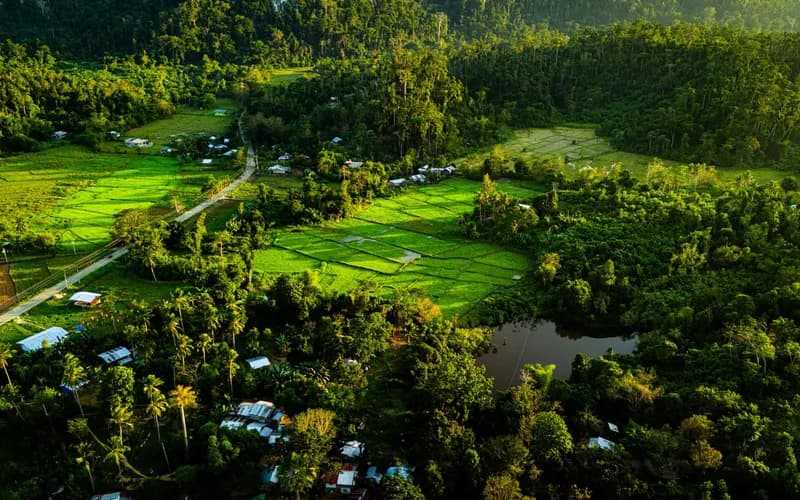
The appeal of farm tourism is not only experiential; it is deeply practical for the places that host it. The whole point of the national strategy is to create stable income streams for Filipino farmers and to revitalise rural communities, spreading the economic benefits of tourism to areas that the beach-and-island economy has largely bypassed. Farm stays are explicitly designed to deliver inclusive growth, directly benefiting rural women and indigenous communities among others.
This is what makes farm tourism such a compelling proposition for the conscientious traveller. When you stay on a farm, your money supports agriculture and rural livelihoods directly, gives farming families a reason to keep working the land, and helps sustain rural culture and landscapes. It is a model in which the most rewarding way to travel is also one of the most beneficial, aligning the visitor's experience with the host community's wellbeing in a way that mass tourism rarely does.
Get matched with up to 5 trusted Philippines agencies
- Free
- No obligation
- Up to 5 agencies
Where farm tourism thrives
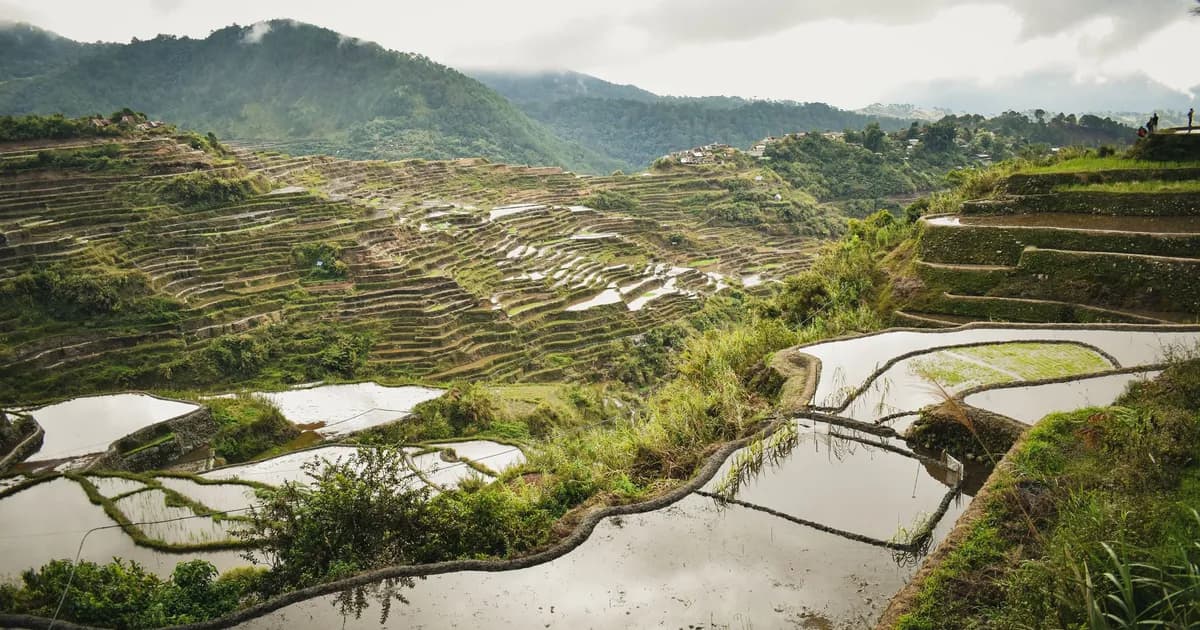
Farm tourism is spreading across the archipelago, but some regions are natural leaders. The cool highlands around Baguio and the Cordillera, with their temperate climate and long agricultural heritage, have become a heartland of the movement, home to strawberry farms, vegetable terraces and highland stays. This is the same upland region whose spectacular scenery we explore in our guide to Sagada and the Banaue rice terraces, where farming and landscape are inseparable.
Beyond the highlands, farm stays and agritourism sites are appearing across Luzon, the Visayas and Mindanao, spanning coffee farms, coconut plantations, cacao estates and organic vegetable farms. This geographic spread is part of the appeal, allowing travellers to weave a farm stay into almost any regional itinerary and to experience the astonishing agricultural diversity of the country, from mountain vegetables to tropical fruit.
The gastronomy connection
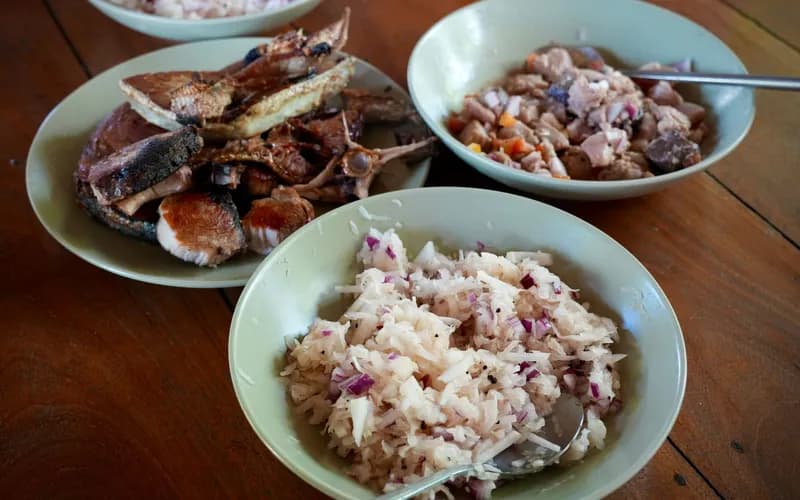
A crucial dimension of the boom is its link to food. The national push is explicitly about farm and gastronomy tourism together, recognising that the story of Filipino food begins on the farm. Farm-to-table dining, where meals are built from produce grown on site, is central to the experience, and it offers a deeper, more authentic encounter with Filipino cuisine than any restaurant can. Tasting a dish made from ingredients you saw growing that morning is a powerful way to understand a food culture.
For anyone interested in the country's food, farm tourism is a natural complement to exploring its markets and kitchens, and the two together tell a fuller story. Our slow traveller's guide to Filipino food sets out the dishes and flavours worth seeking, and a farm stay adds the crucial context of where they come from, closing the loop between the field and the plate.
Fitting farm tourism into a slow trip
For the slow traveller, farm tourism is almost tailor-made, and it is easy to build into a wider journey. A night or two on a farm makes a perfect counterpoint to time on the coast or in the cities, offering rest, fresh air, good food and genuine connection with rural life. It works especially well as part of a trip that deliberately spreads beyond the honeypot islands, echoing the broader dispersal of Philippine tourism we describe in our piece on travelling beyond Boracay.
The practical approach is to seek out accredited farm-tourism sites and to treat a farm stay as a destination in itself rather than a novelty. Go with the mindset of a participant, willing to get your hands dirty and rise with the farm, and the experience rewards you richly. Our plan your journey page can help you weave one or more farm stays into a slower, deeper exploration of the country.
What to expect on a farm stay
For travellers new to the idea, it helps to know what a farm stay actually involves, because the reality is both simpler and richer than it sounds. Accommodation is typically modest and comfortable rather than luxurious: a room or cottage on or near the farm, often with lovely rural views, home-cooked meals built around the farm's own produce, and a warm, personal welcome from the hosting family or community. The emphasis is on authenticity and connection rather than amenities, which is exactly what makes it rewarding.
The activities on offer vary with the farm and the season, and part of the pleasure is joining in. You might help plant or harvest a crop, learn how coffee or cacao is grown and processed, feed animals, forage for vegetables, or simply walk the land and understand how it works. Educational tours explain the farming practices, and cooking or food-related activities often round out the experience, connecting what you have seen growing to what ends up on your plate. None of it is compulsory; you can be as hands-on or as restful as you like.
The key is to arrive with the right expectations and spirit. A farm stay is not a resort, and its rewards come from engagement rather than pampering: rising early, getting your hands dirty, sharing meals and conversation, and slowing to the tempo of rural life. Travellers who embrace that simplicity find it one of the most memorable and grounding experiences of their trip, a genuine antidote to the packaged, transactional tourism found elsewhere. It is slow travel made tangible, in a working landscape, among people who live it every day.
What to Do Next
- Build a farm stay into your Philippines itinerary as a slow, rural counterpoint to the beaches and cities.
- Look for officially accredited farm-tourism sites for quality and a genuine experience.
- Consider the Cordillera highlands around Baguio, a heartland of the movement, or farms across Luzon, the Visayas and Mindanao.
- Embrace the farm-to-table dining that connects the food you eat to the land it grows on.
- Go as a participant willing to join in farm life, not just an observer.
- Support rural communities directly through your stay, and plan the trip with our plan your journey page.
Frequently Asked Questions
What is farm tourism in the Philippines?
Farm tourism, or agritourism, is travel centred on working farms and rural life. It includes farm stays, harvest participation, farm-to-table dining, and educational tours, letting travellers step into agricultural life rather than just observe it from outside.
Why is farm tourism growing in the Philippines in 2026?
The government launched a six-year Farm Tourism Strategic Action Plan in early 2026 to expand farm and gastronomy tourism, backed by official accreditation of farm sites. Farm stays are now among the fastest-growing sectors in domestic tourism.
How does farm tourism benefit local communities?
It creates stable income for farmers, revitalises rural areas and spreads tourism benefits beyond the famous islands. It is designed for inclusive growth, directly benefiting rural women and indigenous communities, and gives farming families a reason to keep working the land.
Where are the best places for farm tourism?
The cool Cordillera highlands around Baguio are a heartland, with vegetable and strawberry farms, but accredited farm stays now span Luzon, the Visayas and Mindanao, including coffee, coconut and cacao farms, so you can find one in almost any region.
Is farm tourism suitable for slow travel?
Ideally so. It is rooted, unhurried and connected to place, offering rest, good food and genuine connection with rural life. A night or two on a farm makes a perfect counterpoint to the coast, and it supports the communities you visit.
How is farm tourism linked to food?
Closely. The national push is about farm and gastronomy tourism together, with farm-to-table dining at its heart. Eating dishes made from produce grown on site gives a deeper, more authentic understanding of Filipino cuisine than a restaurant alone.
Keep reading
More from the ground · Philippines