Sagada and the Banaue Rice Terraces: Slow Travel in the Philippine Cordillera
The Philippines is a country of beaches, but its most extraordinary landscape is high in the mountains, far from the sea. In the Cordillera of northern Luzon, whole valleys have been sculpted into rice terraces by hand over two thousand years, and cool mountain towns hold caves, pine forests and traditions found nowhere else in the country. For a slow traveller willing to trade the coast for the highlands, and a beach chair for a bus over winding roads, Banaue, Batad and Sagada offer some of the most rewarding days in the Philippines. This is the country beyond the postcard.
The Philippines beyond the beach
Almost everyone comes to the Philippines for its islands, which makes the Cordillera a revelation. Here the air is cool, the landscape is green and vertical, and the culture is that of the indigenous Ifugao and other mountain peoples rather than the coastal lowlands. Reaching it takes effort, and that effort is the filter that keeps it quiet. Travellers who make the journey find rice terraces that stagger the eye, villages where old ways persist, and a pace that rewards staying put. It is exactly the kind of place our slow traveller's guide to the Philippines is built to celebrate.
One request. Up to five tailored proposals.
Skip contacting agencies one by one — share your trip once and let up to five trusted Philippines agencies come to you. Free, with no obligation.
Get my free quotesThe Banaue rice terraces
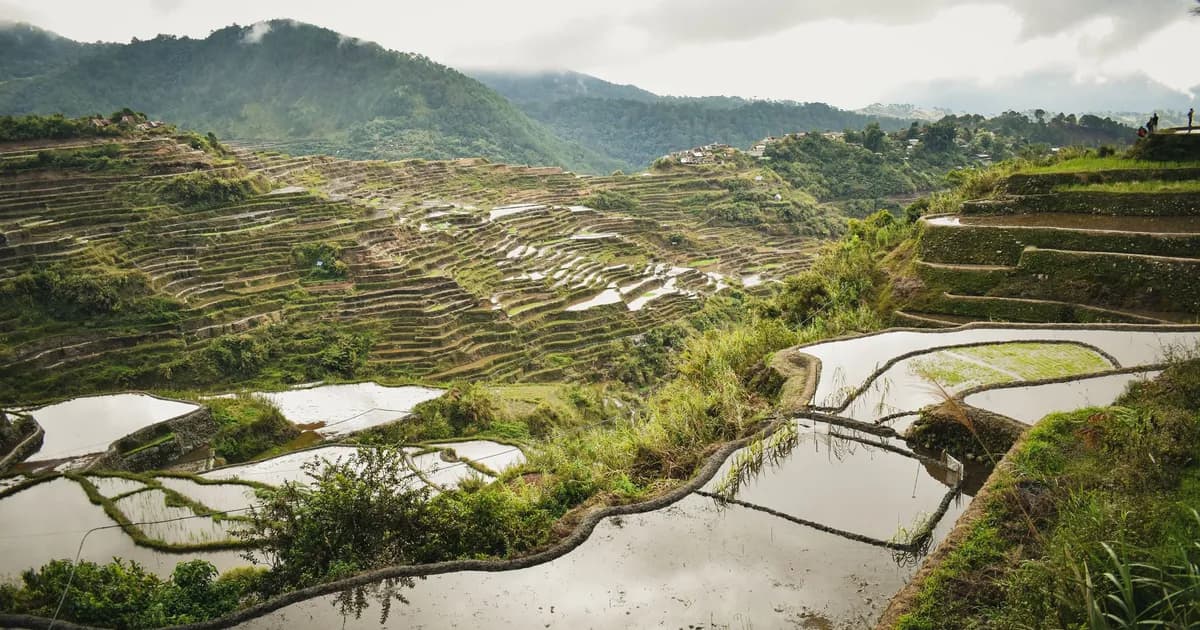
The Banaue rice terraces are the gateway and the emblem of the region. Carved by hand over two thousand years ago by the Ifugao, and irrigated by an ancient system of canals and dams fed from the mountain forests above, they climb the valley walls in shimmering green steps. Often called the eighth wonder of the world, and part of a UNESCO World Heritage listing for the rice terraces of the Philippine Cordilleras, they are a living agricultural landscape, still farmed, not a museum piece. The viewpoints around Banaue town give the classic panoramas, but the terraces reward those who walk into them and meet the people who tend them.
Batad: the amphitheatre
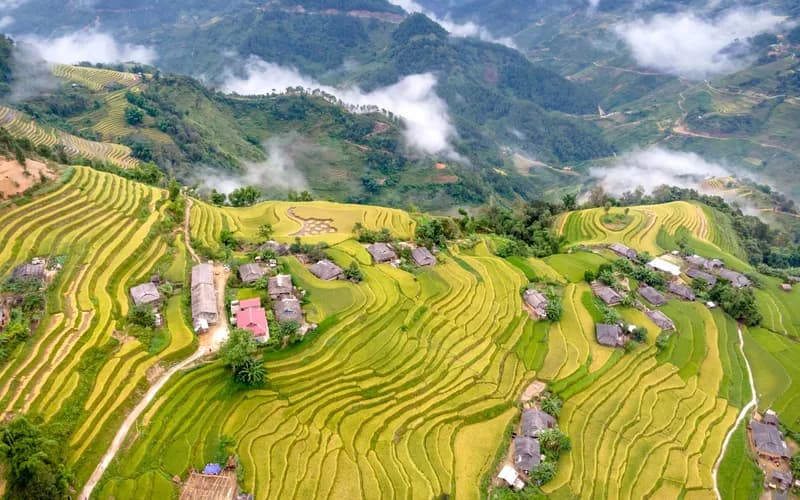
If Banaue is the introduction, Batad is the masterpiece. A short but rough journey from Banaue brings you to this village set within a natural amphitheatre of terraces so steep and perfectly formed that the first sight of them stops you in your tracks. Batad has traditionally been reachable only on foot for the final stretch, which has kept it small and unspoilt, with simple guesthouses looking out over the bowl of green. Staying a night here, waking to mist in the terraces and walking to the nearby Tappiya waterfall, is one of the great slow-travel experiences in the country. It is the reward for going one valley deeper than the crowds.
Get matched with up to 5 trusted Philippines agencies
- Free
- No obligation
- Up to 5 agencies
Sagada and its caves
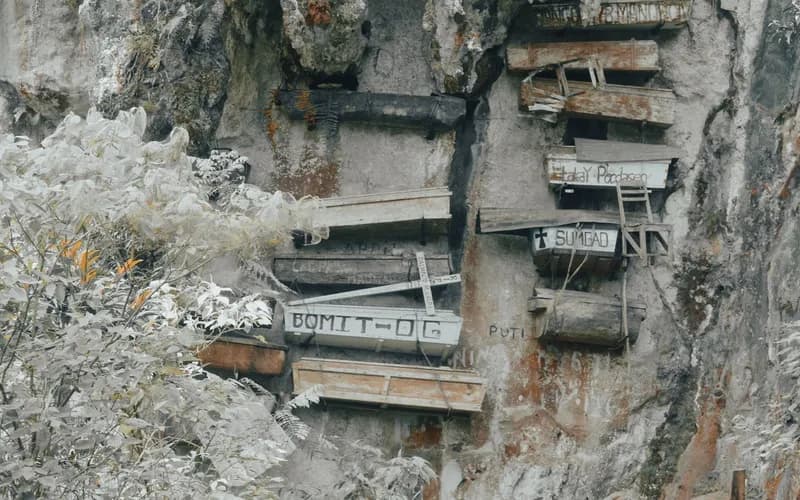
A few hours across the mountains lies Sagada, a cool, pine-scented town with a character all its own. It is famous for its limestone caves, where spelunking trips descend into echoing chambers of cool air and dripping stone, and for the hanging coffins, an indigenous burial tradition in which the dead are placed on cliff faces, visible on a respectful guided walk. Around the town are waterfalls, rice fields, viewpoints over a sea of clouds at dawn, and a gentle, unhurried atmosphere that invites long stays. Sagada balances the grandeur of the terraces with underground mystery and mountain calm, and the two together make a complete Cordillera journey.
The Ifugao and a living culture
What gives the Cordillera its depth is that the terraces are not scenery alone but the work and heritage of living communities. The Ifugao and neighbouring peoples built and still maintain this landscape, and their knowledge, rituals and way of life are inseparable from it. Travelling here well means engaging with that respectfully: hiring local guides, staying in village homestays, buying local crafts, and treating ceremonies and sacred sites, including the hanging coffins, with genuine respect rather than as photo opportunities. The reward is a human connection that the beaches rarely offer, and it puts your money directly into the communities who keep the terraces alive.
Getting there: the long road north
There is no quick way into the Cordillera, and that is part of the point. Most travellers fly into Manila and then take a bus or van north, a scenic haul of roughly nine to eleven hours through winding mountain roads to Banaue, often overnight. From Banaue, local buses and jeepneys reach Batad and, in around three hours, Sagada, with fares that are very cheap and services that mostly run in the morning. The journeys are slow, the transfers basic, and the comfort simple, but the landscapes en route are superb and the sense of arriving somewhere genuinely remote is real. Build in buffer time and treat the travel as part of the adventure.
When to go
Timing matters in the mountains. The dry season, roughly November to April, brings the most reliable weather, clear terrace views and the famous dawn seas of cloud, though the highland nights are genuinely cold, so pack warm layers that lowland-focused packing lists forget. The terraces are at their most vividly green after planting, around the earlier part of the year, and turn golden before harvest. The wet season brings mist, mud and the risk of road disruption, but also lush landscapes and fewer visitors. Whenever you come, the Cordillera asks for flexibility, as mountain weather and roads set their own schedule.
How long to stay
Rushing the Cordillera as a two-day dash from Manila is the common mistake and a real shame. Give it at least four or five days: time for Banaue and its viewpoints, a night in Batad, the journey to Sagada and a couple of days among its caves and trails. A week lets you slow down properly, add village walks and rest days, and absorb the rhythm of the mountains. This is emphatically a destination for depth over speed, and it pairs beautifully with the far-northern islands of Batanes for travellers building a slow northern Luzon route away from the beaches.
Where to stay and eat
Accommodation across the Cordillera is simple and inexpensive: family guesthouses and homestays in Banaue and Sagada, and a handful of basic lodges in Batad with unbeatable terrace views. This is not a region of resorts, and that is precisely its charm. Food is hearty mountain fare suited to the cool climate: rice, of course, along with local vegetables, mountain coffee, and Sagada's small but characterful cafe scene serving home-baked bread, yoghurt and strong local brew. Eating and sleeping here cost little, and staying in a village homestay puts your money directly into local hands while giving you the warm, unguarded hospitality the mountains are known for. For a wider sense of the country's hidden corners, our off-the-beaten-path Philippines guide sets the Cordillera among the best of them.
Walking the terraces
The Cordillera rewards those who walk. Beyond the roadside viewpoints, a network of trails threads through the terraces and between villages, and walking even a short section, with a local guide who knows the paths and the etiquette, transforms the experience from looking to being inside the landscape. The classic Batad walk descends into the amphitheatre and on to the Tappiya waterfall; longer routes link villages over ridges and through rice fields on ancient stone paths. The walking is often steep and the footing uneven, so decent shoes and a reasonable level of fitness help, but the pace is gentle and the rewards immense. This is slow travel in its most literal and satisfying form.
A note on the changing mountains
It is worth knowing that the terraces face real pressures. Younger generations increasingly leave the hard work of terrace farming for the cities, some terraces have fallen into disuse, and tourism itself brings both income and strain. Travelling here thoughtfully, by hiring local guides, staying in homestays, buying local produce and crafts, and treating the culture with respect, directly supports the communities working to keep this landscape alive. Your visit is not neutral; done well, it helps sustain a two-thousand-year-old way of life, and done carelessly it adds to the pressures. Choosing the former is the whole ethos of slow travel, and nowhere is the choice more tangible than here.
What to do next
- Give the Cordillera at least four or five days, and resist the two-day dash from Manila.
- Base first in Banaue for the terraces, then stay a night in Batad within its amphitheatre of terraces.
- Continue to Sagada for the caves, hanging coffins and cool-climate calm.
- Hire local guides and stay in village homestays to travel respectfully and support the Ifugao communities.
- Pack warm layers, allow buffer time for slow mountain roads, and plan your route with our plan your journey page.
Frequently Asked Questions
How do I get to the Banaue rice terraces?
Fly into Manila and take a bus or van north, a scenic journey of roughly nine to eleven hours over winding mountain roads, often overnight, to Banaue. From there, local buses and jeepneys reach Batad and, in about three hours, Sagada. Services are cheap but mostly run in the morning, so plan connections with buffer time.
Are Banaue and Batad the same place?
No. Banaue is the main town and gateway, with the classic terrace viewpoints, while Batad is a smaller village a rough journey away, set within a dramatic natural amphitheatre of terraces. Batad has traditionally required a short walk to reach, keeping it quiet; staying overnight there is one of the region's highlights.
How many days do you need for Sagada and Banaue?
At least four or five: time for Banaue's viewpoints, a night in Batad, the roughly three-hour journey to Sagada, and a couple of days for its caves and trails. A week allows a properly slow pace with village walks and rest days. Trying to see the Cordillera in two days from Manila is rushed and misses its atmosphere.
When is the best time to visit the Cordillera?
The dry season from about November to April offers the most reliable weather, clear terrace views and dawn seas of cloud, but highland nights are cold, so bring warm layers. The wet season is misty, muddier and prone to road disruption, though greener and quieter. Mountain weather is changeable, so build flexibility into your plans.
Is it respectful to see the hanging coffins in Sagada?
Yes, when done through a local guide and with genuine respect. The hanging coffins are an indigenous burial tradition, not a tourist attraction, so visit on a guided walk, keep a respectful distance and manner, and avoid intrusive photography. Engaging local guides and homestays also ensures your visit supports the community whose heritage this is. Silence and a slow, attentive manner are the right register at such sites.