

Travel to Singapore
Slow travel in Singapore — a compact city-state usually rushed in a day, worth exploring neighbourhood by neighbourhood.
Chinatown and Little India, the shophouses of Tiong Bahru and Katong, the hawker centres and the gardens each ask for more than a layover. Singapore rewards those who linger.
Understanding Singapore as a travel destination
Singapore is a city-state at the tip of the Malay Peninsula, a single dense island that packs remarkable diversity into a small, walkable space.
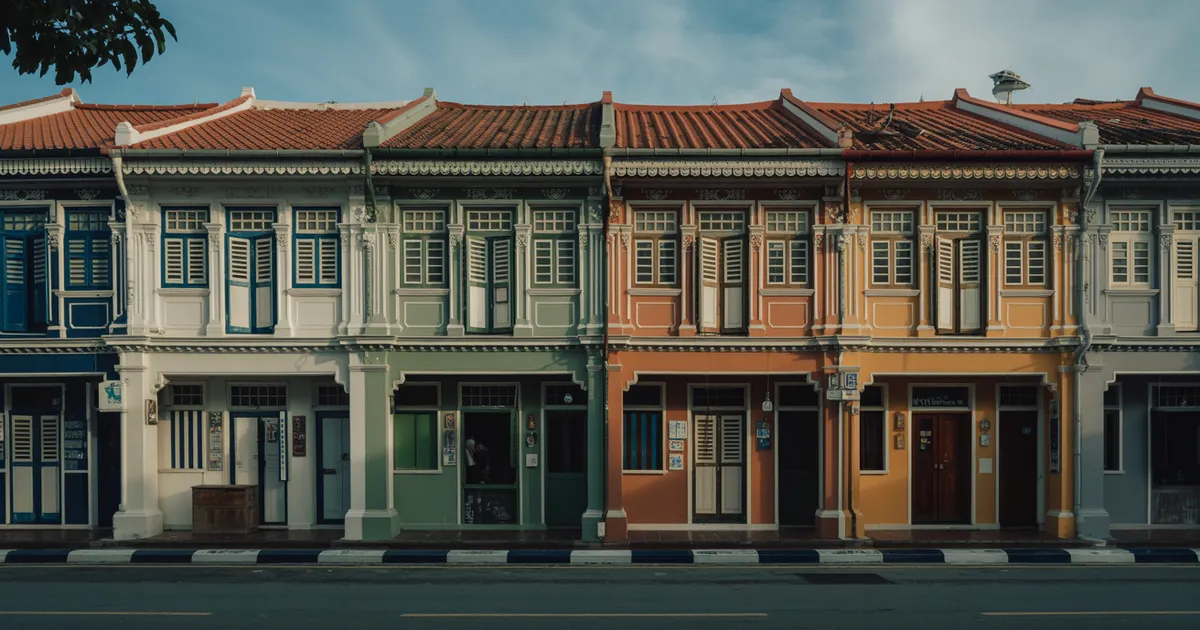
Rather than regions, it is best understood by its neighbourhoods: the temples and markets of Chinatown, the colour of Little India, the cafés and shophouses of Kampong Glam and Tiong Bahru, and the Peranakan heritage of Katong and Joo Chiat.
Its culture is a genuine blend of Chinese, Malay, Indian and Peranakan communities, most visible — and most delicious — in the hawker centres that anchor daily life.
Because it is tropical and compact, weather matters less than pace: it is warm and humid year-round, and everything is close, so the real question is how deeply you explore rather than when to go.
Reading Singapore this way — as a set of distinct quarters to explore on foot, not a one-day checklist — is what turns a layover into a real visit.
UNRUSH exists to make those choices clearer, helping travellers match the right neighbourhoods, experiences and local agencies to the trip they actually want.
Ready to travel? Get free quotes from up to 5 Singapore agencies
Request free quotesThe Destination
Singapore is best understood not by regions but by its neighbourhoods, its cultures and its green spaces.
Knowing how they differ is the first step to a visit that goes beyond a single day downtown.
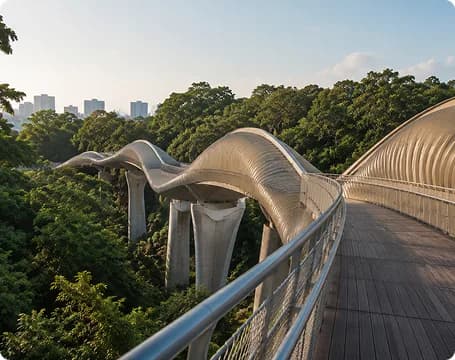
City & Neighbourhoods
Singapore is a compact island city where distinct quarters sit within easy reach of one another, connected by one of the world's best transit systems.
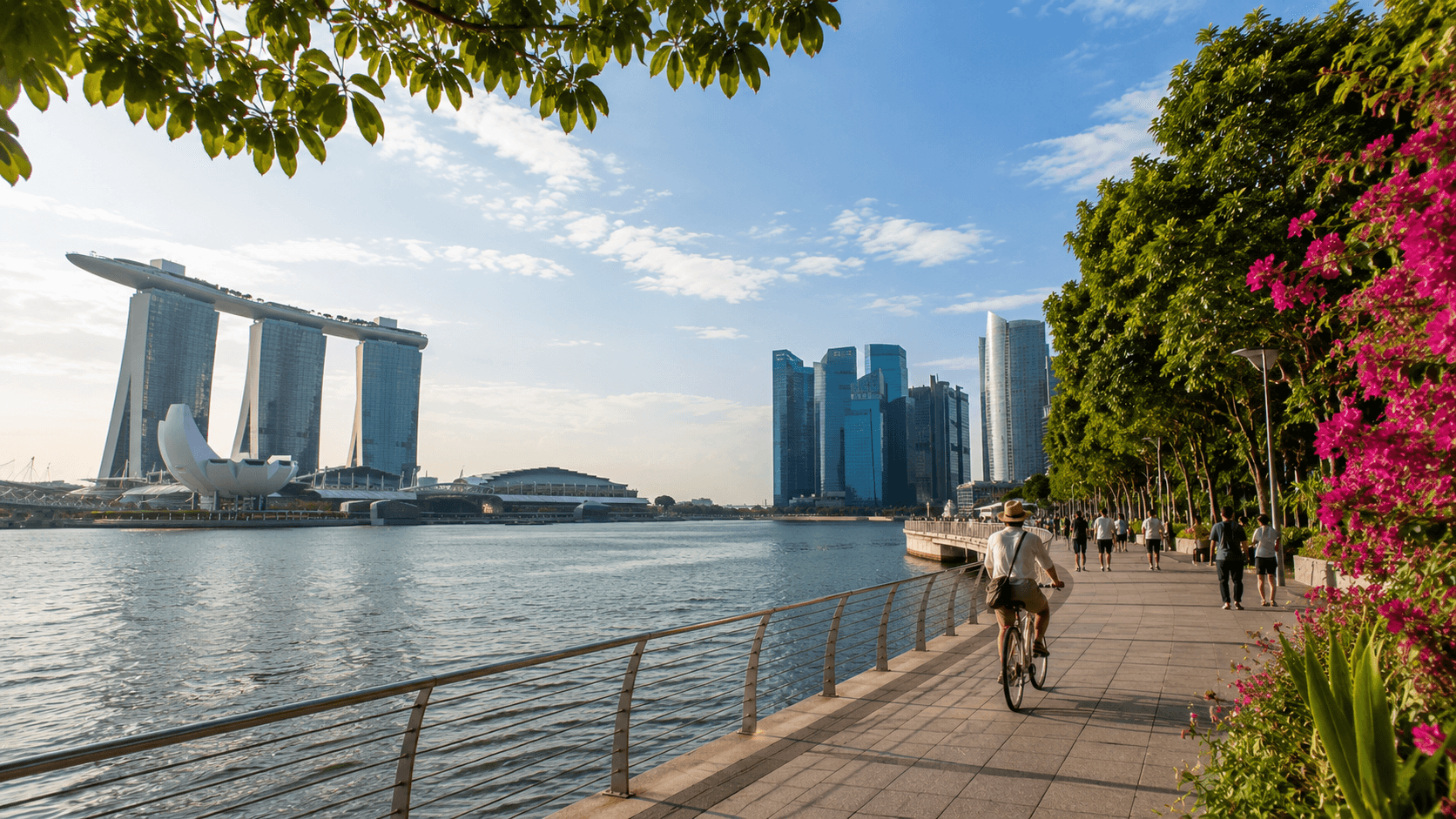
Chinatown, Little India and Kampong Glam each carry a different community and cuisine; Tiong Bahru, Katong and Joo Chiat add cafés, shophouses and Peranakan heritage; the Marina Bay waterfront holds the modern icons.
Because everything is close, the real luxury here is time to wander rather than rush between sights.
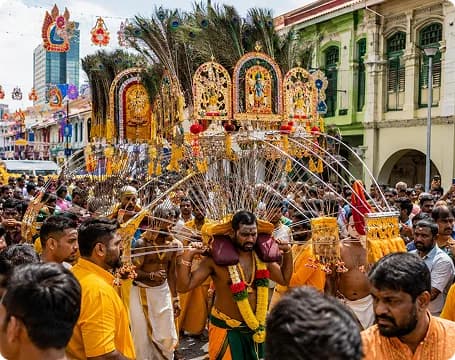
Culture & Heritage
Singapore's identity is built on a mix of Chinese, Malay, Indian and Peranakan communities living closely together.
Temples, mosques and churches share streets; festivals from Chinese New Year to Deepavali fill the calendar; and the hawker centres — recognised as living cultural heritage — are where it all comes together over a plate of food.
Taking time to eat and wander widely is the surest way to understand how the city really works.
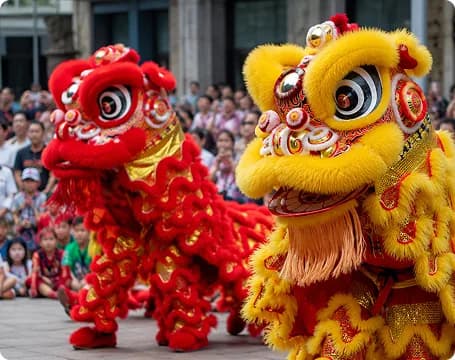
Travel Context
Singapore is one of the easiest places in Asia to travel: safe, efficient, English-speaking and superbly connected.
It is tropical and warm year-round, with rain possible any month and a slightly wetter monsoon around November to January, so timing matters far less than elsewhere.
The main choice here is not when to go, but how long to stay — and whether to give the city more than the usual day or two.
Slow Traveling in Singapore
Singapore is usually seen in a rushed day or a layover. Slowing down is what turns a stopover into a genuine sense of the city.
A Different Way to Approach Travel
The typical visit hits Marina Bay, a rooftop and one hawker centre before flying on.
It captures the skyline, but it misses the neighbourhoods, the gardens and the everyday life that give the city its character.
A more considered visit usually means:
Understanding Local Context
Chinatown, Little India, Kampong Glam and Katong each belong to a different community and cuisine within the same small island.
Exploring well here means reading those differences, including:
It also means treating the hawker centres and side streets as the main event, not a detour.
Letting the Trip Breathe
A good Singapore visit is not measured by how many icons you photograph, but by how many of its quarters you actually get to know.
Giving the city a few unhurried days, on foot and by transit, changes the experience completely.
That usually means choosing a few neighbourhoods and exploring each properly.
In Singapore, travelling slowly is not seeing less — it is understanding more.
A local agency that knows the city well can make this far easier, shaping the pace and route around how each neighbourhood actually works.
One request. Up to five tailored proposals.
Skip contacting agencies one by one — share your trip once and let up to five trusted Singapore agencies come to you. Free, with no obligation.
Explore Singapore Through Slow Travel Guides
Travel guides provide a structured way to understand Singapore beyond surface-level information. Each guide is designed to offer in-depth insights into specific aspects of the country, combining cultural context, regional understanding and practical considerations. Rather than isolated articles, these guides contribute to a broader and more coherent perspective of the destination.
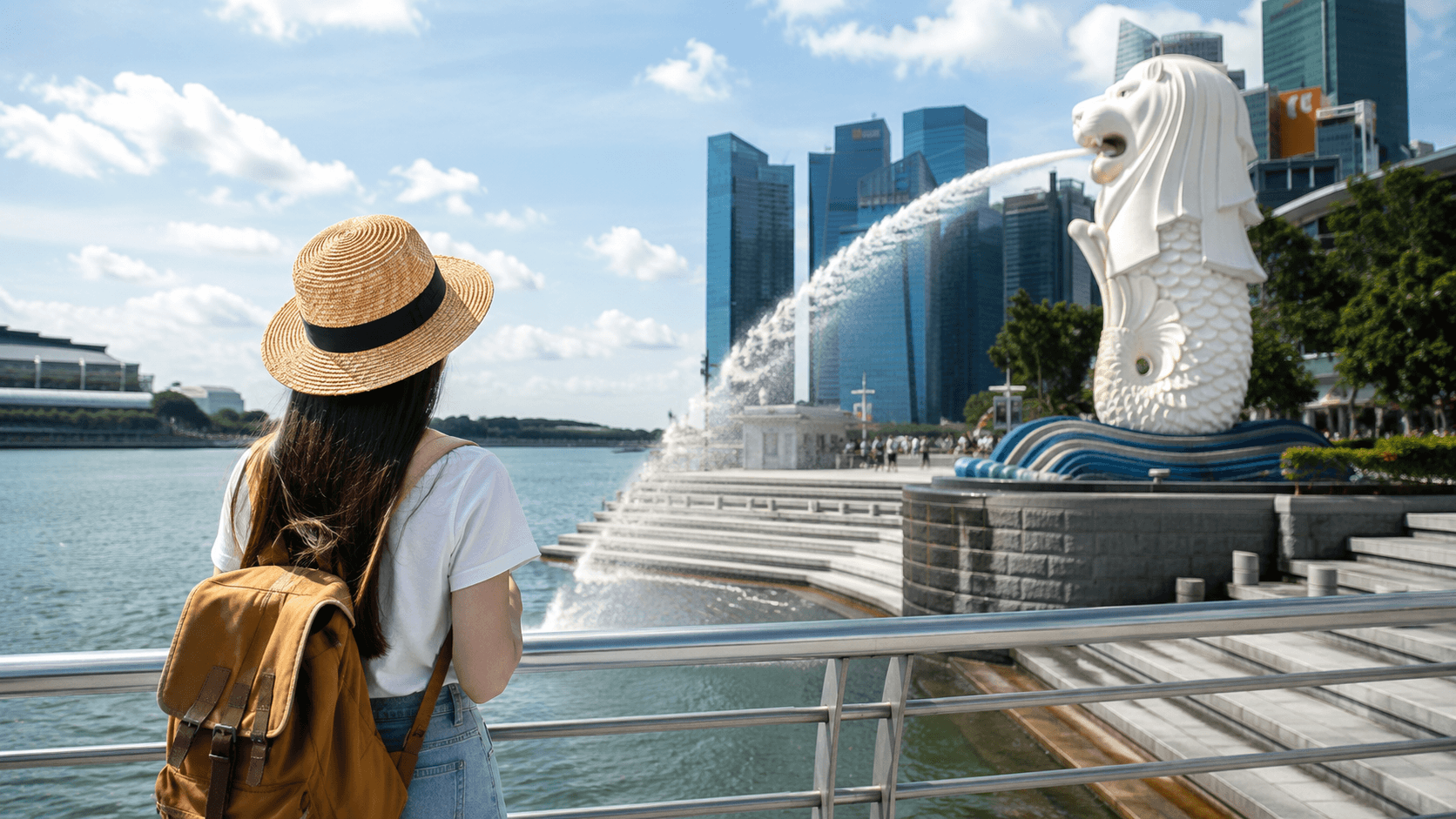
10/08/2026 · 15 minutes
Off the Beaten Path in Singapore: Hidden Gems for Slow Travelers
Beyond Marina Bay and Orchard Road lies a quieter Singapore: rustic islands, jungle trails, heartland markets and Peranakan lanes. A slow traveller's guide.
10/08/2026 · 15 minutes
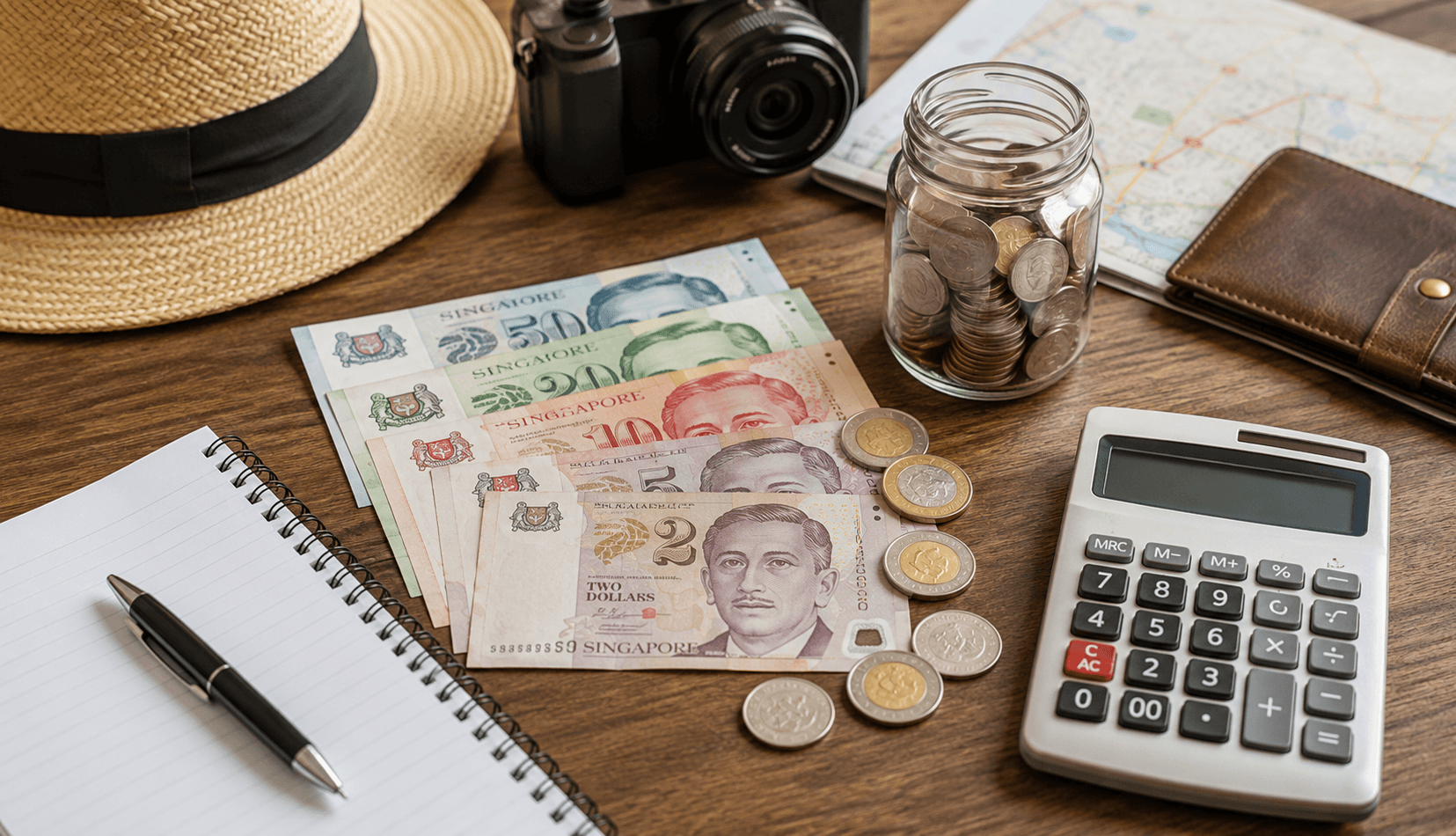
How Much Does a Trip to Singapore Cost in 2026?
Singapore's honest cost breakdown for 2026: daily budgets in SGD, where the city is dear and where it's a bargain, plus three fully costed itineraries.
10/08/2026 · 15 minutes
The Slow Traveler's Guide to Singapore: Where to Go and When
Where to go and when in Singapore, the slow way: neighbourhood by neighbourhood, plus the year-round climate and the festival calendar that matters most.
The guides are designed to support understanding, not to prescribe standardized travel paths.
View All Travel GuidesOn the Ground in Singapore
On the Ground provides a more dynamic perspective on Singapore, highlighting evolving destinations, regional focuses and local realities. These articles reflect what is happening across the country, offering a more immediate and contextual understanding of the travel environment. This section complements the travel guides by providing a more immediate and evolving perspective of the destination.
 Travel Tips
24/09/2026
Where to Stay in Singapore: Choosing a Neighbourhood Base for a Longer Trip
Your choice of neighbourhood shapes a Singapore trip more than your choice of hotel. Here is how each central district actually feels, and who it suits.
 Last Insights
23/09/2026
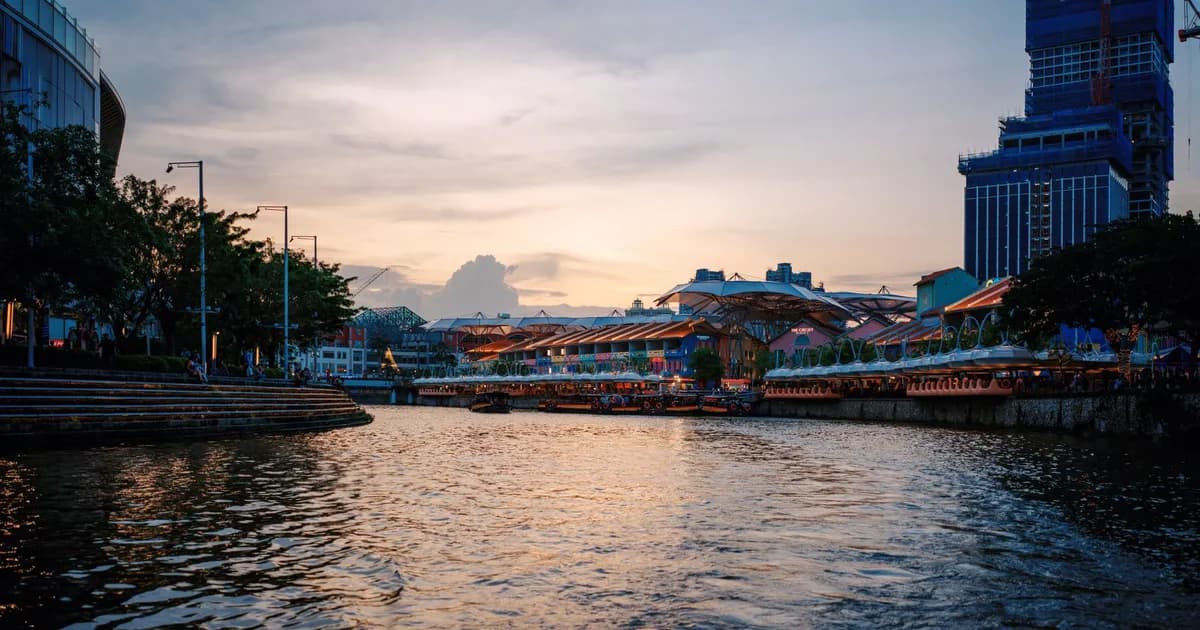
Shorter Stays, Softer Spending: What Singapore's 2026 Tourism Numbers Really Say
Singapore welcomed near-record numbers in 2026, yet visitors stayed fewer nights and spent less. The gap between those two facts is worth understanding.
 Regional Focus
22/09/2026
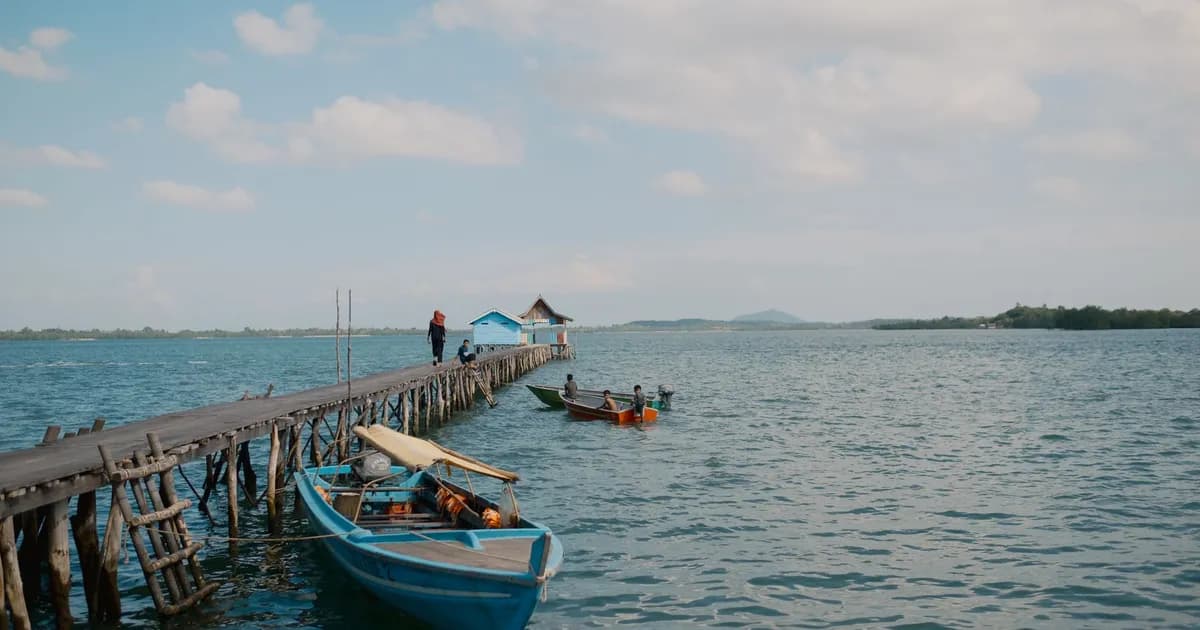
Pulau Ubin: A Slow Day on Singapore's Last Kampong Island
Pulau Ubin is ten minutes and one bumboat from mainland Singapore, but it moves at another pace entirely. Here is how to spend a full, unhurried day there.

Slow Travel Agencies in Singapore
The agencies working in Singapore range from food-and-neighbourhoods specialists to culture-and-heritage guides and gardens-and-architecture operators. Knowing what each does best is the key to a visit that fits — and UNRUSH organises them by focus and approach so the right match is easier to find.
Explore All Slow Travel Agencies in SingaporeGet matched with up to 5 trusted Singapore agencies
Describe your trip once. Receive tailored proposals from up to five vetted travel agencies — and choose the one that fits you best.
- Free
- No obligation
- Up to 5 agencies
Slow Traveling in Singapore: A Closer Look
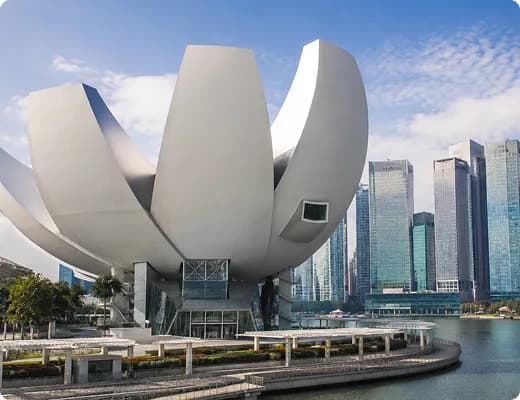
Singapore is small but far from simple. A single city-state on one island, it packs together distinct worlds: the temples and markets of Chinatown, the colour and food of Little India, the cafés and street art of Kampong Glam and Tiong Bahru, the Peranakan shophouses of Katong, and the modern waterfront of Marina Bay. Its famous efficiency can make it feel like a place to pass through rather than explore.
That perception is what a slower visit corrects. Seen in a rushed day, Singapore is a skyline and a hawker meal; given a few days, it becomes a walkable collection of neighbourhoods, each with its own community, cuisine and rhythm. The city is so compact and well-connected that depth, not distance, is the only real constraint.
A slower plan works the other way around. Instead of ticking off the icons, it chooses a handful of quarters and green spaces and explores them properly, on foot and by transit. Because it is tropical and everything is close, when to go matters little — the real decision is simply to give the city more time than a layover allows.

The hardest part to plan from abroad is the local detail — which hawker stalls and neighbourhoods are worth seeking out, how the cultural quarters connect, how to see beyond the obvious sights. Agencies based in Singapore carry that knowledge from experience, but their quality and focus vary widely, and they are hard to tell apart from a website alone.
This is where UNRUSH helps. Rather than listing operators at random, it organises agencies by how they work and where they specialise, so travellers can find a partner suited to the trip they want — a food-and-neighbourhoods specialist, a culture-and-heritage guide, or a gardens-and-architecture operator. The aim is not to simplify Singapore, but to make its layers easier to explore.