Singapore's Rules, Fines and Etiquette: A Practical Guide for Respectful Visitors
Singapore has a reputation that arrives before you do: the city where chewing gum is banned and everything is spotless. It is easy to hear that and picture a place of grim, humourless order. The reality is gentler and far more interesting. Singapore's rules are not there to catch you out. They are the quiet machinery behind everything visitors love - the clean streets, the safe late-night walks, the trains that arrive on time, the sense that a crowded, multicultural island of six million people somehow runs with grace. Understanding the rules is not about fear. It is about slipping into the rhythm of a city that has thought carefully about how strangers share space.
For the slow traveller, this is good news. When you know the handful of laws and unwritten courtesies that shape daily life here, you stop worrying about fines and start noticing how considerate the place feels. You queue without being told. You keep your voice down on the train. You take your shoes off at the right threshold. None of it is hard, and most of it will make you a more thoughtful traveller long after you leave.
This is a practical guide to Singapore's famous strictness - what is actually illegal, what merely earns a frown, and how to move through the city with the ease of someone who belongs. Read it once before you go, and you will spend your trip enjoying the calm rather than fretting about the rules.
The rules that keep the city spotless - gum, litter and spitting
Start with the one everyone has heard about. Yes, chewing gum really is restricted. Since 1992 the import and sale of chewing gum has been banned, so you will not find it in any shop. Chewing a piece you brought for a long flight is not going to see you arrested, but selling or importing it is a serious offence, and sticking gum on a seat, a lift button or a pavement is treated as littering. The simplest approach is the honest one: leave the gum at home and you will never think about it again.
Littering is where Singapore is genuinely firm, and for good reason. Dropping so much as a cigarette butt, a tissue or a drinks can bring an on-the-spot fine, with penalties starting around S$300 for a first offence and rising sharply - into the thousands of dollars - for anything the courts consider deliberate or repeated. Persistent litterbugs can be given a Corrective Work Order, cleaning public areas in a bright vest while the public watches. Spitting in public is treated the same way, with fines of up to S$1,000 for a first offence. The upshot for a visitor is simple. Carry your rubbish until you find a bin - there are plenty - and the spotless pavements you are admiring will stay that way.
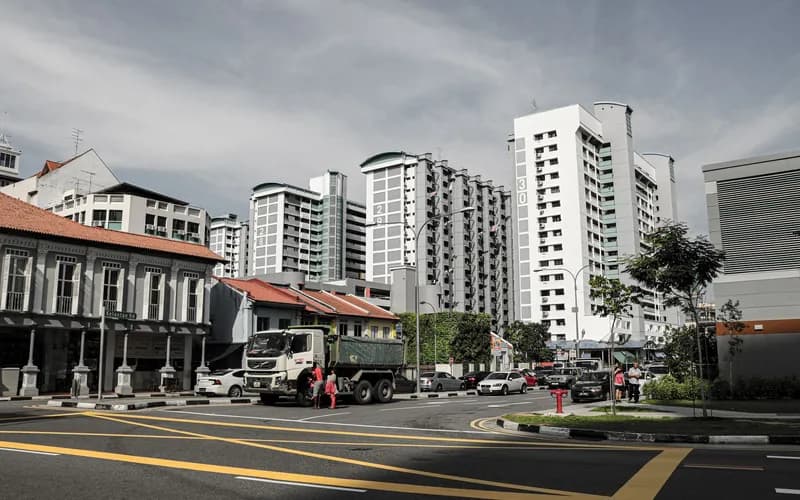
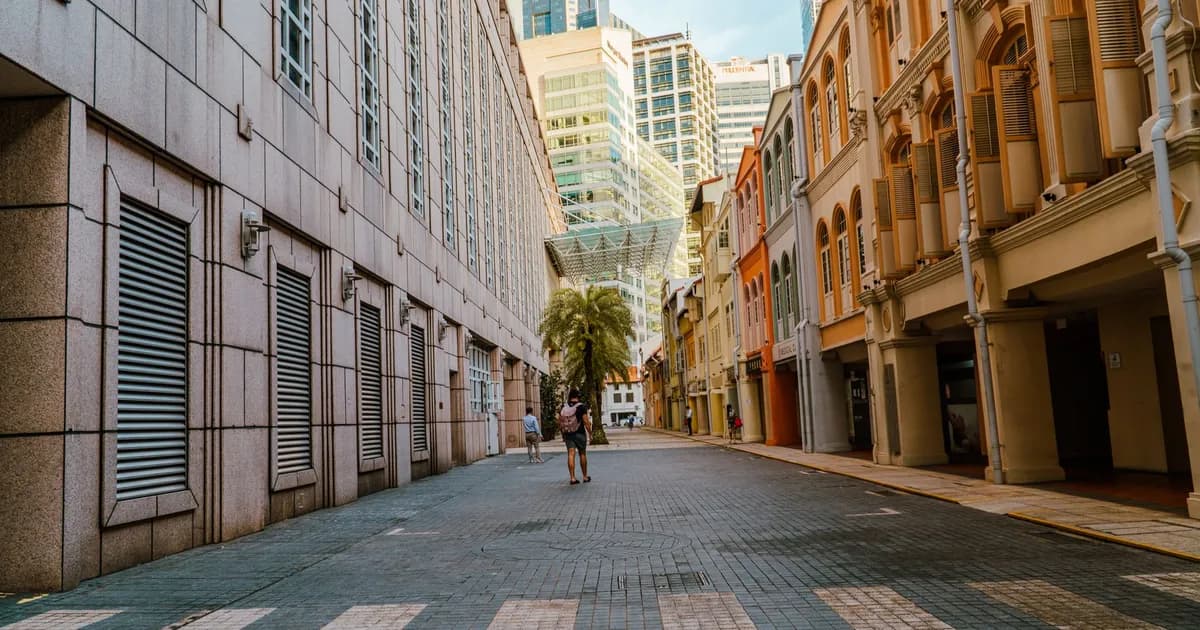
It is worth pausing on why this matters to the kind of trip UNRUSH believes in. A clean city is a calm city. When you are not stepping around litter or bracing for grime, you walk more slowly, you sit down more readily, you linger. The strictness you might resent in the abstract is exactly what makes an unhurried afternoon here so pleasant. If you are still deciding which neighbourhoods to give that time to, our guide to where to go and when is a good place to start.
One request. Up to five tailored proposals.
Skip contacting agencies one by one — share your trip once and let up to five trusted Singapore agencies come to you. Free, with no obligation.
Get my free quotesOn the MRT - no eating, no drinking, and the art of "chope"
Singapore's MRT is one of the great pleasures of the city: clean, cool, punctual and cheap. In return, it asks for a little discipline. Eating and drinking are not allowed anywhere on the network - not on the platforms, not on the trains, not even a sip of water on a hot day. The fine can reach S$500, and while enforcement is usually a polite reminder, the rule is real and worth respecting. Finish your kopi before you tap in, and save the snack for street level.
You will also notice how quiet the carriages are. People keep their voices low, give up seats for the elderly, pregnant women and families without being asked, and let passengers off before boarding. There is no law compelling most of this; it is simply how the city works, and matching it is the easiest way to feel at home.
Above ground, in the hawker centres and food courts, you will meet one of Singapore's most charming customs: "chope-ing" a seat. To reserve a table while you go and order, locals leave a packet of tissues on it - occasionally an umbrella or a name card, but usually tissues. It looks odd the first time, but it is a trusted, gentle system, and the packet is universally understood to mean "taken". If you see tissues on a table, find another. When you want to hold a table yourself, a small tissue packet does the job. Just remember to actually be eating there - chope-ing a table you do not use is poor form. For more on navigating hawker culture and what to order, our guide to what to eat in Singapore goes deep.
Smoking, vaping and alcohol in public
Smoking is tightly controlled. It is prohibited in almost all indoor public spaces and in a growing list of outdoor ones - parks, beaches, bus stops, covered walkways, and within five metres of building entrances. Look for the designated yellow smoking boxes and stay inside the lines. Lighting up in a prohibited area typically brings a composition fine of around S$200, rising to as much as S$1,000 if the matter goes to court.
Vaping deserves its own paragraph because the rules surprise many visitors. E-cigarettes and vaping devices are illegal in Singapore - not merely to sell, but to possess and use. You cannot bring a vape into the country, and you cannot carry one even while transiting through Changi. Penalties have been tightened considerably, and possession can now draw fines running into the thousands, with figures of up to S$10,000 for offences under the strengthened tobacco and vaping laws. Devices laced with controlled substances are treated far more severely still, under drug legislation. If you vape at home, leave everything behind. This is not a rule to test.
Alcohol is legal and widely enjoyed, but public drinking has hours. Under the Liquor Control Act, drinking in public places is not allowed between 10.30pm and 7am, and shops cannot sell takeaway alcohol during those hours either. Bars, restaurants and licensed venues carry on as normal - the restriction is about drinking in the street, the park or the void deck late at night. A few areas, notably Little India and Geylang, are designated Liquor Control Zones with tighter limits, especially at weekends. Breaking the rules can bring a fine of up to S$1,000. In practice, keep late drinks to a bar and you will never brush against this law.
Get matched with up to 5 trusted Singapore agencies
- Free
- No obligation
- Up to 5 agencies
Drug laws - a serious, factual note
This section is short and deliberately plain, because the subject deserves clarity rather than drama. Singapore has some of the strictest drug laws in the world, and they apply fully to visitors. Under the Misuse of Drugs Act, trafficking above defined thresholds - for example more than 500g of cannabis, 30g of cocaine or 15g of diamorphine (heroin) - carries a mandatory death penalty. Consumption and possession of controlled drugs bring long prison terms, heavy fines and, in some cases, caning. Authorities can and do conduct urine and hair testing, and Singapore prosecutes drug use by its residents and citizens even when the drugs were consumed abroad.
There is no grey area here and no traveller's exemption. The only sensible approach is complete avoidance: do not carry, use, or agree to transport anything for anyone. State it plainly to yourself and there is nothing further to worry about. For the overwhelming majority of visitors this is a non-issue - it is simply worth stating clearly, once, so that it is understood.
Temples, mosques and how to dress
Singapore's skyline is famous, but its soul is in its houses of worship - Buddhist and Hindu temples, mosques, and churches often standing within a few streets of one another. Visitors are warmly welcomed at most of them, provided you show a little care.
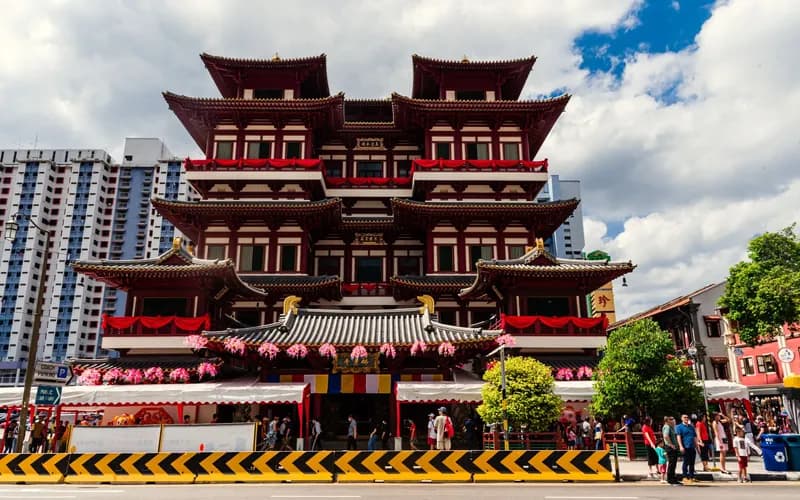
Dress modestly: cover your shoulders and knees, and carry a light scarf if you plan to visit several places in a day. Remove your shoes before entering temple and mosque prayer halls - you will see the racks and the rows of sandals, so follow what others do. At mosques, women may be asked to cover their hair, and robes are often lent at the door. Step over thresholds rather than on them at Hindu and Buddhist temples, keep your voice low, ask before photographing people at prayer, and never point the soles of your feet toward an altar or a person. During Ramadan, be considerate around those fasting. None of this requires expertise - attentiveness and a willingness to follow the room are enough. This is a country where four major faiths share a small island with genuine ease, and matching that respect is both courteous and quietly moving.
Everyday courtesy - queueing, escalators, tipping and toilets
Beyond the laws sit the softer customs that make Singapore run so smoothly. Singaporeans queue for everything, patiently and without fuss - for taxis, for buses, for the hawker stall with the long line and the good reputation. Join the back, wait your turn, and never push. On escalators, stand on the left and leave the right side clear for people walking up; it is a small habit that keeps the whole city moving.
Tipping is not part of the culture and is genuinely not expected. Most restaurants add a 10% service charge (you will see it as "++" on menus, alongside 9% GST), so there is no need to add more. Rounding up a taxi fare or leaving loose change is fine but never required - do not feel you must tip your way through the trip. Budgeting is refreshingly straightforward as a result, and if you want to plan your spending in detail, our Singapore trip cost and budget guide breaks it down.
Public toilets are clean and plentiful, often with a small fee or an attendant in malls and hawker centres; flushing after use is, believe it or not, legally required, though no visitor need worry about that if they behave normally. Keep noise down in residential areas and on public transport, be gentle and unhurried in crowds, and treat the many cultures around you with the same easy respect they extend to you. That, more than any single rule, is the etiquette that matters.
What to Do Next
- Pack sensibly: leave chewing gum and any vaping devices at home, and bring a light scarf for temple and mosque visits.
- Set up your travel card or contactless payment before your first MRT ride, and remember the no-eating, no-drinking rule the moment you tap in.
- Carry a small packet of tissues - useful for chope-ing a hawker table, and for the toilets that do not always supply paper.
- Save this guide's key figures in your notes: no littering, no spitting, no vaping, no public drinking after 10.30pm, and no drugs, ever.
- Shape the rest of your trip. Browse our plan your journey hub, connect with a vetted local through our Singapore travel agencies directory, or read the UNRUSH slow-travel charter to see how we think about travelling well.
Frequently Asked Questions
Is chewing gum really illegal in Singapore?
The sale and import of chewing gum has been banned since 1992, so you cannot buy it anywhere in the country. Chewing a piece you brought yourself is not an offence, but disposing of it improperly counts as littering, and importing or selling gum carries heavy penalties. The easiest choice is to leave it at home.
Can I be fined as a tourist, or do the rules only apply to residents?
The rules apply to everyone, visitors included. Fines for littering, smoking in prohibited areas, eating on the MRT and public drinking after hours are all enforced against tourists, and drug offences apply with full force. Enforcement is often a warning for minor slips, but the penalties are real, so it is best to simply follow the rules.
Are vapes really banned, even in transit?
Yes. Vaping devices and e-cigarettes are illegal to possess, use, import or sell in Singapore, and the ban applies even if you are only transiting through Changi Airport. Penalties have been tightened and can reach several thousand dollars. Do not pack a vape for a Singapore trip under any circumstances.
When can I drink alcohol in public?
Alcohol is legal and freely available in bars, restaurants and licensed venues at all hours those places are open. Drinking in public spaces such as parks and streets is prohibited between 10.30pm and 7am, and shops cannot sell takeaway alcohol during that window. Little India and Geylang have stricter Liquor Control Zone rules, especially at weekends.
Do I need to tip in Singapore?
No. Tipping is not expected and is not part of the local culture. Most restaurants already add a 10% service charge plus GST, so there is nothing further to leave. Rounding up a fare is fine but entirely optional.
What should I wear to visit temples and mosques?
Dress modestly, covering your shoulders and knees, and remove your shoes before entering prayer halls. At mosques, women may be asked to cover their hair, and robes are often available to borrow at the entrance. A light scarf carried in your bag makes visiting several sites in one day easy.
What is "chope-ing" a table?
It is Singapore's informal system for reserving a seat in a busy hawker centre or food court. People leave a packet of tissues (occasionally an umbrella or card) on a table to claim it while they queue for food. If you see tissues on a table, it is taken; if you want to hold one yourself, a tissue packet does the trick.
Keep reading
More from the ground · Singapore