
How to Get Around Thailand: A Slow Traveller's Guide to Buses, Boats and Everything Between
Thailand is one of the easiest countries in Asia to travel overland, which is a gift to anyone who would rather watch the landscape change than skip over it. The network is dense, the fares are low, and you can reach almost anywhere without ever booking a domestic flight. The catch is that no single mode does everything, and the art of getting around well is knowing which one to use for each leg. This guide walks through the options as a slow traveller would actually use them, with the honest trade-offs of each.
The underlying principle is simple: match the transport to the distance and the mood. Long hauls suit the overnight train or bus; medium hops suit minivans; short local trips belong to songthaews, tuk-tuks and ride apps; and the islands, of course, mean boats. Get the combination right and the moving becomes part of the trip rather than an interruption to it.
Trains: the slow traveller's default
Thailand's railway is the most rewarding way to cover long distances, and it deserves to be your first thought rather than your last. The lines fan out from Bangkok to the north, the north-east and the south, and while they are slower than the bus, that is precisely the appeal. You get legroom, a window that opens, a restaurant car on the longer services, and a rolling view of rice fields, jungle and small-town platforms that no motorway offers.
The sleeper trains are the highlight. A second-class air-conditioned sleeper on an overnight run is comfortable, safe and inexpensive, and it saves you a night's accommodation into the bargain. Because rail travel rewards planning, it is worth reading our dedicated guide to travelling Thailand by train, which covers classes, booking windows and the routes most worth taking slowly.
One request. Up to five tailored proposals.
Skip contacting agencies one by one — share your trip once and let up to five trusted Thailand agencies come to you. Free, with no obligation.
Get my free quotesBuses and minivans: filling the gaps
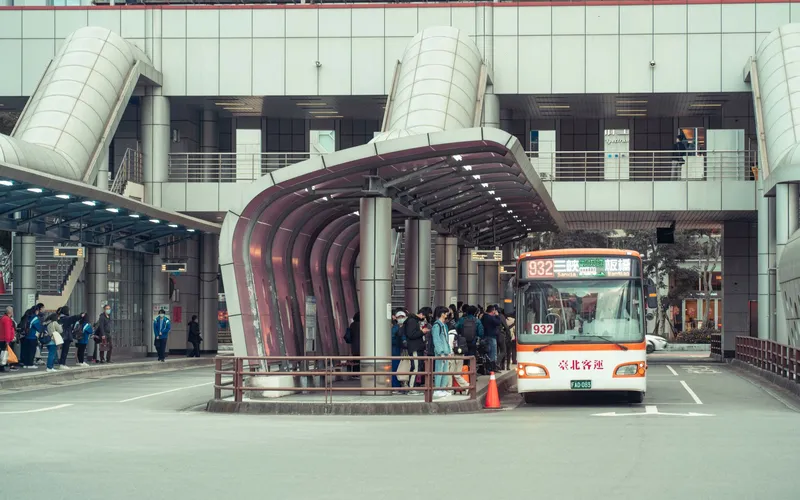
Where the train does not go, the bus almost always does. Thailand's long-distance coaches are frequent, cheap and generally comfortable, with VIP services offering reclining seats on overnight routes. Government-run buses from official terminals are the safest and most reliable; be more cautious with the cheap tourist buses sold on backpacker streets, which have a poorer safety and security record.
Minivans, known as rot tu, cover the medium-distance routes that fall between towns, and they are the workhorses of provincial travel. They are fast and frequent but cramped, and drivers can be brisk, so they suit shorter hops of two to four hours rather than marathon journeys. They leave from designated stations rather than the roadside, and they usually depart when full or on a fixed schedule.
Songthaews, tuk-tuks and local rides
Once you are in a town, the local transport takes over. The songthaew, a converted pickup with two benches in the back, is the backbone of local travel outside Bangkok. In cities like Chiang Mai the red songthaews work like shared hop-on, hop-off taxis: you flag one down, tell the driver your destination, and pay a small fixed fare, typically in the range of 30 to 60 baht for a shared ride, more if you charter the whole vehicle. On islands they often run a fixed loop along the main road.
Tuk-tuks are the tourist icon and can be fun for a short hop, but fares are negotiable and often inflated, so agree the price before you climb in. In practice, for point-to-point trips in the bigger cities, a ride-hailing app is usually cheaper and less stressful than haggling.
Get matched with up to 5 trusted Thailand agencies
- Free
- No obligation
- Up to 5 agencies
Ride apps and how to pay
Ride-hailing has transformed short-distance travel in Thailand. Grab is the dominant app and operates in Bangkok, Chiang Mai, Phuket, Pattaya, Hua Hin, Krabi and other tourist centres, with rivals Bolt and InDrive also widely used and often a little cheaper. They run around the clock, show the fare up front, provide clear pickup instructions and accept cashless payment, which removes the negotiation and the language barrier in one go.
That said, you should always carry small notes of Thai baht, because songthaews, older taxis, rural buses and market stalls run on cash. Setting up a local SIM or eSIM before you rely on the apps is essential, and our guide to money and connectivity in Thailand covers how to get online and pay smoothly from the moment you land.
Boats and ferries: reaching the islands
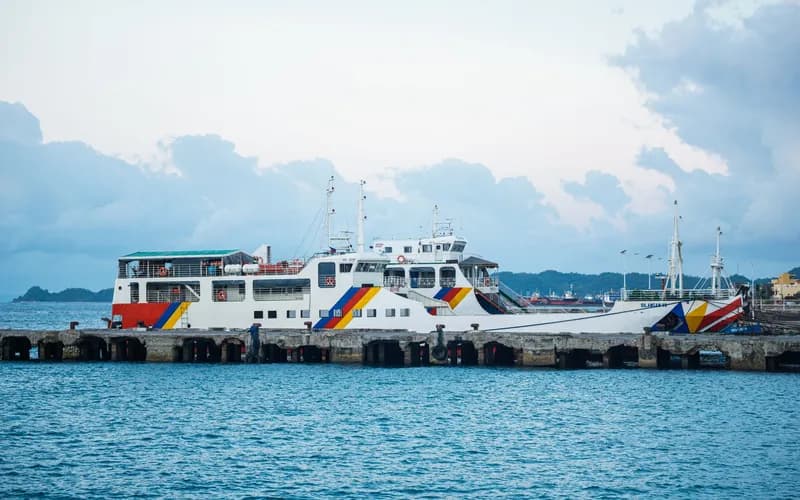
No trip to Thailand's coasts is complete without a boat, and the ferry network is extensive on both the Andaman and the Gulf sides. Large car ferries and fast passenger catamarans link the mainland piers to the major islands, while longtail boats handle the short local crossings and the beach-to-beach hops that no road can reach.
The important thing is to match the boat and the crossing to the season, because the two coasts have opposite weather patterns and rough seas can cancel sailings. Choosing the right island for the right months is a whole decision in itself, and our guide on how to choose your Thai island walks through matching the coast and the season to the trip you actually want.
When flying still makes sense
Slow travel does not mean never flying, and Thailand is large enough that the occasional domestic flight is a reasonable choice, for example between the far south and the far north, where the overland journey would swallow two full days. Budget carriers connect Bangkok to most regional airports cheaply. The sensible approach is to fly only when the distance genuinely justifies it, and to take the train or bus for everything within a night's reach, so that flying remains the exception rather than the reflex.
Putting a route together
The real skill is stitching these modes into a coherent trip. A classic slow itinerary might use an overnight train north, songthaews and a rented bicycle to explore a town, a minivan to a nearby valley, then a train and a ferry to reach an island for a final stretch on the coast. Sequencing it well, so that each transfer is short and each stay is long, is what separates a relaxed trip from a rushed one. Our slow traveller's guide to Thailand and the plan your journey page can help you shape a route that flows rather than lurches.
Timing, tickets and small practicalities
A few practical habits make Thai transport far smoother. For trains, book through the State Railway of Thailand's official channels or a reputable booking site; sleeper berths on popular overnight routes sell out days ahead in high season and around Thai public holidays, so reserve early rather than gambling on availability. For buses and boats, combined tickets that bundle a coach and a ferry to an island can save a lot of hassle at the transfer, though buying each leg separately is often cheaper and gives you more flexibility if plans change.
Small things matter over a long trip. Journeys can be cold: long-distance buses and sleeper trains crank the air-conditioning hard, so a light layer and something to cover your eyes make the difference between arriving rested and arriving frazzled. Roads in the hills wind sharply, so if you are prone to motion sickness, the front of a minivan and a stock of remedies are worth planning for. Keep your valuables on your person on overnight journeys rather than in the hold, and photograph your ticket in case a paper copy goes astray.
Navigation apps work well in Thailand, but with caveats. Google Maps gives good driving and walking directions and increasingly decent public-transport routing in Bangkok, but it is unreliable for rural bus and songthaew routes, which often exist only in local knowledge. Asking at a guesthouse or a bus station is frequently faster than any app for working out how to reach a smaller town. Downloading maps for offline use before a rural leg is a sensible precaution when the mobile signal thins out.
It also helps to understand roughly what things cost, so you can tell a fair price from an inflated one. Local buses and songthaews run to a few tens of baht, intercity trains and buses to a few hundred, and even a long sleeper journey across the country rarely costs more than a modest restaurant meal back home. Knowing the ballpark keeps the occasional tuk-tuk driver honest and lets you relax about spending. Finally, build slack into your schedule. Ferries are cancelled in rough seas, trains run late, and minivans wait until they are full. A slow traveller's advantage is that none of this needs to derail a trip: with an unhurried itinerary and a spare day here and there, a delayed boat becomes an extra afternoon somewhere pleasant rather than a crisis. Treating the journey as part of the holiday, rather than dead time between destinations, is the mindset that makes overland travel in Thailand a pleasure rather than a chore.
What to Do Next
- Build your long-distance backbone around the train first, and reserve sleeper berths in advance for overnight legs.
- Use official-terminal buses and minivans to fill the gaps the railway does not reach, avoiding cheap tourist buses.
- Install a ride app and set up a local SIM or eSIM before you arrive so short trips are effortless.
- Always keep small baht notes for songthaews, rural buses and markets that do not take cards.
- Check ferry seasons and sea conditions before committing to island dates.
- Reserve domestic flights only for the longest north-to-south jumps, and take the slow route for everything else.
Frequently Asked Questions
Do I need to book trains in advance in Thailand?
For sleeper berths and popular routes, yes, especially in high season and around Thai holidays, when they sell out days ahead. For daytime seats on quieter lines you can often buy on the day, but booking ahead is safer.
Is Grab available everywhere in Thailand?
Grab operates in Bangkok and the main tourist cities and islands, but coverage thins out in rural areas and smaller towns, where songthaews and local transport remain the norm. Bolt and InDrive are useful alternatives where they operate.
Are minivans safe in Thailand?
Minivans from official stations are a normal and widely used way to travel, though they can be cramped and drivers sometimes hurry. Wear the seatbelt where one is fitted, and prefer government terminals over informal roadside pickups.
How do I get to the islands?
By ferry or speedboat from the mainland piers, with services matched to each island. Book combined bus-and-boat or train-and-boat tickets for a smoother transfer, and always check the season, as sailings can be cancelled in rough weather.
Is it cheaper to fly or take the train in Thailand?
Budget flights can be surprisingly cheap on long routes and sometimes rival the train on price, but the train saves a night's accommodation on overnight runs and is far more scenic. For anything within a night's journey, the train usually wins on value and experience.
Can I get around Thailand without renting a vehicle?
Easily. Between trains, buses, minivans, songthaews, ride apps and ferries, you can reach almost anywhere in the country without ever driving yourself, which is part of what makes Thailand such a comfortable place for slow, car-free travel.