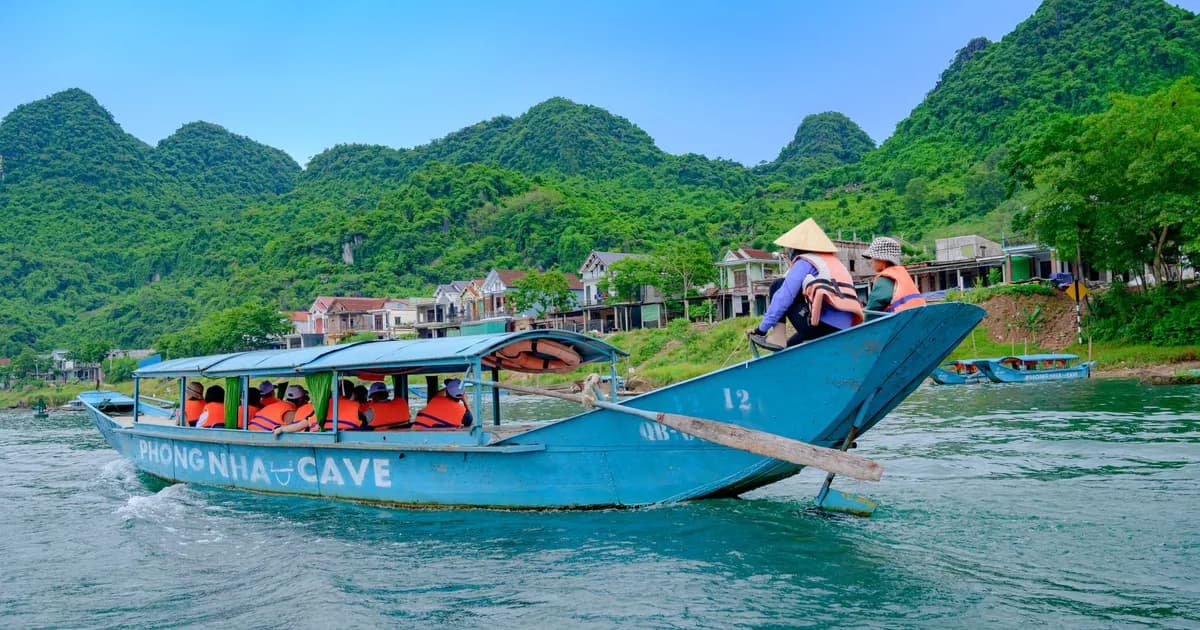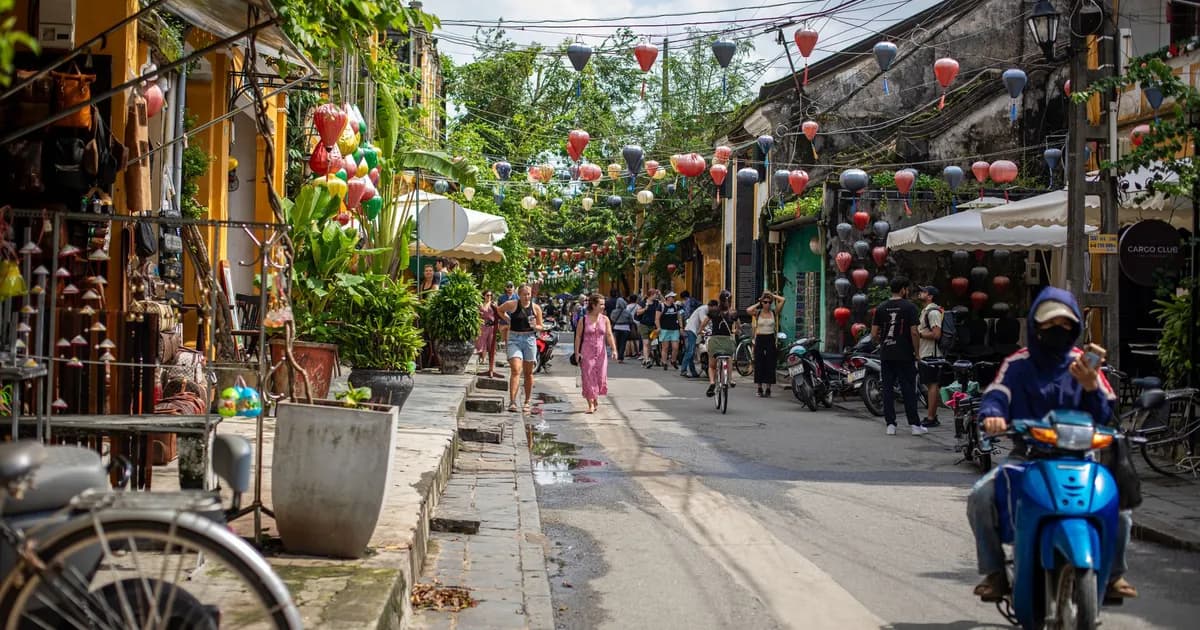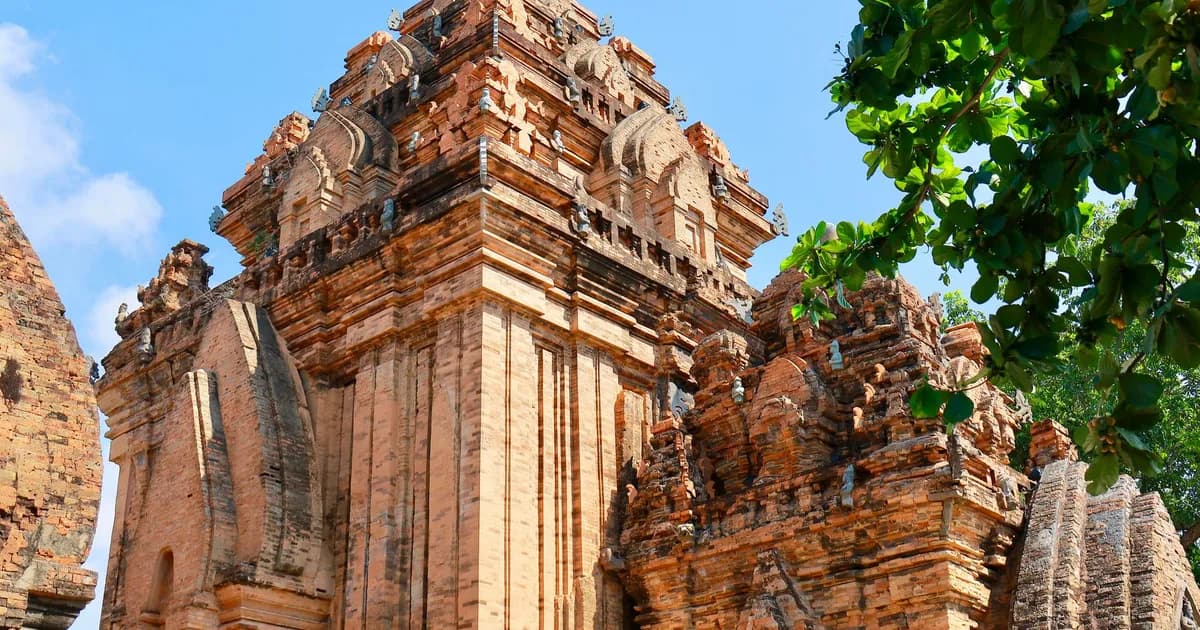
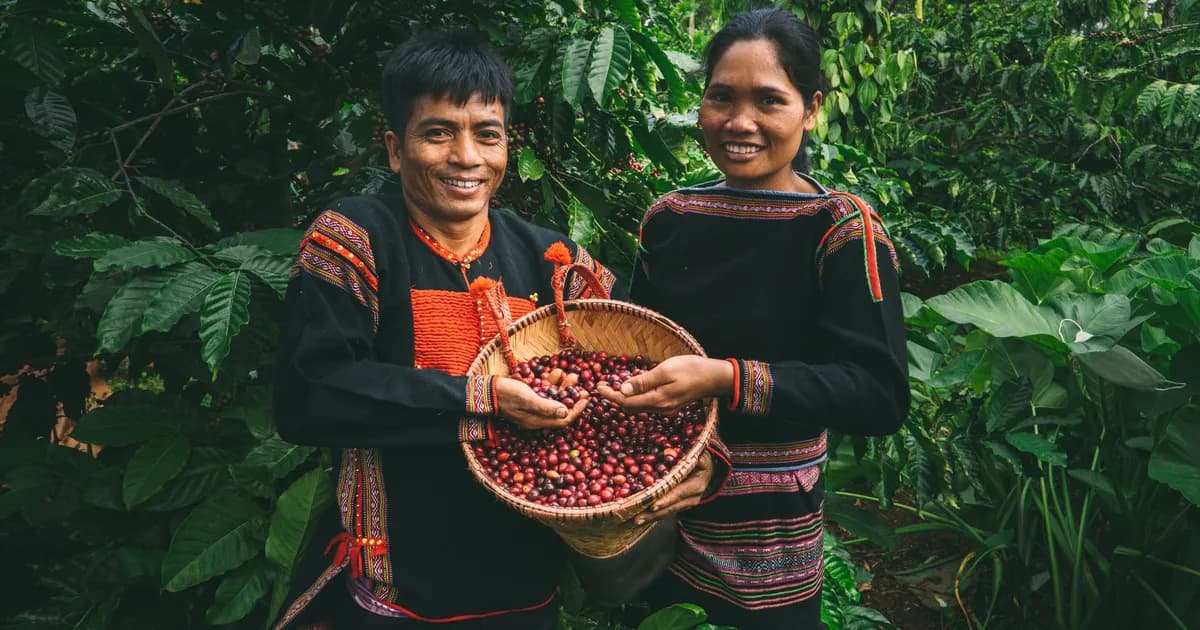

Most travellers fly over the Central Highlands. The main road from Ho Chi Minh City to Da Lat clips their southern edge, the coastal railway runs along the other side, and the space in between stays empty on most itineraries. That space is Dak Lak: red basalt soil, robusta plantations to the horizon, elephant forest along the Cambodian border, and Ede longhouses where the working language at home is still not Vietnamese. It grows a meaningful share of the world's coffee and receives a tiny fraction of Vietnam's visitors. That imbalance is the entire argument for going.
Where Dak Lak sits, and what changed on the map
Dak Lak occupies the middle of the Central Highlands plateau, roughly 500 metres above sea level, sharing a long western border with Cambodia. Its capital, Buon Ma Thuot, is about 350 kilometres from Ho Chi Minh City and 200 kilometres inland from the coast at Nha Trang.
The important recent change is administrative. Since the national reorganisation that took effect in July 2025, Dak Lak has absorbed the former Phu Yen province, which means the province now runs from the highland plateau all the way to the South China Sea. On paper, that gives Dak Lak a coastline. In practice, the two halves are still five hours apart by road and feel like different countries. Do not let a merged province name convince you that you can do highlands and beach in one relaxed loop. If your booking confirmations and maps disagree about which province a place is in, that is why, and we have written a fuller explanation in our piece on what Vietnam's redrawn provincial map means for trip planning.
Getting there is straightforward and cheap. Buon Ma Thuot airport (BMV) sits about 11 kilometres southeast of the city, roughly 25 minutes from the centre, with daily domestic flights from Hanoi, Ho Chi Minh City and Da Nang on Vietnam Airlines, plus Vietjet services from Hanoi, Ho Chi Minh City, Thanh Hoa and Haiphong. There are no international flights. Overland, buses run from Nha Trang, Da Lat and Pleiku, and the highland roads are genuinely scenic rather than merely functional.
One request. Up to five tailored proposals.
Skip contacting agencies one by one — share your trip once and let up to five trusted Vietnam agencies come to you. Free, with no obligation.
Get my free quotesThe coffee is the point, but not the way you expect
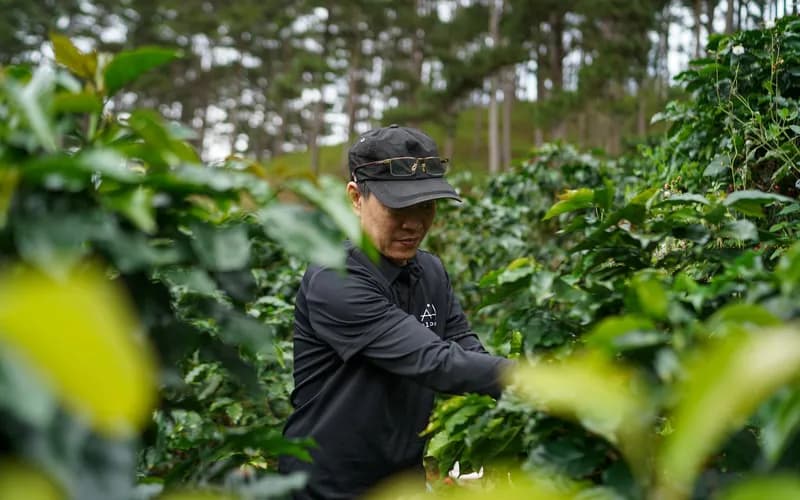
Buon Ma Thuot calls itself the coffee capital of Vietnam, and for once the marketing is accurate rather than aspirational. This is robusta country: bold, low-acid, heavy-bodied coffee, the backbone of Vietnamese ca phe sua da and of a large share of the world's instant and espresso blends. It is not the delicate washed arabica that speciality cafes in Hanoi have learned to fetishise, and the region is more interesting for admitting that.
What makes the place worth a visit is that you can follow the chain from soil to cup in a single day, which is almost impossible anywhere else in Vietnam. The World Coffee Museum, on Nguyen Dinh Chieu Street in the Tan Loi ward, is the obvious anchor. Its architecture borrows deliberately from Ede longhouse forms, and the collection traces coffee across continents rather than treating Vietnam as the centre of the universe. Adult entry generally sits around 75,000 to 150,000 VND depending on which sections you include; add-on tasting shows run considerably higher and are optional in every sense.
Beyond the museum, the useful visits are agricultural. Trung Nguyen Coffee Village combines gardens, highland-inspired buildings and a fairly commercial cafe experience. Working farms outside the city, including specialty producers such as Aeroco, let you walk the rows, watch processing, and taste the same lot prepared several ways. Full-day guided coffee tours combining a farm, the museum and an Ede village are widely sold at around 100 US dollars per person, which is not cheap by Vietnamese standards; arranging the same route independently with a driver typically costs a third of that if you are comfortable without English commentary.
If you want the wider cultural context before you arrive, our guide to Vietnamese coffee culture for slow travellers covers the drinking rituals that Dak Lak supplies.
Gong culture, and how to encounter it honestly
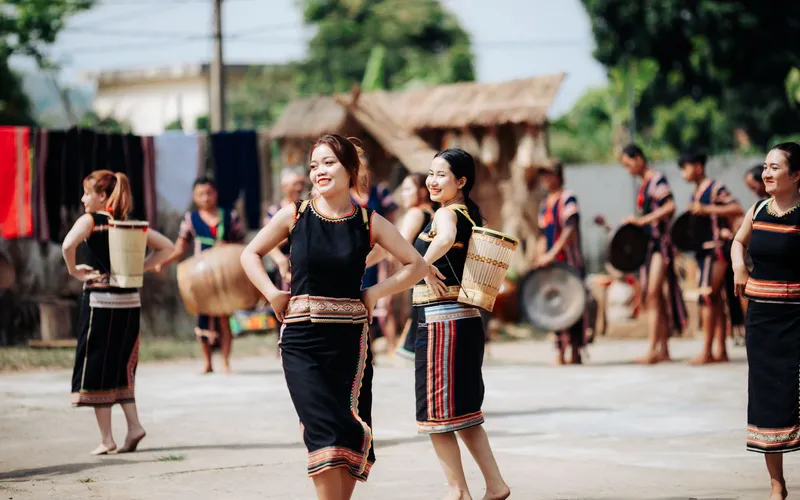
The Space of Gong Culture of the Central Highlands is inscribed on the UNESCO list of intangible cultural heritage, and Dak Lak is one of its heartlands. For Ede and M'Nong communities, gong sets are not a folk instrument in the concert-hall sense. They are ritual objects, associated with ancestors, harvest, agreements and the spirit world, and their value historically ran to the price of several buffalo.
This creates an honest problem for visitors. The gong performances easiest to book are hotel-lobby versions: short, amplified, scheduled around dinner. They are not fraudulent, but they are not the thing either. The alternative is slower and requires accepting that you may not get what you came for. Some villages around Buon Ma Thuot and Lak Lake host performances arranged through community tourism groups, where the musicians are village elders and the fee goes to the ensemble rather than a venue. These are usually organised a day or more ahead, often through your homestay or a local operator, and they are worth waiting for.
Two rules apply throughout. Ask before photographing, particularly during anything ritual. And if rice wine is passed and toasted, a sip and a thank-you is the courteous minimum; declining outright reads as a refusal of hospitality rather than a dietary preference.
Get matched with up to 5 trusted Vietnam agencies
- Free
- No obligation
- Up to 5 agencies
Yok Don, elephants, and a question worth asking
Yok Don National Park, on the Cambodian border about 40 kilometres northwest of Buon Ma Thuot, is one of Vietnam's largest protected areas and its most significant dry dipterocarp forest. Entry is modest, around 30,000 VND for adults and 20,000 for children, with a small parking charge.
Yok Don matters for a reason beyond scenery. It is the site of Vietnam's most credible shift away from elephant riding. Since 2018, in partnership with international welfare organisations, the park has moved to an observation model in which visitors walk with rangers to watch elephants forage in forest rather than sit on them. Several operators in the region followed. Others did not, and elephant rides are still sold around Lak Lake and at some tourist sites in the province.
Our position is simple and not negotiable: do not ride. If you are booking through an agency, ask directly whether any elephant contact is included and what welfare standard applies. Any operator worth using will answer without hedging, and any that changes the subject has told you what you need to know.
The slow middle of the province
Away from the coffee circuit, Dak Lak rewards aimlessness better than it rewards checklists.
- Lak Lake, about 50 kilometres south of the capital, is the largest natural freshwater lake in the highlands, ringed by M'Nong villages and stilt houses, with a former imperial hunting lodge on the hill above.
- Dray Nur and Dray Sap waterfalls sit close together on the Serepok river and are genuinely powerful from roughly August to November; in the dry months they shrink considerably, which almost no promotional photograph admits.
- Buon Don, near the park, has a long history of elephant capture and a complicated heritage to go with it, including suspension bridges over the Serepok.
- The road east through Krong Bong and toward the coast passes through farmland and small towns where foreign visitors remain unusual enough that the interaction is not transactional.
Two or three days is enough for the coffee and the headline sights. Five allows you to slow to the pace the place actually operates at. If you want to extend rather than return to a hub, the newly merged province's coastal side and the quiet shore around Quy Nhon and the central coast make a logical onward leg.
When to go, and what it costs
The Central Highlands run on two seasons rather than four. The dry season, roughly December to April, is cool, clear and comfortable, and includes the coffee blossom period when whole valleys turn white and intensely fragrant, usually in late February and March. This is the best window and the busiest domestic one. The wet season, May to November, brings heavy afternoon rain, full waterfalls, deep green plantations, and harvest activity from around November. Buon Ma Thuot sits high enough that highland nights are cool year-round; bring a layer, which visitors coming up from the coast rarely do.
Costs remain low. Comfortable mid-range hotels in Buon Ma Thuot run well under Vietnamese city prices, guesthouses and homestays around Lak Lake are cheaper still, and a full day with a car and driver is usually the largest single line in the budget. Note that Buon Ma Thuot was the only Vietnamese destination named in National Geographic's 2026 round-up of world food destinations, largely on the strength of its coffee heritage. Expect that recognition to move prices and visitor numbers over the next few years, which is a reason to go sooner rather than later. Dak Lak also fits neatly into the wider argument we make in our guide to Vietnam beyond the standard route.
What to Do Next
- Choose your season deliberately: late February to March for coffee blossom and cool clear air, September to November for full waterfalls and harvest.
- Book flights into BMV rather than routing overland from Da Lat unless you actively want the drive; the road is beautiful but eats a day.
- Decide early whether you want a guided coffee day or an independent one with a driver, and price both. The difference is roughly threefold.
- Ask any operator, in writing, about elephant policy before you pay a deposit.
- Give the province at least four nights. Two is a stopover, not a visit.
- Arrange any village gong performance a day or more in advance through your accommodation, and ask where the fee goes.
- When you are ready to build the wider trip, start with our Vietnam trip planning resources.
Frequently Asked Questions
Is Buon Ma Thuot worth visiting if I do not care about coffee?
Yes, but manage expectations. The gong culture, Yok Don, Lak Lake and the highland landscape stand on their own. That said, coffee is the region's identity, its economy and its best-organised visitor experience, and skipping it entirely means skipping the thread that connects everything else.
How many days do I need in Dak Lak?
Three days covers Buon Ma Thuot, one farm visit, the museum and a day trip. Four or five lets you add Lak Lake or Yok Don properly without moving every morning, which is the version we would recommend.
Is Dak Lak now on the coast because of the province merger?
Administratively yes, practically no. The former Phu Yen coastline is now part of Dak Lak province, but it remains around five hours from Buon Ma Thuot by road. Treat them as two separate destinations that happen to share a name.
Should I ride an elephant at Lak Lake or Buon Don?
No. Yok Don National Park has operated an observation-based model since 2018 and several regional operators have followed it. Rides are still sold elsewhere in the province. Choosing the walking option is the whole point.
Do people speak English in Dak Lak?
Less than in Hanoi, Hoi An or Ho Chi Minh City. Hotel staff and tour guides in Buon Ma Thuot generally manage; in villages and on farms, considerably less. A translation app and patience cover most situations, and a guide is genuinely useful for village visits.
When exactly do the coffee flowers bloom?
Usually across late February and March, triggered by the first irrigation or rain after the dry spell. The bloom lasts only a few days per farm and varies year to year, so treat it as a bonus rather than a fixed date to book around.
Can I visit Dak Lak in the rainy season?
Yes. Rain tends to come in concentrated afternoon bursts rather than all-day drizzle, waterfalls are at their best, and the plantations look their most alive. Roads to remoter villages can get difficult, so build slack into the plan.