Hoi An Beyond the Lanterns: A Slow Traveller's Guide
Hoi An is the most photographed town in Vietnam, and for most visitors it lasts about a day and a half: a lantern-lit stroll, a tailor appointment, a bowl of cao lau, then the bus to the next stop. That is a pity, because the town works the other way round. The longer you stay, the more of it opens up. The crowds thin out by nine in the morning, the river villages start to make sense, and the food stops being a menu and becomes a routine.
This guide is for travellers who want to give Hoi An four to six nights rather than one or two. It covers how the Ancient Town ticket actually works, how to structure a day around the heat and the crowds, what lies beyond the old streets, what a realistic budget looks like, and when the weather turns against you. It is not a case for avoiding Hoi An. It is a case for meeting it on better terms.
Why Hoi An rewards a longer stay
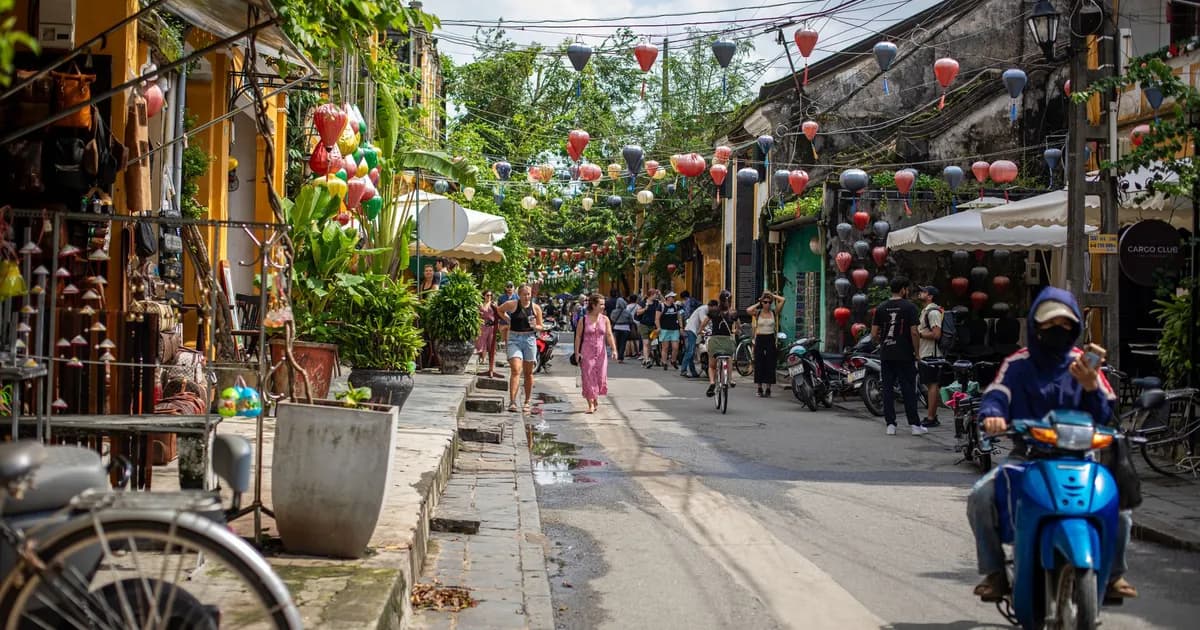
Hoi An has been a trading port for centuries. Japanese, Chinese and European merchants all used the Thu Bon River estuary, and the old quarter, inscribed by UNESCO in 1999, still shows it in its timber shophouses, assembly halls and merchant homes. The town is small, flat and walkable, which is both its charm and its problem: it fills quickly, and the evening crowd can feel more like a queue than a stroll.
A longer stay changes the maths. With four or more nights you can do the old town at its best hours, spend the middle of the day elsewhere, and still have the evenings. You can also see the town as a working place rather than a stage set. Hoi An is now administratively part of Da Nang city following the 2025 provincial mergers, which matters mainly for paperwork and signage, but the town itself still behaves like its own small world, with its own rhythm, markets and river traffic.
The honest caveat is that Hoi An is no longer undiscovered, and no amount of clever planning will make the lantern-lit evenings empty. The aim is to keep those evenings as one part of a richer stay, not the whole of it.
One request. Up to five tailored proposals.
Skip contacting agencies one by one — share your trip once and let up to five trusted Vietnam agencies come to you. Free, with no obligation.
Get my free quotesHow the Ancient Town ticket works
Visitors to the old quarter buy an entrance ticket, and it is worth understanding before you queue. According to the Hoi An heritage authority, there are two versions. The 80,000 VND ticket covers general access to the pedestrian zone, one of either the Japanese Covered Bridge or the Quan Cong Temple, and two further monuments of your choice. The 120,000 VND ticket adds a museum and a third chosen monument. A single purchase is valid throughout your stay, up to three days.
Some details are useful in practice. Children under 16 enter free, and there are 50 percent reductions for students, older visitors and some other groups. The pedestrian streets run roughly 9:00 to 21:30 in summer and 9:00 to 21:00 in winter, with the busy Phan Chau Trinh Street section opening from 17:30. Scheduled performances, including the Traditional Art Performance House and the Japanese tea ceremony, are included in set time slots, so check the posted times rather than turning up on impulse.
Treat the ticket as a pass, not a checklist. Three or four well-chosen houses and halls are enough. The Phuc Kien Assembly Hall and one of the old merchant houses will tell you more about the town than ten rushed ticks. Keep the ticket with you, as checks do happen at monument doors, and ignore anyone on the street who suggests you can skip it without consequence.
Mornings before the crowds
The single best habit you can adopt in Hoi An is to be on the streets early. At seven the light is soft, the shopfronts are still shuttered, and the town belongs to residents: women setting up vegetable stalls, men heading to the river, the smell of charcoal and fish sauce from the market. The tour groups arrive later, and by mid-morning the heat has made the old streets uncomfortable anyway.
A simple rhythm works. Walk the old town from about 6:30 to 8:30, take breakfast at the central market or a family-run stall, then retreat to your hotel or a shaded cafe for the hottest hours. Come back around five for the golden hour when the buildings glow and the day-trippers are leaving. If you want the lanterns, go on a weekday evening, and consider the monthly full-moon night, held around the fourteenth day of the lunar month, only if you enjoy crowds, since the electric lights are switched off and the streets fill with people and floating candles.
Get matched with up to 5 trusted Vietnam agencies
- Free
- No obligation
- Up to 5 agencies
Beyond the old streets: farms, river and coast
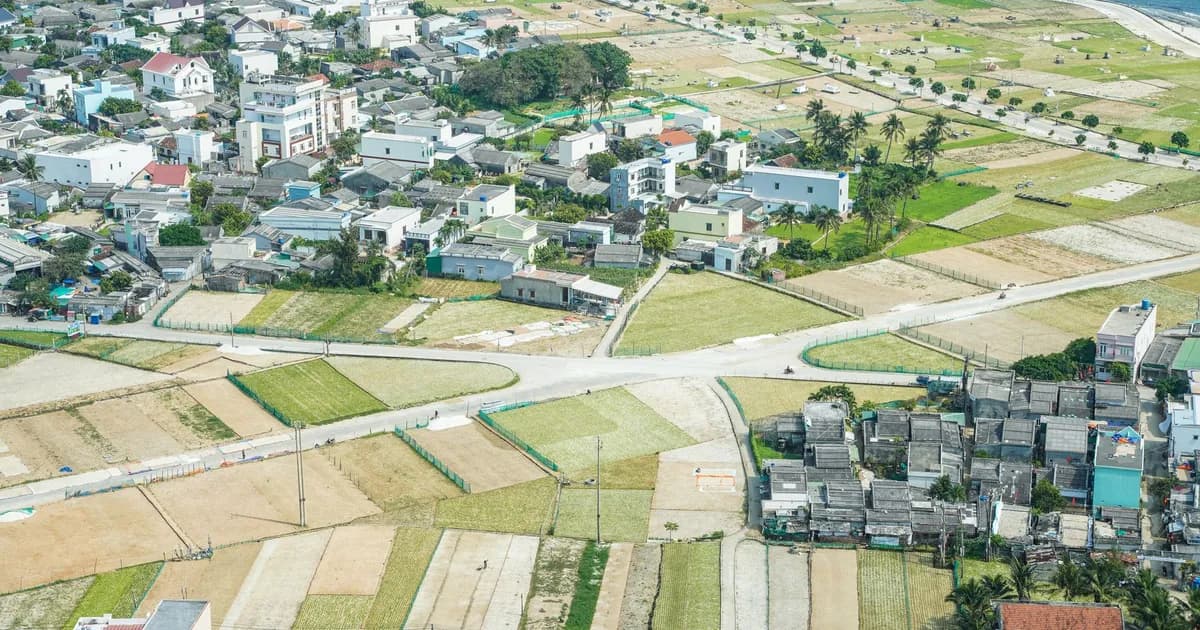
The most rewarding Hoi An days begin outside the ticketed zone. Tra Que, a vegetable village a short ride north-east of town, grows herbs and greens in raised beds fertilised with river weed. Visits there combine a walk through the beds, a lesson in the local cooking, and lunch. Choose a small operator and ask whether the farmers actually benefit, because the village has become busy, and the quality of the experience varies widely.
To the east, Cam Thanh is known for its nipa palm waterways and the round basket boats that tourists ride. The traditional experience has become commercialised, so go early, accept that it is partly theatre, and consider a quieter kayak or a boat run by a local family. Cycling is the best way to link these places. Bicycle rental runs roughly 30,000 to 50,000 VND a day, and the lanes between rice fields and aquaculture ponds are flat and calm outside the midday heat.
An Bang Beach is the simple coastal option, with a relaxed strip of beach bars and a short taxi or bicycle ride from the old town. A Grab to An Bang typically costs around 50,000 to 70,000 VND. For a longer day, the Thu Bon river and the surrounding countryside reward travellers who simply follow the lanes. Further afield, the nearby My Son sanctuary and the Marble Mountains are popular day trips, and they are better done early or on weekdays.
Eating well without the menu trap
Hoi An has several dishes found nowhere else in the country. Cao lau is a bowl of thick, chewy noodles with slices of pork, herbs and crisp croutons, traditionally linked to water from local wells. White rose dumplings, delicate steamed rice parcels with shrimp, and mi quang noodles are also worth seeking out. Banh mi here has a national reputation, and the best stalls open early and sell out.
The practical advice is to eat where locals eat. Look for short menus, plastic stools and a queue of Vietnamese diners. Street food and bowls of cao lau tend to run from about 20,000 to 50,000 VND, while sit-down restaurants in the old town charge more, commonly 60,000 to 120,000 VND for a dish. If a menu has no prices, ask first. Cooking classes are a popular choice and generally cost from roughly 500,000 to 1,200,000 VND depending on the format. If you plan to take one, our guide to choosing a Vietnamese cooking class and market tour explains what to ask and what to avoid.
On tailors, a Hoi An institution, the same logic applies. A good garment takes several fittings, so allow at least three days, and bring a reference piece or a clear photo. Ask for fabric samples, agree the price in writing, and do not be rushed into a decision on the first visit. A tailor who insists on speed is rarely one worth hiring.
When to go, and when to be careful
Hoi An has a pronounced seasonal pattern. The dry months from February to May bring the best weather and the highest prices. The shoulder months of June and September offer good value with workable weather. October to December is the rainy season, with the lowest rates, but also a real flood risk. The old town sits close to the river and can flood when heavy rain coincides with high water. Floods are part of local life, with residents moving furniture upstairs and marking the high-water lines on their walls, but they can close streets and disrupt travel for days.
If you visit in the rainy season, build in slack. Avoid tight onward connections, check forecasts and local advisories, and have a flexible plan for your hotel. Our piece on how storm-season closures work in Vietnam explains how suspensions and warnings are issued, and how to plan around them. Flooded streets can also be an extraordinary sight, as the town turns into a quiet waterscape, but they are a poor time for a day-by-day sightseeing programme.

Where to stay and how long
For a short stay, the old town is convenient, but it is also where noise and crowds are concentrated. A homestay on the edge of town, or in the rice fields toward Tra Que, trades convenience for quiet and often comes with a bicycle and a decent breakfast. Basic double rooms with air conditioning typically cost around 300,000 to 400,000 VND a night, and budget tiers generally sit between 250,000 and 500,000 VND, with prices rising sharply in the dry-season peak and around holidays.
As for length, four nights is the practical minimum for slow travel, and five or six nights is better if you want a day in the countryside, a cooking class, a tailor fitting and a beach afternoon without rushing. Hoi An works well as a base for a few days before or after Da Nang, Hue or the Central Highlands. Our overview of what a Vietnam trip really costs in 2026 helps you place Hoi An's prices within a wider budget.
Realistic daily costs
A comfortable but not extravagant day in Hoi An, excluding tours, tailoring and accommodation, can cost around 400,000 to 700,000 VND per person if you eat a mix of street food and one restaurant meal, rent a bicycle and pay for a few entries. Add a cooking class or a boat ride and the number climbs, and tailoring depends entirely on what you order. Boat rides around Cam Thanh are often quoted near 150,000 VND for 20 minutes, which is worth knowing before you agree to anything.
Tipping and bargaining deserve a small note. Fixed-price places such as restaurants and shops with price tags do not expect haggling, and tips are appreciated rather than required. Markets and street sellers are a different matter. We cover the details in our guide on how to tip, bargain and pay a fair price in Vietnam.
What to Do Next
- Decide how many nights you can give Hoi An, and aim for at least four.
- Check the season: favour February to May for weather, or June and September for value, and treat October to December as a flexible, flood-aware window.
- Buy the Ancient Town ticket once, choose three or four monuments, and keep the stub.
- Plan your mornings in the old quarter and your afternoons elsewhere, by bicycle or in a cafe.
- Book one countryside day, such as Tra Que or the Cam Thanh waterways, with a small operator.
- If you want a tailor, allow three days and agree details in writing.
- If you would like help linking Hoi An with the rest of your route, see our plan your journey page.
Frequently Asked Questions
How many days do you need in Hoi An?
Four nights is a sensible minimum for a slow trip, and five or six is better. That gives you old-town mornings, a countryside day, a cooking class or tailor fitting, and a beach afternoon without a rushed schedule. Two nights is enough to see the main sights but not to feel the town settle around you.
How much is the Hoi An Ancient Town ticket?
The heritage authority lists two options: 80,000 VND for general access, one of the Japanese Covered Bridge or Quan Cong Temple, and two further monuments, and 120,000 VND for a ticket that adds a museum and a third monument. A single ticket is valid for up to three days. Children under 16 enter free, and some groups receive a 50 percent discount. Prices can change, so confirm at the ticket point.
Is Hoi An too touristy for slow travel?
It is busy, especially in the evening, but it is not beyond redemption. Early mornings, weekday evenings, countryside days and a longer stay change the experience considerably. If you want a quieter coastal alternative, our guide to off-the-beaten-path Vietnam suggests other places worth considering.
When is the best time to visit Hoi An?
February to May brings the most settled weather and the highest prices. June and September are good value shoulder months. October to December is the rainy season, with lower prices and a genuine flood risk, so keep your plans flexible.
Does Hoi An flood every year?
Flooding is common in the rainy season when heavy rain coincides with high river levels, though severity varies from year to year. Some years bring only brief water in the lowest streets, and others close parts of the old town for days. Check local forecasts and allow slack in your itinerary.
Is it worth getting clothes made in Hoi An?
It can be, if you allow enough time and set your expectations sensibly. Plan on at least three days and several fittings, bring a reference garment, ask for fabric samples and agree prices in writing. Avoid tailors who push for rapid decisions or large deposits.
Can you visit Hoi An as a day trip from Da Nang?
Yes, and many people do, but a day trip puts you in the town at its busiest. If your time is limited, stay at least one night so that you can walk the streets early or late.