
The stomach-bug story is the one every returning traveler tells first, and it keeps a surprising number of people from ever pulling up a plastic stool to a Vietnamese street stall. That is a shame, because street food is not a gamble you take despite Vietnam — it is one of the clearest ways to actually taste the country. Eating safely here is less about avoidance and more about reading a handful of signals correctly.
Why the Fear Is Mostly Misplaced
Most foodborne illness on a Vietnam trip does not come from a grimy-looking cart with decades of use — it comes from food that has sat at room temperature too long, water that was never boiled, or hands that touched raw meat and then your bowl. None of that is unique to street food; it happens in restaurant kitchens too, just out of view. In fact, one advantage street food has over a closed restaurant kitchen is visibility: many vendors cook in the open, right in front of you, which means you can actually watch the ingredients, the heat, and the handling before you decide to sit down.
The vast majority of travelers who follow a few consistent habits eat street food daily for weeks without incident. The goal of this guide is not to make you cautious to the point of missing the food — it is to replace vague anxiety with a short list of things worth actually checking. If you want a fuller sense of where street food fits into the country's wider culinary landscape, from noodle carts to Michelin-recognized kitchens, UNRUSH's guide to Vietnamese food in 2026 is a good companion to this one.
One request. Up to five tailored proposals.
Skip contacting agencies one by one — share your trip once and let up to five trusted Vietnam agencies come to you. Free, with no obligation.
Get my free quotesReading a Stall Before You Order
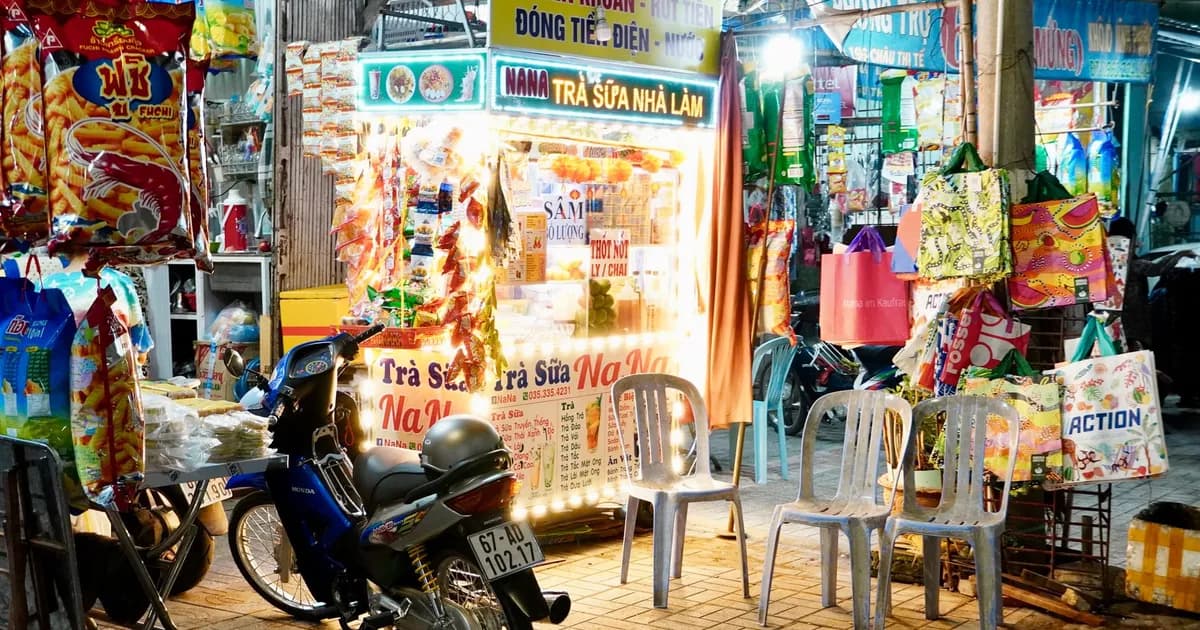
The single best predictor of a good, safe meal is turnover. A stall busy with local customers, especially at lunchtime, is telling you two things at once: the food is good enough that people keep coming back, and ingredients move quickly enough that nothing sits around spoiling. An empty stall at a normally busy hour is a more useful warning sign than a plastic stool or a lack of English menu ever will be.
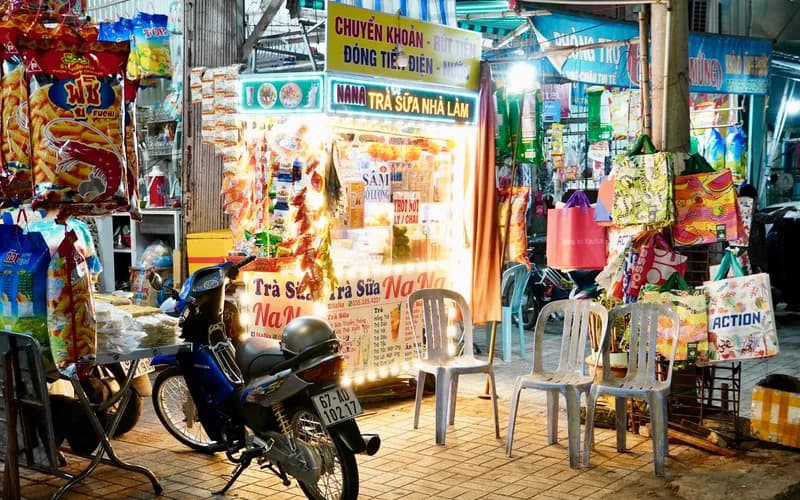
Watch how the vendor handles cash and food. Ideally there is some separation — tongs or a spoon for food, a separate hand or a small bowl for money — though in a genuinely busy stall this is not always perfectly maintained, and a quick squirt of hand sanitizer between handling cash and serving is a reasonable substitute to look for. None of this needs to be forensic. You are looking for general competence and freshness, not perfection. A useful mental shortcut: judge the stall the way you would judge a home kitchen, not a certified restaurant. Is the surface wiped down between customers? Is raw meat kept separate from cooked food and garnishes? Does the vendor seem to know what they are doing, moving efficiently rather than fumbling? These are the same instincts you already use everywhere else; Vietnam does not require a different set of rules, just a willingness to actually look before sitting down.
The Hot-and-Fresh Rule
The simplest, most reliable rule for the first few days of a trip, before your gut has adjusted to new bacteria, is to favor food that is cooked to order and served hot. Phở, cooked fresh in front of you with broth at a rolling boil, is about as safe as street food gets — the heat handles almost everything. The same logic applies to bánh xèo, grilled meats on skewers, and stir-fried noodle dishes: if it comes out of a wok or off a grill moments before it reaches you, the odds are strongly in your favor.
Dishes that sit pre-made in a display case or a large pot for hours — particularly in the midday heat — carry more risk simply because bacteria have had time to multiply. This does not mean avoid them entirely; it means asking, when in doubt, whether something can be reheated, or choosing a stall where turnover is fast enough that nothing sits for long.
Get matched with up to 5 trusted Vietnam agencies
- Free
- No obligation
- Up to 5 agencies
Water, Ice, and Drinks
Tap water in Vietnam is not safe to drink, and this applies everywhere, not just in rural areas — stick to bottled or filtered water from sealed bottles, hotel filtration systems, or reputable cafés. The good news is that ice served in restaurants and street stalls is almost always tube ice, produced in large factories under regulated conditions specifically for commercial and food service use, and is generally considered safe even where the tap water is not. This surprises a lot of first-time visitors who assume all ice is risky by default; in Vietnam, tube ice is the exception that is actually fine.
Bottled water, fresh coconuts served whole and cracked open in front of you, and hot drinks like tea and Vietnamese coffee are all reliably safe choices. If you want to go deeper on the country's drinking culture beyond just safety, UNRUSH's guide to Vietnamese coffee culture is worth a read before your trip.
Foods Worth Extra Caution
A short list of dishes deserves a slightly more careful approach, mostly because they involve raw or undercooked ingredients rather than because they are inherently more dangerous when prepared well. Gỏi cá, a raw fish salad, and dê tái, rare goat, both fall into this category — order them from an established, busy restaurant rather than a random stall, and skip them entirely in your first few days if your stomach is still adjusting. Raw or lightly cooked shellfish carries similar caution, particularly outside of coastal areas where freshness is harder to guarantee.
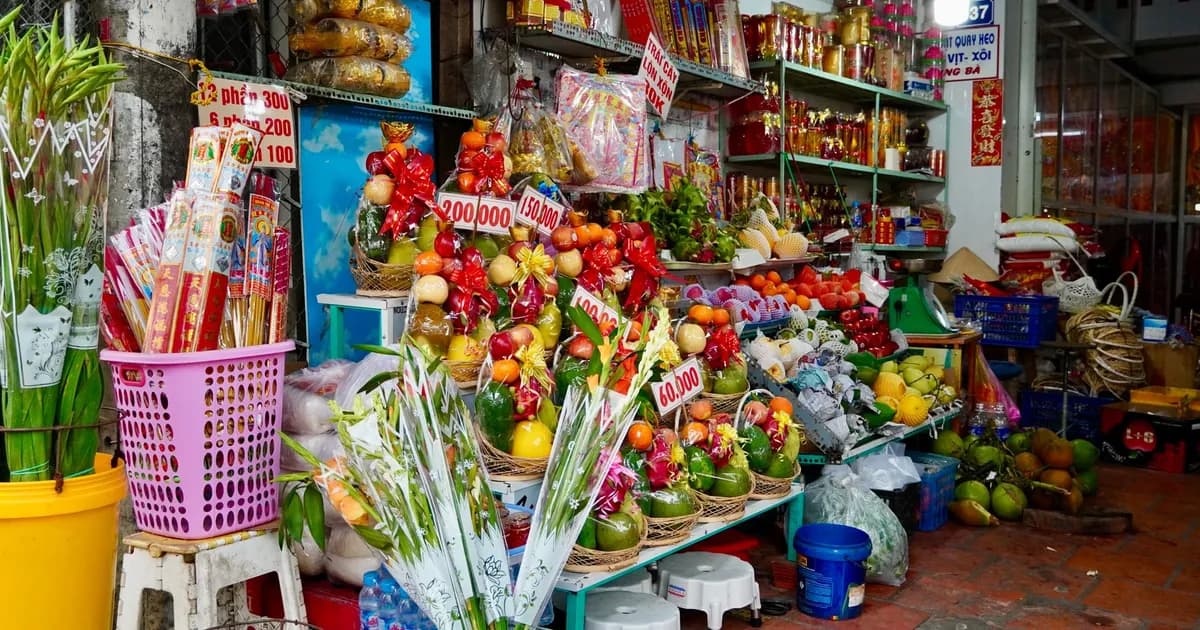
Fruit is a slightly different case. Fruit with a peel you remove yourself — bananas, oranges, watermelon, dragon fruit — is essentially always safe, since you are not eating anything that has been in contact with wash water or unwashed hands. Pre-cut fruit sold on the street, particularly if it has been sitting uncovered, is worth more scrutiny; buying it from a vendor who cuts it to order in front of you removes most of the concern.
If raw preparations make you nervous but you still want to understand Vietnamese cuisine at its most refined, a sit-down alternative is worth building into your itinerary rather than avoiding ambitious dishes altogether. UNRUSH's coverage of Hue's imperial cuisine covers a formal, restaurant-based tradition that showcases the same ingredients and techniques in a controlled kitchen setting, which is a useful contrast to street-side eating rather than a replacement for it.
Hygiene Habits That Actually Matter
Two habits do more for your odds than almost anything else on this list. Carry hand sanitizer and use it before eating, since many street setups do not have handwashing facilities nearby, particularly for seated street meals rather than sit-down restaurants. And ease into unfamiliar foods gradually in your first two or three days rather than sampling everything on day one — this is less about food safety in the strict sense and more about giving your gut flora time to adjust to genuinely different bacteria than what it is used to at home, which is a real phenomenon even when every stall you visit is perfectly hygienic.
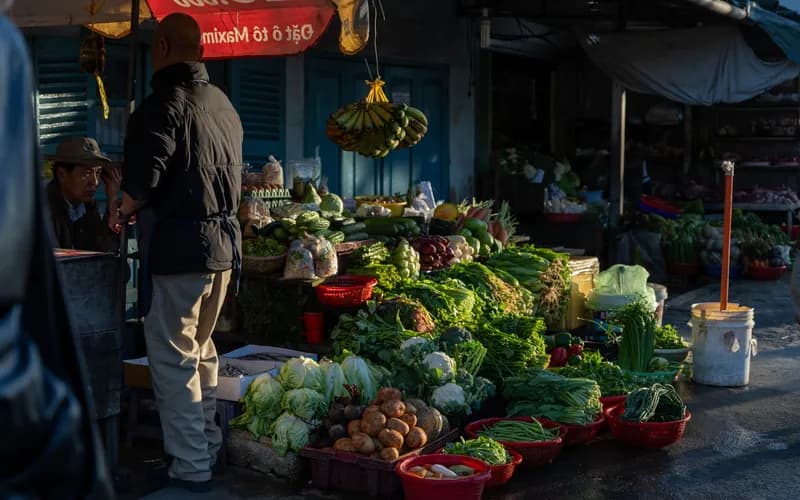
Payment habits matter here too, in a smaller way. Carrying small denomination cash for street stalls avoids the awkward wait for change that sometimes leads vendors to handle food and money interchangeably under time pressure. For a broader look at managing cash and cards on the ground, UNRUSH's practical guide to money and connectivity in Vietnam covers this in more depth.
If You Do Get Sick
Most cases of traveler's stomach resolve within 24 to 48 hours on their own. The real danger during that window is not the illness itself but dehydration, especially in Vietnam's heat and humidity, which accelerates fluid loss. Oral rehydration salts, available cheaply at any pharmacy, matter more than anti-diarrheal medication in the first day — they replace lost electrolytes rather than simply stopping symptoms, which your body may need to work through anyway. Bland, easily digestible food (rice, plain broth, bananas) and rest for a day usually resolve things without further intervention. If symptoms persist beyond 48 to 72 hours, include high fever, or involve blood, see a doctor or clinic rather than waiting it out; Vietnam's private clinics in major cities are generally fast, affordable, and used to treating travelers.
What to Do Next
- Choose stalls with visible turnover and locals eating there, especially at lunch, rather than judging by appearance alone.
- Favor hot, freshly cooked dishes for your first few days, and treat raw fish, rare meat, and pre-cut fruit with a little extra scrutiny.
- Stick to bottled or filtered water, but don't worry about tube ice in restaurants and stalls — it is produced separately and is generally safe.
- Carry hand sanitizer and small cash, and use both before and during a street meal.
- Pack oral rehydration salts before your trip so you have them on hand if you need them rather than searching for a pharmacy while unwell.
- Ease into unfamiliar dishes gradually over your first two or three days rather than trying everything on day one.
Frequently Asked Questions
Is street food in Vietnam actually safe?
Yes, for the vast majority of travelers who follow a few basic habits: choose busy stalls, favor hot freshly cooked food, drink bottled water, and ease in gradually during the first few days. Illness is more often linked to specific risk factors than to street food as a category.
How do I know if a street food stall is trustworthy?
Turnover is the best signal. A stall busy with local customers means ingredients are used quickly and cooked repeatedly throughout the day. Watching the vendor cook, since many prepare food in full view, gives you a direct sense of cleanliness and freshness.
Is ice in Vietnamese drinks safe?
Generally yes. Most ice served in restaurants and at street stalls is factory-produced tube ice made under regulated conditions specifically for food service, and it is considered safe even in areas where tap water is not.
What foods should I be more cautious about?
Raw or undercooked dishes such as gỏi cá (raw fish salad) and dê tái (rare goat), along with pre-cut fruit that has been sitting uncovered. Order these from established, busy restaurants rather than random stalls, particularly early in your trip.
What should I do if I get food poisoning in Vietnam?
Prioritize oral rehydration salts over anti-diarrheal medication in the first day, since dehydration is the real risk in Vietnam's heat. Rest and bland food usually resolve mild cases within 24 to 48 hours; see a doctor if symptoms are severe or persist longer.
Can I drink tap water anywhere in Vietnam?
No, tap water is not safe to drink anywhere in the country, including cities. Stick to bottled or filtered water throughout your trip.
Should I avoid street food entirely for my first day or two?
Not entirely, but easing in gradually is a reasonable approach. Favor hot, simple, freshly cooked dishes like phở or grilled skewers early on, and save raw preparations and heavier street snacking for once your gut has had a couple of days to adjust.