
How to Stay Healthy in Vietnam: Pharmacies, Clinics and Insurance
Most people travel Vietnam for weeks without needing anything stronger than rehydration salts. That is the honest starting point, and it should stay in view through everything that follows. But slow travel means longer stays, smaller towns and more time away from the two cities where world-class private medicine is concentrated, which shifts the calculation. The traveller who spends three weeks in the northern mountains and the Mekong Delta needs a slightly better plan than the one who spends five nights in Hanoi. Here is that plan: what to do before you fly, what to do about mosquitoes in a serious dengue year, how Vietnamese pharmacies really work, when a clinic beats a pharmacy, and what your insurance must actually cover.
Start four to six weeks before you fly
Vietnam requires no vaccinations for entry. That is a legal fact, not a medical recommendation, and the two are often confused. What travel clinics generally discuss for Vietnam are hepatitis A and typhoid, both linked to food and water; hepatitis B for longer stays or anyone likely to need medical care; Japanese encephalitis for extended rural or agricultural stays, particularly in the delta and the north during the wet months; and rabies, which matters more here than most visitors assume. Public health guidance also stresses that every international traveller should be up to date on measles, mumps and rubella.
The reason for the four-to-six week lead time is mechanical. Some courses need more than one dose, the Japanese encephalitis schedule in particular, and live vaccines need time to take effect. Book the appointment when you book the flight.
Bring a written list of your regular medications with generic names rather than brand names, and carry enough for the whole trip plus a week. Vietnamese pharmacies stock a great deal, but not necessarily your exact formulation, and matching a brand name across languages in a small-town pharmacy at nine in the evening is not an experience worth having.
One request. Up to five tailored proposals.
Skip contacting agencies one by one — share your trip once and let up to five trusted Vietnam agencies come to you. Free, with no obligation.
Get my free quotesDengue is the real story in 2026
This deserves its own section because the numbers this year are not routine. Vietnam recorded 42,232 dengue cases and 24 deaths by mid-June 2026, with roughly 600 new cases a day during June, and adults now account for more than half of confirmed cases. Several southern provinces saw very steep year-on-year rises, including Ben Tre, Tay Ninh and Ho Chi Minh City. Health authorities expect elevated numbers to persist, particularly in the south, where warm conditions now allow near year-round breeding of the Aedes aegypti mosquito.
Two practical implications follow. First, the mosquito that carries dengue bites during the day, with peaks around early morning and late afternoon, so evening-only precautions are useless. Second, there is no widely available dengue vaccine for short-term travellers, which makes bite prevention the entire strategy.
- Use a repellent with DEET, picaridin or IR3535, and reapply after swimming or heavy sweating.
- Cover up at dawn and dusk, and use the room's air conditioning or fan, which discourages mosquitoes.
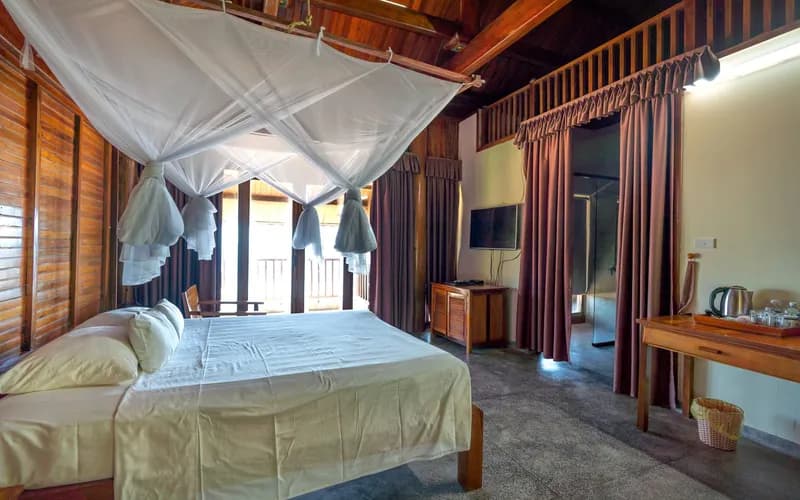
- Choose accommodation with screens or a net, and empty any standing water on your balcony or terrace.
If you develop a sudden high fever with severe headache, pain behind the eyes, or joint and muscle pain between four and fourteen days after a bite, get tested rather than waiting it out. Take paracetamol rather than ibuprofen or aspirin, which can worsen bleeding risk in dengue, and drink far more than feels necessary. Most cases resolve with rest and fluids, but the warning phase comes as the fever falls, which is exactly when people assume they are better.
Food, water and the illness you are most likely to get
The most common traveller's complaint in Vietnam remains ordinary gastrointestinal upset, and it is usually mild. Tap water is not potable anywhere in the country; use bottled or filtered water, and consider a filter bottle to avoid contributing to the plastic problem. Ice in cities and towns is generally factory-produced and safe, though in remote areas it is worth asking.
Street food is not inherently riskier than restaurant food and is often safer, because the turnover is higher and you can watch the cooking. The rules that matter are about heat, turnover and hands rather than about formality; we set them out properly in our guide to eating Vietnamese street food safely.
Carry oral rehydration salts and start them at the first sign of trouble. Loperamide is useful for a bus journey and unhelpful otherwise. Antibiotics are not the default response to traveller's diarrhoea; if there is blood, high fever or symptoms beyond about three days, that is a clinic visit, not a pharmacy question.
Get matched with up to 5 trusted Vietnam agencies
- Free
- No obligation
- Up to 5 agencies
Pharmacies: your first stop, and their limits
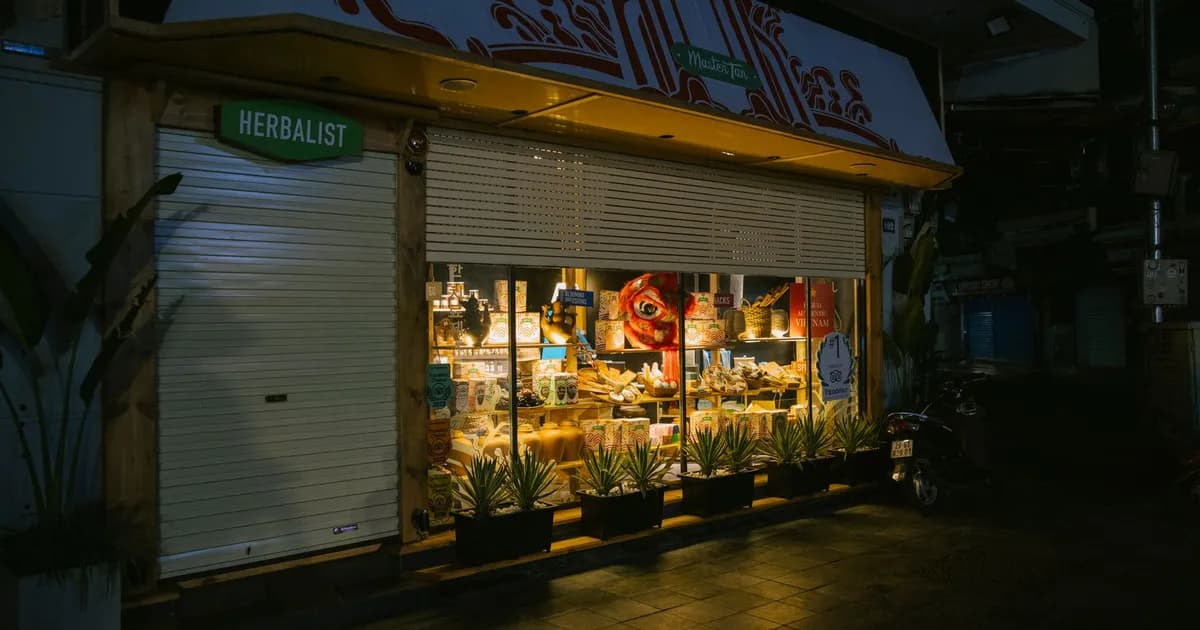
Vietnamese pharmacies, marked nha thuoc, are everywhere, cheap and genuinely useful. Common medicines cost a fraction of Western prices, staff in cities often speak some English, and for minor issues the pharmacist is a legitimate first stop. Chains attached to hospitals and the larger city chains are the most reliable for quality and stock.
There are three real limits. Antibiotics are frequently sold without a prescription, which is convenient and medically poor practice; self-prescribing them for a viral illness does nothing except contribute to resistance. Counterfeit and substandard products exist, so favour established chains and check packaging and expiry dates. And a pharmacist cannot diagnose dengue, a fracture or appendicitis.
Write down the Vietnamese name of what you need before you go in. A phrase on a phone screen works far better than mime, and pharmacists are generally patient and helpful when you are specific.
Clinics, hospitals and what it costs
For anything beyond minor, use international-standard private facilities. The well-known options are Family Medical Practice, which operates in Ho Chi Minh City, Hanoi and Da Nang, FV Hospital in Ho Chi Minh City, Vinmec in Hanoi and several other cities, and Hanoi French Hospital. These run English-speaking consultations, international billing and, crucially, the documentation your insurer will demand.
Expect to pay real money. An international clinic consultation typically runs in the low millions of dong, and an overnight stay for observation multiplies that quickly. Most facilities want payment or a guarantee of payment before treatment, so having a working card and cash access matters more than people expect; our money, cards and connectivity guide covers how to avoid being stuck with a blocked card in an emergency.
Outside the big cities, provincial hospitals handle emergencies competently but with limited English and very different facilities. The realistic model is stabilise locally, then transfer. In an emergency, 115 is the ambulance number, 113 the police and 114 the fire service, but be aware that in urban traffic a taxi or ride-hailing car to a known private hospital is often faster than waiting for an ambulance.
Insurance and evacuation: the part people get wrong
Buy a policy that explicitly includes medical evacuation and repatriation. The cost of being flown from a provincial hospital to Bangkok or Singapore is the one expense that can genuinely be ruinous, and it is exactly the scenario that follows a road accident in a rural province.
Read two clauses in particular. The first is motorbike cover: most policies exclude riding unless you hold a licence valid in Vietnam, which for most visitors means an appropriate international driving permit recognised locally, and many exclude it entirely without a full motorcycle entitlement. Riding uninsured is the single most common way travellers end up with a bill they cannot pay. The second is adventure activity cover, which matters for caving, trekking at altitude, kayaking and diving.
Vietnam's tourism policy direction in 2026 has pointed toward requiring travel insurance for visitors as part of a broader quality-over-volume push. It is not being checked at the border today, but the direction of travel is clear, and it reflects a sensible reality rather than bureaucracy. If you want to understand how we think about that balance between freedom and responsibility on the road, our slow travel charter sets it out.
Heat, roads and the risks nobody plans for
Statistically, the things most likely to harm a visitor to Vietnam are traffic and heat, not exotic disease. Road injury is the dominant serious risk. Wear a proper helmet rather than the token plastic shell, do not ride at night on unlit rural roads, do not drink and ride, and be realistic about whether your riding experience matches the traffic you are entering.
Heat matters more than travellers expect, particularly in the south and centre from March to August, where humidity keeps the body from cooling efficiently. Plan physical activity for the early morning, drink before you feel thirsty, and take salt with fluids on heavy sweating days. Northern winters are the opposite problem: Sapa, Ha Giang and the northern passes are genuinely cold and damp from December to February, and hypothermia on a motorbike is a real risk.
Two smaller things. Rabies is present, so any bite or scratch from a dog, cat or monkey means immediate washing and a same-day clinic visit for post-exposure treatment, regardless of how minor it looks. And Hanoi's winter air quality is frequently poor; if you have asthma, bring your inhaler and check the air quality index before long outdoor days.
A small kit worth carrying
A compact kit removes most of the reasons to look for a pharmacy at an inconvenient hour: oral rehydration salts, paracetamol, an antihistamine, antiseptic wipes and plasters, a blister kit if you are trekking, your own repellent, high-factor sun cream, and any prescription medication in original packaging with a copy of the prescription. Add a printed card with your blood type, allergies, insurer and policy number, and the phone number of your embassy. Keep a photo of that card on your phone and email it to your travelling companion.
What to Do Next
- Book a travel health appointment four to six weeks before departure and bring your full itinerary, including rural stays, so the advice matches where you are actually going.
- Buy insurance that names medical evacuation and repatriation, and read the motorbike and adventure-activity exclusions before you pay.
- Put repellent, oral rehydration salts and a spare week of your own medication in your bag now, rather than planning to buy them on arrival.
- Save the addresses of the nearest international clinic for each region on your route offline, along with 115 for ambulances and your embassy's number.
- Budget realistically for the possibility of paying up front. Our Vietnam trip cost and budget guide explains how to hold a contingency without inflating the whole trip.
- Check the entry paperwork alongside the health admin, including the residence declaration rules that take effect in September 2026, so nothing surfaces at the worst moment.
Frequently Asked Questions
Do I need vaccinations to enter Vietnam?
No vaccinations are legally required for entry. Travel clinics commonly discuss hepatitis A and typhoid, hepatitis B and Japanese encephalitis for longer or rural stays, and rabies, alongside being up to date on routine immunisations including measles. Book an appointment four to six weeks before departure, because some schedules need multiple doses.
How worried should I be about dengue in Vietnam in 2026?
Concerned enough to take prevention seriously, not enough to change your trip. Vietnam recorded more than 42,000 cases by mid-June 2026 and transmission is now close to year-round in the south. Since the mosquito bites during the day and no traveller vaccine is widely available, consistent repellent use and screened or air-conditioned rooms are the whole defence.
Can I buy medicine in Vietnam without a prescription?
Frequently, yes, including antibiotics, which are widely sold over the counter. That convenience is not a reason to self-prescribe. Use pharmacies for minor complaints, favour hospital-attached or large chain pharmacies for quality, and treat anything involving high fever, blood or symptoms lasting more than three days as a clinic matter.
Is the tap water safe to drink?
No. Use bottled or filtered water throughout the country, including for brushing teeth if your stomach is sensitive. Ice in cities and towns is usually factory-made and fine. A reusable filter bottle is worth carrying, both for cost and because Vietnam's national parks and islands are actively trying to reduce single-use plastic.
What does a doctor's visit cost, and will my insurance pay directly?
An international clinic consultation typically costs in the low millions of dong, with hospital admission far more. Many facilities require payment or a written guarantee before treatment, and direct billing depends on whether your insurer has an arrangement with that hospital. Assume you may need to pay and claim back, and keep every receipt and report.
Do I need insurance that covers motorbikes?
If you intend to ride, yes, and check the wording carefully. Most policies exclude motorbike injuries unless you hold a licence valid in Vietnam, and some exclude riding altogether. This is the most common gap in traveller cover and the most expensive one, because road injury is the leading cause of serious harm to visitors.
What should I do about a dog or monkey bite?
Treat it as urgent regardless of how small it is. Wash the wound with soap and running water for fifteen minutes, apply antiseptic, and get to a clinic the same day for rabies post-exposure treatment. Rabies is present in Vietnam and is effectively always fatal once symptoms appear, so this is not a wait-and-see situation.