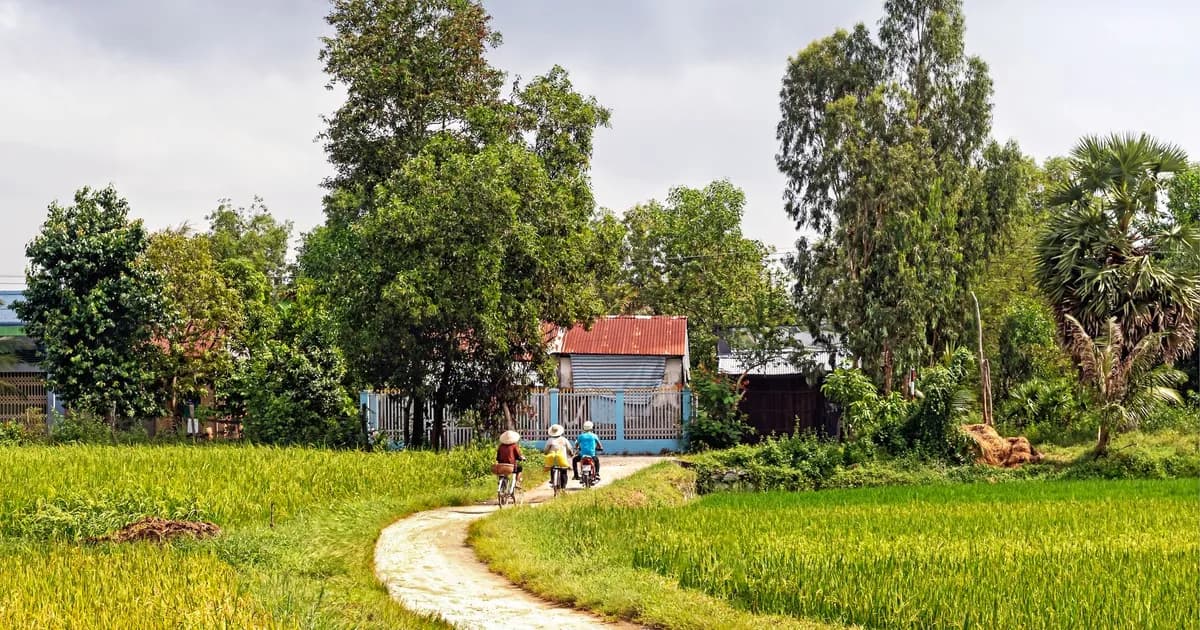


Something has changed in the way people arrive in Vietnam. For years the country was a fast lap on the Southeast Asia circuit: a fortnight of Hanoi, Ha Long, Hoi An and the Mekong, then a flight onward. In 2026 a growing share of visitors are unpacking properly. They rent a room by the month, find a favourite coffee stall, sign up at a co-working desk, and let the trip stretch from days into weeks or seasons. This is Vietnam's quiet turn toward long-stay and remote-work travel, and it is reshaping who comes, where they go, and how the country's tourism landscape is evolving.
This is not a visa explainer. It is an honest look at a structural trend: the slow, steady rise of the traveller who works from a laptop by the coast, the retiree testing a second base, the couple who decided three weeks was not enough. For a slow-travel audience, it is one of the most interesting stories in the region right now, precisely because it rewards the things we already value: depth, patience, and putting down roots for a while.
Why Vietnam, and why now
Three forces have converged. The first is policy. Vietnam's e-visa now allows stays of up to 90 days, single or multiple entry, and visa exemptions have widened for a number of source markets. That single change turned a country you visited into a country you could plausibly base yourself in for a season. There is still no dedicated digital-nomad visa, and the 90-day e-visa is currently non-extendable without a border hop or an embassy visa, so this is evolution rather than revolution. But the friction that once capped stays at two or four weeks has eased considerably.
The second force is cost. Vietnam remains one of the best value-for-money bases in Asia. A comfortable solo month in Da Nang, the coastal city that has become the country's remote-work poster child, typically runs somewhere between 900 and 1,400 US dollars all in, and a leaner budget can dip below that. A modern one-bedroom near the beach might cost 350 to 500 dollars a month; a co-working membership runs roughly 80 to 120. Those numbers make a multi-month stay feasible for people who could never justify it in Lisbon or Bali's pricier corners.
The third force is the tourism strategy itself. Vietnam has openly pivoted from volume toward value, betting on visitors who stay longer, spend more, and engage more thoughtfully with the places they pass through. Long-stay travellers, remote workers and retirees are exactly the demographic that model wants. The infrastructure has followed the intent.
One request. Up to five tailored proposals.
Skip contacting agencies one by one — share your trip once and let up to five trusted Vietnam agencies come to you. Free, with no obligation.
Get my free quotesThe map: where long-stayers actually settle
Not everywhere absorbs long-stay travel equally. Four places dominate, each with a distinct character.
Da Nang is the clear leader. It offers a rare combination: a real city with an international airport, a long swimmable beach at My Khe, fast internet almost everywhere, and a compact, walkable nomad quarter in the An Thuong area. It is smaller and calmer than Ho Chi Minh City, which suits people who want community without overwhelm. Co-working spaces cluster near the beach, and monthly rents stay reasonable.
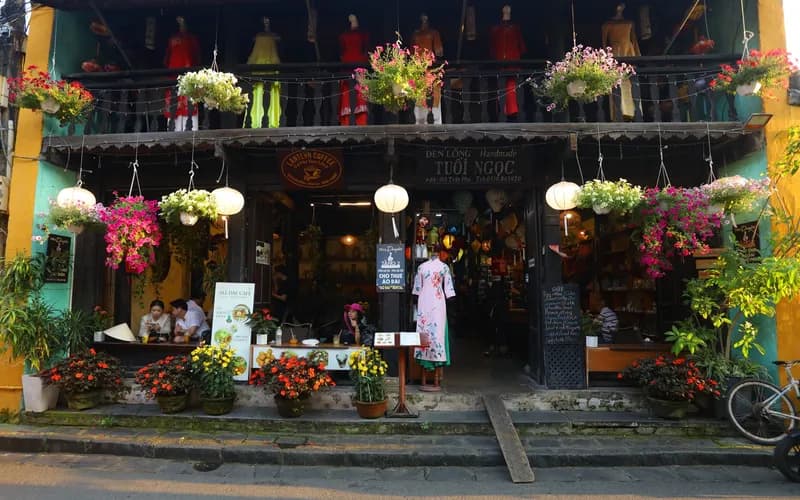
Hoi An, half an hour south, plays a softer role. The old town's lantern-lit charm makes it a magnet for shorter creative residencies and coliving retreats rather than year-round bases, though a steady trickle of longer-stayers treat it as a quieter alternative to Da Nang. If you are weighing the two coastal options, or looking to sidestep the busiest spots entirely, our guide to quieter alternatives to Ha Long and Hoi An is a useful starting point.

Ho Chi Minh City is the option for people who want energy, a deep job-adjacent network, and the widest choice of co-working and nightlife. It is louder, hotter and more expensive, and it draws entrepreneurs and longer-term expats more than beach-seeking nomads.
Hanoi rounds out the four. The capital rewards travellers drawn to culture, history and a genuine four-season climate, with a slower, more contemplative rhythm than the south. Coliving and co-working exist here too, if less densely than on the coast.
The co-working and coliving layer
The visible infrastructure of this trend is the co-working and coliving scene, and it has matured fast. Purpose-built coliving spaces now operate across Da Nang, Hoi An, Ho Chi Minh City and Hanoi, typically offering private en-suite rooms, commercial-grade desks, weekly community events and English-speaking management. Private rooms in quality coliving commonly run 400 to 750 dollars a month on the central coast.
Standalone co-working is cheaper and more flexible. In Da Nang, established spaces such as Enouvo Space offer hot desks, fixed desks and private offices, with monthly memberships around 100 dollars, plus the community events that many long-stayers value more than the desk itself. Internet is rarely a problem: 50 to 100 Mbps is standard at serious cafes and co-working spaces, and free wifi is close to ubiquitous.
For a slow traveller, the appeal is not the desk. It is the built-in community. Coliving and co-working solve the loneliness problem that long solo stays often carry, giving you a ready-made set of dinners, day trips and local tips from people on the same rhythm.
Get matched with up to 5 trusted Vietnam agencies
- Free
- No obligation
- Up to 5 agencies
What it means for slow travel
Here is where the trend gets genuinely interesting for us. Long-stay and remote-work travel is, at its core, slow travel with a job attached. The same instincts apply: you stop rushing, you learn a neighbourhood, you eat where locals eat, you notice the seasons change.
Staying put for a month changes the texture of a trip. You stop treating the country as a checklist of sights and start treating a single place as home. You find the coffee stall that remembers your order, the market vendor who throws in an extra chilli, the running route along the river. That depth is the whole point of slow travel, and a long stay delivers it almost by default.
There are real caveats, and honesty matters here. A laptop by the beach is still a laptop; a working stay is not a holiday, and the temptation to over-schedule work can hollow out the experience. Longer stays also concentrate travellers in a handful of hotspots, adding pressure to already-popular areas. And the practical grind of visas, border runs and finding decent long-term housing is real. Vietnam's broader shift away from mass tourism, which we cover in our piece on overtourism redrawing the Vietnam travel map, makes the case for spreading out rather than piling into the same three cities.
The knock-on effects on the landscape
The long-stay trend is quietly reshaping Vietnam's travel economy. Neighbourhoods reorganise around it: An Thuong in Da Nang has filled with international cafes, creative studios and casual meetups, a pattern familiar from Chiang Mai or Canggu. Local businesses adapt, with monthly rental models, English menus and reliable wifi becoming standard in the areas nomads favour.
It also feeds the country's premiumisation story. Long-stayers spend differently from two-week tourists, concentrating money in food, wellness, workspaces and repeat visits rather than one-off tours. This dovetails with Vietnam's deliberate move upmarket, a shift we explore in our analysis of Vietnam's premiumisation and micro-holiday spending. And because remote workers travel in shoulder seasons and on weekdays, they help smooth the brutal peaks that mass tourism creates, which is quietly good news for the sustainability of the whole system.
Getting the pace right
If you are drawn to a longer stay, resist the urge to squeeze it. The most common mistake is bringing a two-week itinerary to a two-month trip and burning out. Pick one base, learn it deeply, and use it as a launchpad for slow weekend explorations rather than a sprint. Vietnam's improving rail and regional transport make this genuinely pleasant; our overview of how to choose between train, flight and sleeper bus is worth reading before you plan those weekends.
The travellers who get the most out of a long Vietnam stay are the ones who treat it as living somewhere temporarily, not as an extended holiday. That mindset, more than any visa or co-working membership, is what separates a genuinely slow long-stay from a fast trip that simply happens to last longer.
What to Do Next
- Decide on a single base first. Da Nang for beach-and-balance, Ho Chi Minh City for energy and networks, Hanoi for culture and seasons, Hoi An for a quieter creative pace.
- Check your visa maths honestly. Confirm whether your nationality qualifies for exemption or needs the 90-day e-visa, and plan any border hop before you commit to a long stay.
- Book short, then commit. Reserve accommodation for one to two weeks, arrive, and only sign a monthly lease once you have walked the neighbourhood yourself.
- Choose community over the cheapest desk. A co-working or coliving membership pays for itself in local knowledge and companionship on a long solo stay.
- Plan your weekends slow. Use rail and regional transport to explore one region at a time rather than chasing the whole country.
- Build in rest. A working stay is not a holiday; protect genuine downtime so the trip stays a trip.
Frequently Asked Questions
Does Vietnam have a digital-nomad visa in 2026?
No. Vietnam does not currently offer a dedicated digital-nomad visa. Most long-stay travellers use the 90-day e-visa or a visa exemption where their nationality qualifies. The e-visa is currently non-extendable, so staying beyond 90 days usually means a border hop and a fresh application, or an embassy visa.
How much does a month in Da Nang really cost?
A comfortable solo month in Da Nang typically runs 900 to 1,400 US dollars all in, covering rent, food, co-working and transport. A leaner lifestyle can dip below 900, while a more upgraded one with frequent Western dining and a nicer apartment can climb toward 1,500 to 2,000.
Is the internet good enough for remote work?
Generally yes. Serious cafes and co-working spaces reliably deliver 50 to 100 Mbps, and free wifi is close to ubiquitous across the main cities. Da Nang, Ho Chi Minh City and Hanoi are all comfortable for video calls and heavy uploads; a local SIM with generous data is a sensible backup.
Which city suits a first long stay best?
Da Nang is the easiest entry point for most people: it balances a real city, a swimmable beach, a compact nomad quarter and reasonable costs. Ho Chi Minh City suits those wanting energy and networks, Hanoi those drawn to culture and seasons, and Hoi An those seeking a slower creative pace.
Is this trend making overtourism worse?
It can concentrate people in a few hotspots, but long-stayers also travel in shoulder seasons and on weekdays, which helps smooth the sharpest peaks. The responsible approach is to spread out, base yourself beyond the busiest cores, and explore regionally rather than piling into the same handful of streets.
Can I combine remote work with genuine slow travel?
Yes, and the two fit naturally. A long working stay is essentially slow travel with a job attached: you settle in one place, learn it deeply, and explore its surroundings at an unhurried pace. The key is protecting real downtime so work does not quietly consume the experience.
How long can I realistically stay?
On the e-visa, up to 90 days per entry, after which you generally need to exit and reapply or arrange an embassy visa. Many long-stayers cycle through seasons this way, using nearby countries for short border runs, though you should always verify the current rules for your nationality before committing.