Mondulkiri: Cambodia's Green Highlands, Ethical Elephants and the Slow Northeast
Most travellers picture Cambodia as temples and tropical coast, but climb into the far east of the country and you find something else entirely: rolling green hills, pine-scattered plateaus, cool evenings and dense forest that feels a world away from the lowland heat. This is Mondulkiri, the country's most sparsely populated province and one of its most rewarding for anyone willing to travel slowly. It offers waterfalls, indigenous Bunong culture, some of the most genuinely ethical elephant experiences in Southeast Asia, and above all a pace that the rest of Cambodia has largely lost. For the slow traveller, it is one of the country's quiet triumphs.
Mondulkiri does not give itself up to the day-tripper. The long road in, the dispersed sights and the emphasis on nature over monuments all reward those who settle in for several days. Come here expecting to walk in forests, sit with local families, meet elephants on their own terms and let the cool highland air slow you down, and you will leave with a very different picture of Cambodia from the one most visitors carry home.
Where Mondulkiri is and why it feels different
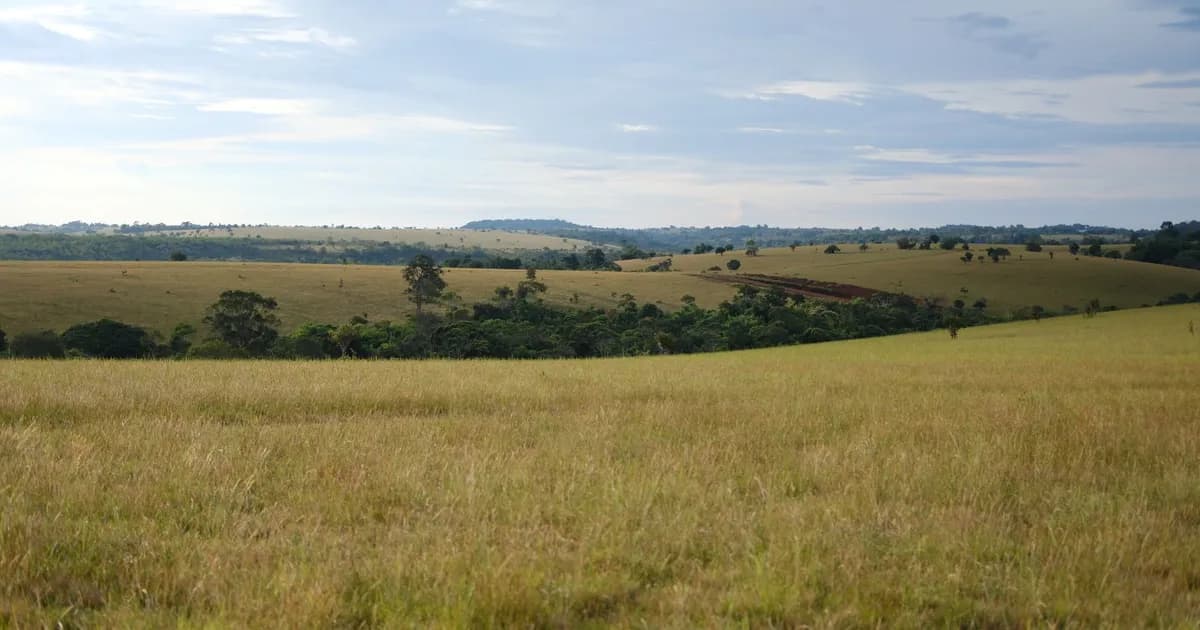
Mondulkiri sits in Cambodia's remote north-east, sharing a long border with Vietnam and rising to a plateau that gives it a climate unlike anywhere else in the country. At altitude, the air is noticeably cooler, the evenings can be genuinely chilly, and the landscape is a patchwork of grassy hills, waterfalls and forest rather than the flat rice country of the centre. The provincial capital, Sen Monorom, is a small, friendly town that serves as the natural base for exploring the region.
The province is also the heartland of the Bunong people, one of Cambodia's indigenous groups, whose relationship with the forest and with elephants shapes the whole character of the place. This combination of cool climate, forest landscape and living indigenous culture makes Mondulkiri feel less like the Cambodia of the guidebooks and more like a distinct upland world, which is exactly why it appeals to travellers seeking depth rather than highlights.
One request. Up to five tailored proposals.
Skip contacting agencies one by one — share your trip once and let up to five trusted Cambodia agencies come to you. Free, with no obligation.
Get my free quotesEthical elephant experiences done right
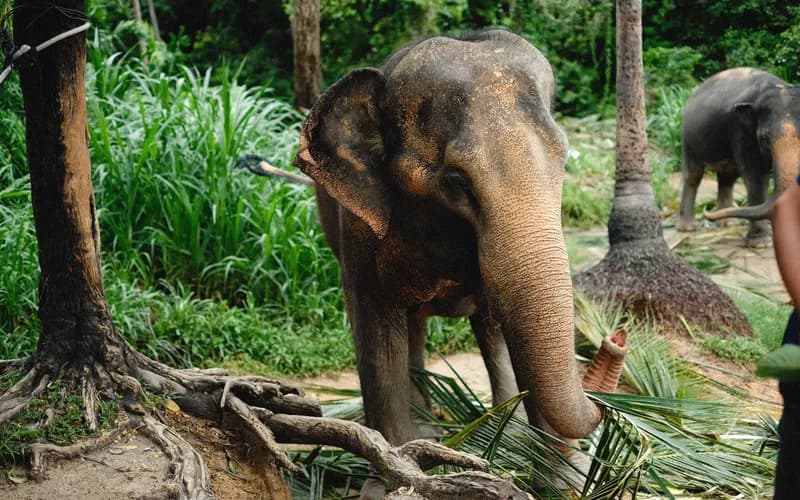
Mondulkiri is best known internationally for its elephant projects, and this is where the province offers something genuinely special. In contrast to the riding and performing that still blights elephant tourism elsewhere, the leading sanctuaries here are built around observation and welfare: you walk with the elephants through the forest, watch them bathe and forage, and learn about their lives and their Bunong keepers, without ever riding them. It is a model that puts the animals first, and it is one of the best places in the region to see elephants treated with real respect.
Choosing well still matters, because standards vary and the word "sanctuary" is not always earned. Look for projects with clear no-riding, no-performance policies, small group sizes and genuine ties to the local Bunong community, and be wary of anywhere that lets tourists ride. Getting this right is part of travelling responsibly, a theme we explore across the country in our guide on how to travel Cambodia ethically.
Waterfalls, forests and the plateau
Beyond the elephants, Mondulkiri is a landscape to be walked and explored. The province is dotted with waterfalls, the most famous being the powerful, two-tiered Bou Sra falls, one of the largest in Cambodia and a fine destination for a slow day out. Closer to Sen Monorom, smaller cascades and viewpoints reward gentle exploration, and the open, grassy hills, sometimes called the "Sea Forest" for the way the mist rolls across them, offer some of the most beautiful scenery in the country at sunrise and sunset.
Trekking is the natural way to experience all this. Multi-day treks with local guides take you deep into the forest, often staying overnight in the jungle or in Bunong villages, and they are among the best ways to understand the relationship between the people and the land here. Even without a long trek, short walks to waterfalls and viewpoints fill days easily, and the cool climate makes hiking far more pleasant than in Cambodia's steamy lowlands.
Get matched with up to 5 trusted Cambodia agencies
- Free
- No obligation
- Up to 5 agencies
Meeting Bunong culture
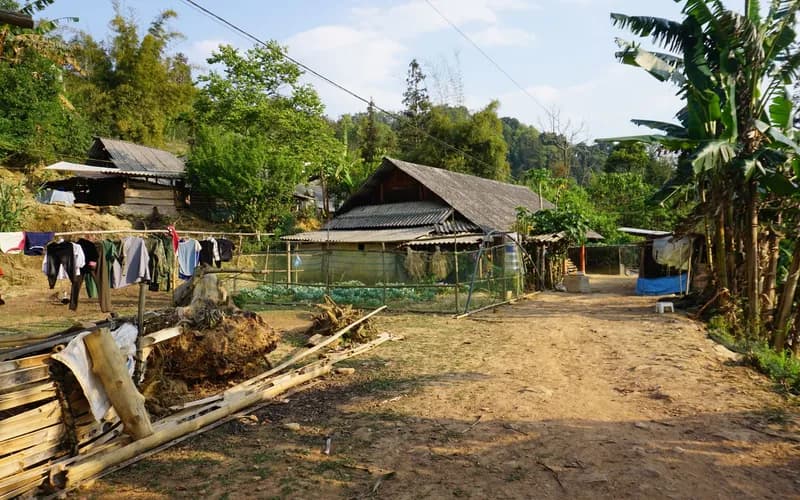
What lifts Mondulkiri above a simple nature destination is the chance to engage with Bunong culture. Community-based tourism initiatives allow visitors to stay in or near Bunong villages, learn about traditional forest livelihoods, and understand a way of life that is under real pressure from deforestation and change. Done respectfully, these encounters are among the most meaningful experiences the province offers, and the income they generate helps make the case for protecting both the forest and the culture it sustains.
This community and forest focus is part of a wider shift across Cambodia's wild east, which we examine in our piece on the country's forest turn towards community ecotourism. Mondulkiri is one of the clearest examples of that movement, where tourism, when done well, becomes an ally of conservation rather than a threat to it.
Coffee, quiet and the pleasures of Sen Monorom
Sen Monorom itself is worth slowing down for. The little town has a relaxed, almost hill-station feel, with a small lake, a scattering of good cafes, and a growing local coffee culture fed by the plantations in the surrounding hills. It is the kind of place where you settle into a rhythm quickly: mornings exploring, afternoons over coffee watching the mist, evenings wrapped up against the highland chill. After the intensity of Angkor or the heat of the coast, that calm is a tonic.
The town also makes a comfortable base from which to venture out and return, so you never have to rush. This is a province best enjoyed by staying put and taking day trips rather than dashing between sights, which is precisely the approach our slow traveller's guide to Cambodia recommends for getting the most out of the country.
Getting there and how it connects
Mondulkiri is reached overland, typically by bus or shared taxi from Phnom Penh, a journey of roughly six to seven hours, or via the Mekong town of Kratie, which makes a natural stop en route. Because it is genuinely off the main tourist circuit, it takes a deliberate decision to include, but that is precisely what keeps it quiet. Pairing it with the river life of Kratie and its Mekong dolphins makes for a rewarding slow loop through Cambodia's under-visited east.
Once there, a rented motorbike or a hired driver with local knowledge is the most practical way to reach the more distant waterfalls and viewpoints, while treks and village stays are best arranged through reputable local operators. Give yourself at least three or four days to do the province justice, and plan the wider trip with our plan your journey page so Mondulkiri connects sensibly to the rest of your route.
When to go
The best time to visit Mondulkiri is in the cooler, drier months from roughly November to February, when the hills are green from the recent rains, the waterfalls are still full, and the highland climate is at its most pleasant. The wet season brings dramatic, powerful waterfalls but also muddy roads and trails, while the hottest months can dry out the landscape. As always in the highlands, pack a warm layer whatever the season, because the evenings and early mornings can be surprisingly cold.
What to pack and know before you go
A little preparation makes a Mondulkiri trip far smoother. Because the province sits at altitude, the evenings and early mornings are genuinely cool and occasionally cold, so pack a warm layer and something for the rain even in the dry months. Sturdy shoes with good grip are essential for waterfall trails and forest treks, which can be slippery, and long sleeves help against both sun and insects in the forest.
Cash is important here. ATMs are limited and can be unreliable outside Sen Monorom, and many homestays, guides and small eateries deal only in physical money, so withdraw what you need before you set off. Mobile coverage is patchy once you leave the town, which is part of the appeal, but it means downloading offline maps and confirming plans in advance is wise.
Above all, come with realistic expectations. Mondulkiri offers simple, warm hospitality, extraordinary landscapes and meaningful encounters rather than polished resort comforts, and that is exactly its charm. Travellers who embrace the simplicity, the wood fires, the early nights, the slow mornings, invariably find it one of the most rewarding corners of Cambodia.
What to Do Next
- Set aside at least three or four days so you can explore the province slowly rather than rushing the long road in and out.
- Choose an elephant experience with a strict no-riding, no-performance policy and genuine Bunong community ties.
- Plan a multi-day trek or a village stay through a reputable local operator to engage with Bunong culture and the forest.
- Base yourself in Sen Monorom and take day trips to Bou Sra falls and the Sea Forest viewpoints.
- Pair Mondulkiri with Kratie for a slow loop through Cambodia's north-east, using our plan your journey page.
- Travel in the cool, dry season if you can, and pack warm layers for the highland evenings whatever the time of year.
Frequently Asked Questions
Where is Mondulkiri and how do I get there?
Mondulkiri is in Cambodia's remote north-east, bordering Vietnam. It is reached overland by bus or shared taxi from Phnom Penh in roughly six to seven hours, often via Kratie, which makes a natural stop on the way.
Are the elephant experiences in Mondulkiri ethical?
The leading projects are built around observation and welfare, letting you walk with and watch elephants without riding them, which is a genuinely ethical model. Standards vary, so choose sanctuaries with clear no-riding, no-performance policies and real community ties.
How many days should I spend in Mondulkiri?
At least three or four. The long journey and the dispersed, nature-focused attractions reward a slower stay, giving you time for elephants, a trek or village visit, waterfalls and simply enjoying the cool highland pace.
What is the best time to visit?
The cool, dry season from about November to February is ideal, with green hills, full waterfalls and pleasant temperatures. The wet season brings powerful falls but muddy roads, and evenings are cool year-round, so bring a warm layer.
Who are the Bunong people?
The Bunong are an indigenous group whose traditional forest livelihoods and close relationship with elephants shape the character of Mondulkiri. Community-based tourism lets visitors learn about their culture while supporting its preservation.
Is Mondulkiri suitable for a first visit to Cambodia?
It is a wonderful contrast to the temples and coast, but its remoteness means it suits travellers who have time and want depth over highlights. It works best as part of a longer, slower trip rather than a quick first-timer's loop.
Keep reading
More from the ground · Cambodia