Ratanakiri: Cambodia's Red-Earth Highlands, at Their Own Pace
In the far northeast of Cambodia, where the country rises towards the borders of Laos and Vietnam, lies a province that most visitors never reach. Ratanakiri is a land of red earth and green forest, of crater lakes and waterfalls, and of indigenous communities whose way of life has little to do with the Cambodia of the temple trail. It is remote, it is unhurried, and for the slow traveller willing to make the journey, it is one of the most quietly rewarding corners of the country.
This is not a place for ticking off sights in a day. Ratanakiri asks for time, both to reach it and to understand it, and it repays that time with a depth of experience that the well-trodden circuit simply cannot offer. Here the pace is set by the forest and the villages, not by tour buses.
Where Ratanakiri is, and why it stays remote
Ratanakiri occupies Cambodia's northeastern corner, a highland province of rolling hills, jungle and rivers pressed up against the Lao and Vietnamese frontiers. Its capital, Banlung, is a small, dusty town that serves as the gateway to everything around it. The province is defined by distance: it is a long way from Phnom Penh, further still from Siem Reap, and reaching it has always required real commitment.
That remoteness is its character. Where Cambodia's temple towns and coast have grown busy, Ratanakiri remains a working highland province of coffee, cashew and rubber, where tourism is a small presence rather than the main event. The red laterite roads, famous for coating everything in a fine rust-coloured dust in the dry season, are a reminder that you have travelled somewhere genuinely off the map. For a sense of how it fits with Cambodia's other quiet corners, our guide to Cambodia off the beaten path places it in context.
One request. Up to five tailored proposals.
Skip contacting agencies one by one — share your trip once and let up to five trusted Cambodia agencies come to you. Free, with no obligation.
Get my free quotesYeak Laom: the crater lake at the province's heart
The jewel of Ratanakiri is Yeak Laom, a volcanic crater lake a short way from Banlung. Almost perfectly circular, ringed by dense forest and fed by nothing but rain and springs, it is astonishingly clear and calm, the kind of place that lowers your heart rate the moment you arrive. A gentle walking trail loops the shoreline through the trees, wooden platforms reach out over the water for swimming, and the whole place has an air of stillness that rewards slowing right down.
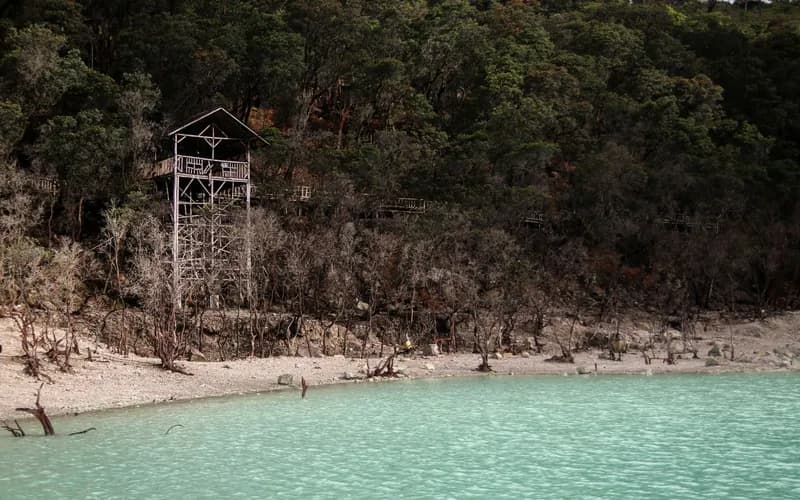
What makes Yeak Laom special is not only its beauty but its stewardship. The lake sits on land belonging to the indigenous Tampuan community, who manage it and whose care has kept it clean and unspoilt. Visiting is simple and low-key: pay the modest community fee, walk the circular path, swim in the cool water, and sit a while. It is the antithesis of a packaged attraction, and an afternoon here is one of the great slow pleasures of the Cambodian highlands.
The indigenous highlands: Tampuan, Jarai and Kreung
Ratanakiri is, above all, an indigenous province. It is home to a tapestry of ethnic minority communities, among them the Tampuan, Jarai, Kreung and Brao, whose languages, beliefs and traditions are distinct from those of the Khmer majority and rooted in the forest and the land. For the traveller, this is the province's deepest draw: the chance to encounter ways of life that most of Cambodia has moved away from.
Meeting these communities asks for care and the right approach. Community-based treks and homestays, led by local guides from the villages themselves, offer a respectful way in, letting you learn about highland farming, crafts and animist traditions without turning a living community into a spectacle. This is exactly the kind of encounter our guide to travelling Cambodia ethically is designed to help you get right, so that your visit supports the community rather than intruding on it.
Get matched with up to 5 trusted Cambodia agencies
- Free
- No obligation
- Up to 5 agencies
Waterfalls, jungle and Virachey
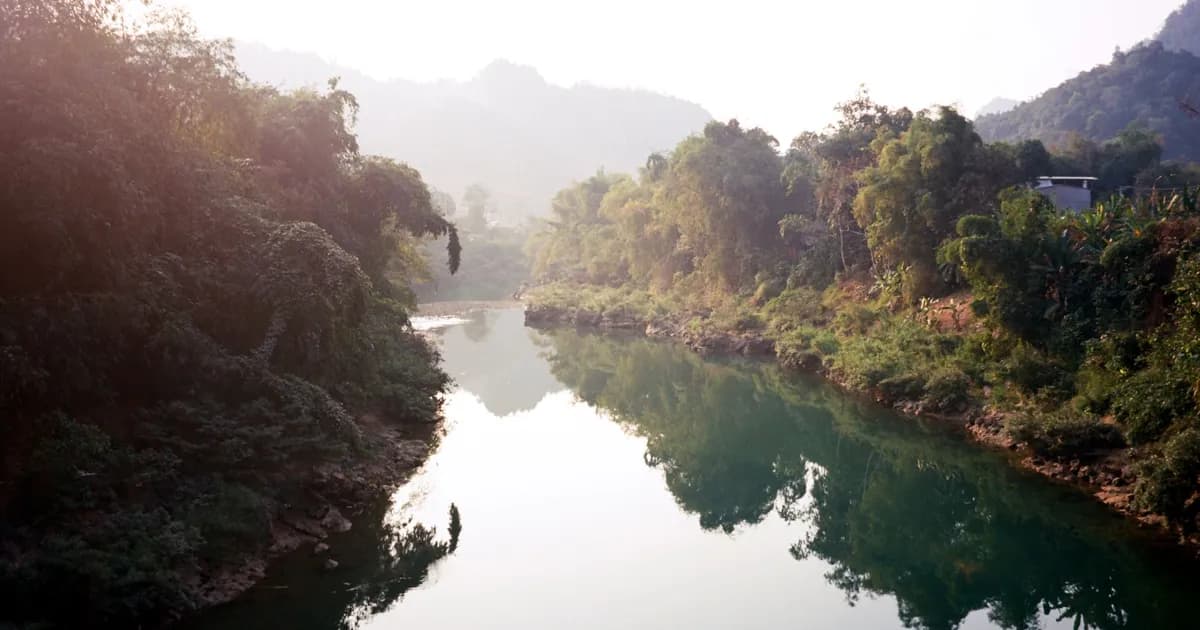
Beyond the lake and the villages, Ratanakiri is a landscape made for slow exploration. Several waterfalls, among them Ka Chanh and Katieng, tumble through the forest within easy reach of Banlung, offering cool pools and shaded picnic spots away from any crowd. The surrounding jungle is thick and green, and the province's rivers wind through it towards the Mekong system to the west.
For those with time and stamina, Virachey National Park, one of Cambodia's largest protected areas, spreads across the northern reaches of the province towards the Lao border. It is genuine wilderness, best experienced on multi-day guided treks that few travellers ever undertake. Whether you go deep into the park or simply spend a few gentle days around Banlung, the appeal is the same: nature on a scale and at a quiet that Cambodia's busier regions can no longer match.
Banlung as a base
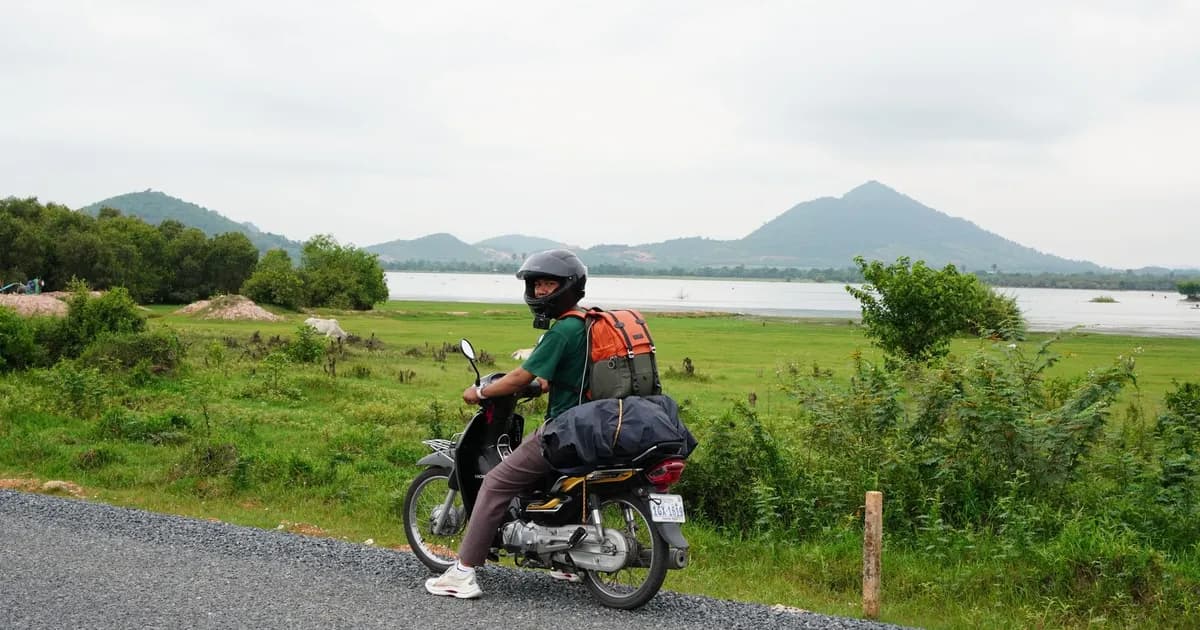
Banlung itself is not a place of sights so much as a comfortable base from which to reach them. It is a small town of guesthouses, markets and coffee shops, unpretentious and friendly, where you can arrange treks, hire a motorbike or a guide, and stock up before heading into the countryside. Its central Kansaign lake and lively morning market give it a workaday charm, and its cafes trade in the province's own hill-grown coffee.
Give yourself a few days here rather than a rushed overnight. From Banlung you can reach Yeak Laom, the waterfalls and the nearer villages on easy day trips, returning each evening to a cold drink and a simple meal. It is the sort of relaxed rhythm, a base and gentle spokes out from it, that suits the highlands perfectly and that our companion piece on the elephant country of Mondulkiri, Ratanakiri's sister province to the south, describes for that neighbouring corner.
Getting there, and when to go
Reaching Ratanakiri is part of the commitment, and part of the reward. There are no passenger flights to Banlung, so arrival is overland: a long bus or shared-taxi journey from Phnom Penh, often broken by a night in Kratie or Stung Treng along the Mekong, which makes a natural and scenic staging point. The roads have improved in recent years, but the distances remain real, and this is a trip to build a couple of days around rather than squeeze into a tight schedule. Our guide to travelling Cambodia overland covers how the buses, boats and shared taxis connect.
On timing, the dry season from November to April is by far the easiest, with passable roads and pleasant highland weather, though the famous red dust is at its thickest late in that window. The wet season, from May to October, turns the province a vivid green and fills the waterfalls, but the unsealed roads can become difficult. For most travellers the earlier dry-season months, when the landscape is still green but the roads are firm, are the sweet spot.
Travelling gently in the highlands
Ratanakiri's appeal is fragile, and how you travel here matters more than in most places. Go with local indigenous guides, whose knowledge is unmatched and whose livelihoods your visit can support. Respect the customs of the villages you enter, ask before photographing people, and buy crafts and produce directly from those who make and grow them. Treat sacred sites and the forest with the same care the communities themselves do.
Above all, come with humility and time. Ratanakiri is not a place to be consumed quickly; it is a place to be met slowly, on its own terms. Approached that way, it offers something increasingly rare in Southeast Asia, a highland world still living by its own rhythms, where a traveller is a guest rather than a customer. To arrange a trip that reaches the province responsibly and connects you with the right community guides, a specialist on our Cambodia travel agencies page can help.
Gems, coffee and the taste of the highlands
Ratanakiri has a distinctive economy that a slow visitor soon notices. The province has long been known for its gemstones, especially the blue-green zircon mined in small pits around the region, and Banlung's market is a place to see rough and cut stones traded, though buying wisely takes local knowledge. More rewarding for most travellers is the province's agriculture: this is coffee, cashew and pepper country, and the hill-grown coffee served in Banlung's cafes is among the quiet pleasures of a stay. Lingering over a cup while the red dust settles on the street outside is Ratanakiri in miniature: unhurried, unpolished, and entirely itself. Take time to taste what the highlands produce, and you will understand the province better than any checklist of sights could teach you.
What to Do Next
- Plan the journey as part of the trip, allowing a night in Kratie or Stung Treng on the way up from Phnom Penh.
- Base yourself in Banlung for several days, using it as a hub for day trips.
- Spend an unhurried afternoon at Yeak Laom crater lake, respecting the community that manages it.
- Arrange indigenous-led village treks or homestays through local guides rather than generic tours.
- Travel in the dry season for firm roads, ideally the greener early months, and go gently throughout.
Frequently Asked Questions
Where is Ratanakiri and how do I get there?
Ratanakiri is Cambodia's northeastern highland province, bordering Laos and Vietnam, with Banlung as its capital. There are no passenger flights, so you arrive overland by bus or shared taxi from Phnom Penh, often with an overnight stop in Kratie or Stung Treng along the Mekong.
What is there to do in Ratanakiri?
The highlights are the Yeak Laom crater lake, the waterfalls around Banlung, jungle and Virachey National Park, and above all encounters with the province's indigenous communities through community-based treks and homestays. It is a destination for slow nature and culture rather than set-piece sights.
Is Yeak Laom lake worth visiting?
Very much so. Yeak Laom is a clear, forest-ringed volcanic crater lake managed by the local Tampuan community, with a circular walking trail and platforms for swimming. It is calm, unspoilt and a highlight of any visit to the province.
How many days should I spend in Ratanakiri?
Allow at least three or four days in the province itself, plus travel time. The journey is long, and the appeal lies in an unhurried pace, so a rushed overnight does the region no justice.
When is the best time to visit Ratanakiri?
The dry season from November to April has the most passable roads, with the greener early months the sweet spot before the red dust thickens. The wet season is lush and fills the waterfalls but can make the unsealed roads difficult.
How do I visit Ratanakiri's indigenous villages respectfully?
Go with local indigenous guides, choose community-based treks and homestays, ask before taking photographs, respect sacred sites and customs, and buy directly from local makers and farmers. This keeps the encounter genuine and ensures your visit benefits the community.
Keep reading
More from the ground · Cambodia