The Thakhek Loop and Konglor Cave: Central Laos at Its Slowest and Wildest
Central Laos is the part of the country most travellers skip, hurrying between Vientiane and the south or the famous north, and that oversight is exactly what makes it so rewarding. Here, around the unassuming Mekong town of Thakhek, lies one of Southeast Asia's great slow adventures: a multi-day loop through a landscape of towering limestone karsts, remote villages, blue lagoons and caves, culminating in the extraordinary river journey through Konglor Cave, where a boat carries you seven kilometres through the heart of a mountain in near-total darkness. For travellers who want genuine adventure at an unhurried pace, and almost no crowds, the Thakhek Loop is one of Laos's quiet masterpieces.
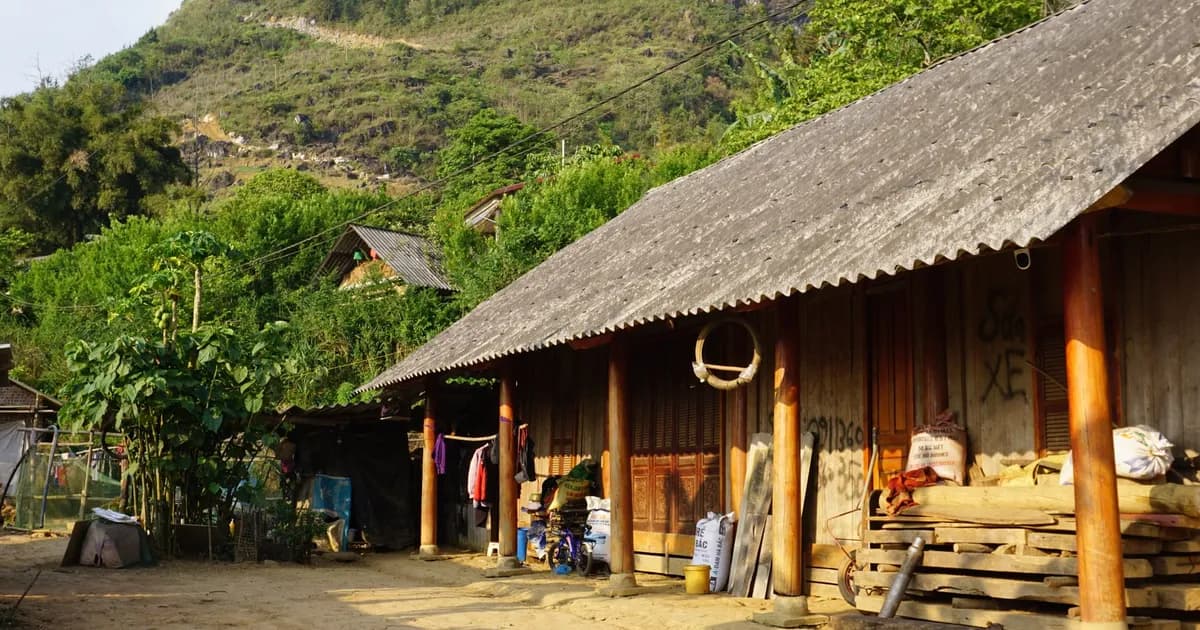
This is not polished, packaged tourism. The loop is a working landscape of farms and small towns, the roads range from smooth to rough, and the pleasures are those of the journey itself: the changing scenery, the roadside stops, the villages where you are often the only foreigner. It rewards patience, curiosity and a willingness to let the days unfold rather than racing to tick things off. Done slowly, over four or five days, it is the kind of trip that stays with you long after the more famous stops have blurred.
What the Thakhek Loop is
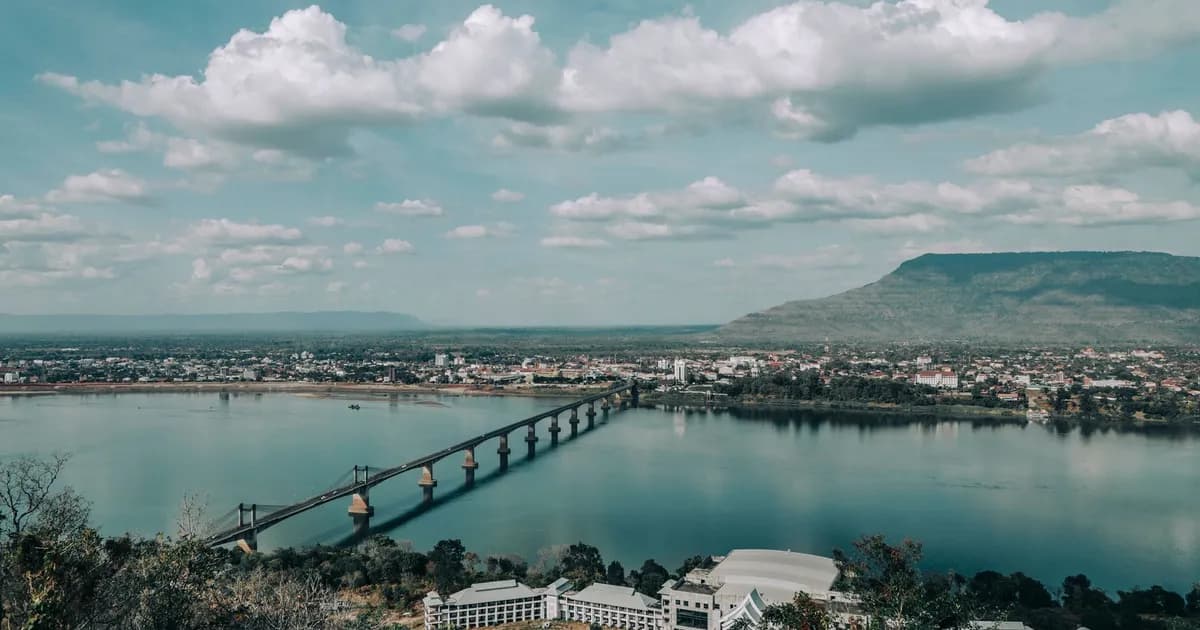
The Thakhek Loop is a circular route of roughly three to four hundred kilometres through the mountainous province of Khammouane in central Laos, traditionally ridden by motorbike over three to four days, though many take longer. Starting and ending in Thakhek, a sleepy town on the Mekong opposite Thailand, the loop winds through some of the most dramatic karst scenery in the country, past caves, lagoons, reservoirs and forest, before its grand finale at Konglor Cave.
It has become a rite of passage for adventurous travellers in Laos, but it remains far quieter and more low-key than comparable routes elsewhere in the region. There is no party scene, no crush of tour buses, just a beautiful, demanding, deeply rewarding ride through a part of Laos that time seems to have forgotten. For anyone who wants to feel they have genuinely got off the beaten track, this is it.
One request. Up to five tailored proposals.
Skip contacting agencies one by one — share your trip once and let up to five trusted Laos agencies come to you. Free, with no obligation.
Get my free quotesKonglor Cave: the heart of the journey
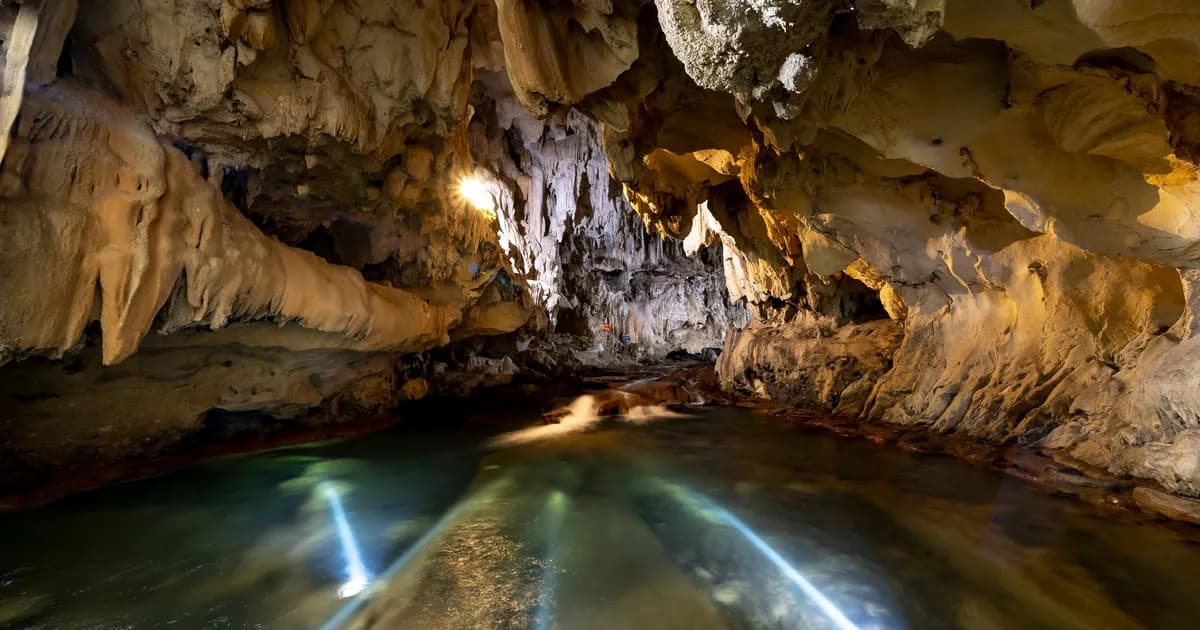
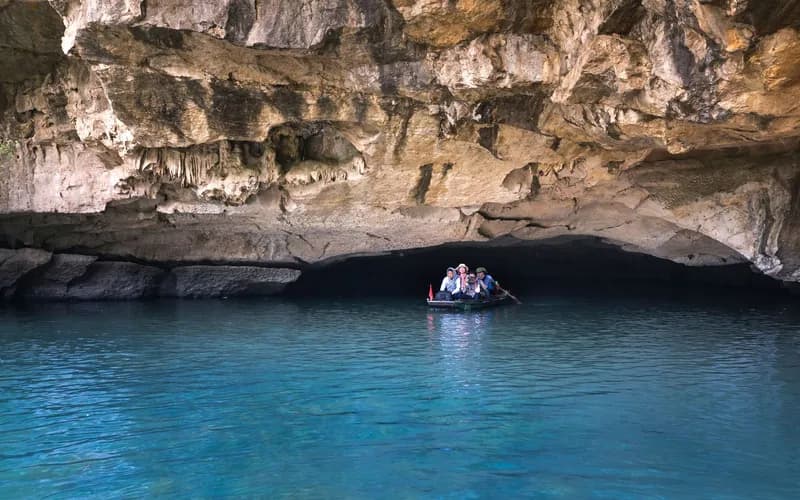
If the loop has a single unforgettable moment, it is Konglor Cave. This is no ordinary cave. A river runs straight through the mountain, and you travel its length, around seven and a half kilometres, in a small longtail boat, gliding through vast caverns in near-total darkness, the only light your headtorch and the boatman's, until you emerge, blinking, into the jungle on the far side. The scale is genuinely awe-inspiring, the ceilings soaring into blackness, the water black and still, the whole experience hushed and otherworldly.
It is the kind of place that no photograph can convey and that rewards the effort of reaching it many times over. Because it sits at the far end of the loop, most visitors stay overnight in the village of Ban Kong Lor nearby, which lets you experience the cave without rushing and enjoy the beautiful valley that surrounds it. This is slow travel in its purest form: a long journey to a singular place, savoured rather than snatched.
Riding the loop, and doing it safely
The classic way to ride the loop is by rented motorbike or semi-automatic scooter, picked up in Thakhek, and this is part of what makes it special: the freedom to stop wherever you like, to linger at a viewpoint or a village, to set your own pace. But it demands respect. The roads vary from good to rough, sections can be remote with little traffic, and any motorbike journey in Laos carries real risk, so it suits riders with genuine experience rather than absolute beginners.
If you are not a confident rider, you have good options. Many travellers hire a local driver or join a small-group tour that covers the same route, and it is entirely possible to reach Konglor Cave independently by public transport and stay there without riding the whole loop. Whatever you choose, prepare properly, wear a good helmet, check your bike, and never ride beyond your ability, in the same careful spirit we set out in our wider guides to travelling Laos well. Our slow traveller's guide to Laos helps you place the loop within a longer trip.
Get matched with up to 5 trusted Laos agencies
- Free
- No obligation
- Up to 5 agencies
The rhythm of the loop
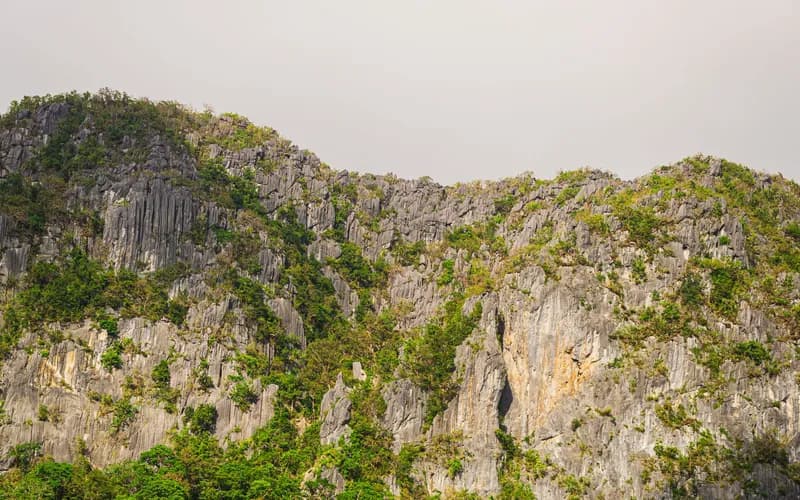
Part of the loop's magic is its rhythm. A typical ride breaks the route into manageable daily stretches, with overnight stops in small towns and villages along the way, and the days are punctuated by stops at natural wonders: the vast Tham Nang Ene and Xieng Liap caves near Thakhek, the eerie flooded forest and turquoise waters of the reservoir formed by a hydropower dam, cool blue lagoons perfect for a swim, and endless karst views. The pleasure is in the variety and the unhurried pace.
Because the loop is a true adventure rather than a curated experience, it also delivers the small, unplanned moments that make travel memorable: a shared meal in a village guesthouse, a conversation with a farmer, a breakdown fixed by a roadside mechanic, a sunset over the karsts with no one else in sight. These are the textures of slow travel, and central Laos offers them in abundance. If this kind of off-grid exploration appeals, our guide to Laos off the beaten path points to more of the country's quiet corners.
Where it sits in a Laos trip
The Thakhek Loop occupies central Laos, which makes it a natural link between the north and the south rather than a detour. It pairs beautifully with the country's slow south, sitting on the route down towards the Bolaven Plateau and the 4000 Islands, so you can weave it into a broader southern journey. Travellers heading that way can continue from Thakhek towards the Bolaven Plateau's coffee and waterfalls and on to the languid Mekong islands of Si Phan Don.
This positioning is one of the loop's underrated strengths. Rather than backtracking, you can ride the loop and then flow onwards south, building a slow, coherent journey through the least-visited half of the country. For help sequencing it all, our plan your journey page is a good starting point.
When to go and what to expect
The best time to ride the Thakhek Loop is in the cooler, drier months from roughly November to February, when the roads are in their best condition and the risk of rain-slicked surfaces and flooding is lowest. The wet season brings lush scenery but also muddy, sometimes impassable stretches and higher risk, so it is best avoided for a first attempt. The hot months before the rains can be punishingly hot on an exposed bike.
Come prepared for basic conditions. Accommodation around the loop is simple guesthouses rather than resorts, food is local and hearty, and services thin out between towns. Carry enough cash, as ATMs are scarce once you leave Thakhek, and bring layers, sun protection and a good attitude to the occasional setback. The rewards, in scenery, solitude and genuine adventure, are more than worth the modest hardships.
The rewards of going slow here
What makes central Laos so special is precisely what makes it demanding: its remoteness and lack of polish. This is a region where tourism sits lightly, where villages are lived-in rather than staged, and where the landscape has not been rearranged for visitors. The reward for the effort of getting here and moving slowly is a rare authenticity, the feeling of travelling through a place on its own terms rather than a version curated for you.
That authenticity extends to the encounters. Because so few foreigners linger in Khammouane, the welcome you receive in guesthouses and roadside eateries feels genuine rather than transactional, and the moments of connection are unforced. A meal shared, directions given with a smile, a child waving from a doorway: these small human exchanges accumulate into something that no headline sight can match. It is travel at a human scale.
For the slow traveller, this is central Laos's great gift. It asks for patience, a tolerance for rough edges and a willingness to be self-reliant, and in return it offers one of the last genuinely uncrowded adventures in mainland Southeast Asia. Approached in the right spirit, unhurried, curious and prepared, the Thakhek Loop is not just a beautiful ride but a reminder of why we travel slowly in the first place.
What to Do Next
- Base yourself in Thakhek and set aside at least four or five days to ride the full loop slowly.
- Only ride the loop by motorbike if you are a genuinely experienced rider; otherwise hire a driver, join a small tour, or reach Konglor independently.
- Make Konglor Cave the centrepiece, staying overnight in Ban Kong Lor to experience the river journey without rushing.
- Ride in the cool, dry season from November to February for the best road conditions.
- Carry plenty of cash and prepare for simple guesthouses and thin services between towns.
- Continue south afterwards towards the Bolaven Plateau and the 4000 Islands, using our plan your journey page to sequence the route.
Frequently Asked Questions
What is the Thakhek Loop?
It is a circular route of around three to four hundred kilometres through the karst landscapes of central Laos, usually ridden by motorbike over three to four days, taking in caves, lagoons and villages, and culminating in the river journey through Konglor Cave.
Do I have to ride a motorbike to do the loop?
No. Riding is the classic way and demands real experience, but you can also hire a local driver, join a small-group tour, or reach Konglor Cave independently by public transport and stay there without riding the whole loop.
What makes Konglor Cave special?
A river runs straight through the mountain, and you travel around seven and a half kilometres of it by longtail boat in near-total darkness, gliding through vast caverns before emerging into the jungle on the far side. It is one of the most extraordinary cave experiences in Asia.
How many days do I need?
Four or five days lets you ride the loop slowly and stay overnight at Konglor, which is far more rewarding than rushing. Faster riders do it in three, but the whole point of central Laos is to take your time.
When is the best time to ride the loop?
The cool, dry season from about November to February offers the best road conditions and lowest risk. The wet season can make stretches muddy or impassable, and the pre-rains months can be extremely hot on an exposed bike.
Is the Thakhek Loop safe?
It is a genuine adventure with real risks, mainly from riding on variable roads. Experienced riders who prepare well, wear helmets and ride cautiously generally have a wonderful time, but beginners are much safer hiring a driver or joining a tour.