East Coast Islands and the 2026-27 Monsoon: Closures, Ferries and Plan B
It is early October, which means that anyone planning a Malaysian island holiday for the coming winter needs to read the weather before the brochure. The northeast monsoon arrives on Peninsular Malaysia's east coast from around November, and it reshapes the whole region: resorts shut, ferries thin out, small aircraft stay on the ground and beaches that were postcards in July become empty, wave-battered strips of sand. None of this is a surprise, and none of it is a crisis. It is simply the calendar. But it catches visitors out every year, usually because a booking was made months earlier without a hard look at the season. This is a practical briefing for the 2026-27 season, with honest caveats about what we know and do not know.
What the monsoon does and when
Malaysia has two monsoon systems. The northeast monsoon runs roughly from November to March and hits the east coast of the peninsula hardest, with the heaviest rainfall typically in November, December and January. The southwest monsoon is milder and brings its own showers, mostly to the west coast, in the middle of the year. For islands off Terengganu, Pahang and Kelantan, the winter monsoon is the one that matters.
Last season gives a useful picture of the pattern. Weather services were forecasting the monsoon's arrival in mid-November 2025, with heavy rain and floods expected on the east coast. Travel-intelligence sources describe a peak of disruption from mid-December into January, with improvement from February: on the east coast, November can bring something like 25 rain days, while February drops to around 8. Winds in November frequently exceed 25 knots, which is well above the safe landing limit of about 15 knots for the small turboprop aircraft that serve some island and rural airstrips.
A caution is needed. The exact start date and intensity change from year to year, and we have not seen an official 2026-27 forecast. Wego's season guide puts it plainly: monsoon calendars are long-term patterns, not a guarantee for any particular week. Check MetMalaysia advisories before you commit to anything marine. If the calendar rules out the east coast, the west coast is the obvious alternative, and a week in Penang and George Town is a good example of a winter base that works.
One request. Up to five tailored proposals.
Skip contacting agencies one by one — share your trip once and let up to five trusted Malaysia agencies come to you. Free, with no obligation.
Get my free quotesWhich islands close, and when
The pattern across the east coast islands is consistent, even if the exact dates move.
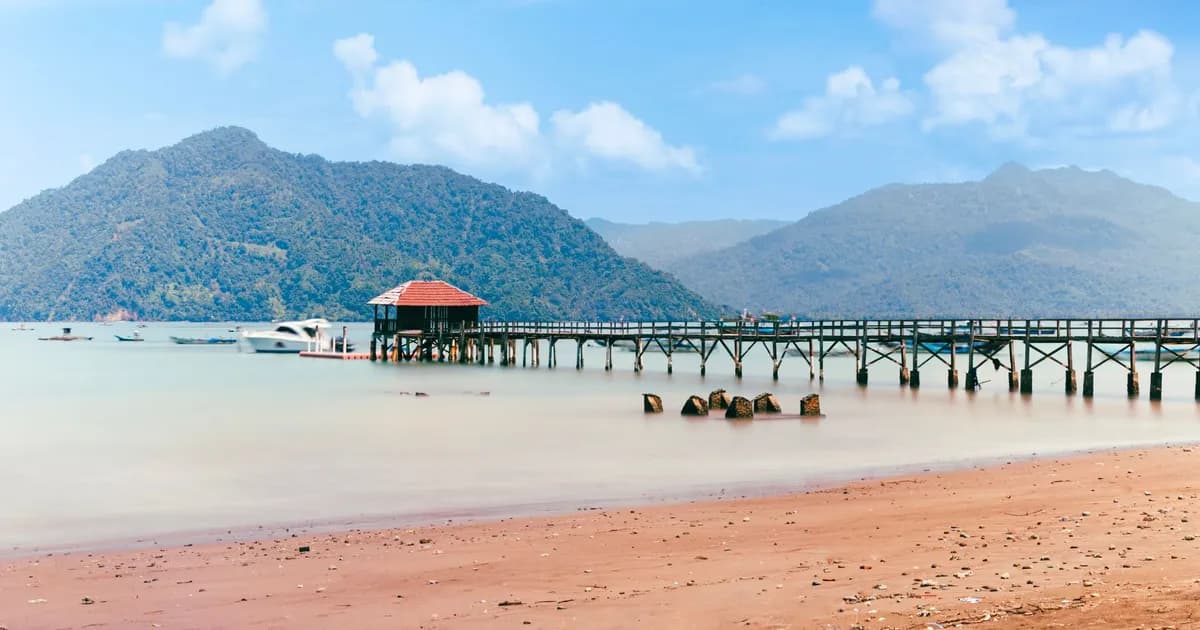
Perhentian Islands: usually the most dramatic closure. Resorts have historically shut from about October onwards on government safety guidance, with only a handful operating year-round on a limited basis. Expect the islands to be effectively closed to ordinary tourism from November until late February or early March.
Redang: most resort operations wind down in the autumn and remain closed through the monsoon, typically until around February or March.
Tioman: slightly more forgiving, with limited operations typically continuing through December and ferry schedules significantly reduced. By January, expect very little.
Kapas, Tenggol and the other smaller Terengganu islands follow the same pattern. Operators often close from October or November and reopen when the sea settles in spring.
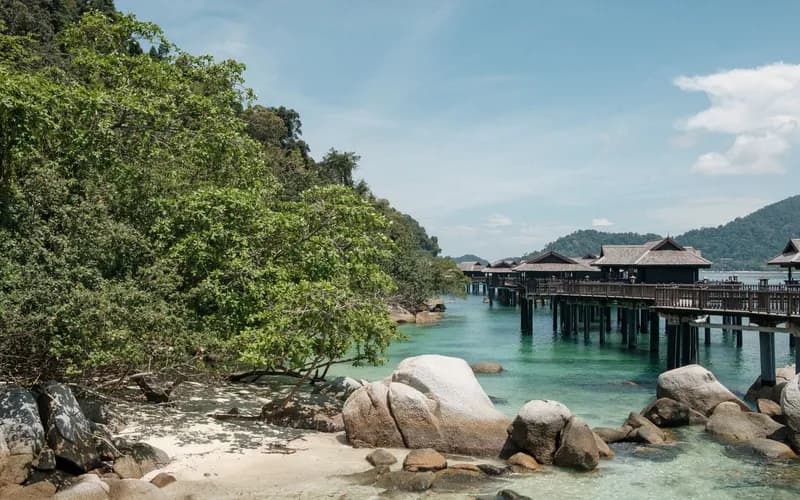
These are patterns from previous seasons and local reporting, not confirmed dates for this year. Individual resorts decide their own schedules, and a few stay open for surfers or for guests who accept the risk. If a resort tells you it is open in January, ask what happens when the boat does not run, and read the cancellation terms very carefully. Our guide to choosing your Malaysian island by coast, monsoon and season explains the calendar island by island.
Ferries, flights and what insurance says
The weather problem is not just whether the resort is open. It is whether you can reach it and, once there, whether you can leave.
Ferries and speedboats operate irregularly in the monsoon, and many routes stop altogether. Rough seas often reach force five to seven on the Beaufort scale, which is when operators suspend crossings. Services can be cancelled at short notice, sometimes after you have already reached the jetty. A boat that runs on Tuesday may not run on Wednesday, and there is no guarantee that a delayed passenger will be able to catch a connecting flight.
Flights are affected too. Small aircraft are grounded when winds exceed their limits, and airlines generally classify weather cancellations as extraordinary circumstances, which means they are not obliged to pay compensation, only, in most jurisdictions, to rebook or refund. If your trip depends on a tight connection, that is a real risk.
Insurance deserves a close read. Many travel policies exclude or limit cover when the sea state exceeds a given level, with some reportedly voiding cover above force five. Others exclude events you could have foreseen when you booked, and a monsoon on a known east coast island may fall into that category. Before you book a monsoon-season stay, check with your insurer in writing whether it would cover a cancellation caused by sea conditions, and whether it covers the extra costs of being stranded. Keep every receipt.
Get matched with up to 5 trusted Malaysia agencies
- Free
- No obligation
- Up to 5 agencies
Plan B: where to go instead
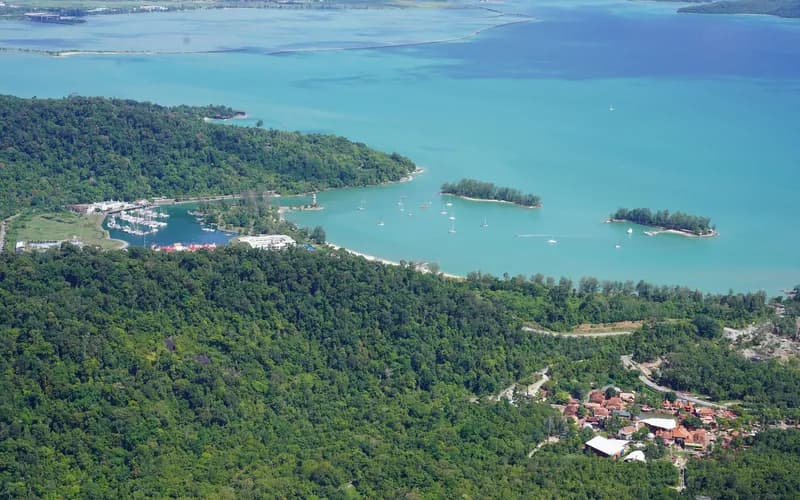
The good news is that Malaysia's geography offers an easy alternative. The west coast, sheltered from the northeast monsoon by the mountains of the peninsula, stays much drier and calmer. Local weather data suggest Penang and Langkawi see around 10 rain days in November and only four or five in February, which is why they are traditionally the winter islands.
For a beach and island trip between November and February, Langkawi's geopark island is the natural substitute, with mangroves, waterfalls and quiet beaches that work well for a slow stay. If you prefer culture and food to sand, a week in Penang and George Town offers heritage streets, hawker centres and day trips without the monsoon risk. Both are served by regular flights and ferries, which makes them more resilient to weather than the east coast islands.
Other options include the Cameron Highlands, Ipoh and Melaka, which are less affected by the northeast monsoon, though the highlands can be wet and misty. Sabah and Sarawak receive heavy rain during the northeast monsoon too, with more rainfall expected there and on the east coast around the peak, so do not assume that Borneo is a dry fallback without checking local conditions.
If you are set on the east coast, consider shifting your dates. The late February to March window is when conditions typically stabilise, resorts begin to reopen and the sea turns back to glass. April to September is the classic season for the Perhentians, Redang and Tioman, with the clearest water and calmest conditions.
Moving around when the weather is unsettled
Even if your plans are on the west coast or inland, monsoon rains affect transport. Heavy rain can cause flooding in some states along the east coast and parts of the interior, closing roads and delaying buses and trains. Build slack into your itinerary. Avoid same-day connections that depend on a boat, a mountain road or a long overland transfer, and keep a spare night near the airport before an international flight.
Our guide on getting around Malaysia without a car covers buses, ferries, ride-hailing and flights, and it is a good reference for deciding which legs of your trip are weather-sensitive. As a rule, trains and long-distance coaches are more reliable than boats, and city transport is generally unaffected by anything short of a flood.
Practical habits help. Check forecasts every morning and the day before a boat trip. Ask your accommodation whether the ferry is running before you leave. Keep a cash reserve, since cards and cash machines are sparse on small islands. Pack waterproof bags and a light rain jacket, and carry any essential medicines in your hand luggage.
If a crossing is cancelled, resist the urge to argue your way onto a boat the operator has judged unsafe. The captains know the local sea far better than any visitor does. Use the unplanned day to rest, read or explore the nearest town, and rebook calmly. Travellers who treat a cancelled boat as part of the journey tend to enjoy the monsoon months far more.
Booking smart: flexibility is the real insurance
The simplest protection is to book flexibly. Choose refundable or free-cancellation rates for any east coast stay between November and February. Avoid prepaying non-refundable packages for islands whose operators may close with little notice. If you do book a stay that falls in the monsoon, read the resort's policy on closures and what refund it offers if boats stop.
If you are working with a local operator, ask them directly. A good agency will tell you honestly if your plan is unwise for the season and will propose an alternative rather than take a booking it knows may fail. You can find vetted local options on our Malaysia travel agencies page.
What to Do Next
- Check the dates of your planned stay against the northeast monsoon, from roughly November to March, and avoid the east coast islands from November to February.
- Read your resort's cancellation terms, and choose free-cancellation rates where you must book.
- Ask your insurer in writing whether sea-condition cancellations and being stranded are covered.
- Consider Langkawi or Penang for winter beach and island days, or move your east coast trip to late February through September.
- Avoid tight same-day connections that rely on a boat, a mountain road or a small aircraft.
- Check MetMalaysia forecasts and your operator's ferry status the day before you travel.
Frequently Asked Questions
When does the northeast monsoon start in Malaysia?
It typically starts in November and runs through March, with the heaviest rain on the peninsula's east coast from November to January. The exact start date varies, so check MetMalaysia for the current forecast.
Are the Perhentian Islands closed in winter?
In practice, yes. Most resorts close from around October or November and stay closed until late February or March. A few may operate in a limited way, but ferries are unreliable and conditions are rough.
Can I visit Tioman in December?
Limited operations sometimes continue through December, with fewer ferries. By January, services are usually minimal. Confirm with your accommodation and ferry operator before you go.
Where can I go for a beach holiday between November and February?
Langkawi and Penang on the west coast are the usual choices because they are sheltered from the northeast monsoon. Both have regular flights and ferries.
Will my travel insurance cover monsoon cancellations?
Not necessarily. Some policies limit cover when sea conditions exceed a certain level or exclude foreseeable weather. Ask your insurer in writing before you book.
Do airlines compensate for weather cancellations?
Generally not. Weather is usually treated as an extraordinary circumstance, so airlines will rebook or refund but are not required to pay additional compensation.
Is Borneo a good alternative during the monsoon?
Not automatically. Sabah and Sarawak also see heavy rain during parts of the northeast monsoon, and conditions vary by district. Check local forecasts and keep your plans flexible.