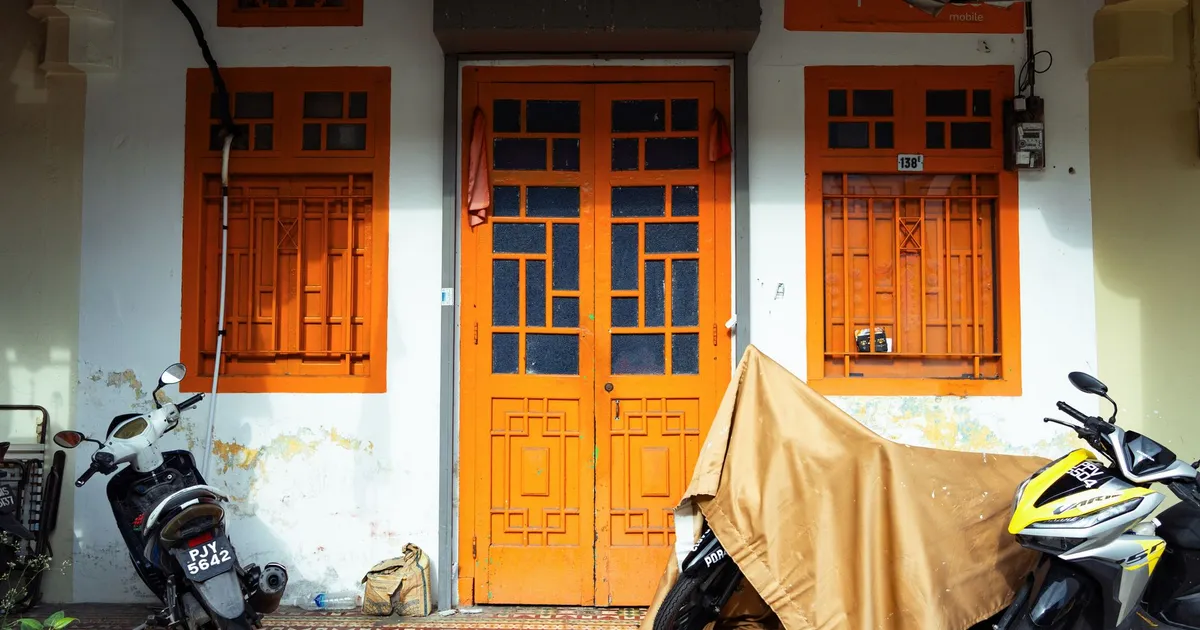

For most of the last decade, booking a restored shophouse in George Town or a sea-view apartment in Batu Ferringhi sat in a legal grey zone. Malaysia had no national framework for short-term rentals, individual states said different things, and management corporations in condominium blocks fought their own battles building by building. That grey zone has now closed in one state. Penang has become the first in Malaysia to bring private short-term accommodation under a formal licensing regime, with by-laws in force since 1 August 2026 and enforcement beginning on 1 November 2026. If you are booking Penang for the end of this year or beyond, the change is worth understanding before you pay a deposit.
What Changed, and When
Penang's state government gazetted by-laws governing private accommodation premises — tempat inap peribadi, usually shortened to TIP — which took effect on 1 August 2026. Every operator offering short-term stays in the state must now hold a licence issued by the relevant local authority: the Penang Island City Council, known as MBPP, or the Seberang Perai City Council, MBSP, on the mainland side.
Operators were given a two-month grace period to submit applications, which runs to 1 November 2026. From that date the councils begin enforcement, and authorised officers have powers to investigate suspected offences, inspect premises and order the closure of unlicensed operations.
This is a genuine first. Other Malaysian states have issued guidelines, and some local councils have leaned on existing licensing law, but no state had enacted dedicated by-laws for short-term accommodation until now. The Malaysian Budget Hotel Association has publicly backed the move and called for something similar nationwide, which tells you where the pressure came from. It is worth reading this alongside our wider piece on Penang and George Town, because the rules are an attempt to protect exactly the qualities that make the island worth a long stay.
One request. Up to five tailored proposals.
Skip contacting agencies one by one — share your trip once and let up to five trusted Malaysia agencies come to you. Free, with no obligation.
Get my free quotesWhat a TIP Licence Actually Is
A TIP licence is a local authority permit to operate a residential or commercial unit as paid short-term accommodation. It sits alongside, rather than replacing, the existing licensing framework for hotels and registered homestays.
In practice the licence requires the operator to be identifiable, the property to be of an eligible type in an eligible location, and the premises to meet the council's conditions on safety and nuisance. It also gives residents and management corporations a channel of complaint that previously did not exist — one of the main drivers of the by-laws was a long accumulation of complaints about noise, rubbish, security and strangers with lift access in residential buildings.
For travellers, the licence is mostly a signal. A licensed property has a named operator, a council record and something to lose. An unlicensed one can be ordered shut, potentially while you are booked into it.
Which Properties Can Be Licensed, and Which Cannot
This is the part that will change what appears on booking platforms, and the rules differ between the island and the mainland.
On the island, under MBPP, stratified residential properties are not permitted to operate as TIPs at all. That means residential condominiums and apartment blocks — a very large share of what has been listed in Tanjung Bungah, Batu Ferringhi, Gurney and the Bayan Lepas corridor — are excluded, regardless of what the owner would prefer.
What can be considered for a licence:
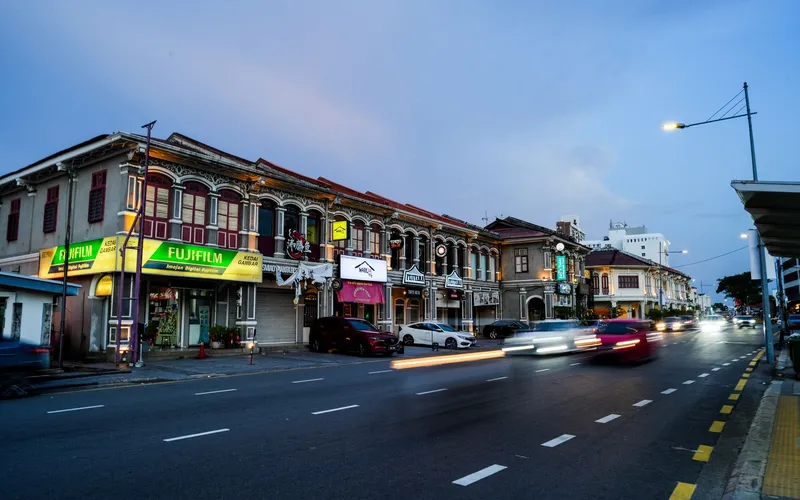
- Commercial properties under individual or strata title, including serviced apartments, SOHO units, shops, shophouses and shop offices.
- Landed residential properties under individual title: detached, semi-detached and terrace houses.
On the mainland, under MBSP, the by-laws allow TIP operations in both residential and commercial areas, a more permissive position than the island's.
One further layer applies everywhere: a management corporation's own house rules still govern the building. A property can be of an eligible type and still be barred by the residents' committee. Both conditions have to be satisfied.
The net effect on the island is straightforward. Serviced apartments and restored shophouses in George Town's commercial core remain bookable. Residential condominium listings, particularly along the north coast, should thin out considerably.
Get matched with up to 5 trusted Malaysia agencies
- Free
- No obligation
- Up to 5 agencies
What It Costs the Operator, and What That Means for Your Rate
The fee structure reported when the by-laws came into force is RM50 per application, an annual licence fee starting at RM1,000, and an annual accommodation fee of RM1,800 per unit — around RM2,800 per unit per year before any compliance costs. Figures are set by the councils and can be revised, so an operator should confirm the current schedule directly with MBPP or MBSP rather than relying on press reporting.
For a single owner letting one shophouse, that is a real but manageable overhead. For someone running a dozen condominium units on the island, it is the end of the business model, because those units are no longer eligible at all.
Expect the practical consequences to be fewer listings, higher average nightly rates on the island, and a shift of supply toward licensed guesthouses, boutique hotels and commercial-title serviced apartments. None of that is catastrophic for a traveller — Penang has a deep and genuinely good small-hotel sector — but budget travellers who relied on cheap whole-apartment rentals will feel it. Remember too that the fees above are the operator's costs, not yours; the separate charges you pay as a visitor are set out in our piece on Malaysia's tourism tax and fees.
How to Check a Listing Before You Book
Booking platforms will take time to catch up, and there is no reason to assume a listing has been removed simply because it is no longer permitted. A few sensible checks:
- Ask the host directly, in writing through the platform, whether the property holds a TIP licence from MBPP or MBSP, and ask for the licence number.
- Note the property type. A serviced apartment on commercial title, a shophouse or a landed house is far more likely to be licensable on the island than a unit in a residential condominium.
- Treat a vague answer as an answer. Hosts operating legitimately have every reason to say so plainly.
- Prefer a registered guesthouse or small hotel if you are booking for a longer stay, where the disruption of a closure order would be hardest to absorb.
- Pay through the platform rather than by direct transfer, so that you have a refund route if the property becomes unavailable.
If a listing is cancelled at short notice, George Town's licensed small-hotel stock is substantial, though it is not cheap during Chinese New Year, Thaipusam or the George Town Festival. Budget accordingly, and see our Malaysia trip cost guide for realistic current figures.
What This Means for George Town Specifically
George Town's inner city is a UNESCO World Heritage Site with a small, finite stock of historic buildings, and the pressure on it has been building for years. Shophouses that once held families, workshops and trades have been converted steadily into cafés, boutique hotels and rentals. The population of the heritage core has fallen, and the character that earned the listing depends on people actually living there.
Seen in that light, the by-laws are less an anti-tourism measure than an attempt to slow the hollowing-out. Licensing makes conversion visible and chargeable, and the exclusion of residential strata on the island protects ordinary housing from being absorbed into the visitor economy.
The trade-off is that Penang will become slightly more expensive and slightly less spontaneous. For travellers who stay a week rather than a weekend, that is not a bad exchange — longer bookings suit licensed properties better anyway. The broader context of why Penang in particular reached this point is covered in our analysis of where Malaysia's visitor growth is concentrating.
The Wider Picture: Other States, Other Rules
Penang is first, not alone. Short-term rental regulation across Malaysia remains a patchwork, and it is moving.
Kuala Lumpur has operated under city guidelines for several years, and many condominium management bodies in the capital prohibit short stays outright under their own house rules, with or without council involvement. Selangor, Johor and Sabah have each taken different positions, and enforcement has generally been complaint-driven rather than systematic. A national framework has been discussed repeatedly without arriving.
What this means practically is that the answer to the question can I book an apartment here depends on the state, the local council, the property title and the building's own rules — four separate tests. Penang has simply made its answer explicit and enforceable first. Other states with heavy heritage tourism, Melaka among them, are the obvious candidates to follow.
What to Do Next
- If you have an existing Penang booking for November 2026 or later in a residential condominium, contact the host now and ask whether the property is licensed.
- For new bookings on Penang island, favour shophouses, commercial-title serviced apartments, guesthouses and small hotels over residential apartment listings.
- Ask for a TIP licence number in writing through the booking platform, and keep the message thread.
- Book through a platform with a refund guarantee rather than paying a host by bank transfer.
- Build a small contingency into your accommodation budget for Penang, where rates are likely to firm up through 2027.
- Check the MBPP or MBSP websites for the current fee schedule and licensing conditions if you need the authoritative position, since reported figures can change.
- If you would rather travel in a way that supports the housing and communities you are visiting, our slow travel charter sets out how we think about it.
Frequently Asked Questions
Is Airbnb illegal in Penang now?
No. Short-term rentals are not banned in Penang; they are licensed. Operators must hold a TIP licence from the relevant city council, and only eligible property types in eligible locations can obtain one. Listings that meet the criteria and hold a licence continue to operate legally. Listings that cannot obtain a licence, including residential strata units on the island, are the ones affected.
When does enforcement actually begin?
The by-laws came into force on 1 August 2026, with a two-month grace period for operators to submit applications. Enforcement begins on 1 November 2026, from which point council officers can inspect premises and order unlicensed operations to close.
Can I still rent a condominium apartment on Penang island?
Not as a licensed short-term rental. Under the Penang Island City Council's position, stratified residential properties are not permitted to operate as private accommodation premises. Serviced apartments held on commercial title are a different category and may be licensed. If a listing describes itself as a serviced apartment, it is worth confirming the title type with the host.
What does a TIP licence cost the operator?
As reported when the by-laws took effect, RM50 per application, an annual licence fee from RM1,000, and an annual accommodation fee of RM1,800 per unit. That comes to roughly RM2,800 per unit per year. Fees are set by the councils and can be revised, so confirm current figures with MBPP or MBSP.
Will my booking be cancelled?
Possibly, if the property is not eligible for a licence and the operator withdraws it or is ordered to close. The risk is concentrated in residential condominium listings on the island for stays from November 2026 onward. Booking through a platform with a cancellation guarantee, and asking the host about licensing in advance, substantially reduces the exposure.
Are hotels and registered homestays affected?
No. Licensed hotels, budget hotels and homestays registered under the existing tourism framework operate under their own rules and are unaffected by the TIP by-laws. If anything, the change is expected to shift demand toward them.
Do other Malaysian states have the same rules?
Not yet. Penang is the first Malaysian state to enact dedicated by-laws for private short-term accommodation. Elsewhere the position varies by state and by local council, and in practice many condominium buildings prohibit short stays through their own house rules regardless of council policy. Check the specific city and building rather than assuming a national standard.