

How to Choose Your Malaysian Island: Coasts, Monsoons and the Right Season
Malaysia is blessed with some of Southeast Asia's most beautiful islands, but choosing which one to visit is more complicated than it first appears, because the country has two very different coasts governed by opposite monsoon seasons. Pick the wrong island for the time of year and you can find yourself facing closed resorts, cancelled boats and rough seas; pick well and you get calm water, clear skies and near-empty beaches. For the slow traveller, understanding this rhythm is the key to island time in Malaysia, and it rewards a little planning. This guide explains how to match the island to the season, and how to choose the right coast for the trip you want.
The essential thing to grasp is that Malaysia's islands are not a single choice but two seasonal systems. The peninsula has an east coast and a west coast, each with its own weather pattern, and the islands off Borneo add a third dimension. Once you understand which coast is at its best when, choosing becomes straightforward, and you can build an island stay into a wider trip with confidence.
The two coasts and their opposite seasons
The single most important fact about Malaysian islands is that the two coasts of the peninsula have opposite monsoon seasons. The east coast, home to some of the country's most beautiful islands, is battered by the northeast monsoon during the northern winter, roughly from November to February, when heavy rain and rough seas can close resorts and halt boat services entirely. The west coast, by contrast, is more sheltered in those months and is affected instead by the softer southwest monsoon in the middle of the year.
This means there is almost always a good island somewhere in Malaysia, but not everywhere at once. The practical rule is simple: for the east coast islands, visit outside the northeast monsoon, broadly from around March to October; for the west coast, the drier season tends to fall around the turn of the year. Getting this right is the difference between a blissful beach stay and a washed-out disappointment, and it is worth checking the specific pattern for your chosen island before you commit. Our slow traveller's guide to Malaysia sets out the seasonal picture across the country.
One request. Up to five tailored proposals.
Skip contacting agencies one by one — share your trip once and let up to five trusted Malaysia agencies come to you. Free, with no obligation.
Get my free quotesThe east coast islands
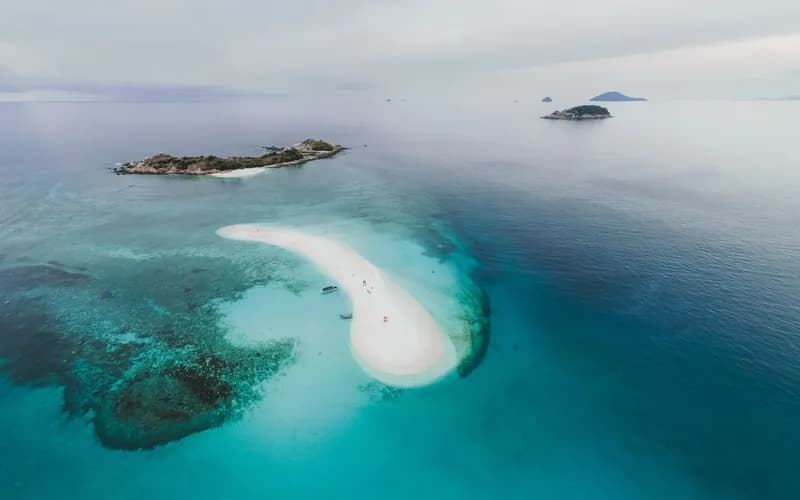
Malaysia's east coast islands are, for many, the country's most beautiful, famous for powder-white sand, clear turquoise water and superb snorkelling and diving. These islands are at their glorious best in the dry season, roughly from March to October, when the sea is calm and clear and the marine life is dazzling. Outside these months, during the northeast monsoon, many resorts close entirely and boats stop running, so timing is essential rather than optional for this coast.
If your dream is classic tropical-island bliss, snorkelling over coral, lazing on empty sand, watching the sea from a simple beach hut, the east coast is where to find it, provided you come in season. The reward for getting the timing right is some of the finest beach and reef experience in the region, often with a fraction of the crowds of more famous Southeast Asian islands. This is slow island travel at its purest, best enjoyed by settling on one island for several unhurried days rather than hopping frantically between them.
The west coast islands
The west coast of the peninsula offers a different island experience, more developed and accessible, and governed by a different season. Its best-known island is a large, well-connected destination with beaches, resorts, mangroves and duty-free shopping, offering a more varied and convenient stay than the smaller east-coast islands. The west coast is generally at its driest and best around the turn of the year, when the east coast is closed for the monsoon, which makes it a useful counterpart.
This coast suits travellers who want more infrastructure, easier access and a wider range of activities alongside the beaches, and it connects naturally to the cultural riches of the west, such as the heritage and food of Penang and George Town. It is less about the castaway ideal and more about a comfortable, well-rounded island base, and its opposite season to the east coast means that between the two, there is a good peninsular island for almost any time of year.
Get matched with up to 5 trusted Malaysia agencies
- Free
- No obligation
- Up to 5 agencies
Don't forget Borneo
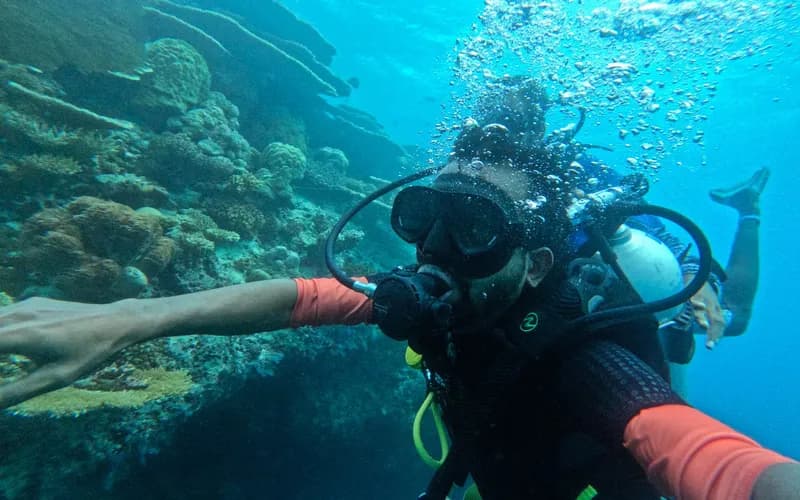
Beyond the peninsula, the islands off Malaysian Borneo add a third option, and they are among the finest of all for marine life. The islands off the coast of Sabah are world-renowned for diving, with some of the richest reefs and most spectacular underwater experiences anywhere. Their seasonal pattern differs again from the peninsula, so they can offer excellent conditions when one or other peninsular coast is out of season, extending your options across the year.
For anyone whose priority is underwater, Borneo's islands deserve serious consideration, and they pair naturally with the wider wild appeal of Sabah and Sarawak, part of the ecotourism riches we explore in our piece on Malaysia's rainforest and conservation focus. Diving and marine tourism here, done responsibly, offer some of the most extraordinary experiences in the country, and they broaden the map well beyond the peninsula's two coasts.
Matching the island to the trip you want
Beyond the season, choosing well means matching the island to what you actually want from it. If you want pristine, quiet, castaway beaches and superb snorkelling, and can travel in the dry season, the east coast islands are ideal. If you want convenience, variety and easy access, especially around the turn of the year, the west coast suits better. If diving is your priority, Borneo's islands are unmatched. Being honest about your priorities, and your dates, points you quickly to the right choice.
It also pays to decide how you want to spend your island time. The slow-travel approach is to choose one island and settle in for several days, getting to know a single beach and its rhythm, rather than rushing between many. This deeper, slower style rewards you far more than a frantic hop, and it suits Malaysia's islands beautifully. To reach them, our guide on travelling peninsular Malaysia by train can help you piece together the overland legs to the ferry ports.
Practicalities of island time
A few practical points make island travel in Malaysia smoother. Islands are reached by ferry or speedboat from mainland ports, and services are highly seasonal, so always check that boats are running for your dates, especially near the shoulders of the monsoon. Book ahead in peak season, when the best islands are busy, and carry enough cash, as smaller islands often have limited card facilities or ATMs.
Pack for simplicity and the sea: reef-safe sunscreen to protect the coral, protection from the strong tropical sun, and an easy-going attitude to the basic amenities of smaller islands, where the charm lies in the simplicity rather than luxury. With the season chosen wisely and expectations set well, Malaysia's islands offer some of the most rewarding slow, restful travel in the region. Our plan your journey page can help you slot the right island into your trip at the right time.
Travelling the islands responsibly
Malaysia's islands are as fragile as they are beautiful, and how you visit them matters. Their reefs and marine life, the very things that make them special, are vulnerable to damage from careless tourism, so a few responsible habits go a long way. Use only reef-safe sunscreen, never touch or stand on coral, keep a respectful distance from marine life, and take all your rubbish away with you, as many small islands have limited waste facilities. Choosing operators and accommodation that take conservation seriously helps protect the islands for the future.
This responsible approach fits within Malaysia's broader turn towards sustainable, low-impact tourism, and it is especially important on the islands, where the ecosystems are delicate and the pressure of visitors is concentrated. Many of the finest islands sit within or beside marine parks, where rules exist precisely to protect the underwater world, so following them, and paying any conservation fees willingly, is part of being a good visitor. Travelling this way not only protects the islands but deepens the experience, connecting you to the living sea rather than treating it as a backdrop. It is the same instinct that runs through all slow, thoughtful travel: to leave a place as beautiful as you found it, so that its magic endures for those who come after.
What to Do Next
- Decide your dates first, then choose the coast whose season matches, as the two peninsular coasts have opposite monsoons.
- For the east coast islands, travel in the dry season of roughly March to October, avoiding the northeast monsoon.
- For the west coast, aim for the drier months around the turn of the year, when the east coast is closed.
- If diving is your priority, look to Borneo's islands off Sabah, which have their own seasonal pattern.
- Choose one island and settle in for several slow days rather than hopping frantically between many.
- Check that ferries are running for your dates, book ahead in peak season, and plan with our plan your journey page.
Frequently Asked Questions
Why does the season matter so much for Malaysian islands?
Because Malaysia's two coasts have opposite monsoon seasons. The east coast is hit by the northeast monsoon from around November to February, closing many resorts and boats, while the west coast is drier then. Choosing the right coast for your dates is essential.
When should I visit the east coast islands?
In the dry season, roughly from March to October, when the sea is calm and clear and resorts and boats are operating. Avoid the northeast monsoon from around November to February, when many east-coast islands effectively close.
When is the best time for the west coast islands?
The west coast is generally at its driest and best around the turn of the year, when the east coast is closed for the monsoon. This makes it a useful alternative for island time during the northern winter months.
Which Malaysian islands are best for diving?
The islands off Malaysian Borneo, particularly off the coast of Sabah, are world-renowned for diving, with some of the richest reefs anywhere. They have their own seasonal pattern, so they can offer great conditions when a peninsular coast is out of season.
Should I island-hop or stay put?
For slow travel, choose one island and settle in for several days rather than rushing between many. Getting to know a single beach and its rhythm is far more rewarding, and it suits the unhurried character of Malaysia's islands.
How do I get to the islands?
By ferry or speedboat from mainland ports, with highly seasonal services. Reach the ports overland by train or bus, check that boats are running for your dates, book ahead in peak season, and carry cash, as smaller islands have limited banking.