How to Travel Malaysia Respectfully: Etiquette in a Multicultural Country
Malaysia's greatest asset is its diversity. This is a country where a mosque, a Chinese temple and a Hindu shrine can share a single street, where Malay, Chinese, Indian and indigenous cultures live side by side, and where the calendar is studded with the festivals of several faiths. For the traveller, this multicultural richness is one of the deepest pleasures of a visit, but it also asks for a little awareness. Knowing the customs of the different communities, and travelling with respect for all of them, is what turns a visitor into a welcome guest. This is a practical guide to travelling Malaysia thoughtfully.
None of it is complicated, and Malaysians are famously warm and forgiving of honest mistakes. But a traveller who arrives informed, and who treats the country's cultures with genuine respect, will find doors, and hearts, open more readily.
A country of many cultures and faiths
To travel Malaysia well, start by understanding its makeup. The population is a blend of Malay, who are Muslim and form the majority, ethnic Chinese, who follow Buddhism, Taoism and Christianity, and Indians, who are largely Hindu, alongside numerous indigenous peoples, especially in Borneo. Islam is the official religion and shapes much of public life, but the country is genuinely plural, and its cultures coexist in a way that is central to its identity.
This diversity means there is no single set of customs, but several, and the respectful traveller stays alert to which context they are in. The atmosphere in conservative, largely Malay-Muslim states on the east coast differs from cosmopolitan Kuala Lumpur or Chinese-majority parts of Penang. Reading the room, and adjusting accordingly, is the essence of travelling Malaysia with grace, and cities like Melaka show this coexistence at its most visible.
One request. Up to five tailored proposals.
Skip contacting agencies one by one — share your trip once and let up to five trusted Malaysia agencies come to you. Free, with no obligation.
Get my free quotesMosques, temples and places of worship
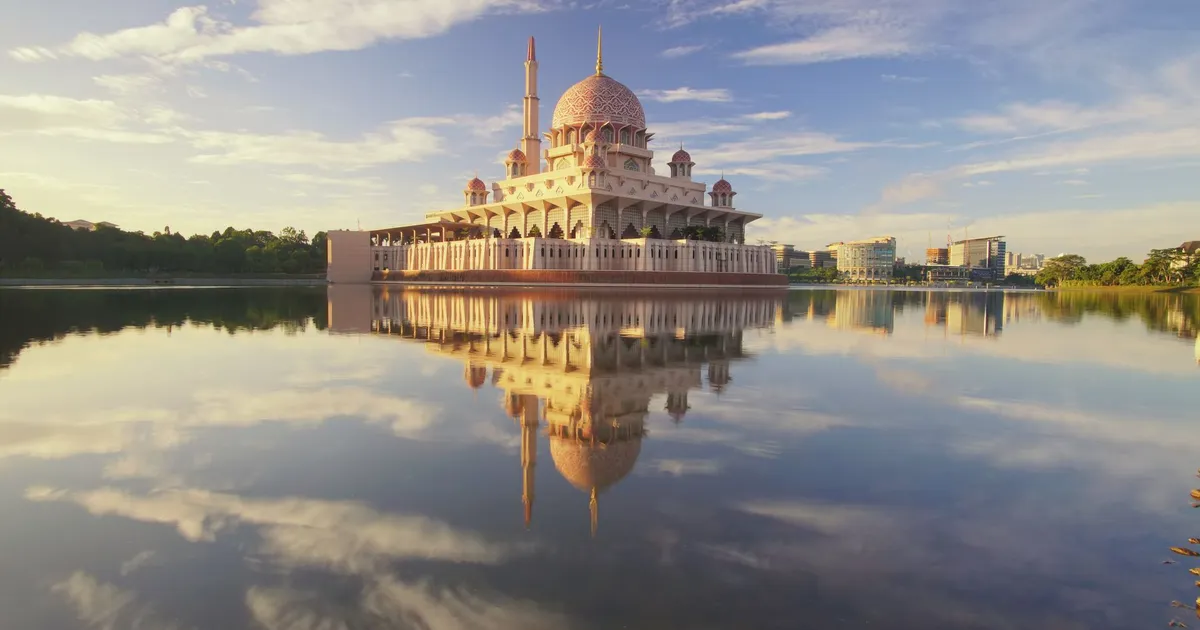
Malaysia's places of worship are among its highlights, and most welcome respectful visitors, provided you observe the etiquette. At mosques, dress modestly with arms and legs covered, remove your shoes before entering, and note that women are usually asked to cover their hair; many mosques provide robes and headscarves for visitors at the door. Avoid visiting during prayer times unless you are worshipping, and always ask before photographing people at prayer.
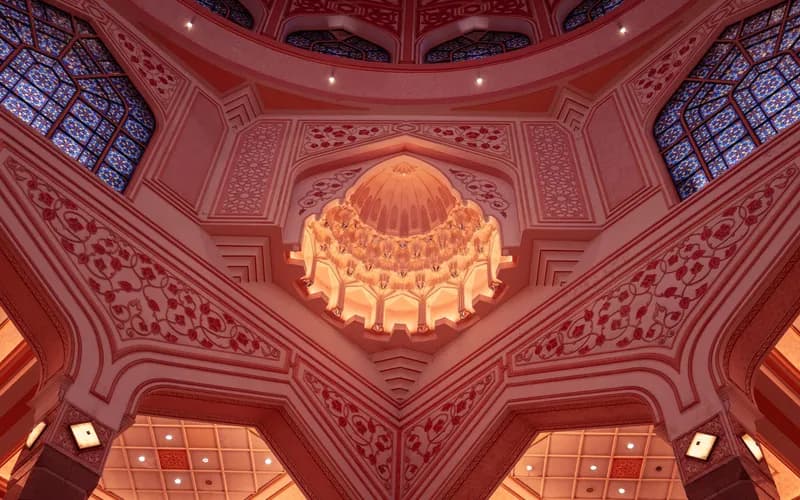
Chinese temples and Hindu temples have their own conventions: remove your shoes where indicated, dress modestly, do not touch statues or offerings, and be quiet and unobtrusive. In all religious sites, modest dress and a respectful, low-key manner are the constants. Treat every place of worship as the active, sacred space it is rather than a photo backdrop, and you will be welcome in all of them. This spirit of respectful curiosity is the same one our guide to Penang and George Town encourages among that city's mingled faiths.
Dress and modesty
How you dress matters in Malaysia, and it varies by place. In general, Malaysia is more conservative than some neighbouring beach destinations, and modest dress, covering shoulders and knees, is appreciated in towns, cities and especially religious sites. This is more important in the conservative east-coast states, where local dress is notably modest, than in cosmopolitan Kuala Lumpur or at beach resorts, where standards are more relaxed.
The simple rule is to dress for the setting. Beachwear is fine on the beach and at resorts, but cover up when you leave them, and always dress modestly for mosques, temples, rural areas and conservative regions. Carrying a light scarf or sarong is a practical habit; it lets you cover up quickly for a mosque or a temple. Dressing with awareness is a small courtesy that signals respect and smooths your way everywhere.
Get matched with up to 5 trusted Malaysia agencies
- Free
- No obligation
- Up to 5 agencies
Ramadan and the festival calendar
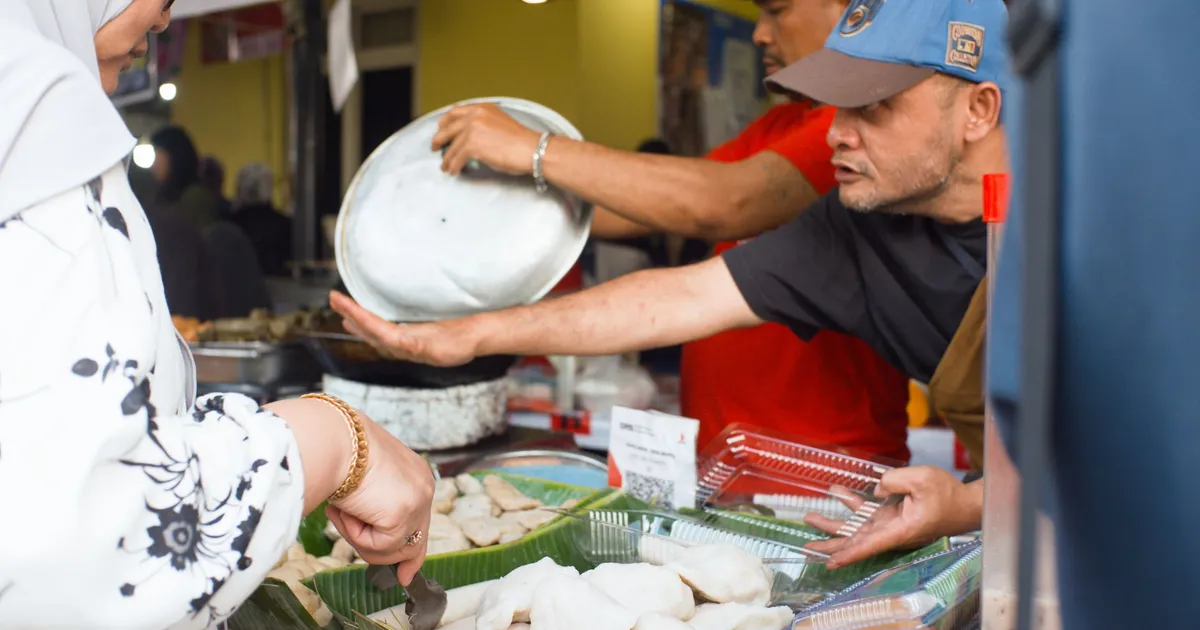
Malaysia's calendar is rich with the festivals of its many communities, and timing your visit around them, or being aware of them, matters. The Muslim fasting month of Ramadan is the most significant to understand: for a month, observant Malays fast from dawn to dusk, and while life continues largely as normal, it is courteous for visitors to be discreet about eating, drinking and smoking in public during daylight, especially in conservative areas. The upside is the spectacular Ramadan bazaars that appear each afternoon, and the joyful Hari Raya celebrations that follow.
Other communities bring their own great festivals: Chinese New Year fills the streets with colour and closes many businesses, Deepavali lights up Indian neighbourhoods, and Thaipusam draws extraordinary Hindu devotion. These can be wonderful times to visit, though transport and accommodation get busy and some places close, so plan around them. Our guide to where to go and when in Malaysia helps you time a trip with the calendar in mind.
Food, alcohol and hospitality customs
Food is where Malaysia's cultures meet most deliciously, and a few customs are worth knowing. In Malay and Indian settings, food is traditionally eaten with the right hand, and using your right hand to give, receive and eat is the polite norm across cultures. Much of the food is halal, prepared to Muslim requirements, and pork is absent from Malay and mamak kitchens, though widely available in Chinese ones.
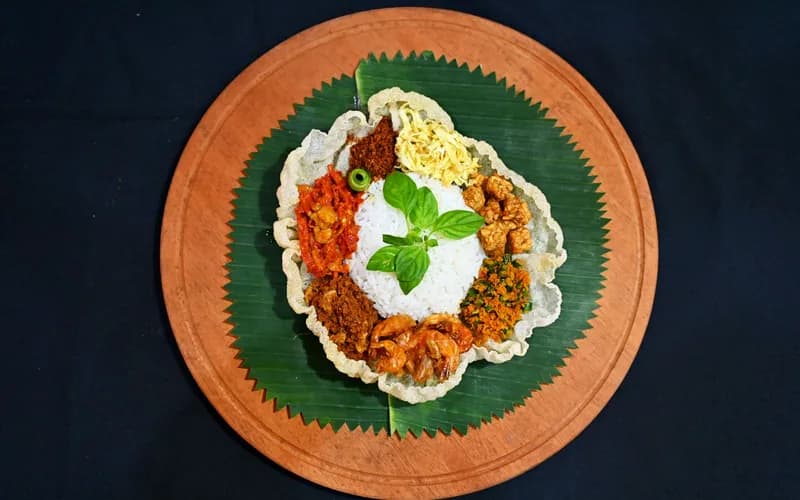
Alcohol is available in most of the country, in Chinese restaurants, bars and hotels, but as a Muslim-majority nation Malaysia treats it more discreetly than some neighbours, and it is scarce or restricted in the conservative east-coast states. Drink where it is normal to do so and be discreet elsewhere. Malaysian hospitality is warm and generous, and accepting an offer of food or drink graciously is part of the exchange. Our slow travellers guide to Malaysian food covers the cuisine these customs surround.
A few sensitivities to respect
Beyond the big themes, a handful of smaller courtesies matter. As across much of the region, the head is considered special and the feet lowly, so avoid touching people's heads and do not point your feet at people or at sacred images; remove your shoes when entering homes and many other spaces. Public displays of affection are best kept modest, particularly in conservative areas.
Two further points call for care. Malaysia holds its royalty, the sultans and the king, in deep respect, and disrespecting them is taken very seriously, so keep any comments well clear of the monarchy. And be aware that Malaysia is socially conservative on some matters by Western standards, with laws and attitudes that differ from those travellers may be used to; discretion and sensitivity to local norms serve you well. None of this need cause anxiety, it is simply the ordinary respect any guest owes a host.
Travelling as a welcome guest
Approached with awareness, Malaysia's diversity becomes the richest part of the trip rather than a set of pitfalls. The country rewards the traveller who takes an interest in all its communities, who dresses and behaves with respect, and who approaches its many cultures with genuine curiosity. Do this, and you will find Malaysians extraordinarily welcoming, quick to help, to explain, and to share their food and festivals with a visitor who shows they care.
The underlying principle is simple: be a considerate guest. Observe, ask, adapt, and err on the side of modesty and respect, and you cannot go far wrong. Malaysia asks little of its visitors beyond this basic courtesy, and it gives a great deal in return, a warm, deep and endlessly varied encounter with one of Asia's most harmoniously plural societies. To plan a trip that engages respectfully with the whole of that richness, a specialist on our Malaysia plan-your-journey page can help.
A few words go a long way
You need not learn Malay to travel Malaysia, as English is widely spoken across much of the country, which makes it one of the easier places in the region to get around. But a handful of words are still worth carrying, because the effort is warmly received. A simple terima kasih (thank you), selamat pagi (good morning), or a greeting in the language of the community you are among signals respect and goodwill, and it never fails to raise a smile.
More important than vocabulary is manner. A friendly, patient, unhurried approach, a willingness to ask rather than assume, and genuine interest in the person in front of you will carry you further than any phrasebook. Malaysians respond to warmth with warmth, and the traveller who brings it finds the country opens up in the most generous way.
What to Do Next
- Learn the basic makeup of Malaysia's Malay, Chinese, Indian and indigenous cultures, and stay aware of which context you are in.
- Dress modestly for towns, rural areas and religious sites, carrying a scarf or sarong to cover up quickly.
- Follow mosque and temple etiquette: cover up, remove shoes, and be quiet and unobtrusive.
- Be discreet about eating in daylight during Ramadan, and plan around the major festivals.
- Respect local customs on the right hand, feet and head, alcohol, the monarchy and public behaviour.
Frequently Asked Questions
What should I wear in Malaysia?
Dress modestly in towns, rural areas and especially religious sites, covering shoulders and knees. Beachwear is fine at the beach and resorts, but cover up elsewhere. The conservative east-coast states call for more modest dress than cosmopolitan Kuala Lumpur. Carrying a scarf or sarong lets you cover up quickly when needed.
How do I behave respectfully at a mosque in Malaysia?
Dress modestly with arms and legs covered, remove your shoes before entering, and, for women, cover your hair; many mosques lend robes and headscarves at the door. Avoid prayer times unless worshipping, do not photograph people at prayer without asking, and keep quiet and unobtrusive throughout.
What is it like to visit Malaysia during Ramadan?
Life continues largely as normal, but observant Malays fast from dawn to dusk, so it is courteous to be discreet about eating, drinking and smoking in public during daylight, especially in conservative areas. The compensation is the wonderful Ramadan bazaars each afternoon and the festive Hari Raya that follows.
Can I drink alcohol in Malaysia?
Yes, in most of the country: alcohol is served in Chinese restaurants, bars and hotels. But as a Muslim-majority nation Malaysia treats it more discreetly than some neighbours, and it is scarce or restricted in the conservative east-coast states. Drink where it is normal to do so, and be discreet elsewhere.
Are there customs around eating in Malaysia?
Yes. In Malay and Indian settings, food is traditionally eaten with the right hand, and using the right hand to give, receive and eat is polite across cultures. Much food is halal, with no pork in Malay and mamak kitchens. Accepting offers of food graciously is part of Malaysia's warm hospitality.
What should I avoid doing in Malaysia?
Avoid immodest dress in towns and religious sites, eating openly in daylight during Ramadan in conservative areas, and touching people's heads or pointing your feet at people or sacred images. Keep public affection modest, respect local customs and the monarchy, and remove your shoes when entering homes.