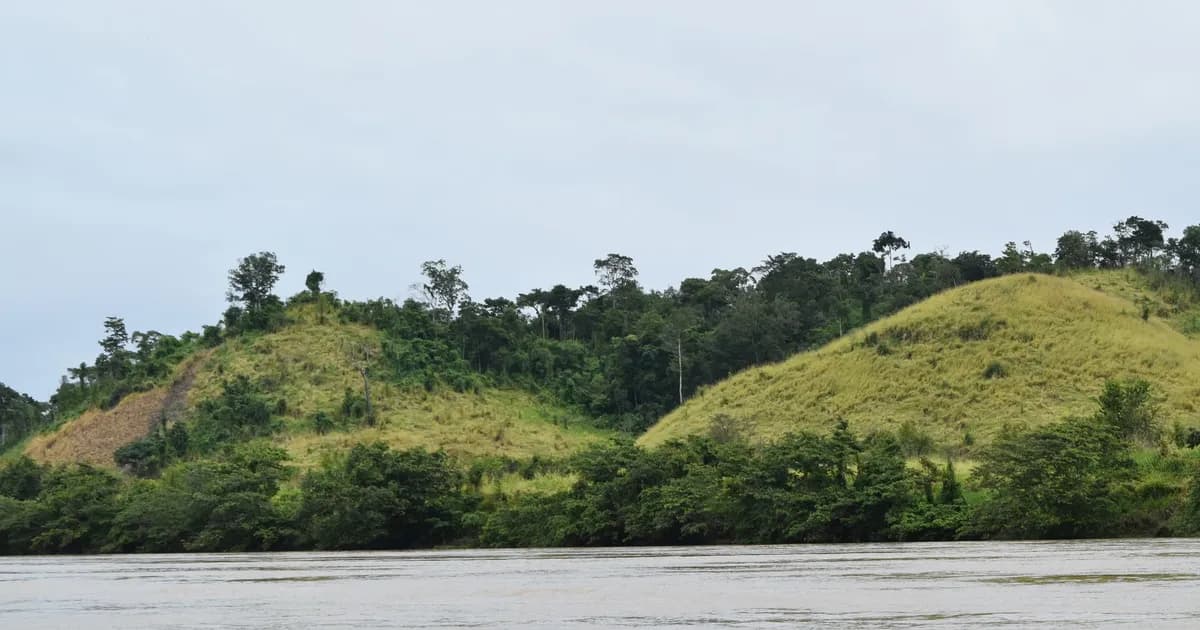


Kuching does not announce itself. Sarawak's capital is the largest city on the Malaysian side of Borneo and also the least hurried: a low-rise grid of shophouses, temples, mosques and colonial follies laid along a slow brown river, with rainforest pressing in from three sides. Most itineraries treat it as a transit lounge, one night before the flight to Mulu, two before a boat to Bako. That is the mistake. Kuching is one of the few cities in Southeast Asia where doing very little is the point, and where the doing-very-little happens to sit forty minutes from wild orangutans, proboscis monkeys and Bidayuh longhouses that have stood for generations.
A City That Never Learned to Rush
Sarawak is Malaysia's largest state, roughly the size of the entire peninsula but with a fraction of its population, and Kuching holds only around 600,000 people across its metropolitan area. The scale matters. There is no elevated motorway carving the centre in half, no metro system, no district of glass towers. What there is instead is a walkable historic core of perhaps two square kilometres, bounded by the river on one side and a ring of markets on the other, in which almost everything worth seeing on foot sits within twenty minutes of everything else.
The city's texture comes from its people. Sarawak recognises more than two dozen distinct ethnic groups, among them Iban, Chinese, Malay, Bidayuh, Melanau and the Orang Ulu communities of the interior, and none of them forms a clear majority. You hear it on the street: Malay, Hokkien, Hakka, Iban and English braided into the same conversation. You see it in the skyline, where a state mosque, a Chinese temple, an Anglican cathedral and a Hindu shrine all sit within a short walk of one another. Kuching's version of multicultural Malaysia is older, quieter and less self-conscious than the peninsula's, and it is one of the reasons the city belongs on any list of places worth going out of your way for.
One request. Up to five tailored proposals.
Skip contacting agencies one by one — share your trip once and let up to five trusted Malaysia agencies come to you. Free, with no obligation.
Get my free quotesWalking the Waterfront and the Old Shophouse Grid
Start at the Kuching Waterfront, an esplanade of about a kilometre that runs from the Chinese History Museum to the Brooke Dockyard. It is the city's living room. In the late afternoon the heat drops, families arrive, food carts appear, and the sampan tambang, small wooden ferries that have crossed here for more than a century, shuttle passengers to the north bank for a couple of ringgit. Take one. The three-minute crossing is the cheapest and best introduction to the city you will get, and it lands you near Fort Margherita and the golden-roofed Astana, both built under the White Rajahs who ruled Sarawak as a private kingdom from 1841 until the Second World War.
Behind the esplanade the old grid begins. Main Bazaar is the tourist-facing street, lined with antique dealers and craft shops selling Iban pua kumbu textiles and Orang Ulu beadwork. One block back, Carpenter Street still has working carpenters and metalworkers alongside kopitiam that have not changed their menus in decades, and the Hong San Si and Tua Pek Kong temples anchor either end. India Street, pedestrianised and shaded, sells fabric, spices and prayer caps. None of this takes long to walk, which is precisely why you should walk it more than once, at different hours.
Give a half-day to the Borneo Cultures Museum, opened in 2022 and one of the largest museums in Southeast Asia. Its five floors handle Sarawak's Indigenous cultures with a seriousness and a lightness of touch that the older colonial-era collections never managed, and it is the single best preparation for anything you do upriver afterwards.
Eating Kuching: Laksa Before Nine
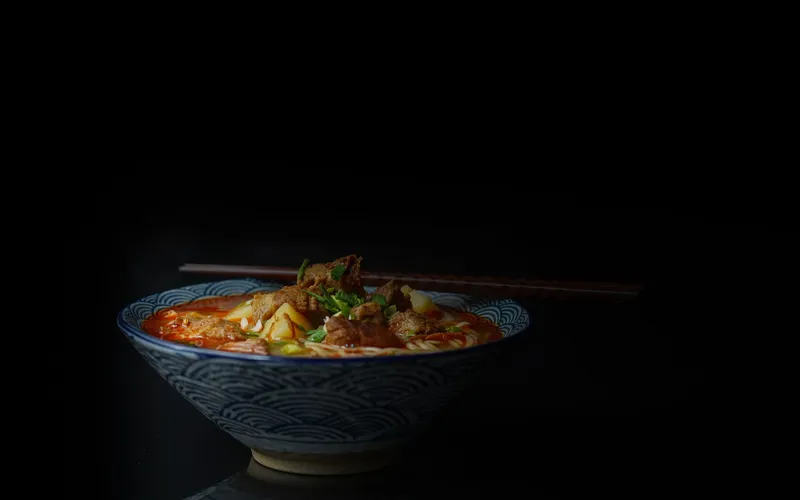
Kuching eats early. The city's signature dish, Sarawak laksa, is a breakfast food: a broth of shrimp paste, coconut milk, tamarind and a closely guarded spice paste, poured over vermicelli with shredded chicken, prawns, beansprouts, omelette strips and a wedge of lime. It is not the curry laksa of the peninsula and it is not the sour asam laksa of Penang. It is its own thing, and by ten in the morning the best stalls have sold out.
The other breakfast is kolo mee: springy egg noodles tossed dry in shallot oil and vinegar, topped with char siu and minced pork, occasionally tinted red. At heritage food courts such as Lau Ya Keng in the Chinatown core, most bowls still cost between RM5 and RM8. Beyond the two headline dishes, look for midin, a wild jungle fern stir-fried with garlic or belacan; umai, the Melanau dish of raw fish cured in lime and shallots; manok pansuh, chicken cooked inside bamboo with tapioca leaves; and kek lapis Sarawak, the vividly layered cakes sold by the slab near the mosque. If you are building a food-led itinerary through the country, Kuching deserves as much space as the peninsular cities in any serious survey of what to eat in Malaysia.
Get matched with up to 5 trusted Malaysia agencies
- Free
- No obligation
- Up to 5 agencies
The Rainforest Is Forty Minutes Away
This is Kuching's real advantage over every other Malaysian city: primary rainforest is a short drive, not an expedition.
Bako National Park, Sarawak's oldest, sits on a peninsula about 37 kilometres north-east. You drive or take a bus to Kampung Bako, then a boat, because there is no road in. Shared boats run roughly RM30 to RM35 per person each way, with private charters considerably more, and park entry for foreign adults is RM20. What you get is sixteen marked trails across seven vegetation types, sea stacks, and the best chance in Malaysia of seeing proboscis monkeys in the wild, along with bearded pigs, silvered langurs and, if you walk at dusk, flying lemurs. Day trips work, but the park hostel and lodges make an overnight stay far better: the wildlife is most active at either end of the day, when the day-trippers are on the water.
Semenggoh Nature Reserve, twenty minutes south of the city, is the other essential. Around thirty semi-wild orangutans, rehabilitated or born in the reserve, range freely across the forest and come to feeding platforms at 9am and 3pm. Entry is roughly RM10 for foreign adults. Be honest with yourself about the odds: during the fruiting season, broadly November to February, the apes find plenty in the canopy and often do not appear at all. That is a sign the reserve is working, not failing. For context on how Malaysia is trying to reconcile wildlife tourism with conservation, our piece on the country's ecotourism awakening is worth reading before you book.
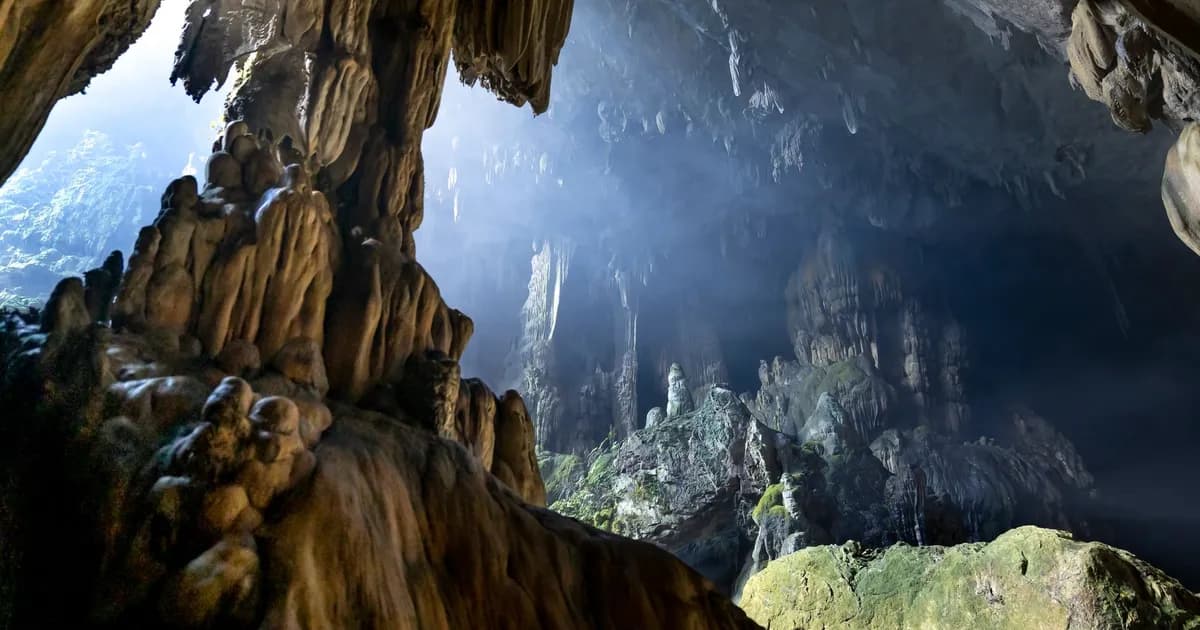
Add Kubah National Park for palms and frogs, the Matang Wildlife Centre for rescued animals, the Wind Cave and Fairy Cave near Bau for limestone, and the Santubong peninsula for beaches and a mangrove river where Irrawaddy dolphins are occasionally seen.
Upriver and Inland: Longhouses, Hot Springs and the Bidayuh Highlands
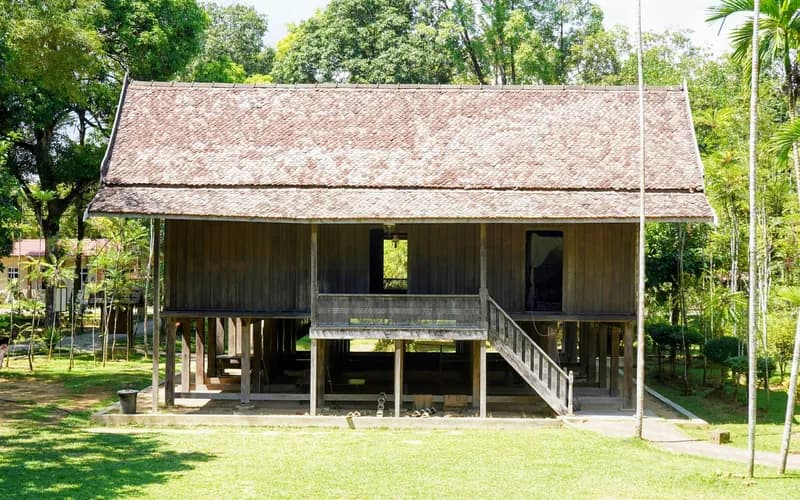
Sarawak's longhouses are not museum pieces. They are functioning villages under one very long roof, with a common veranda running the length of the building and private family quarters behind. The most accessible from Kuching is Annah Rais, a Bidayuh longhouse about 100 kilometres south, reachable in ninety minutes by road, where a modest entrance fee of around RM10 supports the community and several families run overnight stays. Nearby hot springs make an easy addition.
Going further takes commitment and rewards it. Batang Ai, four to five hours east plus a boat crossing, puts you among Iban longhouses on a reservoir at the edge of a national park, in country where wild orangutans still live. Whichever you choose, the ethics are simple: book with community-run operators rather than day-trip brokers, stay overnight rather than dropping in for an hour of staged dancing, and expect to eat what the household eats. The rhythm of a longhouse evening, with tuak rice wine passed slowly around the veranda, is the closest thing Borneo offers to the argument for slow travel. Our guide to staying in a Malaysian kampung homestay covers the booking mechanics in detail.
When to Go, and What the Rain Actually Does
Kuching is one of the wettest cities in Malaysia, with annual rainfall well above four metres in some years. This frightens people unnecessarily. The northeast monsoon, roughly November to February, brings the heaviest and most sustained rain, and boat access to Bako can be suspended for days at a time in that window. June to August is comparatively dry and is the standard recommendation. Outside the monsoon peak, rain usually arrives as a heavy afternoon burst that clears within an hour or two, which is a very different proposition from a week of grey drizzle.
The calendar gives you reasons to time a visit. The Rainforest World Music Festival, held at the Sarawak Cultural Village beneath Mount Santubong, ran its 29th edition from 26 to 28 June 2026 and returns to the same site each June; it is regularly ranked among the world's leading world-music festivals and sells early-bird passes months ahead. Gawai Dayak, the Dayak harvest festival on 1 and 2 June, empties the city as families head to their longhouses and is an extraordinary time to be invited to one. The Kuching Festival in August turns a car park into a month-long open-air food fair. For a broader view of how Malaysia's regions and seasons fit together, see our guide on where to go and when.
Getting There and Getting Around
Kuching International Airport lies about 11 kilometres south of the centre, with frequent flights to Kuala Lumpur, Singapore, Johor Bahru, Kota Kinabalu, Miri and Sibu, plus a short hop to Pontianak in Indonesian Borneo. There is one procedural surprise that catches almost every first-time visitor: Sarawak controls its own immigration. Even on a purely domestic flight from Kuala Lumpur you will clear an immigration counter on arrival, you must present your passport, and you receive a Sarawak entry endorsement rather than a peninsular one. Most visa-exempt nationalities receive up to 90 days, though the officer sets the period. You do not need to file a new digital arrival card when flying in from elsewhere in Malaysia, but you do if you arrive from abroad; the rules are laid out in our explainer on entering Malaysia and the MDAC.
In the city itself, walk. The historic core is compact and shaded in parts, and the waterfront is car-free. Ride-hailing is cheap and ubiquitous, city buses cover the airport and the Semenggoh road, and the sampan tambang crossings cost a ringgit or two. For anything beyond a day trip, a driver or a small local operator saves hours; distances in Sarawak are long and public transport thins out fast once you leave the coastal corridor.
What to Do Next
- Block out five to seven nights in Kuching rather than the standard two. The city absorbs the time easily and the day trips stop feeling rushed.
- Book Bako National Park accommodation and boat transfers directly through Sarawak Forestry's online booking system as early as you can, especially for June to August.
- Choose your Semenggoh session and go at 3pm on your first attempt, keeping a second morning free in case the orangutans do not appear.
- Arrange a longhouse stay with a community-run host at Annah Rais or Batang Ai for at least one night, not a half-day visit.
- Check whether your dates overlap Gawai Dayak in early June or the Kuching Festival in August, and book accommodation earlier if they do.
- If you want the interior handled properly, work with a vetted specialist from our list of Malaysia travel agencies, or start from plan your journey to shape the wider trip.
Frequently Asked Questions
How many days do you need in Kuching?
Three days covers the city and one national park. Five to seven lets you do Bako with an overnight, Semenggoh, a longhouse stay, and still leave mornings free for the waterfront and the markets. Kuching is not a city that yields much to a rushed visit, and the surrounding attractions are spread out enough that stacking them into consecutive days becomes tiring.
Do I need a passport to fly from Kuala Lumpur to Kuching?
Yes. Sarawak operates its own immigration control under the terms of the Malaysia Agreement 1963, so foreign visitors clear immigration on arrival in Kuching even on a domestic flight and receive a separate Sarawak endorsement. Carry your passport, not a photocopy, and allow a little extra time on arrival.
Is Kuching a good base for seeing orangutans?
It is the easiest base in Malaysia. Semenggoh Nature Reserve is twenty minutes from the city and hosts semi-wild orangutans that come to feeding platforms twice daily, though sightings are not guaranteed during the fruiting season. For genuinely wild orangutans in primary forest you need to go further, to Batang Ai or across to Sabah's Danum Valley.
What is the best time of year to visit Kuching?
June to August is the driest and most reliable stretch, and it coincides with Gawai Dayak, the Rainforest World Music Festival and the Kuching Festival. November to February brings the heaviest monsoon rain and can interrupt boat access to Bako. The shoulder months of March to May are quieter and generally workable.
Is Kuching expensive compared with Peninsular Malaysia?
Food and local transport are comparable or cheaper, with hawker meals commonly RM5 to RM10. Accommodation in the historic core is good value. The costs that add up are flights, since almost everything within Sarawak involves a plane or a long drive, and organised trips into the interior, which are priced for small groups.
Can I visit a longhouse responsibly?
Yes, if you choose carefully. Prioritise community-run homestays over brokered day trips, stay at least one night, ask before photographing people or interiors, bring a practical gift for the household rather than sweets for children, and accept that the schedule belongs to your hosts. Payment that goes directly to the community rather than an intermediary matters more than the amount.
Do I need a guide for Bako National Park?
Not for the main trails, which are well marked and colour-coded, and independent walking is straightforward. A guide substantially improves your chances of spotting wildlife, particularly proboscis monkeys and nocturnal species, and guides can be hired at park headquarters. Register your intended route at the office before setting out, carry water, and start early.