Sandakan and the Kinabatangan: Slow Wildlife Days in Eastern Sabah
Most travellers meet eastern Sabah as a checklist: a morning at the orangutan centre, one boat ride on the river, a flight out the next day. It works, in the sense that you will probably see an orangutan. But the region between Sandakan and the lower Kinabatangan is one of the few places in Southeast Asia where wildlife is genuinely part of daily life along a working river, and it gives back far more to the traveller who stays long enough to fall into its rhythm: dawn on the water, the heat of midday spent doing very little, dusk cruises when the proboscis monkeys settle into the riverside trees. This is a guide to doing eastern Sabah slowly, with honest notes on what you can and cannot expect.
Why Eastern Sabah Rewards Staying Put
The logic of this corner of Borneo is simple. Wildlife follows its own timetable, not yours. Every boat trip on the Kinabatangan is a gamble: one cruise might bring a mother orangutan building her night nest twenty metres from the bank, the next a long stretch of empty green. Travellers who book a single afternoon cruise are betting everything on one throw. Those who stay three or four nights get six or eight chances, and the odds shift dramatically in their favour.
There is a second reason to linger. The river's forests survive as a narrow, fragmented corridor squeezed between oil palm plantations, and the communities of Sukau, Bilit and Abai have built a modest tourism economy that depends on visitors staying, eating locally and hiring local guides. A longer stay spreads your money where it matters, which is exactly the kind of low-impact travel described in our look at Malaysia's broader ecotourism shift.
Finally, the pace suits the climate. Eastern Sabah is hot and humid year-round, and the best wildlife hours are early morning and late afternoon. The middle of the day is for a long lunch, a nap and a book on a verandah. Trying to squeeze more into it is how people end up exhausted and disappointed.
One request. Up to five tailored proposals.
Skip contacting agencies one by one — share your trip once and let up to five trusted Malaysia agencies come to you. Free, with no obligation.
Get my free quotesSandakan: The Town Most People Rush Through
Sandakan rarely gets more than a night, usually spent in a hotel near the airport before a transfer to Sepilok. That is a pity. This was the capital of British North Borneo until the Second World War left it in ruins and the administration moved to what is now Kota Kinabalu. The town rebuilt itself as a busy, unglamorous port, and its interest lies in the layers underneath.
Start on the hill above the waterfront. Agnes Keith House, the restored home of the American writer whose memoir Land Below the Wind gave Sabah its enduring nickname, sits in a quiet garden with views over the bay; the English Tea House next door is a pleasant, slightly anachronistic place for a scone in the afternoon. The Sandakan Heritage Trail links these to the stone church of St Michael and All Angels and to Puu Jih Shih Temple, a large Buddhist temple overlooking the harbour.
Outside the centre, Sandakan Memorial Park is a sobering and essential visit. It marks the site of a wartime prisoner-of-war camp from which the infamous death marches to Ranau set out in 1945. Of roughly 2,400 Allied prisoners held there, only six survived the war. The small pavilion tells the story with restraint, and the grounds are usually quiet enough for reflection.
Back at the waterfront, the central market and the Sim Sim water village show the town as it actually lives: fish landings, stilt houses, seafood lunches at plastic tables. Two nights here, with no agenda, give you a sense of Sabah that the wildlife lodges cannot.
Sepilok: Orangutans, Sun Bears and a Canopy Walk
Around twenty-five kilometres west of Sandakan, the village of Sepilok sits on the edge of the Kabili-Sepilok Forest Reserve and hosts three distinct attractions within walking distance of each other.
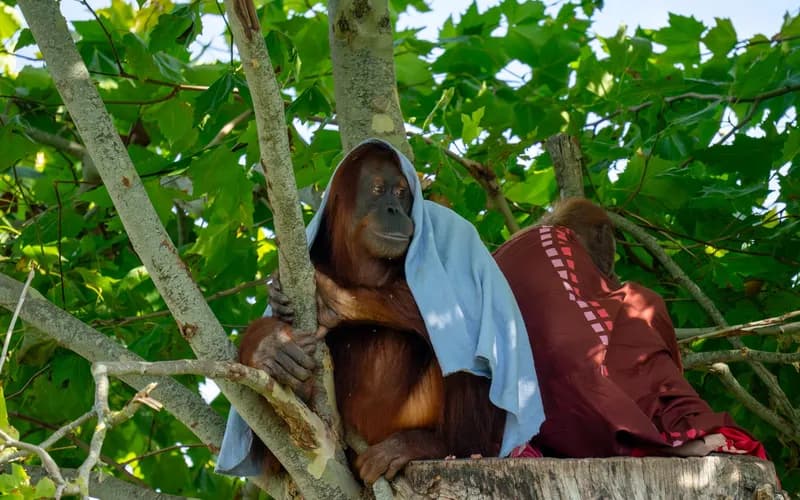
The Sepilok Orangutan Rehabilitation Centre, founded in 1964, cares for orphaned and rescued orangutans and prepares them for life in the surrounding forest. Feedings take place at the main platform at 10:00 and 15:00, with the outdoor nursery viewing area opening shortly before each. Entry for foreign adults is RM30, with a separate RM10 fee for cameras, and one ticket covers both feedings on the same day. Come for the afternoon session if you can: the morning crowd of day-trippers and cruise-ship excursions tends to thin out after lunch.
Directly opposite, the Bornean Sun Bear Conservation Centre works with the world's smallest bear species, most of them rescued from captivity. There are no scheduled feedings, by design; the bears are encouraged to forage, so patience on the viewing platforms is rewarded. It generally opens from 9:00 to 15:30.
The third stop, the Rainforest Discovery Centre, is the one most visitors skip and the one slow travellers tend to love. Its canopy walkway and towers put you at eye level with the treetops, and early morning here, before 8:00, brings hornbills and bulbuls, while dusk can bring giant flying squirrels gliding between the trunks. Staying two nights in Sepilok itself, in one of the small lodges on the forest edge, lets you do all three without rushing.
Get matched with up to 5 trusted Malaysia agencies
- Free
- No obligation
- Up to 5 agencies
The Kinabatangan: A River, Not a Tour
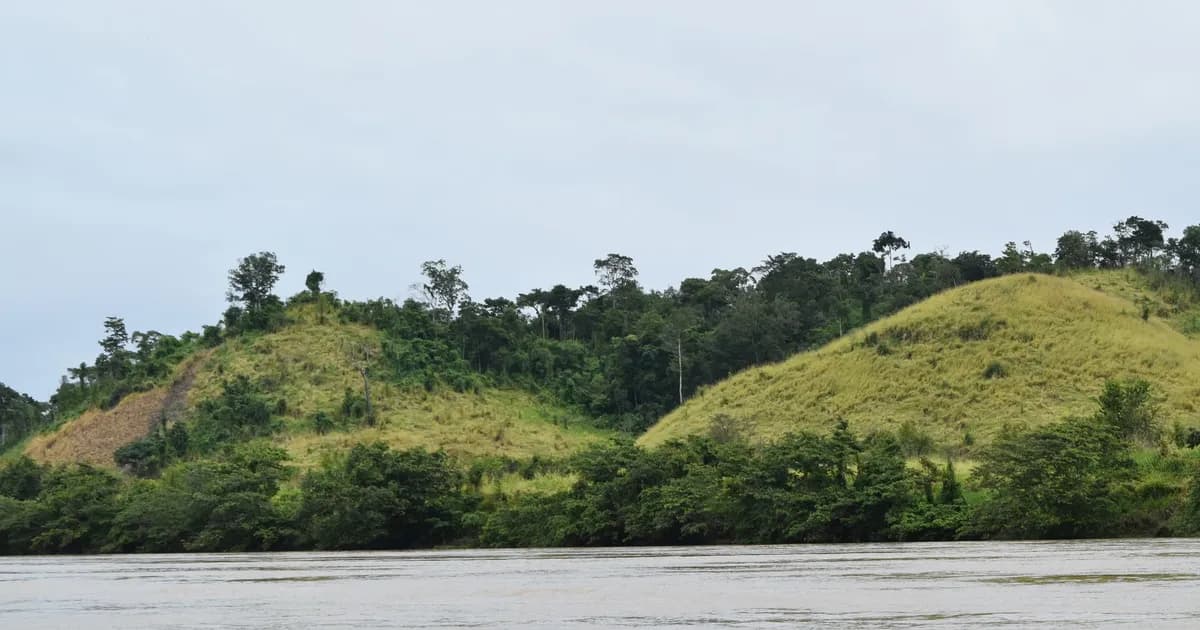
At around 560 kilometres, the Kinabatangan is Sabah's longest river and the second longest in Malaysia. Its lower reaches, protected in part as the Lower Kinabatangan Wildlife Sanctuary, form a floodplain of riverine forest, oxbow lakes and swamp that supports one of the densest concentrations of wildlife in Borneo, precisely because the animals have been pushed towards the water by the plantations behind.
Most visitors base themselves in Sukau or Bilit, roughly two and a half hours by road from Sandakan, with Gomantong Caves along the way. The rhythm is the same almost everywhere: a cruise at dawn before breakfast, another in the late afternoon, and often a night cruise or guided night walk. Each cruise lasts around two hours in a small open boat with a local guide who knows which trees the orangutans have been feeding in and where the elephants were last seen.
The key insight is that the boat, not the lodge, is the experience. The river is the same river whichever lodge you choose, and the guides from neighbouring villages share information constantly. What differs is the comfort of your room, the quality of the food and the size of the groups. Ask how many passengers go in each boat; six to eight is good, anything above twelve dilutes the experience.
What You Might See, and What You Should Not Expect
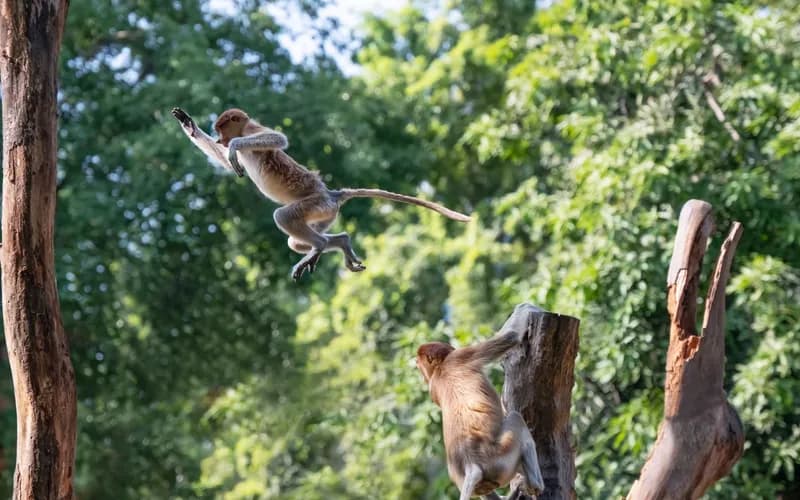
The river's reputation rests on its variety. Proboscis monkeys, found only on Borneo, gather in riverside trees in the late afternoon and are almost guaranteed. Long-tailed and pig-tailed macaques, silvered langurs, monitor lizards and estuarine crocodiles are common. All eight of Borneo's hornbill species have been recorded along the river, including the rhinoceros hornbill, and kingfishers and storks reward anyone with binoculars.
Wild orangutans are frequently seen but never promised. Bornean pygmy elephants are the headline most people hope for, and here honesty matters: the herds range widely, and sightings are seasonal and unpredictable. Some weeks they are on the riverbank daily; some months they are far inland. A guide who promises elephants is selling, not informing.
Bring binoculars, a camera with a zoom lens if you have one, a hat and repellent for the evening cruises. Wear muted colours. And keep your voice down on the water: the best sightings go to the quietest boats.
Choosing Where to Stay: Sukau, Bilit or a Homestay
Accommodation along the river falls into three broad tiers. At the top, a handful of established eco-lodges offer comfortable rooms, good food and all-inclusive packages with transfers from Sandakan, several cruises and guided walks. Mid-range lodges in Bilit and Sukau offer much the same river experience with simpler rooms. At the budget end, village homestays and small guesthouses let you book cruises, meals and transport separately.
Packages for three days and two nights range from about US$150 per person at the simple end to US$800 or more at the top lodges. Travellers who assemble their stay independently report spending considerably less, with transfers from Sandakan costing roughly RM85 to RM150 each way depending on group size, and individual cruises bought on the spot.
For slow travellers, a village homestay is often the most rewarding choice. You eat with a family, learn how the river shapes daily life, and your money stays in the community. If you have never done it before, our guide to staying in a Malaysian kampung homestay explains the etiquette and what to expect. Whichever tier you choose, three nights is the sweet spot; four is better still.
Gomantong, Labuk Bay and the Turtle Islands
Three side trips round out a week in the region. Gomantong Caves, on the road to Sukau, is Sabah's best-known limestone cave system and a working site where swiftlet nests are harvested under licence for the bird's-nest trade. The main cave, Simud Hitam, is reached by a short forest walk; inside, the scale of the chamber, the guano and the cockroaches make it memorable for better or worse. Sturdy closed shoes are essential.
Labuk Bay Proboscis Monkey Sanctuary, north of Sandakan, is a privately run reserve on the edge of an oil palm estate where the monkeys come to feeding platforms. It offers close views, but it is a managed setting; if you are staying on the Kinabatangan, you will see proboscis monkeys in the wild anyway.
The Turtle Islands Park, around an hour by boat from Sandakan, is different in character. Visitors stay overnight on Selingan Island, with numbers limited, and are taken by rangers to watch green or hawksbill turtles nesting and hatchlings being released. Places are allocated through a licensed operator and fill early, so book well ahead if this matters to you.
When to Go, and the Weather Question in 2026
The drier months, roughly March to October, are the easiest time for river cruises and forest walks, with June to August the busiest thanks to European school holidays. From about November to February, heavy rain can swell the river and flood low-lying trails; wildlife viewing continues, and some travellers love the quieter lodges, but expect disruption.
This year adds a note on air quality. Transboundary haze from fires in Indonesia has affected much of Malaysia since August 2026, with Sarawak hit hardest. Eastern Sabah has so far fared markedly better: on 18 September, Sandakan was one of only three monitoring stations in the country to record good air quality. Conditions can shift with the wind, so check the official readings before you travel.
Getting here usually means flying into Sandakan from Kuala Lumpur or Kota Kinabalu, or taking the long bus ride of around six hours from Kota Kinabalu across the interior. Remember that Sabah runs its own immigration control, even for domestic arrivals from the peninsula; our explainer on Sabah's internal immigration check covers what to carry.
Travelling Responsibly on a Working River
The Kinabatangan is not a national park in the Western sense. It is a mosaic of protected forest, private land and villages, with plantations close behind, and the wildlife that makes it famous survives because of corridor restoration projects and local goodwill. Your choices as a visitor have a measurable effect.
Choose operators who keep a respectful distance from animals, never chase elephants or crowd an orangutan, and limit the number of boats at a sighting. Avoid night cruises that shine powerful lights directly into animals' eyes. Do not feed anything. Ask whether your lodge employs guides from the local villages and supports reforestation work; many do, and they are usually proud to explain it. These are the same principles that guide our slow travel charter, and they matter more here than almost anywhere.
A Slow Itinerary: Seven Days in Eastern Sabah
Days one and two: Sandakan. Arrive, walk the heritage trail, visit the memorial park, eat seafood by the water, and do nothing in particular on the second afternoon.
Days three and four: Sepilok. Move to a forest-edge lodge, catch the afternoon orangutan feeding, visit the sun bears, and spend a dawn and a dusk on the Rainforest Discovery Centre's canopy walkway.
Days five to seven: the Kinabatangan. Stop at Gomantong Caves on the way, then settle into three nights on the river, with two cruises a day, a night walk and long, quiet middays. Fly out from Sandakan on day eight, or continue south to Semporna and the islands of the east coast.
What to Do Next
- Decide on your base style for the river, whether all-inclusive lodge, mid-range lodge or village homestay, and book at least three nights.
- Plan two nights in Sepilok and arrive in time for an afternoon orangutan feeding.
- Book flights to Sandakan, or the bus from Kota Kinabalu, and keep your passport handy for Sabah's immigration check.
- If turtles are a priority, request a Selingan Island overnight well ahead of your dates.
- Pack binoculars, repellent, a hat, a rain jacket and closed shoes for Gomantong.
- Check official air-quality readings in the days before you travel, and build in a spare day.
- If you would rather hand the logistics to someone local, browse our selection of trusted travel agencies in Malaysia.
Frequently Asked Questions
How many nights do I need on the Kinabatangan River?
Three nights is the sweet spot, giving you five or six cruises and a good chance of seeing most of the river's key species. Two nights is the minimum worth doing; a day trip from Sandakan offers only one cruise and relies heavily on luck.
Will I definitely see orangutans?
Almost certainly at Sepilok, where rehabilitated orangutans come to the feeding platforms. On the Kinabatangan, wild orangutans are seen often but never guaranteed; staying longer and cruising at dawn improves your odds considerably.
When is the best time to see pygmy elephants?
There is no reliable season. Herds move widely through the floodplain and sightings come in unpredictable runs. Ask your lodge about recent sightings before booking, and treat elephants as a bonus rather than a promise.
Is a Kinabatangan package worth it compared with booking independently?
Packages remove the logistics and usually include transfers, meals and several cruises, which suits short stays. Booking a homestay and cruises separately is cheaper and more flexible, and it keeps more money in the villages, but it requires a little more organisation.
How much does it cost to visit Sepilok?
Entry to the Sepilok Orangutan Rehabilitation Centre is RM30 for foreign adults, plus RM10 for a camera, and the ticket covers both daily feedings. The Sun Bear Centre and the Rainforest Discovery Centre charge separately.
Is eastern Sabah affected by the 2026 haze?
So far much less than Sarawak or the west coast of the peninsula. Sandakan recorded good air quality in mid-September 2026, but conditions depend on the wind and on fires in Indonesia, so check official readings before and during your trip.