Catanduanes: The Pacific-Facing Island, Taken Slowly
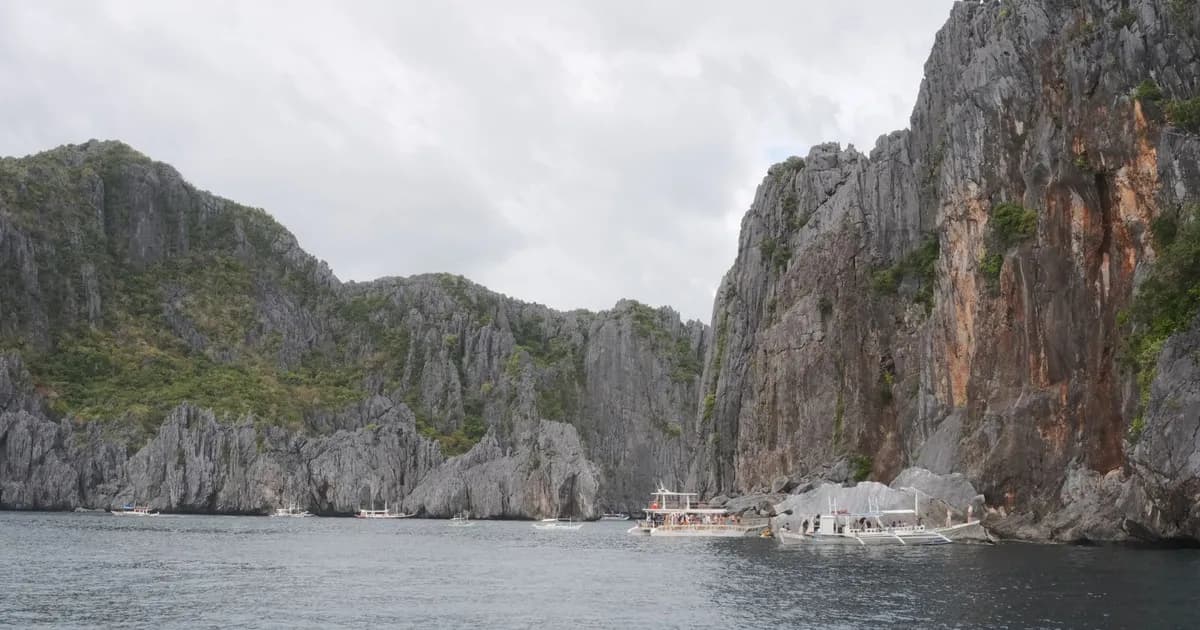
Catanduanes is the island that takes the first hit. It sits off the eastern edge of Bicol, alone in front of the open Pacific, and most Filipinos know it from storm bulletins rather than travel features — the province named in the six o'clock advisory, the place where a typhoon makes landfall before it reaches anyone else. That reputation has kept the island quiet in a way no marketing budget could. There is no resort strip, no queue of day-trip boats, nobody selling island-hopping tours on the sand. There is a coastline of green headlands falling into rough blue water, one surf break that professionals talk about with genuine respect, and a little over a quarter of a million people far more used to rebuilding than to visitors.
Where Catanduanes Actually Is
Catanduanes is a single main island separated from the Bicol mainland by the Maqueda Channel. Virac, the capital, sits on the south coast and holds the airport, the port, the hospital, the banks and most of the beds. The east coast — Baras, Gigmoto, Viga — faces the Pacific and holds the drama: cliffs, reef, swell, and villages strung along a road that took decades to finish. The north and west, around Pandan and Caramoran, are the least visited parts of a province that is already barely visited at all.
Distances look small and behave large. Virac to Puraran on the east coast is roughly 40 kilometres and takes something like an hour and a half by van or motorbike, more if the road has been chewed up by a recent storm. Virac to Pandan in the north is a half-day commitment. This is the first thing to understand about the island: you cannot treat it as a two-night stop. Catanduanes repays a week and punishes a weekend.
Travellers who liked the walking pace of Batanes will recognise the arithmetic here, though Catanduanes is greener, warmer, cheaper and considerably less photographed.
One request. Up to five tailored proposals.
Skip contacting agencies one by one — share your trip once and let up to five trusted Philippines agencies come to you. Free, with no obligation.
Get my free quotesGetting There Without Losing a Day
Two routes, and they suit different temperaments.
By air: Virac Airport takes a single daily turboprop from Manila, flown by Cebu Pacific. The terminal was rebuilt some years ago to hold around 300 passengers in the pre-departure area rather than 100, which tells you the scale involved — one flight in, one flight out, and a check-in hall that empties completely by mid-morning. Book well ahead, because a single daily rotation means that when it fills or cancels there is no next flight until tomorrow.
By sea: fly or bus to Legazpi or Tabaco in Albay, then cross. From Tabaco port, Regina Shipping runs to San Andres several times a day and Cardinal Shipping runs directly to Virac a couple of times daily. Crossings take roughly three to four hours to San Andres and four to five to Virac, depending on the sea. The Maqueda Channel is not a flat lagoon; during the northeast monsoon it can be genuinely uncomfortable, and sailings are suspended when the coastguard says so.
The slow-travel choice is the ferry, and not only for romance. Arriving by sea gives you the island's geography in your body: the mainland volcano behind you, the channel, the green wall of Catanduanes ahead. It also builds in the buffer day you will want anyway. Our guide to island-hopping the Philippines slowly covers the buffer-day habit in more detail; on Catanduanes it is not optional.

Puraran and the Question of Waves
Puraran, in the municipality of Baras on the east coast, is the reason a certain kind of traveller knows Catanduanes at all. The reef there produces a fast, hollow right-hander that surfers call Majestic — a name that is descriptive rather than promotional. It works best from roughly July to October, when Pacific groundswell arrives with size and shape, and that window belongs to experienced surfers only: shallow reef, strong current, no lifeguard service, and limited medical facilities within two hours.
From about February to June the same break softens into something a competent beginner or improver can use, and this is the season most slow travellers should aim for. Lessons are available through the local surf association at modest hourly rates, and the instructors are islanders rather than seasonal imports.
Accommodation at Puraran is a handful of small beachfront places with nipa-hut rooms: simple fan huts at the low end, a few more comfortable rooms above that. Meals are cooked to order and cost very little. There is a small beach entrance fee. What there is not: nightlife, ATMs, reliable delivery, or any expectation that you will be entertained. People come for two weeks and read a great deal.
Get matched with up to 5 trusted Philippines agencies
- Free
- No obligation
- Up to 5 agencies
Binurong Point and the Cliff Walks
If you take only one walk on Catanduanes, take Binurong Point. It is a short trek from Barangay Guinsaanan in Baras — half an hour to forty minutes across grazing land — ending on a series of grassy headlands that drop straight into the Pacific. In the right light it looks less like Southeast Asia than like the west of Ireland with palm trees. There are small entrance and environmental fees plus a guide fee of a few hundred pesos per group. Hiring the guide is both required in practice and the right thing to do, since that fee is the main way the barangay earns anything from visitors.
Go at sunrise. This is not an aesthetic preference: by nine in the morning the headland is fully exposed and hot, with no shade anywhere along the route.
Balacay Point, nearer Puraran, gives a shorter climb and a view down onto the surf break. Further north, the road towards Gigmoto and Viga strings together river mouths, coves and the kind of small waterfall stops — Maribina and Nahulugan among them — that are pleasant rather than spectacular and mostly valuable as an excuse to stop the motorbike and talk to someone.
A Week on the Island, Realistically
Here is a shape that works without hurry:
- Two nights in Virac to land, change money, buy anything you forgot, and see Bato's coral-stone church and the coast road east.
- Three or four nights at Puraran or nearby in Baras, with Binurong Point at dawn on one of them.
- Two nights north towards Gigmoto or Viga if road and weather cooperate, or a second stretch on the east coast if they do not.
- One night back in Virac before the flight or ferry, because missing the single daily plane is a real cost.
Rent a motorbike in Virac if you are confident and properly licensed; otherwise hire a van with a driver for the long transfers and use tricycles locally. Tricycle hops within a town cost very little. Van and habal-habal rates are negotiated rather than metered, so ask your guesthouse what the going rate is before you agree to anything.
Abaca, Fish and How the Island Earns
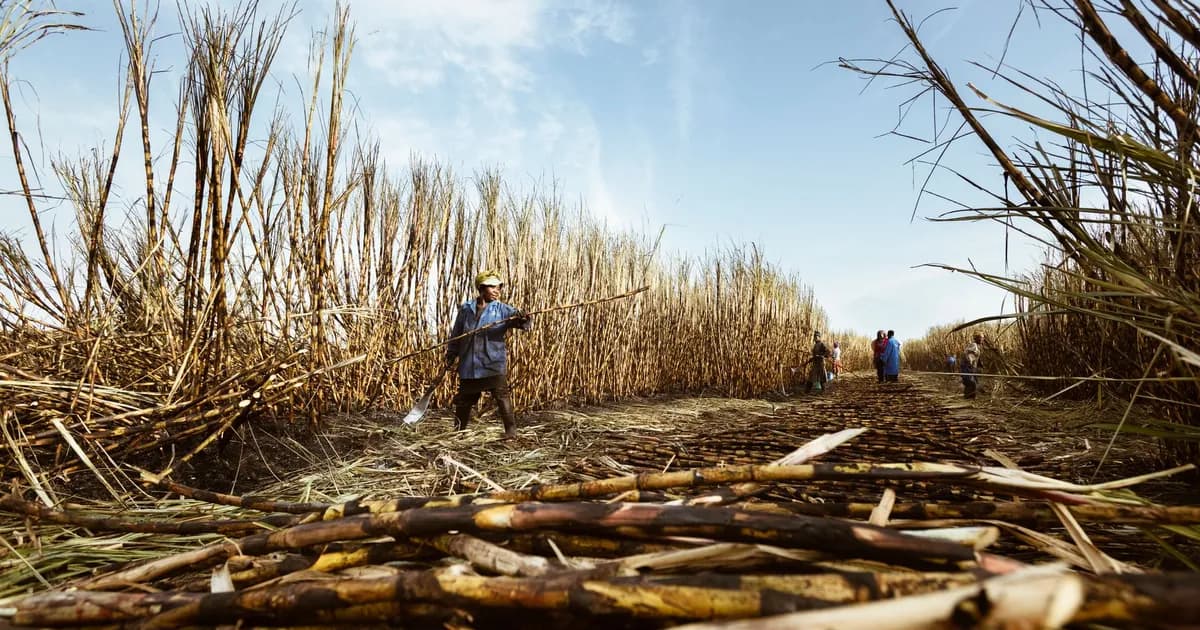
Catanduanes is the abaca capital of the Philippines and one of the world's leading sources of the fibre, which is stripped from a banana relative and turned into rope, specialty paper, teabags and banknote stock. Drive any inland road and you will pass stands of abaca and, in the villages, fibre laid out to dry along the roadside in pale sheaves.
This matters to the traveller for two reasons. First, it explains the landscape: Catanduanes is not a tourism economy with farming at the edges but a farming and fishing economy with a thin layer of tourism on top. Second, it shapes what your money does. A guide fee, a homestay night, a plate of laing eaten at a village turo-turo — these land directly in a local economy with few other cash sources. The province's small scale is exactly why modest, well-directed spending counts, which is the whole point of our charter for slow travel.
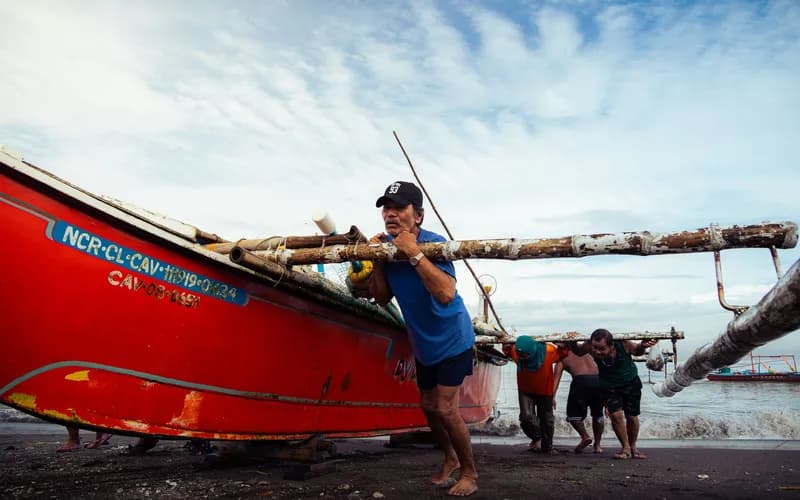
Fishing communities along the east coast sell what came in that morning, so ask rather than order. The Bicol register applies throughout — coconut milk, chilli, taro leaves — and it is done well and casually here.
Typhoons, Timing and Honest Caveats
There is no honest article about Catanduanes that skips this. The island sits in the main Pacific typhoon corridor and takes direct hits. Airport closures and suspended sailings are a normal part of the calendar from roughly July to November, and recent seasons have brought super-typhoon landfalls with heavy damage to homes, crops and power lines. Recovery here is fast in spirit and slow in infrastructure.
Practically, that means travelling between February and early June if you want the calmest sea and the most reliable transport; accepting that July to October brings both the best surf and the highest disruption risk; and treating November as a gamble. Buy insurance that covers trip interruption, not only medical care. Keep two days of slack before any onward international flight. Carry cash, since ATMs exist in Virac and are scarce elsewhere and card acceptance outside the capital is close to nil. Our guide to travelling the Philippines around typhoon season goes through the forecasting and rebooking mechanics.
Other caveats worth stating plainly: medical facilities are basic outside Virac; mobile signal is patchy on the east coast and in the north; the cliff walks have no railings; and the Pacific side has rip currents that have killed swimmers. None of this should stop a careful traveller. All of it should stop a careless one.
What It Costs
Catanduanes is one of the cheaper provinces in the country, largely because there is nothing much to overspend on.
- Simple fan rooms and nipa huts at the low end, small resort rooms in Virac and Puraran in the middle band, and no genuine luxury tier at all.
- Meals at village eateries for the price of a coffee elsewhere, and a good grilled-fish dinner with rice for a few hundred pesos.
- Motorbike rental by the day plus fuel, which is a little dearer than on the mainland because everything arrives by ferry.
- Guide and entrance fees in the tens to low hundreds of pesos per site.
A frugal traveller can hold a daily budget comfortably below what the same week would cost in Palawan or Siargao, even accounting for the flight in. For the wider picture of what Philippine travel costs this year, our budget guide for the Philippines breaks it down by travel style.
What to Do Next
- Pick your window first: February to early June for calm seas and learner-friendly surf, July to October if you are an experienced surfer willing to absorb weather risk.
- Book the Manila to Virac flight as soon as your dates are firm, or plan the Tabaco ferry crossing and add a night in Legazpi or Tabaco on either side.
- Reserve two or three nights on the east coast directly with a Puraran guesthouse by message or phone; most are not on the major booking platforms.
- Draw enough cash in Virac or on the mainland for your whole stay, and keep a reserve for guide and entrance fees.
- Buy travel insurance that explicitly covers trip interruption and delay, and keep at least two buffer days before any international connection.
- Arrange a guide for Binurong Point through your accommodation rather than hoping to find one at the trailhead at dawn.
- If you want the island woven into a longer, slower route through Bicol and the Visayas, start with our plan your journey page.
Frequently Asked Questions
Is Catanduanes worth visiting if I do not surf?
Yes, though be honest about what you want. The island's pleasures are walking, coastline, small-town rhythm and food, not activities. Binurong Point alone justifies the trip for a walker. If you need a programme of things to do, you will be bored by day three.
How many days do I need?
Five nights is a workable minimum and seven to ten is better. Transfers eat half-days and weather eats whole ones, so anything shorter turns into a transit exercise rather than a stay.
When is the surf at Puraran best?
Roughly July to October, when Pacific groundswell gives the reef its size and shape. That season is genuinely for experienced surfers. February to June is the learning and improving window, with smaller and more forgiving waves.
Can I get around without renting a motorbike?
Yes. Vans and jeepneys link Virac with the east coast and the north on set routes, tricycles handle short hops, and habal-habal motorbike taxis fill the gaps. It is slower and requires asking locally about departure times, which is not a hardship.
Is it safe to travel during typhoon season?
It can be, with discipline. Watch PAGASA bulletins rather than generic weather apps, keep bookings flexible, build buffer days, and be prepared to sit still for two days. What is not safe is a tight itinerary with a non-refundable international flight at the end of it.
Are there ATMs and card payments on the island?
There are ATMs in Virac and very few elsewhere. Assume cash for everything outside the capital, including accommodation. Our guide to handling money in the Philippines covers the practicalities of drawing and carrying it.
Where does Catanduanes fit for a first-time visitor to the Philippines?
It is a second-trip island, or a first-trip island for someone who already travels slowly and comfortably in Southeast Asia. If this is your first visit and you want easy logistics, start somewhere better connected and save Catanduanes for when the country has your confidence.