

There are two ways a Philippine fiesta can shape your trip. In the first, you arrive in a small town on the eve of its patron saint's feast, get pulled into somebody's dining room, eat lechon at eleven in the morning and remember it for years. In the second, you turn up at a pier on Maundy Thursday, find every sailing sold out, every room doubled in price and every bank closed, and lose three days you had planned to spend elsewhere. The difference between the two is not luck. It is knowing how the country's calendar actually works, and building your trip around it rather than into it.
The fiesta calendar is the real Philippine calendar
The Philippines runs on a religious and civic calendar far more visibly than most travellers expect. Every town and almost every barangay has a patron saint and an annual fiesta in that saint's honour, and around that core the provinces have layered secular festivals, harvest celebrations and dance competitions that now draw domestic tourists in their hundreds of thousands. Add the national holidays, the two great family migrations of Holy Week and Undas, and the long Christmas season, and there are relatively few weeks in the year when nothing anywhere is happening.
For a slow traveller this is mostly an asset. Fiestas are the moments when a town shows you what it actually values, and because Filipino hospitality treats a guest as an obligation rather than an inconvenience, an outsider who behaves well is welcomed rather than tolerated. The risk is purely logistical, and it is concentrated in a handful of predictable weeks.
One request. Up to five tailored proposals.
Skip contacting agencies one by one — share your trip once and let up to five trusted Philippines agencies come to you. Free, with no obligation.
Get my free quotesThree tiers, three different problems
It helps to sort events into three tiers, because each affects your trip differently.
- The barangay or town fiesta. One or two days, local in scale, invisible on national booking systems. It will not disrupt your transport. It may fill the only three guesthouses in a small town, and it will almost certainly get you invited to lunch.
- The provincial or city festival. Sinulog in Cebu, Ati-Atihan in Kalibo, Dinagyang in Iloilo, Panagbenga in Baguio, Kadayawan in Davao, MassKara in Bacolod. These fill flights and hotels in one city for a week and leave the rest of the country untouched.
- The national holiday. Holy Week, Undas at the start of November, and Christmas to New Year. These move the entire country at once and are the only ones that can genuinely wreck an itinerary.
Knowing which tier you are dealing with tells you whether to book six months ahead or simply ask your host what is happening this weekend.
Holy Week: the week the country moves
Holy Week is the single most important date in the Philippine travel year. In 2027 it falls unusually early, with Palm Sunday on 21 March, Maundy Thursday on 25 March, Good Friday on 26 March and Easter Sunday on 28 March. Because Easter is movable, the dates shift substantially year to year, so check them before fixing any March or April itinerary.
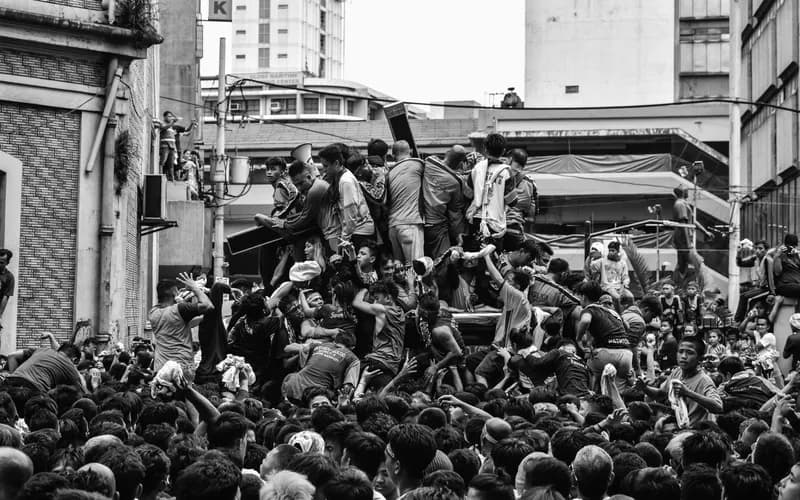
What happens in practice is a national exodus. Cities empty as families return to the provinces; beach destinations in Palawan, Cebu, Bohol and Siargao fill completely, with room rates commonly doubling. The Philippine Ports Authority expected around 2.46 million sea passengers over the Holy Week window in 2026, and domestic fares in past years have risen by anywhere from twenty to fifty percent. Maundy Thursday, Good Friday and Black Saturday are holidays: banks, government offices and the immigration bureau close, many shops and malls shut on Good Friday, and alcohol is often not sold that day. In Metro Manila the LRT and MRT lines have typically closed from Maundy Thursday to Easter Sunday for annual maintenance. If you need a visa extension or a bank branch, do it before the Wednesday.
Get matched with up to 5 trusted Philippines agencies
- Free
- No obligation
- Up to 5 agencies
The January cluster and the rest of the year
The other reliably intense stretch is the third and fourth weekends of January, when Cebu City's Sinulog and Kalibo's Ati-Atihan fall on the same Sunday, followed a week later by Dinagyang in Iloilo. In 2027 that means 17 January for the first pair and 24 January for the second. Cebu in Sinulog week is not a place to arrive unbooked: hotels sell out months ahead, roads close, and the crowd is measured in the millions.
After that the calendar spreads out. Baguio's Panagbenga occupies most of February, with the flower floats at the end. Marinduque's Moriones plays out over Holy Week itself, its masked centurions walking the towns. Lucban in Quezon decorates its houses with rice-wafer kiping for Pahiyas on 15 May. Davao's Kadayawan takes the third week of August, and Bacolod's MassKara runs through October with the main events on the third Sunday. Many of these happen in exactly the sort of old provincial towns we wrote about in our piece on the Philippines' heritage-town revival, which is part of why they are worth planning for.
Undas and Christmas: the two domestic surges
The first two days of November, Undas, are when Filipino families travel to clean and visit family graves. Buses, ferries and provincial flights are booked out days ahead, cemeteries become crowded overnight gatherings, and the roads out of Manila and Cebu are heavy. It is a fascinating time to be in the country and a bad time to need a seat on anything.
Christmas is less a day than a season. Dawn masses run from 16 to 24 December, offices wind down through the middle of the month, and the period from Christmas Eve to New Year's Day is the most expensive and most heavily booked of the whole year, particularly on domestic flights. If your travel dates are fixed within that window, book flights and the first two nights of accommodation as early as you reasonably can, and expect prices to sit well above the figures in our Philippines trip cost and budget guide.
How to book around the peaks
The rules are simple and they work. Fix the dates of the big three, Holy Week, Undas and Christmas to New Year, before anything else, and decide whether you are joining them or avoiding them. If you are avoiding them, aim to be somewhere you are happy to stay put: a single base, booked well in advance, with no ferry legs. If you are joining them, book flights and rooms three to six months out and accept the price.
For the city festivals, the trick is to be either in the city with a reservation made months earlier, or a comfortable distance away. Cebu during Sinulog affects flights and ferries across the central Visayas, so a January itinerary through Bohol or Negros needs to account for it. And in any peak week, buffer days matter more than usual, for the same reasons set out in our guide to travelling the Philippines around typhoon season: the system has no slack, so one cancellation propagates.
Getting around when everyone else is moving
Peak-week transport rewards the patient and punishes the optimistic. Arrive at airports far earlier than you would normally think necessary, since the queue at security, not the flight itself, is the usual cause of a missed departure. Buy ferry tickets in person a day or two ahead where you can, and take the earliest departure of the day, because delays accumulate downstream.
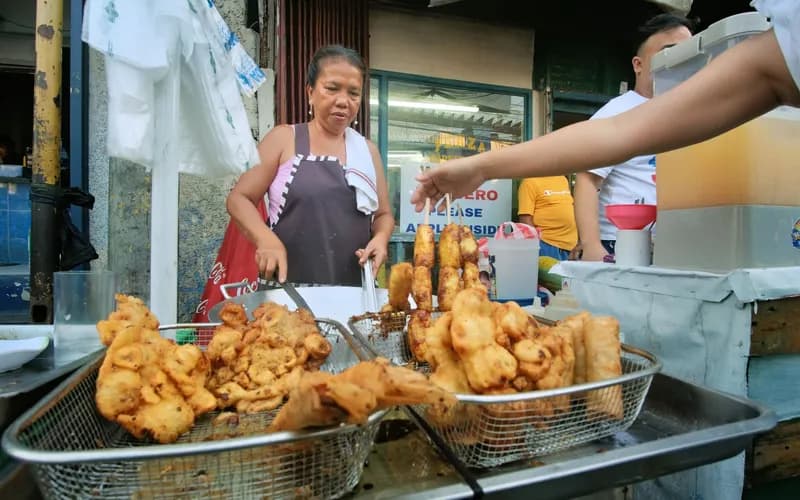
Overland, the fallback is the informal network that keeps running when the formal one is full: jeepneys, vans, tricycles and habal-habal motorcycle taxis, which is one more reason to be comfortable with the system described in our guide to getting around the Philippines by jeepney, tricycle and boat. Carry cash: on fiesta weekends rural ATMs run empty and card terminals are unreliable.
How to behave when you land in a fiesta
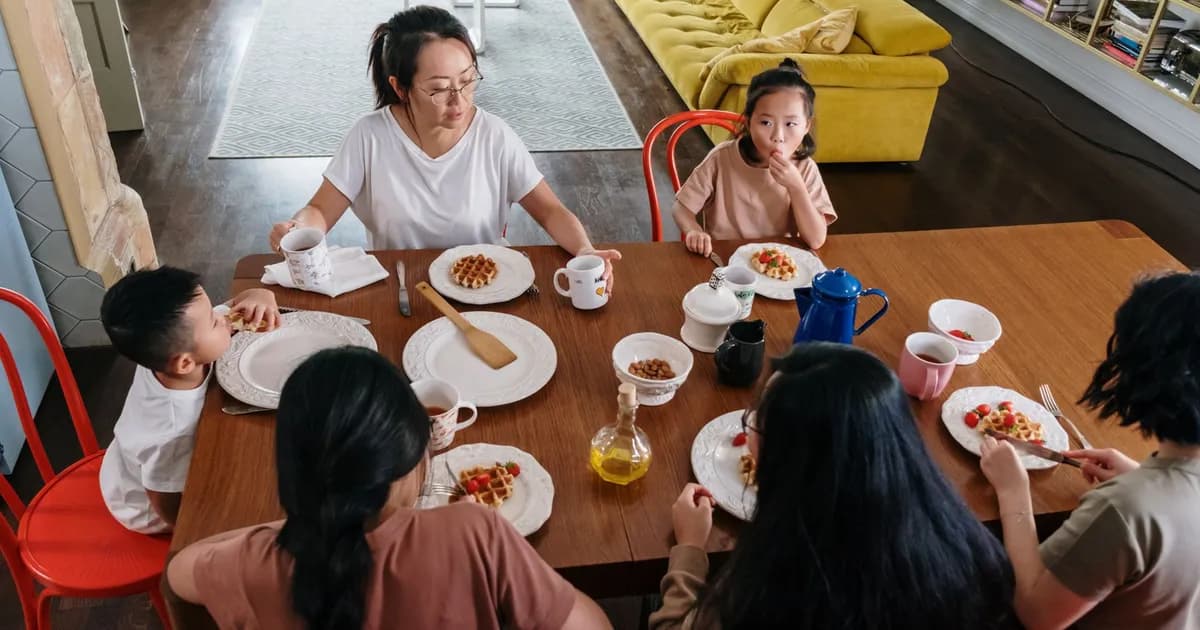
If you find yourself in a town on its fiesta day, the etiquette is straightforward. You will probably be invited to eat, sometimes by someone you have just met. Accept, eat a decent amount, and bring something to contribute if you can, a tray of bread from the bakery or a case of soft drinks. Ask before photographing people, and particularly before photographing anything inside a church or a procession.
During Holy Week, tone matters. Maundy Thursday and Good Friday are solemn, not festive, in most of the country. Dress modestly around churches and processions, keep music and drinking out of sight in small towns, and treat the Good Friday rituals of some provinces as an event to observe quietly rather than a spectacle to consume. Easter Sunday, by contrast, is celebratory, and by Sunday afternoon the beaches are full again.
When to aim for a fiesta on purpose
For a traveller who values depth, deliberately building a trip around one modest fiesta is one of the best decisions available. Not Sinulog, with its millions, but a town fiesta in Bohol or Camiguin or the Cordillera, where the whole population is in the street and nobody is selling anything to you. Ask your guesthouse two or three weeks out; they will know the local calendar and can tell you whether the patron saint's day falls in your window. Then stay two nights either side, so that you see the preparation and the recovery, which is where most of the real life happens. For fitting all this into a wider route, start with our plan your journey page for the Philippines.
What to Do Next
- Look up the exact dates of Holy Week and the January festival weekends for your travel year before you book anything, since both move.
- Decide explicitly whether you are joining a peak week or avoiding it. Do not leave it to chance.
- If travelling in a peak week, book flights, ferries and the first nights of accommodation three to six months ahead.
- Complete any banking, visa extension or official business before Maundy Thursday, and carry enough cash for four days.
- Build one buffer day into any itinerary that crosses a holiday period, and avoid ferry legs on the days either side.
- Two weeks before you travel, ask each guesthouse what is happening locally. Small fiestas never appear online.
Frequently Asked Questions
When is Holy Week in the Philippines?
It moves with Easter. In 2027, Palm Sunday falls on 21 March, Maundy Thursday on 25 March, Good Friday on 26 March and Easter Sunday on 28 March. Always confirm the current year's dates before booking anything in March or April, as the difference between years can be several weeks.
Should I avoid travelling during Holy Week?
Not necessarily, but travel differently. Avoid moving between islands on the Wednesday, Thursday and Sunday, book far ahead, and expect higher prices. If you can be in one place for the whole week, ideally a smaller town rather than a beach resort, it is one of the most interesting weeks of the Philippine year.
Do shops and banks close during Holy Week?
Banks, government offices and immigration close on Maundy Thursday, Good Friday and usually Black Saturday. Many malls and shops close on Good Friday, and alcohol is often unavailable that day. Convenience stores in cities generally stay open. Complete any official business by the Wednesday.
Which Philippine festival is worth planning a trip around?
For sheer scale, Sinulog in Cebu on the third Sunday of January, or Ati-Atihan in Kalibo the same weekend. For atmosphere with less pressure, Dinagyang in Iloilo a week later, Pahiyas in Lucban on 15 May, or Kadayawan in Davao in the third week of August. For depth, a small town fiesta you hear about locally will beat all of them.
How far in advance should I book for peak periods?
Three to six months for Holy Week, Christmas to New Year, Undas and the January festival weekends, particularly for domestic flights and rooms in Cebu, Palawan, Bohol and Siargao. Outside those windows, a few weeks is usually enough, and in low season you can often book a day ahead.
Is it rude to attend a fiesta as a foreign visitor?
No. Guests are considered an honour, and you will very likely be fed. Bring something to contribute, ask before taking photographs, dress modestly in and around churches, and follow the mood of the day, which is solemn during Holy Week and joyful almost everywhere else.