How to Get Around the Philippines: Jeepneys, Tricycles and Boats
In the Philippines, getting around is not a chore to be endured but one of the most colourful and characterful parts of the trip. This is a country with a gloriously varied array of local transport, from the flamboyant jeepney to the humble tricycle, the daredevil mountain motorbike to the outrigger boat that carries you between islands. Learning to use them is learning to move through the country the way Filipinos do, cheaply, sociably and often with a good deal of fun. This is a practical guide to the ground transport of the Philippines, and how to ride it like a local.
Ride-hailing apps and comfortable buses exist, and have their place, but they are only part of the picture. The real texture of Philippine travel lies in the local vehicles, and a traveller who embraces them sees a side of the country that a taxi cocoon never will.
The jeepney: king of the road
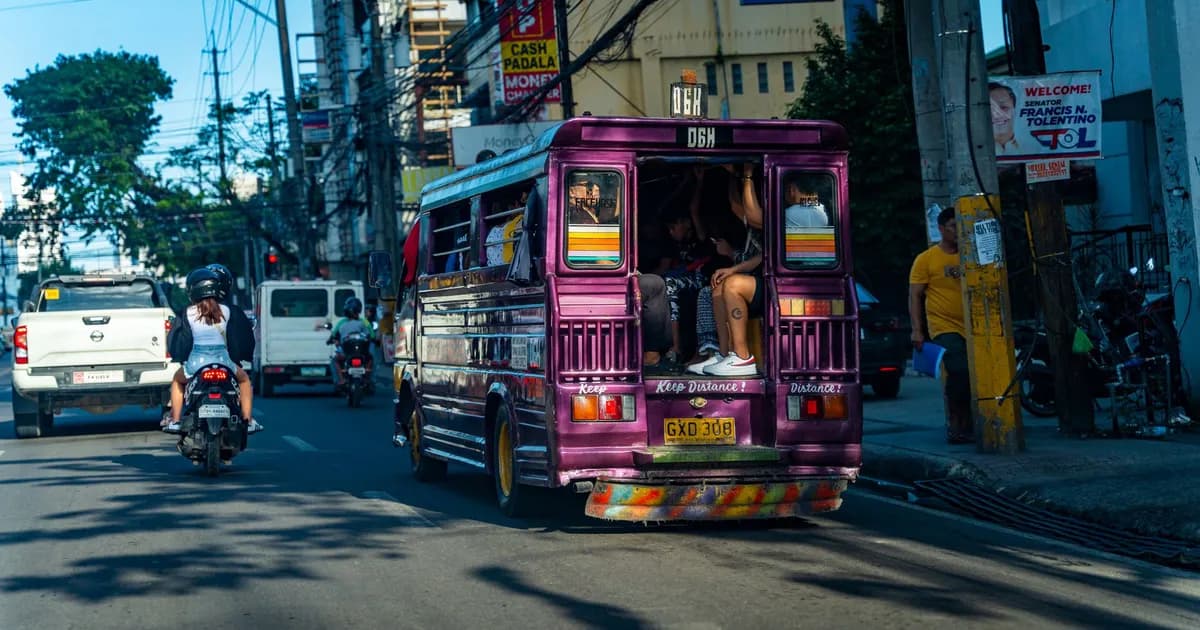
No vehicle is more Filipino than the jeepney. Descended from surplus American jeeps left after the Second World War and reborn as a stretched, roofed, gaudily decorated passenger vehicle, the jeepney is a national icon, plastered with paintwork, slogans and chrome, and packed with passengers on benches down each side. It runs fixed routes for a very low, fixed fare, and it is the backbone of everyday transport in towns and cities across the archipelago.
Riding one is a rite of passage. You hop on at the back, squeeze onto a bench, and pass your fare hand to hand up to the driver, calling out or knocking on the roof when you want to get off. It can be hot, cramped and bewildering at first, but it is cheap, frequent and deeply local, and mastering it is one of the small triumphs of travel here. Note that the classic jeepneys are gradually being modernised under a government programme, but their spirit, and many of the old vehicles, endures.
One request. Up to five tailored proposals.
Skip contacting agencies one by one — share your trip once and let up to five trusted Philippines agencies come to you. Free, with no obligation.
Get my free quotesThe tricycle: every town's workhorse
Where the jeepney rules the main routes, the tricycle rules everything else. A motorcycle with a sidecar bolted on, the tricycle is the taxi of the Philippines, found in every town and village, ready to take you the short distances that jeepneys do not cover, to your guesthouse, the market, the pier or the beach. On smaller islands, like Camiguin, the tricycle is often the main way visitors get around.
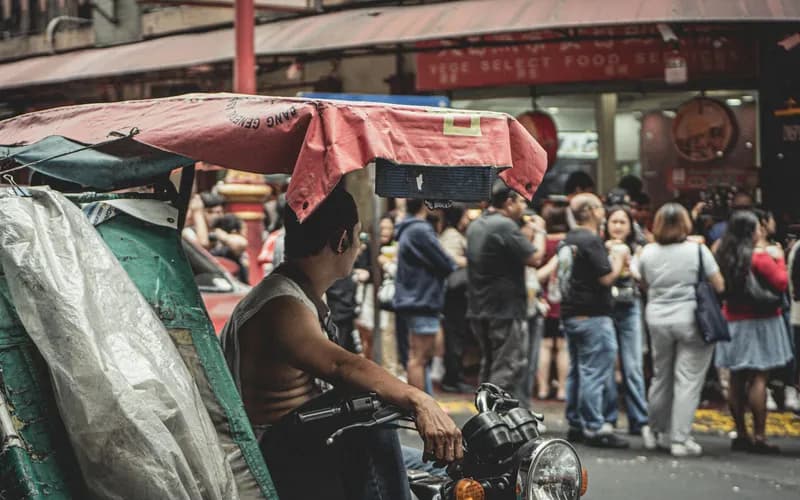
Tricycles may run fixed short-hop fares for locals or negotiate a price for tourists and longer trips, so it helps to know the going rate and agree the fare before you set off. A tricycle can be hired for a few hours or a day to tour an area, and the driver will happily double as an informal guide. It is one of the most useful and characterful ways to get around, and no Philippine trip is complete without a good few tricycle rides.
Habal-habal: the mountain motorbike taxi
In the mountains and the rural backcountry, where roads are rough and other transport thins out, the habal-habal takes over. This is the motorcycle taxi in its most improvised form, a single motorbike that carries one, two or improbably more passengers along tracks that nothing larger could manage. In the highlands and on rough island roads, it is often the only way to reach remote villages, trailheads and viewpoints.
The habal-habal is practical and sometimes essential, but it is also the mode where caution matters most. Wear the helmet if one is offered, ask the driver to slow down if you are uncomfortable, and use reputable local drivers where you can. On the right road, with a sensible rider, it is an exhilarating and authentic way to travel; treat it with a little care and it opens up corners of the country nothing else can reach.
Get matched with up to 5 trusted Philippines agencies
- Free
- No obligation
- Up to 5 agencies
The bangka: getting to the islands
In a nation of thousands of islands, boats are not optional, and the classic vessel is the bangka, a wooden outrigger boat with bamboo stabilisers reaching out on either side. Bangkas handle everything from short hops between neighbouring islands to the island-hopping day trips that are a staple of a Philippines holiday, nosing into hidden coves and beaches that no road reaches.
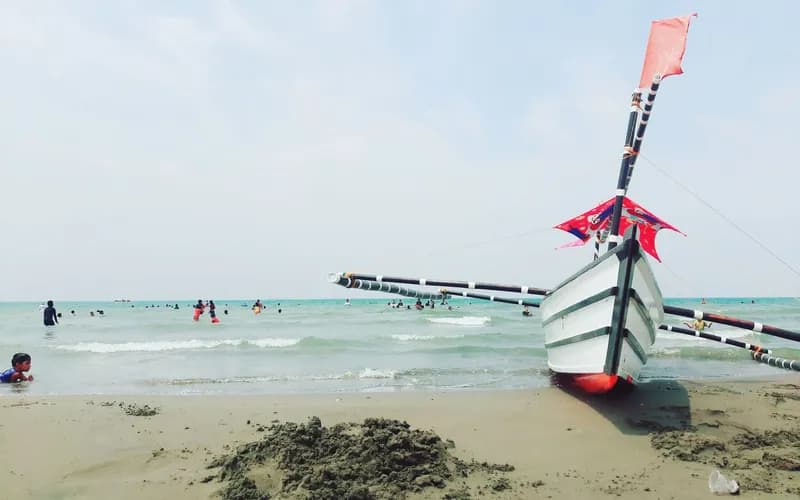
For getting between islands, bangkas and larger ferries are the essential links, and choosing them well, and travelling by sea at a relaxed pace, is central to a good trip; our guide to island-hopping the Philippines slowly covers how to do it without the rush. A word on safety: check that any boat has life jackets and is not dangerously overloaded, and avoid sea crossings in rough weather, especially in typhoon season, which our guide to the seasons in the Philippines can help you plan around.
Vans, buses and ride-hailing
Filling the gaps between these local modes are the workhorses of longer-distance travel. Shared vans, often called UV Express or similar, run set routes between towns, faster than buses but more cramped; provincial buses, ranging from basic to air-conditioned, cover the long hauls on the larger islands. In the big cities, ride-hailing apps operate and are a convenient, fixed-price way to get around Manila and Cebu without haggling.
These are the practical backbone for covering real distances, and most trips will use a mix of them alongside the local vehicles. The art is in matching the mode to the journey: a bus or van for the long stretch between towns, then a tricycle or habal-habal for the last mile to where you are actually going. Knowing the whole toolkit lets you reach almost anywhere in the country.
How to ride like a local
A few habits make using Philippine transport smoother. Carry small change and low-denomination notes, as fares are small and drivers rarely have change for large bills. Learn the basics: pass your jeepney fare forward, say "para" or knock on the roof to stop, and agree tricycle fares in advance. Ask locals or your guesthouse the correct fare for a route so you neither overpay nor cause friction.
Above all, approach it all with patience and good humour. Local transport in the Philippines is sociable and informal, and a smile and a few words of Tagalog or the local language go a long way. Filipinos are famously warm and helpful, and fellow passengers will often guide a confused traveller to the right stop. Embrace the chaos rather than fighting it, and the jeepneys and tricycles become not an obstacle but one of the joys of the journey.
Slotting it into a slow trip
For the slow traveller, local transport is not merely a way to get around; it is a way to connect with the country. Every jeepney ride is a slice of daily life, every tricycle driver a potential source of tips and stories, every bangka a passage through some of the most beautiful seascapes on earth. Choosing the local option over the insulated one is choosing to travel among people rather than past them.
Practically, this means building a little extra time into your plans, since local transport runs on its own relaxed schedule, and treating the journeys as part of the experience rather than dead time between sights. It rewards the unhurried traveller, and it fits naturally with reaching the quieter corners in our guide to off-the-beaten-path Philippines. To plan a trip that uses these connections well, a specialist on our Philippines plan-your-journey page can help.
A note on comfort, safety and cost
It is worth being realistic about the trade-offs. Local transport in the Philippines is wonderfully cheap, a jeepney or tricycle ride costs a pittance, but it can also be hot, crowded and slow, and it is not built for large luggage. Travelling light makes everything easier, and a small daypack beats a large suitcase when you are climbing into a jeepney or squeezing onto a tricycle.
On safety, the sensible cautions are few but worth heeding: agree fares before you ride to avoid disputes, keep valuables secure in crowded vehicles, wear a helmet on a habal-habal, and check for life jackets on boats. Serious problems are rare, and Filipinos' warmth makes local travel feel safe and friendly, but a little common sense goes a long way. Balanced against the cost savings and the sheer character of the experience, the minor discomforts are a price most slow travellers gladly pay.
What to Do Next
- Embrace the jeepney for cheap local travel in towns and cities, passing your fare forward and knocking to stop.
- Use tricycles for short hops and day hire, agreeing the fare before you set off.
- Take a habal-habal to reach remote mountain and rural spots, with sensible caution and a helmet.
- Travel between islands by bangka and ferry, checking for life jackets and avoiding rough seas.
- Carry small change, learn the local fares, and build extra time in for the relaxed pace.
Frequently Asked Questions
What is a jeepney?
A jeepney is the Philippines' iconic shared passenger vehicle, originally built from surplus American jeeps and now a gaudily decorated, roofed vehicle with benches down each side. It runs fixed routes for a low fixed fare and is the backbone of everyday urban transport, with passengers passing fares forward to the driver.
What is the difference between a tricycle and a habal-habal?
A tricycle is a motorcycle with a sidecar, the standard short-distance taxi found in every town for trips jeepneys do not cover. A habal-habal is a motorcycle taxi carrying passengers on the bike itself, used mainly in the mountains and rough rural areas where other transport cannot go. Habal-habal calls for more caution.
How do I pay on Philippine local transport?
Fares are small and usually paid in cash, so carry plenty of small change and low notes. On a jeepney you pass your fare forward to the driver; on tricycles and habal-habal you agree or ask the fare and pay the driver directly. Drivers rarely have change for large bills.
Are bangka boats safe?
Bangkas, the traditional outrigger boats, are the normal way to reach islands and are generally fine, but check that the boat has life jackets and is not overloaded, and avoid sea crossings in rough weather or during typhoons. Choosing reputable operators and calm conditions keeps island travel safe.
Is there ride-hailing in the Philippines?
Yes, ride-hailing apps operate in the big cities such as Manila and Cebu, offering a convenient, fixed-price alternative to haggling for taxis. Outside the cities, though, you will rely on jeepneys, tricycles, habal-habal, vans and boats, which are cheaper and far more characterful.
How do I get around like a local in the Philippines?
Use the local vehicles, jeepneys, tricycles, habal-habal and bangkas, carry small change, learn the correct fares, and follow the local etiquette like passing jeepney fares forward. Approach it with patience and good humour, and fellow passengers and drivers will often help you find your way.