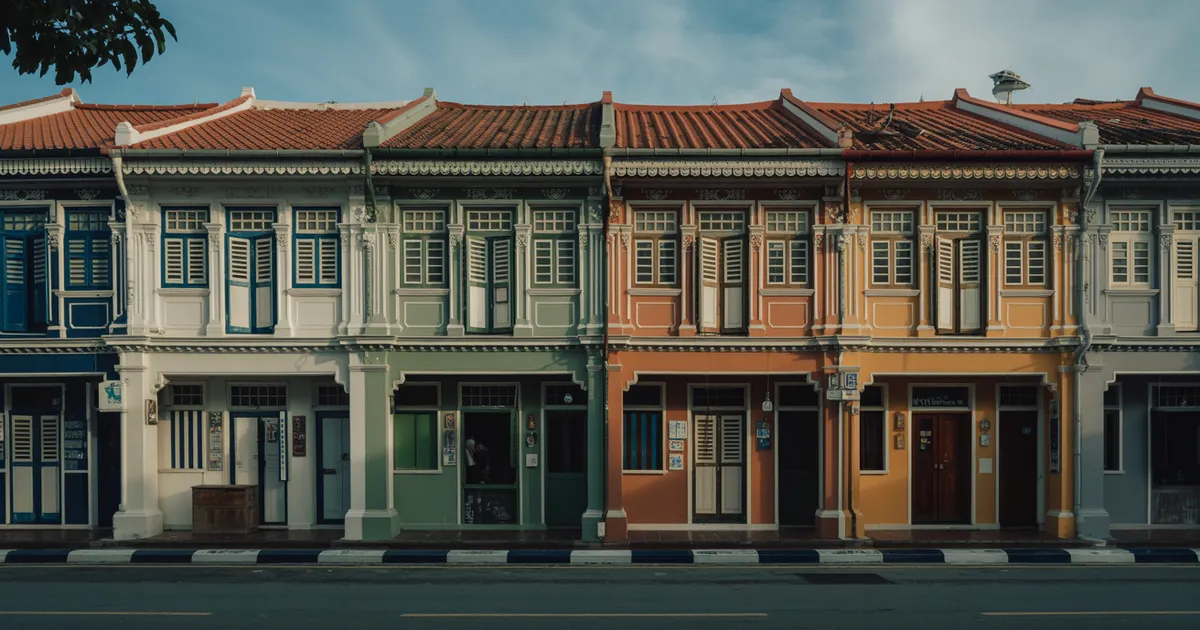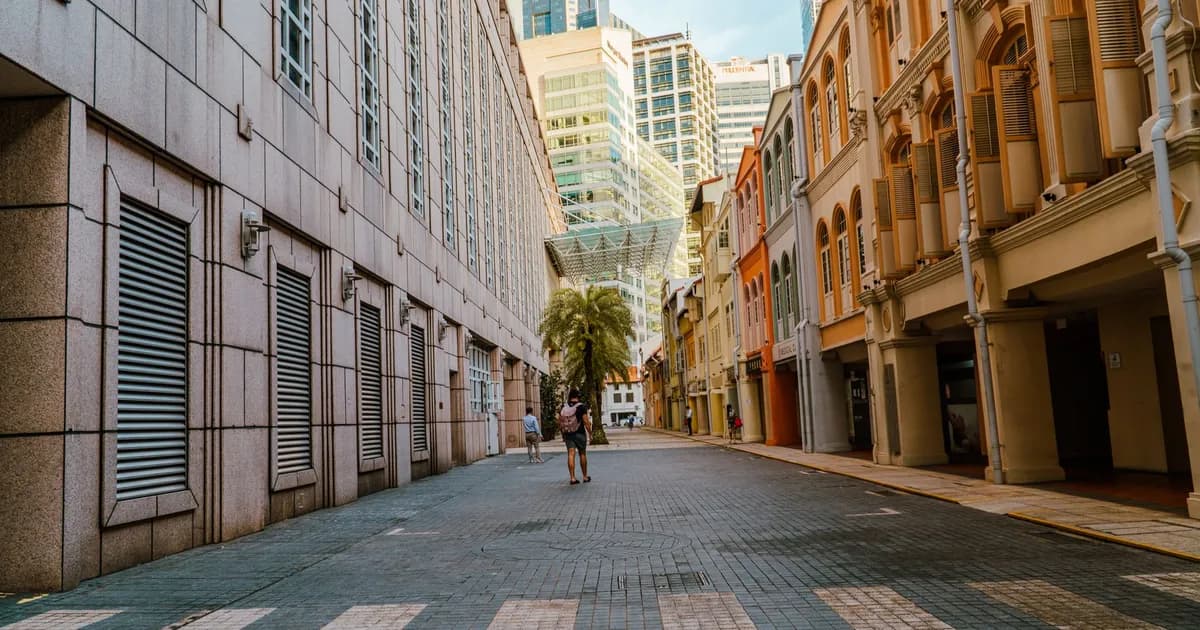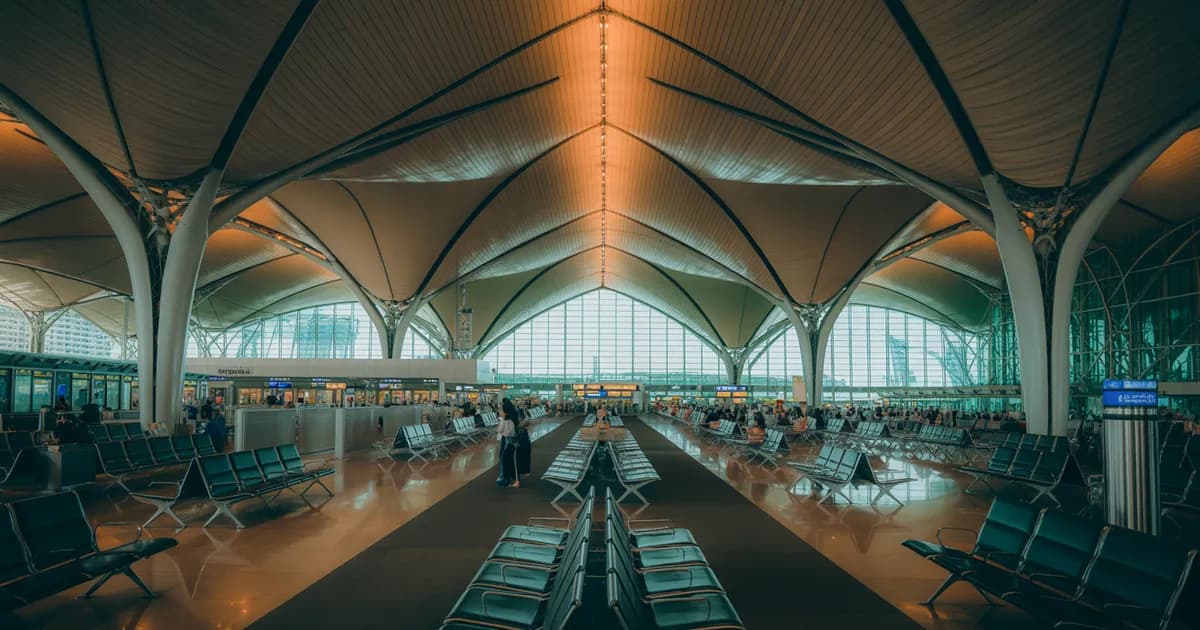


Singapore sits just over one hundred and thirty kilometres north of the Equator, and its weather reflects that position with remarkable consistency. There are no four seasons here, only a warm, humid rhythm that holds steady from January to December. Daytime temperatures hover between roughly 25 and 33 degrees Celsius on almost every day of the year, and relative humidity often climbs above 80 percent in the early mornings and after rain. For a slow traveller, this is neither an obstacle nor a footnote. It is simply the texture of the place, and once you understand it, you can move through the city with ease rather than fighting it.
This guide is about comfort and rhythm rather than survival. Singapore is one of the easiest tropical cities in the world to visit precisely because it has built so much shade, shelter, and cool air into everyday life. The aim here is to help you pace your days, dress sensibly, drink enough water, read the sky, and know where to step indoors when the afternoon turns fierce. Do that, and the heat becomes a companion rather than a challenge.
Understanding Singapore's Equatorial Climate
The first thing to accept is that Singapore does not really have a hot season and a cool season. It has a warm, wet climate all year, shaped by two monsoon winds and the calmer inter-monsoon periods between them. The Northeast Monsoon runs from roughly December to March, and its wettest, breeziest stretch often falls between late November and January, when grey skies and steady rain can settle in for a day or two at a time. The months from February to April tend to be the driest and, paradoxically, the hottest, because clearer skies mean stronger sun.
From June to September the Southwest Monsoon brings warm, occasionally gusty mornings, sometimes announced by pre-dawn thunderstorms known locally as Sumatra squalls. The inter-monsoon periods, around April to May and October to November, are the classic season of afternoon thunderstorms: bright, sticky mornings that build into a heavy downpour by mid-afternoon and clear again by early evening. None of this is dramatic once you expect it. The temperature barely shifts across the year; what changes is how the humidity and rain are distributed through the day.
Because the differences between months are small, the choice of when to visit matters less than how you plan each day. If you would like a fuller picture of seasonal timing alongside neighbourhoods and itineraries, our slow traveller's guide to where to go and when sets the calendar in context.
One request. Up to five tailored proposals.
Skip contacting agencies one by one — share your trip once and let up to five trusted Singapore agencies come to you. Free, with no obligation.
Get my free quotesPacing Your Day Around the Heat
The single most useful habit in Singapore is to shape your day around the sun rather than against it. Locals rarely try to power through the hottest hours outdoors, and neither should you. The heat builds through the late morning and peaks between about noon and four in the afternoon, when both temperature and humidity are at their most draining.
A comfortable rhythm looks something like this. Start early, ideally soon after breakfast, when the air is coolest and the light is soft. Use the middle of the day for indoor experiences, a long unhurried lunch, or simply a rest at your accommodation. Then return outdoors in the late afternoon and evening, when the city cools, colours deepen, and the streets come back to life. This is not laziness; it is how the tropics have always been lived. Building a genuine midday pause into your itinerary is one of the most restorative things a slow traveller can do here, and it fits naturally with the unhurried spirit of a chartered slow-travel journey.
Give yourself more time between sights than you would in a temperate city. Walking a kilometre in Singapore's humidity asks more of your body than the same distance in dry air, and rushing simply leaves you overheated and flat. Slower is genuinely cooler.
Dressing for Heat and Humidity
What you wear makes a real difference to how the day feels. The guiding principle is light, loose, and breathable. Natural fibres such as cotton and linen, or good technical fabrics designed to wick moisture, let air move against your skin and dry quickly after rain or perspiration. Tight synthetic clothing traps heat and holds damp, which is exactly what you want to avoid.
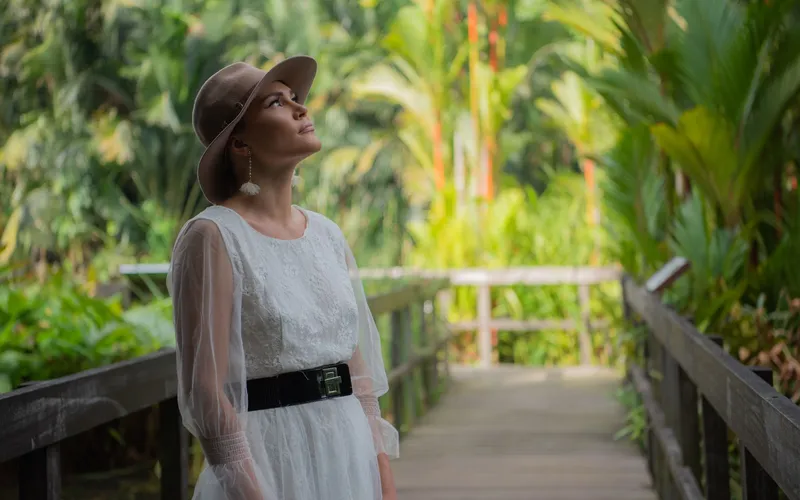
Loose long sleeves and lightweight trousers can actually keep you cooler and better protected from the sun than shorts and a singlet, particularly at midday. Choose light colours, which reflect rather than absorb heat. Comfortable, broken-in walking sandals or shoes matter, since you will cover long distances on foot and across cool tiled interiors. A light hat and good sunglasses complete the kit. It is also worth remembering that Singapore's indoor spaces are strongly air-conditioned, so a thin layer or a light scarf in your bag keeps you comfortable when you move from a humid street into a chilly museum or restaurant.
Get matched with up to 5 trusted Singapore agencies
- Free
- No obligation
- Up to 5 agencies
Hydration, Sun, and Staying Well
You will perspire more here than you expect, even when you are not exerting yourself, and it is easy to become mildly dehydrated without noticing. Drink water steadily through the day rather than waiting until you feel thirsty. Tap water in Singapore is clean and safe to drink, so you can refill a reusable bottle freely at your accommodation and at the many public water points, which also spares you a stream of single-use plastic.
The equatorial sun is stronger than many visitors realise. The ultraviolet index in Singapore frequently reaches the very high or extreme range around the middle of the day, even when cloud cover makes the light seem gentle. Apply a broad-spectrum sunscreen in the morning and top it up after you sweat or swim, and lean on shade, hats, and sunglasses rather than sunscreen alone. Cooling down matters too: a cold drink, a shaded bench, or twenty minutes in an air-conditioned space will reset your body far more effectively than pushing on. If you ever feel dizzy, headachy, or unusually tired, treat it as a signal to stop, cool off, and rehydrate before continuing.
Sudden Thunderstorms and What to Carry
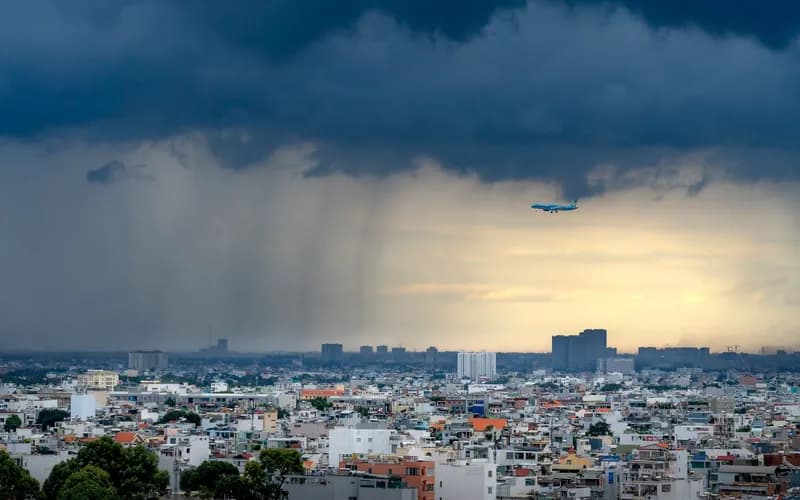
Rain in Singapore rarely creeps in slowly. On many days, especially during the inter-monsoon months, a bright morning gives way to towering clouds and then a sudden, drenching thunderstorm that can arrive within minutes. These downpours are often intense but usually short, clearing within an hour or two, and they bring a welcome drop in temperature in their wake.
The practical response is simple: always carry a compact umbrella or a light packable rain jacket, whatever the forecast promised at breakfast. A small dry bag or a zip pouch for your phone and camera is worth having, and quick-drying clothes mean a passing shower need not end your afternoon. When thunder is close, step indoors and wait it out rather than sheltering under a lone tree or in the open; lightning is genuinely common during these storms. Treating a downpour as an invitation to pause, rather than a disruption, is very much in keeping with a slower way of travelling. Many of the quieter corners in our off-the-beaten-path Singapore guide come with a nearby cafe or covered arcade perfect for exactly such a wait.
Monsoons, Dry Spells, and the Occasional Haze
Understanding the year's broad pattern helps you set expectations. The Northeast Monsoon, at its wettest from late November to January, brings the greyest and rainiest stretch, though even then the sun usually returns between showers. February to April is typically drier and hottest, wonderful for beaches and gardens if you respect the midday sun. The middle of the year stays warm and humid with scattered storms.
One seasonal factor worth knowing about is haze. In some years, roughly between August and October, smoke from regional land and forest fires drifts across the region on the prevailing winds and can settle over Singapore, reducing visibility and air quality. The National Environment Agency tracks this closely and publishes the Pollutant Standards Index, or PSI, updated hourly, along with clear health advisories. A PSI reading up to 100 is in the good-to-moderate range; above 100 is considered unhealthy, and above 200 very unhealthy. On hazy days, sensitive travellers should reduce strenuous outdoor activity, and N95 masks are widely sold if you need one. Most years the haze is mild or absent, but it is worth glancing at the daily reading during those months and simply leaning further into the city's abundant indoor options if the air turns poor. Factoring a little flexibility into your dates and budget for weather is sensible; our Singapore trip cost and budget guide can help you plan that breathing room.
Air-Conditioned Refuges: MRT, Malls, and Museums
One of Singapore's quiet superpowers is how much of the city is cool and covered. The Mass Rapid Transit network, or MRT, is clean, efficient, and thoroughly air-conditioned, which makes it a pleasure to use and a refuge in itself during the hottest hours. Sheltered walkways and underground links connect many stations directly to malls and attractions, so you can cross large stretches of the city without ever stepping into full sun.
The malls are not merely for shopping. They are cool, comfortable public spaces threaded with cafes, hawker-style food courts, bookshops, and seating where lingering is entirely normal. Museums and galleries offer the same relief with far more to feed the mind: the National Museum, the National Gallery, the Asian Civilisations Museum, and the ArtScience Museum are all cool, calm, and genuinely rewarding places to spend the fierce middle of the day. Indoor gardens such as the Cloud Forest conservatory pair cool air with something beautiful to see. Planning your route so that a museum, mall, or covered market falls naturally into the midday hours turns the heat from a problem into a prompt for the kind of unhurried indoor discovery that rewards slow travellers most.
Best Times of Day for the Outdoors
Singapore's great outdoor sights are at their finest at the edges of the day. Gardens by the Bay is a different, gentler place in the early morning, before the crowds and the peak heat, and again in the evening, when the Supertrees are lit and the nightly garden light show fills the air with music. The waterfront promenades along Marina Bay are lovely at dusk, when a breeze comes off the water and the skyline begins to glow.
For the green heart of the island, the nature reserves reward an early start above all. The trails of MacRitchie Reservoir, the boardwalks of Sungei Buloh Wetland Reserve, and the summit path of Bukit Timah are best walked soon after they open, while the air is cool, the light is soft, and the birds and monkeys are most active. By late morning the same trails feel heavy and airless. The Botanic Gardens, with its quiet paths and shaded lawns, is another early-morning gem. If you would like help shaping these rhythms into a full itinerary, our plan your journey page and the local specialists on our Singapore travel agencies list can build a pace that suits the weather and suits you.
What to Do Next
- Sketch each day with an early outdoor start, an indoor midday pause, and a late-afternoon return outside, rather than a single long march through the heat.
- Pack light, loose, breathable clothes in pale colours, plus a thin layer for strongly air-conditioned interiors.
- Carry a compact umbrella or packable rain jacket every day, along with a refillable water bottle and a small pouch to keep electronics dry.
- Apply broad-spectrum sunscreen each morning, wear a hat and sunglasses, and drink water steadily rather than waiting to feel thirsty.
- During the August-to-October window, glance at the daily PSI reading and keep a flexible plan so you can shift indoors if haze appears.
- Map the nearest MRT stations, malls, and museums near your route so a cool refuge is always within easy reach when the sun peaks.
- Save the big gardens and nature reserves for early morning or evening, and let the middle of the day belong to Singapore's cool, rewarding interiors.
Frequently Asked Questions
What is the best time of year to visit Singapore for good weather?
There is no bad time, because temperatures stay between roughly 25 and 33 degrees Celsius all year. February to April is usually the driest and sunniest stretch, while late November to January is the wettest. Any month works well if you plan your days around the heat and the afternoon rain.
How hot and humid does Singapore actually get?
Daytime highs sit around 31 to 33 degrees Celsius most days, with warm nights rarely dropping below the mid-twenties. The bigger factor is humidity, which often exceeds 80 percent and makes the air feel heavier and hotter than the thermometer suggests, especially in the mornings and after rain.
Do I need to worry about the haze?
In most years the haze is mild or does not appear at all. When it does, usually between August and October, check the National Environment Agency's hourly PSI reading. Below 100 is good to moderate; above 100 is unhealthy. On poor-air days, ease off strenuous outdoor activity and spend more time in the city's air-conditioned spaces.
What should I pack for Singapore's climate?
Light, loose, breathable clothing in pale colours, comfortable walking shoes or sandals, a hat, sunglasses, and broad-spectrum sunscreen. Add a compact umbrella or packable rain jacket, a refillable water bottle, and a thin layer or scarf for the strong air-conditioning indoors.
Will sudden rain ruin my plans?
Rarely, if you are prepared. Downpours are often heavy but usually short, clearing within an hour or two. Carry an umbrella, keep your electronics in a dry pouch, and treat a storm as a natural excuse to pause in a cafe, museum, or covered market until the sky clears.
Is the tap water safe to drink?
Yes. Singapore's tap water is clean and safe, so you can refill a reusable bottle freely at your accommodation and at public water points. Staying well hydrated is one of the simplest and most important ways to stay comfortable in the heat.
When is the best time of day to see outdoor sights?
Early morning and evening. Gardens by the Bay, the Marina Bay promenades, and the nature reserves are cooler, quieter, and more beautiful at the edges of the day. Reserve the hot midday hours for museums, malls, and other cool indoor places.