Shorter Stays, Softer Spending: What Singapore's 2026 Tourism Numbers Really Say
Singapore spent the middle of this decade celebrating a recovery, and the headline figures still look healthy. But underneath them, something quieter has been happening: people keep coming, and they keep leaving sooner. The average visitor now spends under three and a half nights in the country, tourism receipts are forecast to fall even as arrivals hold up, and the Singapore Tourism Board has started marketing neighbourhoods rather than landmarks. For anyone who travels slowly, that combination is unusually good news — and it is worth understanding properly rather than through a press release.
The Headline Numbers, and What They Hide
Singapore closed 2025 with roughly 16.9 million international visitors and tourism receipts of about S$32.8 billion, and the tourism board opened 2026 forecasting somewhere between 17 and 18 million arrivals. The first quarter delivered around 4.4 million visitors, up about 2.8 percent year on year, which looked like the forecast landing on schedule.
Then the momentum flattened. Across the first eight months of 2026, Singapore recorded roughly 11.43 million international visitors — around 1.7 percent below the same period in 2025. Overnight visitors fell further, down about 3.2 percent. And the average length of stay slipped again, to roughly 3.43 days, a decline of about 2.8 percent. Receipts for the full year are now guided towards S$31 to S$32.5 billion, below 2025's total.
Three separate things are happening at once here, and lumping them together produces nonsense. Arrivals are broadly flat. Nights sold are falling faster than arrivals. And spending per visitor is under pressure. Only the first of those is a story about demand for Singapore. The other two are stories about how people are choosing to use it.
One request. Up to five tailored proposals.
Skip contacting agencies one by one — share your trip once and let up to five trusted Singapore agencies come to you. Free, with no obligation.
Get my free quotesWhy the Average Stay Keeps Shrinking
A 3.43-day average is short for a country with four distinct cultural quarters, a world-class food culture and a genuine nature network. But Singapore's geography explains much of it. Changi is one of Asia's busiest connecting hubs, which means a large share of arrivals are structurally short — a night or two bolted onto a journey going somewhere else. Regional visitors from Malaysia, Indonesia and increasingly China often come for a weekend, a concert or a shopping run rather than a holiday.
Cost compounds the pattern. Singapore is expensive relative to its neighbours, so the instinctive traveller response is to compress rather than to skip: three nights here, ten in Vietnam or Indonesia. That calculation is rational, and we have written before about why some travellers are pushing back against it. What the 2026 data adds is evidence that the compression is deepening, not easing — the stopover is getting shorter even as the city works hard to be a destination in itself.
Spending Is Not the Same Story as Arrivals
The receipts forecast is the number the industry is watching, and it is easy to misread. Lower total receipts with stable arrivals does not mean travellers have run out of money. It means the mix has changed. Fewer nights mechanically means less accommodation, fewer dinners and fewer attraction tickets per person. And within that shorter stay, spending is rotating away from luxury retail — historically a pillar of Singapore's tourism receipts — towards experiences, food and neighbourhood exploration.
Retail has taken the visible hit. Duty-free style shopping and premium mall spending are far more sensitive to currency swings and to the rise of regional competition than a plate of char kway teow is. The result is a tourism economy that looks softer on paper while the parts slow travellers actually care about — hawker centres, museums, parks, independent cafés, neighbourhood walks — are holding up or growing.
Get matched with up to 5 trusted Singapore agencies
- Free
- No obligation
- Up to 5 agencies
Where the Tourism Board Is Pushing: Precincts and After Dark
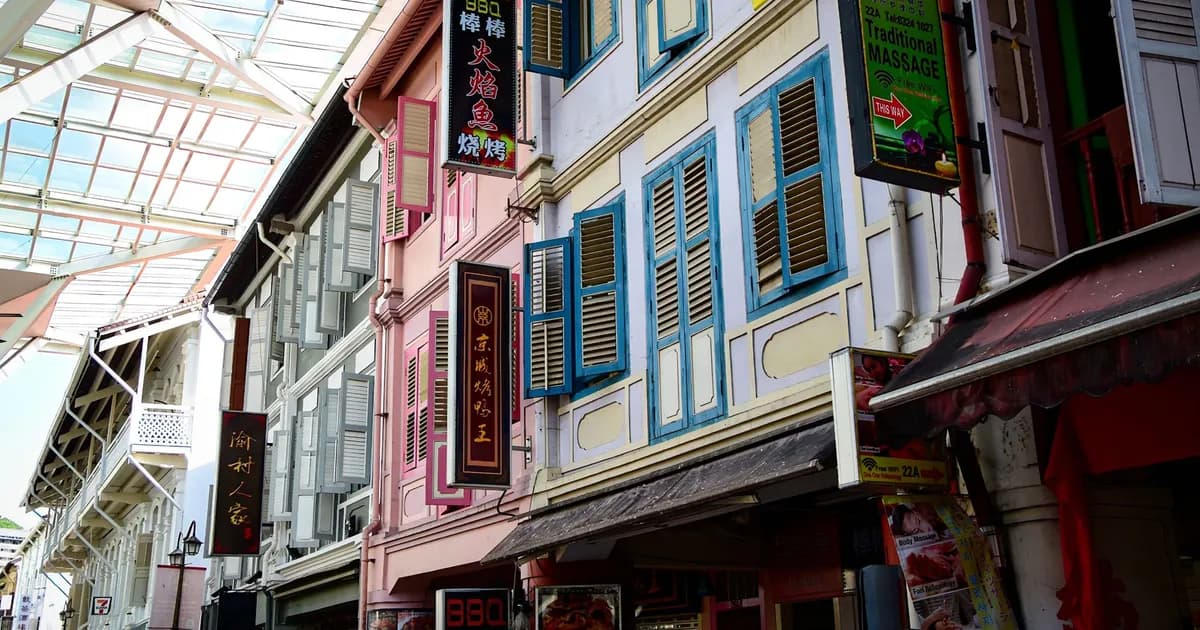
Institutions respond to data, and Singapore's response has been notably sensible. Rather than chasing headline arrivals with another mega-attraction, the tourism board has partnered with Grab on a campaign explicitly designed to move visitors into the precincts: Chinatown, Little India, Kampong Glam, the heartland estates, and the city after dark. Ride vouchers to neighbourhood destinations and evening discounts are small levers, but the strategic signal is clear — the official position is now that Singapore's depth, not its skyline, is the product.
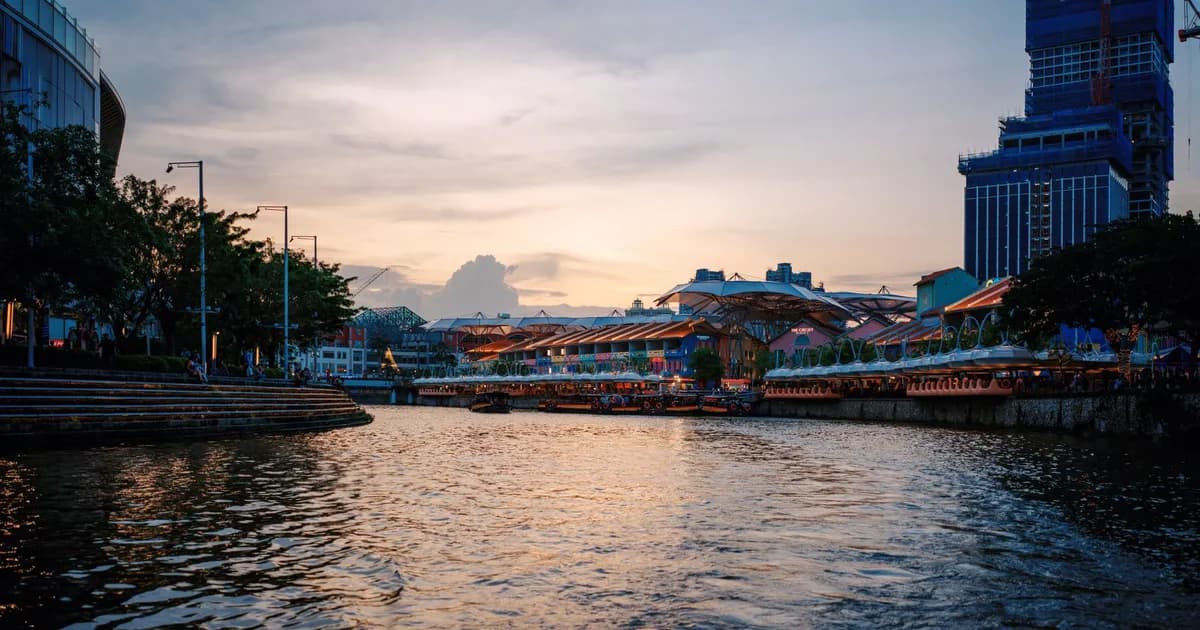
This is a meaningful shift. For two decades the marketing centre of gravity sat with Marina Bay, Sentosa and Orchard Road. Pushing travellers towards places like Katong and Joo Chiat acknowledges that the interesting version of the country lives in the shophouse rows and food streets, and that those places need visitors distributed across the week rather than funnelled into two hours on a Saturday afternoon.
What This Means for Hotel Prices and Availability
Hotel economics in 2026 have been stubbornly stable rather than collapsing. Average room rates in the first quarter sat around S$275 a night, up marginally on the year before, while revenue per available room moved unevenly — softer in January, firmer in February. In plain terms: the city's hotels are not discounting heavily, because occupancy remains high even when nights per visitor fall.
What this means for travellers is counterintuitive. You should not expect a fire sale. What you should expect is that the value gradient between districts has widened. A room in Marina Bay and a room twenty minutes away in a heritage district can differ by a factor of two or three, and the cheaper one is often in the more interesting place. Choosing your base deliberately matters more than hunting a discount, which is the argument we set out in our guide to choosing a neighbourhood base in Singapore. Hostel dorm beds still start around S$25 to S$30 a night, and serviced apartments become competitive once you pass about five nights.
The Hawker Economy Sits Underneath All of This
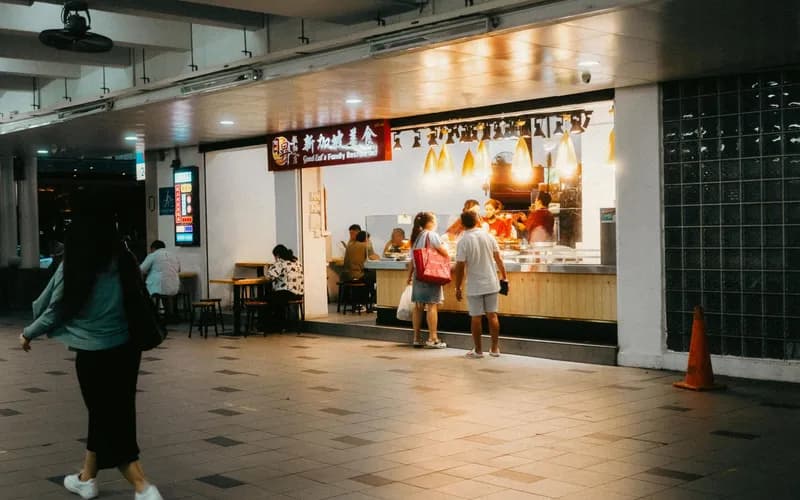
There is a reason the shorter-stay trend matters beyond hotel spreadsheets. Singapore's hawker centres depend on volume, and much of that volume is local. Tourist spending is a useful supplement, but it concentrates in a handful of famous centres — Maxwell, Lau Pa Sat, Old Airport Road — while hundreds of neighbourhood centres survive on residents alone. A tourism model built on three-night stays naturally routes visitors to the same five places.
Spreading visits across more centres and more days is not charity; it is simply how a food culture built on thin margins and long hours stays viable. The pressures facing that culture are real and structural, and we have covered them separately in our piece on the future of Singapore's hawker trade. The 2026 numbers are one more reason to eat outside the tourist rotation.
Who Is Actually Coming Now
Composition matters as much as volume. China has been the dominant growth engine in 2026, helped by the mutual visa exemption between the two countries, and Chinese visitors skew towards shorter trips built around shopping and attractions. Indonesia and Malaysia supply steady regional volume, much of it weekend-length. Australian travellers have been among the strongest spenders per head, and long-haul European and North American visitors, though far fewer in number, stay the longest by some margin.
That mix explains much of the averages. A market dominated by short-haul and connecting traffic will always report a low average stay, regardless of how rewarding the destination is over a week. It also explains why the neighbourhood campaign is aimed partly at repeat visitors: someone on their third trip has already done Gardens by the Bay and Sentosa, and needs a reason to return that is not another attraction. The travellers most likely to stay a full week are precisely the ones the old marketing was worst at reaching.
What a Slow Traveller Should Actually Do With This
The practical translation of all this is short. First, the marginal value of your fourth, fifth and sixth night in Singapore is unusually high, because almost nobody takes them — museums, parks and neighbourhoods are quieter than the arrivals figure suggests. Second, the price of depth is falling relative to the price of convenience: a central luxury room is still expensive, but everything you would do on a slow day out is cheap or free. Third, the institutions are now on your side, which was not true five years ago.
None of this requires a manifesto. It requires the ordinary discipline of staying longer in fewer places, which is the whole of our slow travel charter. Singapore happens to be a place where that discipline pays off faster than most, precisely because so few people apply it.
Honest Caveats About These Numbers
Tourism statistics deserve scepticism. Arrival counts include transit passengers who clear immigration but never leave the airport area, which inflates the denominator and drags the average stay down without telling you anything about actual visitors. Receipts figures exclude some cross-border spending and are revised repeatedly. Monthly comparisons are distorted by the timing of Lunar New Year, school holidays and one-off events such as large concerts or conferences, which can swing a single month by double digits.
Forecast ranges also have a habit of being quietly adjusted mid-year, which is exactly what happened in 2026. Treat the direction of travel as reliable and any individual figure as approximate. The trend — more arrivals, fewer nights, softer receipts — is consistent across enough measures to be real. The precise decimal is not the point.
What to Do Next
- Budget for five to seven nights rather than two or three. The incremental cost per night falls sharply once you leave the airport-hotel-attraction loop.
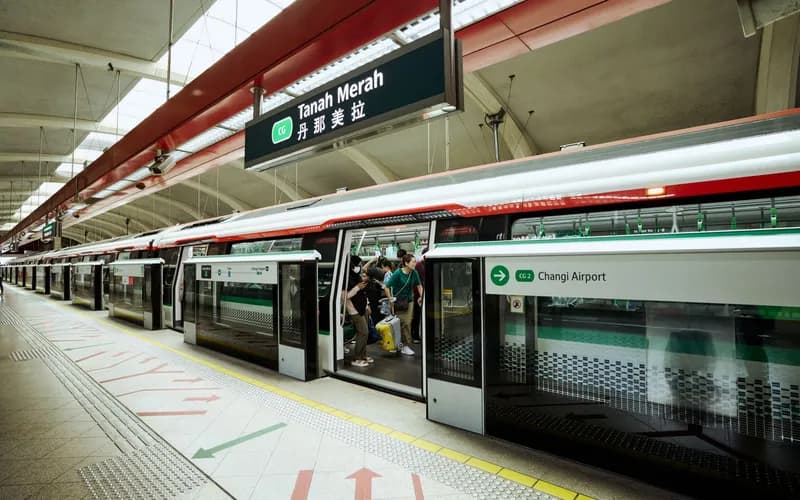
- Price your accommodation by district, not by star rating. Compare the same dates in Marina Bay, Chinatown, Kampong Glam and an outer estate near an MRT line.
- Build your food plan around neighbourhood hawker centres rather than the three or four that appear in every list.
- Check whether your dates collide with a major concert or conference; these now move Singapore hotel rates more than seasonality does.
- Read the destination-level costs before you commit, using our Singapore trip budget guide to sanity-check your daily figure.
- Plan at least one full day outside the central districts — an island, a park connector or an outer neighbourhood — and treat it as the trip's anchor rather than a bonus.
Frequently Asked Questions
Is Singapore getting less popular with travellers?
No. Arrivals are broadly holding near record levels; what has changed is how long people stay and what they spend on. A modest year-on-year dip in the first eight months of 2026 sits against a 2025 that was itself a post-pandemic high. The story is behavioural, not a collapse in demand.
Does softer tourism spending mean Singapore is getting cheaper?
Not directly. Hotel rates in 2026 stayed roughly flat to slightly up, around S$275 a night on average across the market. What has improved is the spread of value — the difference between an expensive base and a good-value one is larger than it used to be, and non-hotel costs such as food and transport remain among the best value in any wealthy Asian city.
How long should I actually stay in Singapore?
Five to seven nights is where the country stops feeling like a transit lounge and starts making sense. That is enough for two or three neighbourhoods explored properly, one island or nature day, a museum or two, and the unstructured time that makes a place stick. Three nights is workable; two is a stopover.
Why is the average stay only about 3.43 days?
Changi's role as a connecting hub, a large regional weekend market, and Singapore's relative expense against neighbouring countries all push in the same direction. The figure is an average across very different kinds of visitor, including short-haul weekenders and business travellers, rather than a description of a typical leisure trip.
Is it a bad time to visit because of the tourism slowdown?
It is arguably a good one. Slightly softer demand means marginally easier bookings, and the tourism board's neighbourhood push means more organised activity, walking routes and evening programming outside the usual central areas. Nothing about the current picture reduces the quality of what you would actually do.
Will hotel prices fall in 2027?
Nobody credibly knows, and anyone promising a direction is guessing. Occupancy has stayed high enough that operators have had little reason to discount, and new supply is limited. The more useful planning assumption is that district choice and length of stay will affect your total cost far more than any market-wide movement.