

Singapore rewards travelers who slow down, and it changes quickly enough that even a return visitor in 2026 will find something genuinely new. Over the past three years the island's northern edge has been reshaped around Mandai, a fifth wildlife park has opened, and the largest airport project the country has attempted in a generation has broken ground at Changi. None of it demands a rush. But if you are planning a trip this year, a little awareness of what has opened, what is still under construction, and what is quietly being stitched together across the city will help you spend your days well rather than chasing headlines.
This is a practical update rather than a full itinerary, meant to sit alongside our slow traveler's guide to where to go and when. We have tried to be honest about timing. Some of what follows is open and worth your hours now; some is years away and should not shape your 2026 plans at all. Knowing the difference is the whole point.
Why Singapore Feels Different in 2026
Singapore has always renewed itself, but the current wave of change is unusually visible. The headline stories cluster in two places: Mandai, in the forested north, where a decades-old zoo has grown into an integrated wildlife precinct; and Changi, in the east, where the airport is building for the 2030s. Between them, smaller and often quieter openings, a new stretch of the Rail Corridor here, a refreshed museum gallery there, reward travelers who leave room in their plans.
The slow-travel takeaway is simple. You do not need to see everything that is new, and you certainly cannot see everything that is planned, because much of it does not exist yet. What matters is choosing a few of the genuinely open, genuinely finished experiences and giving them the time they deserve. A morning at one wildlife park, unhurried, will stay with you longer than a checklist of half-glimpsed attractions.
One request. Up to five tailored proposals.
Skip contacting agencies one by one — share your trip once and let up to five trusted Singapore agencies come to you. Free, with no obligation.
Get my free quotesThe Mandai Transformation: A New Kind of Wildlife Reserve
The clearest example of Singapore's renewal is Mandai Wildlife Reserve. What used to be simply the zoo is now an integrated cluster of five parks: the long-established Singapore Zoo, Night Safari and River Wonders, joined by Bird Paradise and, most recently, Rainforest Wild Asia.
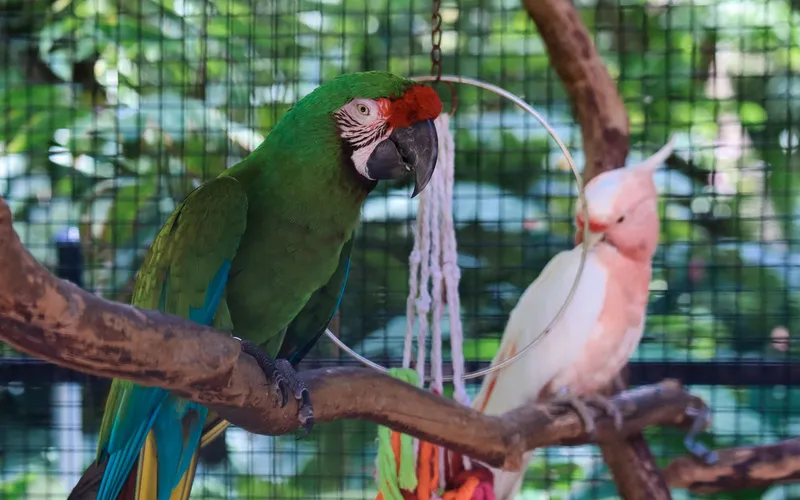
Bird Paradise opened in May 2023 and has settled into its role as the reserve's flagship new attraction. It spans seventeen hectares and is home to more than 3,500 birds across some 400 species, arranged into eight large walk-through aviaries that each recreate a different habitat, from African wetlands to Southeast Asian rainforest. Because the aviaries are walk-through rather than cage-by-cage, the experience rewards a slow, patient pace: standing still often brings the birds closer than walking ever will.
The reserve as a whole is designed as an eco-precinct, with a shared entrance node, sheltered walkways, and a stated ambition to blend conservation, research and gentle tourism. For visitors, the practical effect is that Mandai now easily justifies a full day, or even two if you want to pair a daytime park with the Night Safari after dark. If you are weighing how many days to give the north against the rest of the island, our guide to where to go and when covers the trade-offs in more detail.
Rainforest Wild Asia and What Comes Next at Mandai
The newest piece of the puzzle is Rainforest Wild Asia, Singapore's fifth wildlife park, which opened in March 2025. It is a different proposition from the walk-through calm of Bird Paradise: the park is built around exploration, with trails that lead both above and below ground through some of the most extensive naturalistic habitats the reserve has created. Residents include Malayan tigers, sun bears, tapirs and langurs, presented in settings that emphasise the layered structure of a real rainforest rather than the old model of animals behind glass.
Because Rainforest Wild Asia leans toward active discovery, including elevated walkways and adventure elements, it suits travelers who want to move and look closely rather than simply stroll. Check the current status of the more adventurous zones when you book, as some elements have opened in phases.
Beyond what is already open, Mandai has signalled further additions, including a large indoor nature-themed attraction and, further out, a precinct museum with outdoor galleries. These are genuinely future projects, some slated for later in the decade, so treat them as reasons to return rather than to wait. For 2026, the two new parks that are actually open, Bird Paradise and Rainforest Wild Asia, are more than enough. Also opening in stages is the Mandai Rainforest Resort; if an overnight stay in the forest appeals, check its current status directly before building a trip around it.
Get matched with up to 5 trusted Singapore agencies
- Free
- No obligation
- Up to 5 agencies
Changi Airport: Jewel Today, Terminal 5 Tomorrow
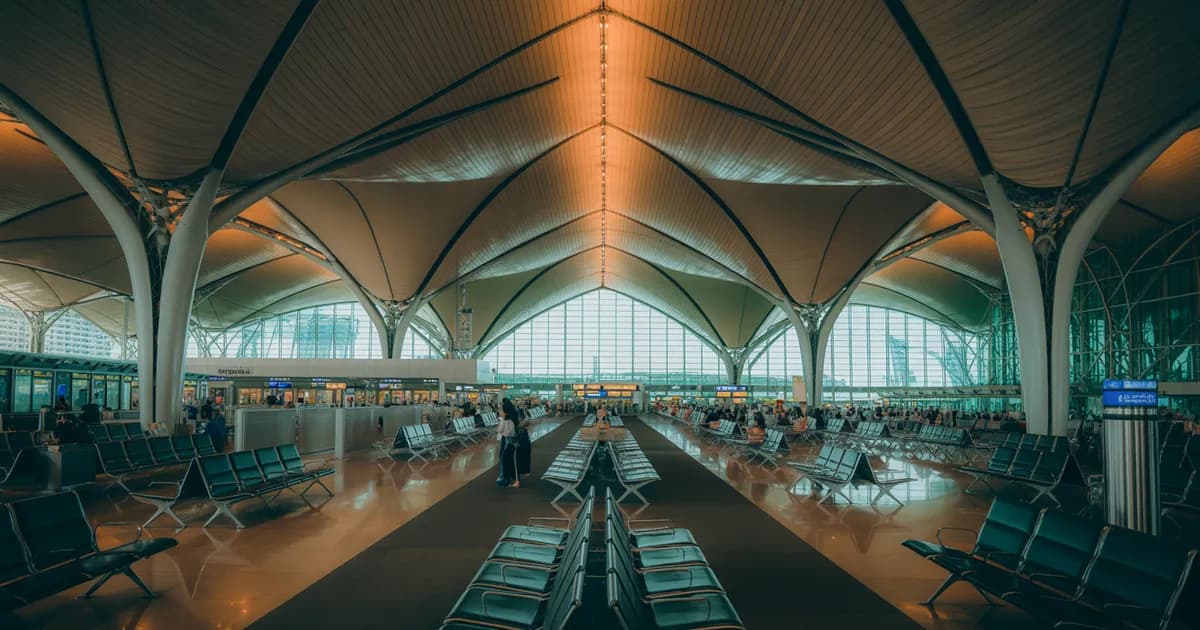
For most visitors, Changi is the first and last impression of Singapore, and here the important thing is to separate what exists from what is coming. What exists, and remains one of the best reasons to arrive early or leave late, is Jewel Changi Airport. Open since 2019 and linked to Terminal 1, Jewel wraps a shopping and dining complex around the Rain Vortex, the world's tallest indoor waterfall, and a lush indoor forest with walking trails and the elevated Canopy Park. It is genuinely worth building an extra hour or two into your arrival or departure to see it unhurried rather than at a sprint between gates.
What is coming, and what you should not plan around in 2026, is Terminal 5. Ground was broken in May 2025 on what will be one of the largest single terminals in the world, eventually able to handle around fifty million passengers a year and designed to let the whole airport operate as one integrated system. But T5 is a project for the 2030s, not this year. Throughout early 2026 the public could visit a "T5 In the Making" exhibition rather than the terminal itself, which tells you all you need to know about the timeline. When you fly in 2026, you will still use Terminals 1 to 4, and for practical arrival and transport details our companion article on entering and getting around Singapore is the better reference.
The Rail Corridor Grows Up
If Mandai and Changi are the loud stories, the Rail Corridor is the quiet one, and for slow travelers it may be the most rewarding. This green artery follows the route of the former railway line that once ran the length of the island, and over the past decade it has been steadily reopened as a continuous walking and cycling trail. By 2026 it offers more than twenty kilometres of near-continuous green connectivity, running from the north near Kranji down toward the south.
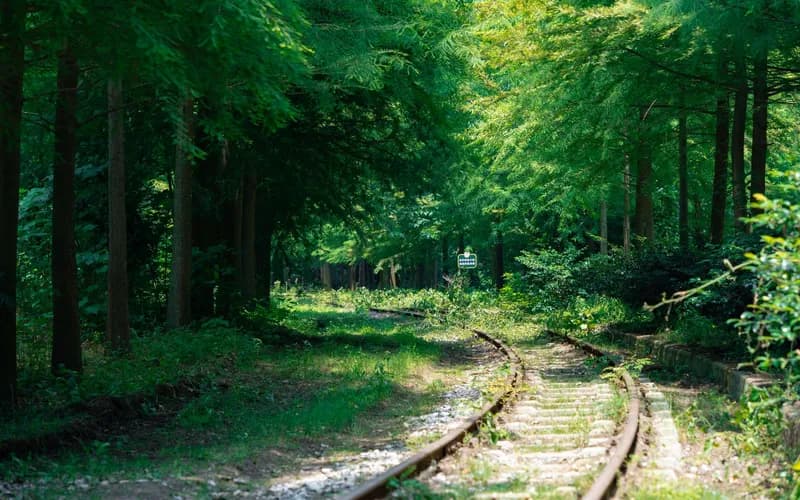
Recent additions have made it easier to enjoy in bite-sized pieces. A new node near Kranji adds a rustic nature trail and an open events field, while a community node at Buona Vista creates another gateway where you can join the path, rest, and step off into the surrounding neighbourhoods. Because it threads past housing estates, forest fragments and old railway relics, the corridor is one of the best ways to see an everyday, unpolished Singapore on foot, very much in the spirit of our guide to off-the-beaten-path Singapore.
One honest caveat for 2026: the corridor is being improved in phases, and some southern sections open and close as work proceeds. A stretch reopened in early March 2026 after Phase 1 works, while an adjacent section closed shortly afterward for Phase 2. A separate branch following the old Jurong line is also under construction and expected to open progressively from late 2026. Check the current status of the specific segment you want to walk before you set out.
Museums, Precincts, and Quieter Openings
Away from the big-ticket attractions, Singapore's museums and cultural precincts continue to refresh themselves, and this is where a slow itinerary earns its keep. The National Museum of Singapore, the Singapore Art Museum and the smaller institutions around the Civic District regularly rotate exhibitions, so it is worth checking what is showing during your dates rather than relying on a permanent-collection description. Several galleries have been refreshed in recent years, and temporary shows are often the most memorable part of a visit.
The broader pattern across the island is precinct-led renewal: clusters of heritage, greenery and food being knitted together rather than isolated landmarks. Some of these, like new museum galleries and community nodes, are already open; others are announced for later in the decade and should be treated as future news. The practical advice is the same either way: pick one or two districts, learn them on foot, and let the newness reveal itself rather than trying to tick off every ribbon-cutting. If you would rather have a local expert shape this around your interests, Singapore's travel agencies can build a calm, current itinerary for you.
Booking and Timing: The Practical Layer
A few practical habits will make the new Singapore easier to enjoy. For the Mandai parks, book your admission online for your chosen date; Bird Paradise, for instance, does not require a fixed time slot, so you simply select the day and arrive when it suits you. Aim for opening time or the late afternoon, when the birds and animals are most active and the midday heat is at its worst. Weekdays are noticeably quieter than weekends across all five parks.
Budget matters too, because several of the new attractions carry separate admission fees rather than a single citywide pass. Deciding in advance which parks and experiences are worth the ticket will save both money and decision fatigue on the day; our detailed Singapore trip cost and budget guide for 2026 breaks down typical prices and where the value lies. As a rule, Singapore rewards depth over breadth: two well-chosen paid attractions and a free morning on the Rail Corridor make a fuller day than four rushed ticket queues.
Finally, allow for the weather and for closures. Singapore is hot and humid year-round with sudden rain, so an early start and a flexible afternoon serve you better than a rigid plan. And because so much is under construction in 2026, a five-minute check of official sites before you commit to a specific trail section or attraction is always time well spent.
What to Do Next
- Decide how much of your trip belongs in the north. If Mandai appeals, block out a full day for Bird Paradise and Rainforest Wild Asia, and consider adding the Night Safari to the same evening.
- Book Mandai admissions online for a specific date, choosing weekday mornings where you can, and confirm which zones of Rainforest Wild Asia are currently open.
- Build an unhurried buffer at Changi to enjoy Jewel on arrival or departure, and set aside any Terminal 5 excitement for a future trip.
- Pick one accessible section of the Rail Corridor and check its current status before walking, since works continue through 2026.
- Cross-check the season and your budget using our Singapore trip cost and budget guide, then map your days on the plan your journey page.
- If you would rather hand the logistics to someone local, contact a Singapore travel specialist to shape a current, well-paced itinerary.
Frequently Asked Questions
Is Rainforest Wild Asia open yet?
Yes. Rainforest Wild Asia, Singapore's fifth wildlife park, opened in March 2025 at Mandai Wildlife Reserve and is open to visitors. Some of its more adventurous zones have opened in phases, so it is worth confirming exactly what is accessible when you book.
Can I visit Bird Paradise without booking a time slot?
Generally yes. Bird Paradise asks you to choose a date of visit rather than a fixed entry time, so you can buy admission online and arrive when it suits you. Booking ahead still helps on weekends and public holidays, when the parks are busiest.
Is Changi Airport Terminal 5 open?
No. Terminal 5 broke ground in 2025 and is a project for the 2030s. Through 2026 you will fly through Terminals 1 to 4, and the only T5 you can currently experience is a public exhibition about its design, not the terminal itself.
How much time should I give Mandai?
Plan for at least a full day if you want to enjoy it slowly. Bird Paradise alone can fill a relaxed morning, and pairing it with Rainforest Wild Asia, or with the Night Safari after dark, easily justifies a whole day or an overnight stay nearby.
Is the Rail Corridor fully walkable in 2026?
Most of it is, with more than twenty kilometres of near-continuous trail, but some southern sections open and close for phased improvement works during 2026. Check the current status of the specific stretch you plan to walk before you set out.
When is the best time of day to visit the wildlife parks?
Early morning and late afternoon are best. The birds and animals are most active then, the light is kinder, and you avoid the harshest midday heat and the largest crowds. Weekdays are quieter than weekends across all the Mandai parks.
Are there major new attractions I should wait for?
A few large projects, including a new indoor nature attraction and a precinct museum at Mandai, are announced for later in the decade. They are worth a future visit but should not shape a 2026 trip; the two new wildlife parks that are already open give you plenty.