

A Thai cooking class is one of the few tourist activities that follows you home. Done well, it changes how you shop and eat for years. Done badly, it is four hours of assembling pre-measured bowls under a laminated recipe card, and you will have forgotten it before your flight. The difference is almost entirely in which school you pick, and the choice is easier than the hundreds of near-identical listings suggest.
What You Are Actually Paying For
Strip away the photography and a cooking class sells you four things: ingredients, a teacher's attention, a kitchen, and a structure that gets you from raw to edible without disaster. Only two of those vary much in quality.
Ingredients are cheap in Thailand, so a higher price almost never means better produce. What it usually means is a smaller group, a better location, air conditioning, or transport. The teacher's attention is the variable that matters most and the one least visible on a booking page. A confident teacher who speaks good English, cooks alongside you and corrects your knife grip is worth more than any garden setting.
Expect to pay roughly 800 to 1,500 baht in Chiang Mai and 1,200 to 2,500 baht in Bangkok. Anything much under 700 baht is either very short, very large, or cutting corners somewhere you would rather it did not. Anything over 3,000 baht is buying you a hotel brand or a chef's name, which is a legitimate purchase but a different one.
If you want the wider context of what you will be cooking, our guide to Thai food, street stalls and regional cuisines is a useful primer before you stand in front of a wok.
One request. Up to five tailored proposals.
Skip contacting agencies one by one — share your trip once and let up to five trusted Thailand agencies come to you. Free, with no obligation.
Get my free quotesChiang Mai or Bangkok: Two Different Classes
These are genuinely different products and it is worth knowing which one you are buying.
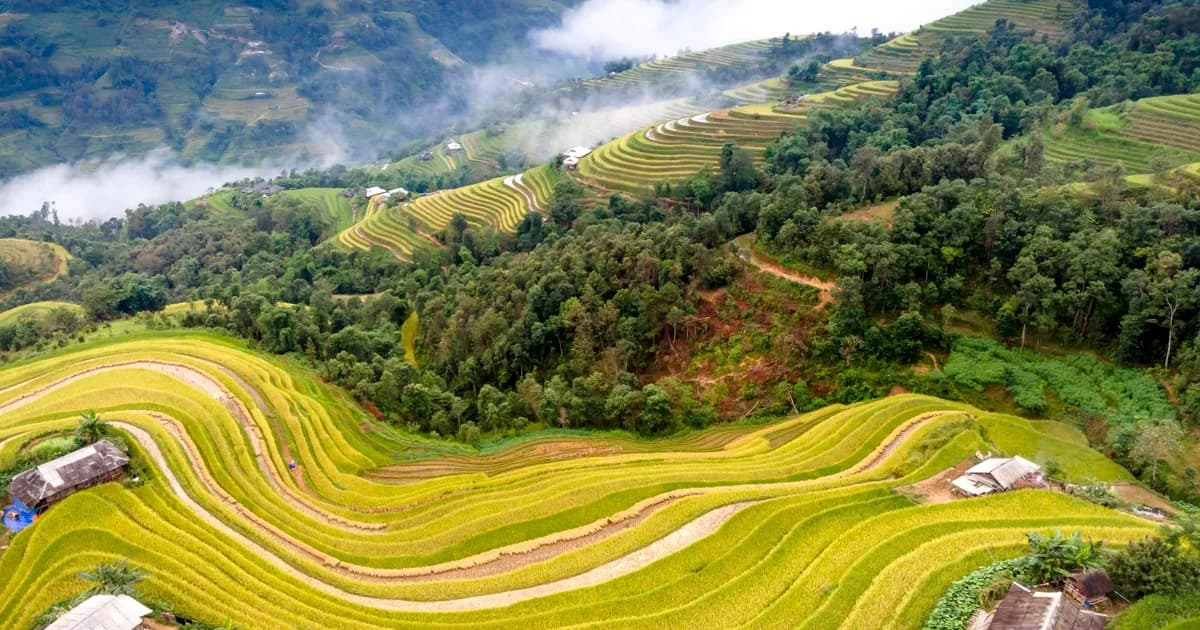
Chiang Mai is the country's cooking-class capital. Most schools are on organic farms fifteen to thirty minutes outside town, and the fee usually includes hotel pickup and drop-off. You walk through beds of lemongrass, galangal, holy basil and kaffir lime, pick some of what you will use, then cook in an open-sided pavilion. A half day runs around 900 baht and typically covers five dishes; a full day at a farm school is commonly 1,200 to 1,500 baht, with a recipe book and enough food that dinner becomes optional.
Bangkok classes are urban. They take place in air-conditioned teaching kitchens, usually with four to five dishes, usually with a market walk rather than a farm, and generally in a two-to-four-hour block. Prices run 1,200 to 2,500 baht. The trade-off is straightforward: no fields and no scenery, but individual induction or gas stations, better equipment, more precise instruction and no hour in a minibus.
Choose Chiang Mai if you want the whole-day, ingredients-in-the-ground experience. Choose Bangkok if you are short on time, cook seriously at home, or dislike heat and insects more than you like farms.
Half Day or Full Day
The half day is not a lesser version of the full day. It is a different shape. A morning class typically means market or garden, four to five dishes, lunch, and back by early afternoon. An evening class is the same thing compressed, and is often the quietest and best-taught session of the day because groups are smaller.
A full day usually adds two dishes, a longer market component, and time to make curry paste properly rather than watch someone else do it. It also adds fatigue. By dish six most people are cooking on autopilot and retaining nothing.
Our honest recommendation for most travellers is a good half-day class rather than a mediocre full day. If you have the appetite for more, take two half-days at different schools in different cities rather than one nine-hour marathon.
Get matched with up to 5 trusted Thailand agencies
- Free
- No obligation
- Up to 5 agencies
Is the Market Tour Worth It?
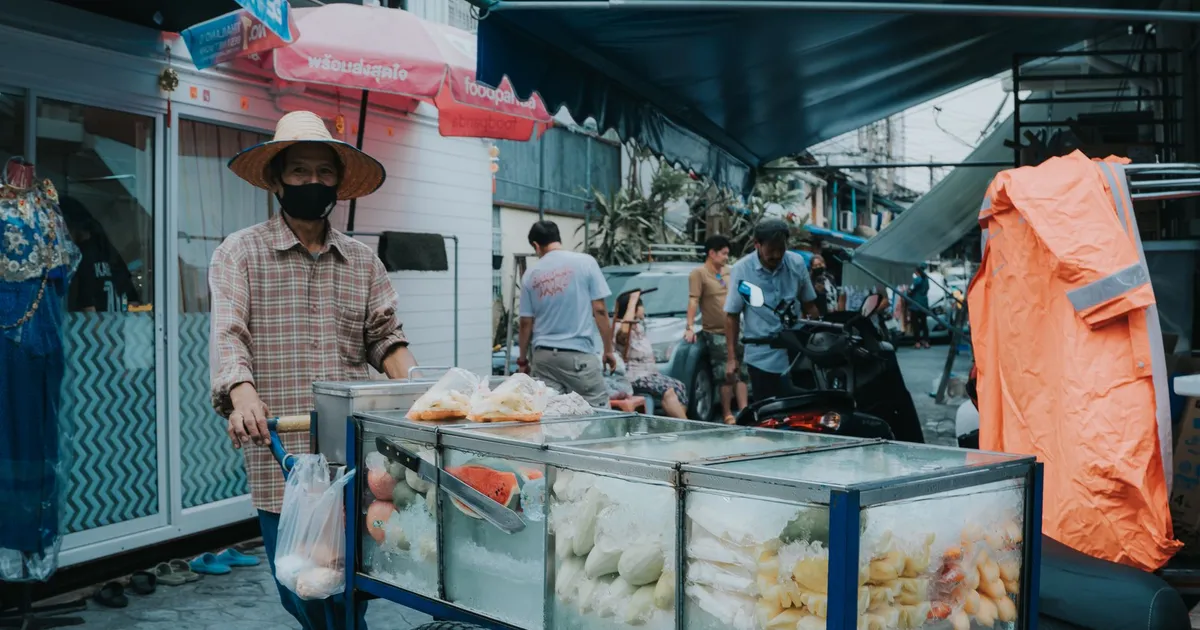
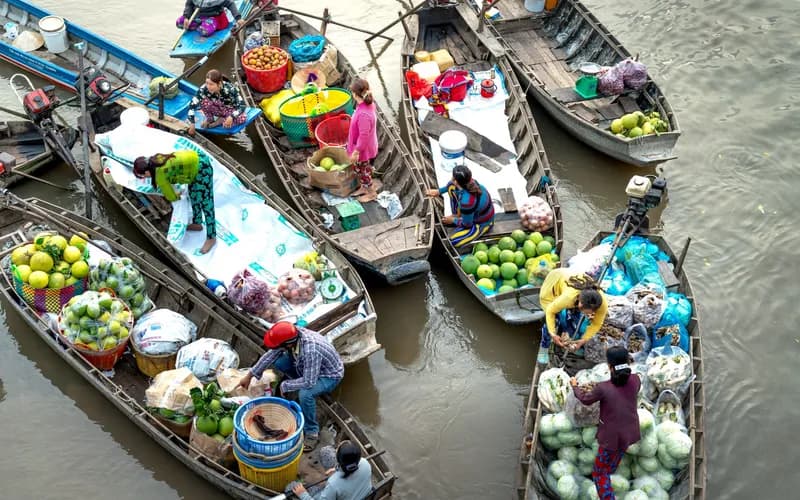
Sometimes. A market tour done well is the most educational forty minutes of the day: you learn to tell galangal from ginger by smell, to recognise the three basils, to spot fresh turmeric, to understand why there are eleven kinds of aubergine and what each is for. You also learn the Thai names, which is what makes the knowledge portable.
A market tour done badly is a lap of a tourist-facing market at walking pace while a guide points at things. If the listing says market visit but the itinerary allocates twenty minutes including transport, assume the latter.
The tell is whether the school buys anything. If your teacher is doing the day's actual shopping while explaining it, you are getting the real thing. If the ingredients were already in the van, the market is decoration.
Curry Paste from Scratch: The Single Best Quality Signal
If you take one thing from this article, take this. Ask before booking whether you will pound your own curry paste in a granite mortar, and how many pastes the class makes.
Making paste from scratch is slow, physically demanding and genuinely difficult to do well. It is also the foundation of most of the Thai dishes people want to learn. A school that gives every student a mortar and twenty minutes of pounding is a school that is teaching. A school that hands out a scoop of ready-made red paste and moves you to the wok is running a food-assembly experience with a photo opportunity attached.
The second signal is coconut milk. Schools that show you the difference between the thick first pressing and the thinner second pressing, and why it matters for cracking a curry, are teaching technique rather than steps.
The third is whether you are taught to taste and adjust. Thai cooking is a balance of salty, sour, sweet and hot, and the whole skill is in correcting the balance at the end. A class that never asks you to taste and fix is a class that gave you a recipe rather than a method.
Group Size, Stations and Whether You Cook Alone
Ask two questions: how many students, and how many woks. A class of twelve with twelve stations is fine. A class of twelve with four stations means you are watching two-thirds of the time.
Six to ten students with one teacher is the practical sweet spot. Above about fourteen, individual correction stops happening. Below four, some schools cancel or merge sessions, so very small advertised groups can be unreliable in low season.
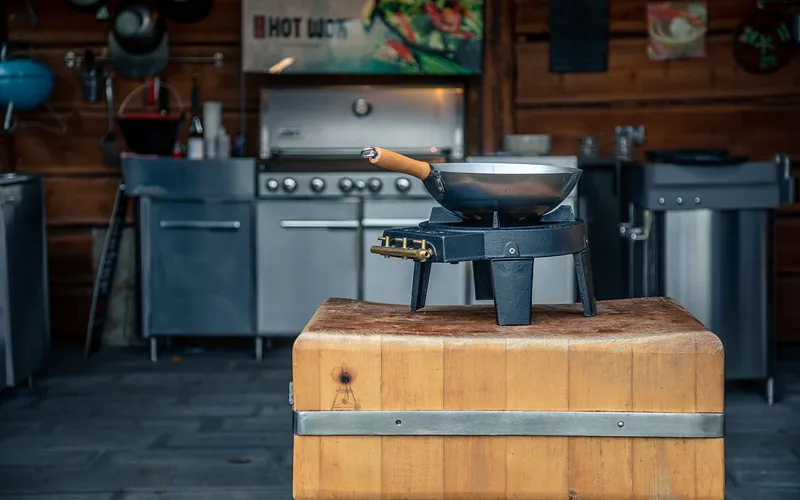
Also ask whether each student cooks every dish or whether the group splits dishes between them. Splitting is common in cheaper full-day classes and it halves what you actually learn, though it does mean you taste more.
Greatest Hits or Regional Cooking
Most classes teach the international canon: tom yum, green or red curry, pad thai, som tam, mango sticky rice. There is nothing wrong with this. They are popular for a reason and they are the dishes you will realistically cook at home.
But if you have already done one class, or if you are in the north or northeast, look for schools teaching regional food. Northern Thai cooking is a different cuisine: khao soi, nam prik ong, sai ua sausage, hang lay curry, far less coconut milk and far more fermented and dried chilli. Isan cooking runs on padaek, sticky rice and grilled protein. Southern Thai food is hotter, more turmeric-heavy and uses far more fresh shrimp paste.
A school that offers a northern menu as an option rather than only as a novelty is usually one with a serious kitchen behind it. This is also a good reason to base yourself somewhere with time to spare, such as the misty valley of Chiang Dao north of Chiang Mai, where a couple of the small guesthouses run informal classes with local cooks.
Vegetarian, Vegan and Allergies
Thai cooking schools handle dietary requirements far better than Thai restaurants do, because they control every ingredient. Nearly all schools will make a full vegetarian or vegan version of the entire menu if you tell them at booking, substituting mushroom stock for chicken, soy sauce or fermented bean paste for fish sauce, and omitting shrimp paste from the curry paste.
Do tell them in advance rather than on the morning. Fish sauce and shrimp paste are in almost everything by default, including green curry paste and som tam, and a school that has not planned for it will improvise badly. Our practical guide to eating vegetarian and vegan in Thailand covers the vocabulary you need for this conversation.
Nut allergies need more care. Peanuts appear in pad thai, satay sauce, som tam and several dressings, and shared woks and pounding mortars make cross-contamination realistic. Coeliac travellers should ask specifically about soy sauce and oyster sauce brands. Most schools can accommodate all of this, but only if warned.
Booking, Timing and Practicalities
Book two to five days ahead in high season, particularly for the well-reviewed Chiang Mai farm schools between December and February, which fill. In the green season you can often book the day before. Morning classes are cooler and better attended; evening classes are smaller.
Wear closed shoes and clothes you do not mind smelling of frying garlic. Bring a hat and water if you are going to a farm. Do not eat a large breakfast; you will eat five dishes and it starts before noon. Most schools include hotel transfers within the city; confirm this rather than assuming.
Take the recipe booklet seriously. A good one lists ingredients in Thai as well as English and includes substitutions for what you will not find at home. That single sheet of substitutions is often worth more than the class itself, because it determines whether you ever cook the dishes again. If you are still shaping the overall trip around which cities to spend real time in, our Thailand trip planning page is the place to start.
Honest Caveats: The Conveyor Belt Problem
Not every school is good, and the bad ones are not obviously bad. The pattern to watch for is high volume and low differentiation: three sessions a day, twenty-plus students, pre-portioned bowls, a teacher working from a script, and a menu identical to the school next door. These operations are profitable, hygienic and pleasant. They just do not teach much.
Reviews are a weak signal here, because most reviewers have taken exactly one class and have nothing to compare it against. Photographs are a better signal. Look for images showing individual mortars, individual woks and small groups, and be suspicious of galleries that only show people holding plates.
There is also a market factor worth naming. In a softer year, price competition among activity operators gets sharper, and cutting the cost of a class means cutting the group ratio or the ingredients. We looked at this dynamic in more detail in our piece on what regional competition is doing to Thai tourism in 2026. The cheapest class in town in a slow season is rarely the best one.
Finally, manage your own expectations. One class will not make you a Thai cook. It will teach you what fresh galangal smells like, why your curry at home tastes flat, and what balance is supposed to feel like. That is a large return on a morning.
What to Do Next
- Decide half day or full day first, then city, then school. Doing it in the other order leads to booking whatever ranks highest.
- Message two or three schools directly and ask a single question: do students pound their own curry paste? The answers will sort the list for you.
- Confirm group size and the number of cooking stations in writing before paying.
- Declare vegetarian, vegan or allergy requirements at the time of booking, never on the day.
- If you are taking two classes, make the second one regional rather than a repeat of the standard menu.
- Photograph the ingredient table before you start cooking. It is the reference you will actually use at home.
- Buy your curry paste ingredients at a market the following day and cook one dish again while it is fresh in your hands.
Frequently Asked Questions
How much should a Thai cooking class cost in 2026?
Budget roughly 800 to 1,500 baht in Chiang Mai, where farm schools with transport included cluster around 1,200 to 1,500 baht and half-day classes sit near 900 baht. Bangkok runs higher at 1,200 to 2,500 baht for an air-conditioned kitchen and a market walk. Below about 700 baht, something has been cut.
Is Chiang Mai really the best place to take one?
It is the easiest place, with the most competition, the most farm settings and the best prices. That does not automatically make it the best class, but the odds are good. Bangkok is the better choice if you want precision teaching, and the north beyond Chiang Mai is the better choice if you want regional cooking.
Do I need any cooking experience?
None. Classes are designed for people who have never used a wok, and the pace is set by the slowest student. If you do cook seriously, say so at booking; some schools will give you the harder dishes or a more technical explanation rather than the beginner script.
Will the food be too spicy?
Only if you let it. Every school asks each student how much chilli to use, and the standard tourist default is well below Thai heat. Ask for it Thai-hot only if you already know what that means. You can always add chilli at the table.
How many dishes will I actually cook?
Four to five in a half day and six to seven in a full day is typical, and you generally eat everything you make. Confirm whether each student cooks every dish or whether the group divides them, because the second arrangement halves the practice you get.
Can children take part?
Most schools accept children from about eight upwards, often at a reduced rate, and some run family sessions with less wok work and more assembly. Ask about supervision at the stove and whether they can adjust the menu, since a class built around chilli and shrimp paste is a hard sell to a nine-year-old.
Is it worth taking a class at the start or end of a trip?
At the start. Everything you learn about ingredients, balance and Thai names makes the rest of the trip more legible, from market stalls to menu translations. A class on your last day is enjoyable but you lose the part where it changes how you eat for the following three weeks.