
How to Time Your Thailand Trip Around the Festivals That Matter
A festival can be the making of a trip to Thailand or the thing that quietly wrecks it. Arrive in the right town on the right week and you witness something that no itinerary could manufacture; arrive unaware and you find transport booked out, prices doubled and temples closed to visitors. Slow travel is partly the art of timing, and in Thailand the calendar rewards travellers who plan around it rather than stumble into it.
Why Festivals Deserve a Place in Your Planning
Thai festivals are not sideshows bolted onto an ordinary week; for the days they run, they reshape a place entirely. Domestic travel spikes, buses and trains fill, and the character of a town changes. That is an opportunity and a hazard in equal measure. The traveller who books early and picks the right base gets a front-row seat to living culture. The one who ignores the calendar competes with millions of Thais for the same seats and rooms. Reading the calendar before you book is as fundamental as reading the weather; our guide to travelling Thailand in the green season covers the second half of that equation.
One request. Up to five tailored proposals.
Skip contacting agencies one by one — share your trip once and let up to five trusted Thailand agencies come to you. Free, with no obligation.
Get my free quotesSongkran: The One Everyone Knows
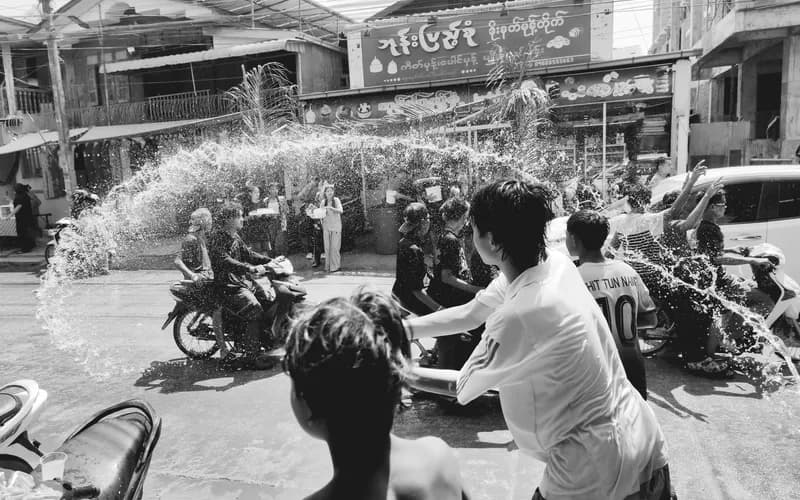
Thai New Year, Songkran, runs nationwide every 13–15 April, though celebrations often spill a day either side. What began as a gentle water-blessing has become the world's largest water fight, at its most exuberant in Chiang Mai and along Bangkok's Silom and Khao San roads. It is genuinely joyful, but it is also the busiest travel week of the year: book transport and accommodation weeks ahead, expect closures, and protect your phone and documents in a waterproof pouch. If crowds are not your thing, a smaller town lets you experience the ritual heart of Songkran — the respectful pouring of water over elders' hands and Buddha images — without the street-scale chaos.
Loy Krathong and Yi Peng: Lights on Water and Sky
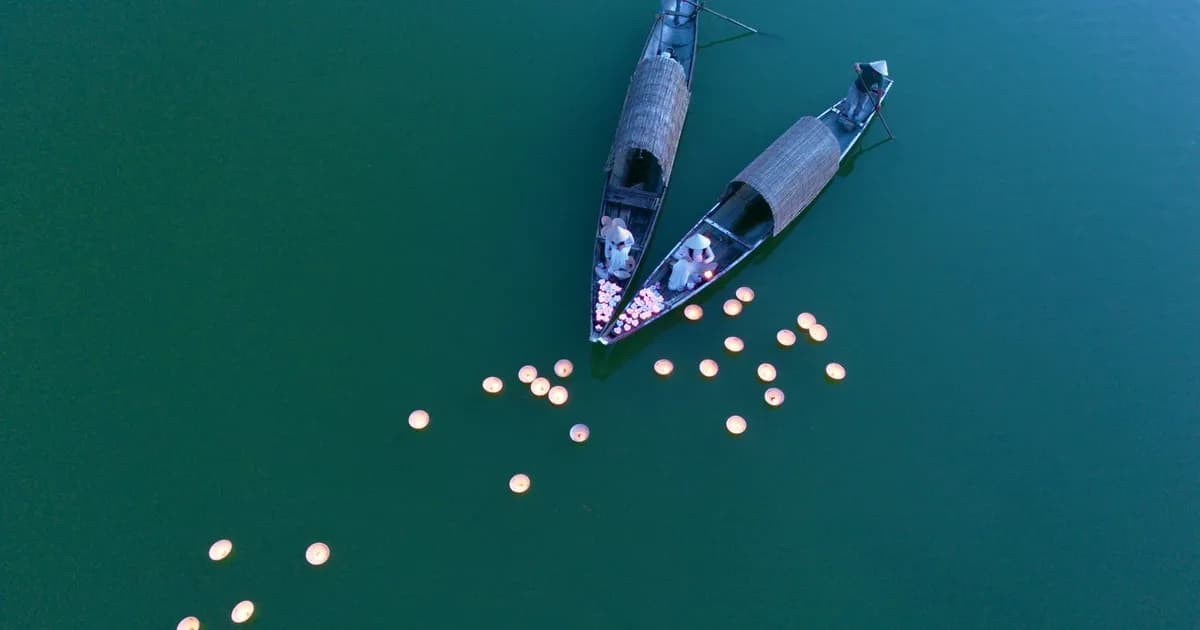
The most photogenic dates in the Thai year fall in November. Loy Krathong, when people float small decorated offerings on rivers and ponds, lands on 24 November in 2026. In Chiang Mai it coincides with Yi Peng, the Lanna lantern festival, when thousands of paper lanterns rise into the night sky — expected around 23–25 November 2026. Sukhothai stages one of the country's most atmospheric Loy Krathong celebrations amid its old temples, a natural pairing with a slow visit to Sukhothai Historical Park. Book Chiang Mai and Sukhothai far in advance for these dates; they are among the most sought-after nights of the year.
Get matched with up to 5 trusted Thailand agencies
- Free
- No obligation
- Up to 5 agencies
Phi Ta Khon: The Ghost Festival of Loei
Less known and all the more rewarding is Phi Ta Khon, the "ghost festival" of Dan Sai in Loei province, where villagers parade in towering hand-painted masks and patchwork costumes. In 2026 it falls around 20–22 June. Because it happens in a small north-eastern town rather than a tourist hub, it takes real planning — but that effort is exactly what keeps it authentic. It pairs beautifully with a wider loop through the quiet Mekong north-east, which our guide to Chiang Khan and Loei maps out in full.
The Quieter, Regional Festivals Worth Chasing
Beyond the famous few, Thailand's regional calendar rewards the curious. The Bun Bang Fai rocket festival lights up Isan, especially Yasothon, in May, when villagers fire homemade rockets skyward to summon the rains. Phuket's Vegetarian Festival, tied to the lunar calendar in roughly September or October, is a startling nine days of processions and ascetic ritual. Ubon Ratchathani's Candle Festival marks the start of Buddhist Lent in July with vast carved-wax floats. Chinese New Year, in late January or February, transforms Bangkok's Yaowarat and the old Chinese quarters. These are the dates that reward travellers willing to be in a specific place at a specific time.
The Buddhist Holy Days That Affect Everyone
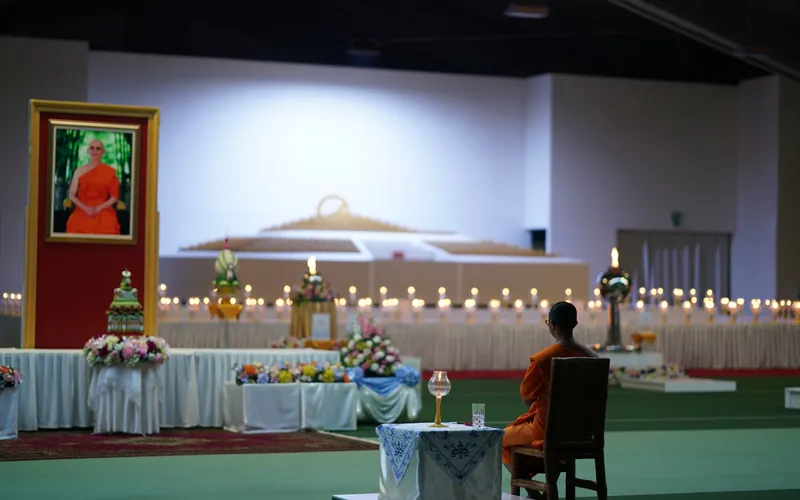
Some dates matter less for what you can see and more for what you cannot do. On major Buddhist holy days — Makha Bucha, Visakha Bucha and Asanha Bucha, which move with the lunar calendar — the sale of alcohol is banned nationwide, bars close, and the mood turns reflective. Election days carry the same alcohol restriction. None of this need spoil a trip, but it is worth knowing so a dry evening does not catch you by surprise. Understanding the rhythm of these observances is part of the wider cultural fluency our guide to temple and monarchy etiquette in Thailand sets out.
How to Plan Around the Calendar
The principle is simple: decide first whether you want to be inside a festival or out of its way, then book accordingly. If you want the spectacle, choose one signature event, pick your base early, and reserve transport and rooms well ahead. If you would rather travel calmly, check the dates and route around the peaks, using smaller towns where the same holiday is observed more gently. Either way, the festival calendar should shape your itinerary from the start, not surprise it halfway through.
Booking and Logistics Around the Big Dates
The single most useful habit for festival travel in Thailand is to book early and confirm twice. For Songkran, Loy Krathong and Yi Peng, transport and rooms in the popular centres can sell out weeks ahead, and prices climb as the date nears. Reserve your intercity travel first, then accommodation, then any organised events; doing it in that order protects the parts that are hardest to change. Build in buffer days on either side of a major festival, because roads clog and schedules slip. And keep your expectations realistic about crowds: the spectacle you have come for is popular precisely because it is remarkable, so you will be sharing it. A little patience, an early start and a willingness to watch from the edges rather than the centre will improve almost any festival day.
A Month-by-Month Feel for the Calendar
Beyond the headline events, Thailand's festival year has a texture worth knowing. The cool months from November to February carry Loy Krathong and Yi Peng and a run of temple fairs. The hot season peaks with Songkran in mid-April, the country's great release before the rains. May brings the Bun Bang Fai rocket festivals to Isan; July marks the start of Buddhist Lent with candle festivals in Ubon Ratchathani and elsewhere; and the lunar-timed Vegetarian Festival falls in roughly September or October, most intensely in Phuket. Layered over all of this are the movable Buddhist holy days and countless local temple fairs that never make a national calendar but define the week in whichever town you happen to be. Part of the pleasure of slow travel is stumbling into one of these unannounced.
Festivals and the Slow-Travel Ethic
There is a way to attend a festival that takes from it and a way that gives something back. The first treats the event as a backdrop for photographs; the second approaches it as a guest at someone else's celebration. In practice that means learning what the ritual actually means before you raise a camera, dressing modestly at temple events, asking before photographing people mid-ceremony, and spending your money with the local vendors and families who make the day possible. Festivals are among the most intimate windows a traveller gets into a culture, and they repay respect with a depth of experience that no ordinary sightseeing day can match.
When to Skip the Crowds Entirely
Not every trip should be built around a festival, and there is no shame in deliberately avoiding them. If your priority is quiet temples, empty guesthouses and low prices, check the calendar and route around the peaks rather than into them. The days immediately after a major festival are often the calmest and cheapest of the season, as domestic crowds go home and the country exhales. Timing a trip for those windows is its own kind of festival planning: using the calendar to find the stillness rather than the spectacle, and letting a quieter town reveal itself once the crowds have moved on and the ordinary week resumes.
What to Do Next
- Fix your travel window, then check which festivals fall inside it before you book anything else.
- Decide your posture for each date: dive in for one signature festival, or deliberately route around the crowds for the rest.
- For Songkran, Loy Krathong and Yi Peng, book transport and accommodation several weeks ahead — these are the year's tightest dates.
- Note the Buddhist holy days on your route so nationwide alcohol bans and temple closures do not catch you off guard.
- Build the surrounding logistics with our plan-your-journey resources for Thailand so the festival anchors the trip rather than disrupting it.
Frequently Asked Questions
When is Songkran in 2026?
Songkran, the Thai New Year water festival, runs nationwide from 13 to 15 April 2026, with celebrations often spilling over by a day at either end. It is the busiest domestic travel week of the year, so book transport and rooms well in advance if your trip overlaps these dates.
When are Loy Krathong and Yi Peng in 2026?
Loy Krathong falls on 24 November 2026. Chiang Mai's Yi Peng lantern festival is expected around 23–25 November 2026, overlapping with Loy Krathong. Dates track the lunar calendar, so confirm closer to the time, and reserve Chiang Mai and Sukhothai accommodation early.
What is Phi Ta Khon and when does it happen?
Phi Ta Khon is the "ghost festival" of Dan Sai in Loei province, famous for towering hand-painted masks and lively parades. In 2026 it falls around 20 to 22 June. Because it takes place in a small north-eastern town, plan transport and lodging ahead rather than expecting to arrive on the day.
Should I avoid Thailand during festivals?
Not at all, but plan deliberately. Festivals offer some of the country's richest experiences; the risk is only in arriving unaware. If you dislike crowds, either choose a smaller town celebrating the same holiday, or route around the busiest dates while still enjoying the quieter days on either side.
Are shops and transport affected during festivals?
Yes. Major festivals fill buses, trains and flights and push up accommodation prices, while some businesses and temples close. On Buddhist holy days and election days, alcohol sales are banned nationwide and bars shut. Checking the calendar before you book avoids nearly all of these surprises.
Which festival is best for a first slow-travel trip?
Loy Krathong in Sukhothai or Chiang Mai is a gentle, deeply atmospheric introduction, blending ritual and beauty without Songkran's full-contact energy. For something rarer and quieter, Phi Ta Khon in Loei rewards travellers willing to reach a small town in the north-east.