Kon Tum: The Gentle End of Vietnam's Central Highlands
Most travellers to Vietnam's Central Highlands stop at the coffee towns and turn back. Kon Tum, tucked up near the borders with Laos and Cambodia, sits a little further on, and that small extra distance is exactly why it stays quiet. This is a town of stilt houses and a rosewood cathedral, of Bahnar and Jarai villages strung along a slow brown river, where the highlands feel less like a destination and more like a way of life that has not yet been rearranged for visitors.
For the slow traveller, Kon Tum offers something increasingly rare in Vietnam: a place with real cultural depth and almost no tourist machinery. There are no queues, no ticket gates worth the name, and no sense that you are being processed. What there is instead is time, space, and the chance to meet the highlands on their own unhurried terms.
Where Kon Tum sits, and why it stays off the trail
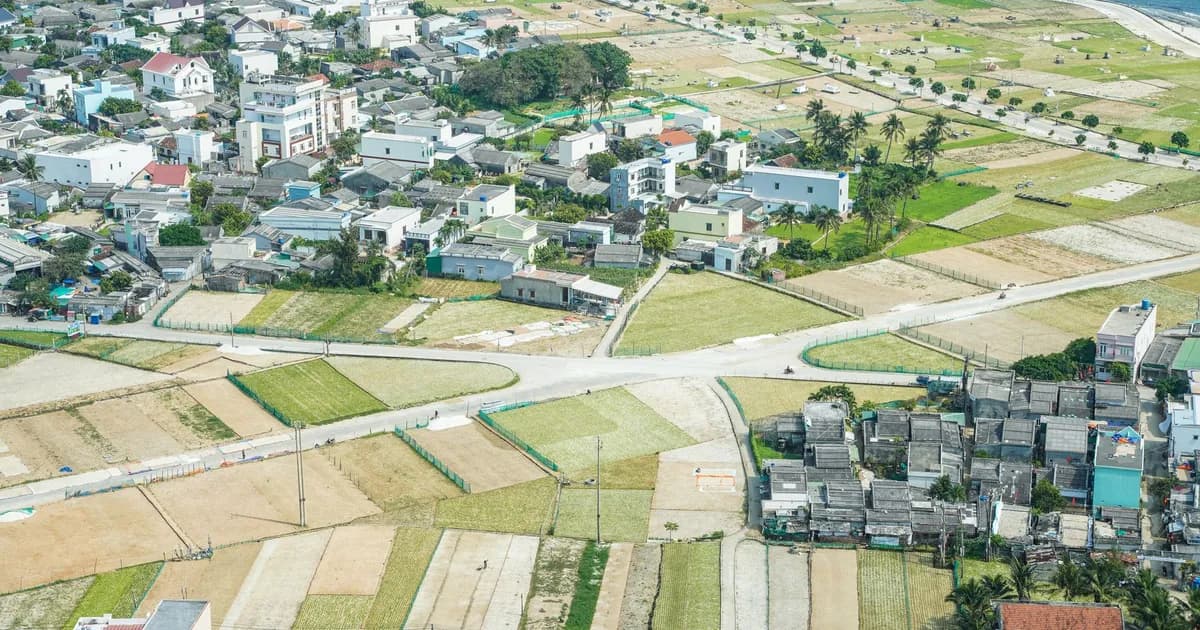
Kon Tum is the northernmost of the Central Highlands provinces, a landscape of red earth, coffee and rubber, rolling hills and river valleys, pressed up against the mountainous frontier where Vietnam, Laos and Cambodia meet. The provincial capital, also called Kon Tum, is a modest town on the banks of the Dak Bla, the largest river in the province, which loops through the valley in wide, lazy bends.
The town has never been on the main tourist circuit, and geography is the reason. It lies off the coastal spine that carries most visitors between Hanoi and Ho Chi Minh City, and reaching it means a deliberate detour inland. That detour is its protection. Where the more famous highland towns have grown busy, Kon Tum has kept its scale and its calm. If you have already tasted the region's coffee heartland, our guide to nearby Dak Lak and Buon Ma Thuot shows how Kon Tum extends the same slow highlands further north and quieter still.
One request. Up to five tailored proposals.
Skip contacting agencies one by one — share your trip once and let up to five trusted Vietnam agencies come to you. Free, with no obligation.
Get my free quotesThe wooden cathedral and the town's layered past
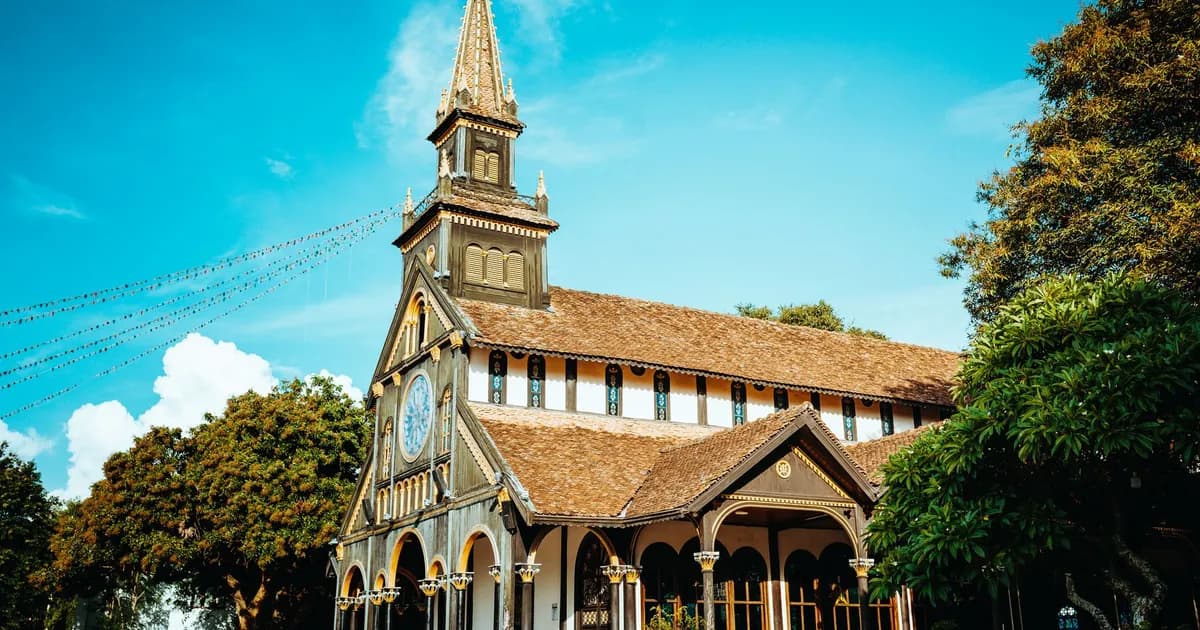
Kon Tum's emblem is its wooden church, a cathedral built by French missionaries between 1913 and 1918 entirely from rosewood and other now-scarce highland timbers. It is an extraordinary hybrid: the proportions and rose windows of a European church raised on the stilts and joinery of a highland longhouse, its dark timber glowing in the afternoon light. More than a century on, it is still in use, and it remains the most photographed thing in town, though on most days you will have it nearly to yourself.
The church is a doorway into the town's layered history, where French colonial missions, highland animist traditions and the long shadow of the war all meet. Nearby, the seminary and its small museum trace the encounter between the missionaries and the Montagnard peoples, the collective French name for the many highland ethnic groups. Kon Tum wears this history lightly, without the polish of a heritage site; you read it in the buildings and the faces rather than on interpretive panels. For travellers who like to understand the ground they walk on, it rewards slow, curious wandering more than a checklist.
Bahnar and Jarai villages along the Dak Bla
The real life of the region is in its villages. Kon Tum province is home to hundreds of Montagnard settlements, most belonging to the Bahnar and Jarai communities, and several sit within easy reach of the town along the Dak Bla. Their signature is the rong, a communal house with a soaring thatched roof that rises like a sail above the village, the heart of community life and ceremony.
Visiting these villages is the point of coming to Kon Tum, and it asks to be done gently. The Bahnar village of Kon K'tu, on the riverbank a short way from town, is among the best known, home to several hundred people who still farm, weave and hold ceremonies much as their grandparents did. Walking its lanes in the early morning, past the rong and the stilt houses and the water buffalo, you get a glimpse of highland life that the coastal cities long ago left behind. Our guide to homestays and village etiquette in Vietnam is worth reading before you go, so that your visit is a genuine encounter rather than an intrusion.
Get matched with up to 5 trusted Vietnam agencies
- Free
- No obligation
- Up to 5 agencies
Kon Klor bridge and the walk to the villages
The Kon Klor suspension bridge is the town's other landmark and its natural threshold to the countryside. One of the longest and handsomest suspension bridges in the highlands, it spans the Dak Bla in a graceful arc, and crossing it on foot or by bicycle takes you out of the town and into a patchwork of fields, sugarcane and riverside hamlets. On the far side, quiet lanes lead to Bahnar villages such as Kon Ko Tu, reachable on gentle walks suitable for almost anyone.
This is Kon Tum at its best: not a monument to tick off but a landscape to move slowly through. Hire a bicycle, cross the bridge in the cool of the morning, and let the day unfold at walking pace. The river is never far, the hills frame every view, and the encounters, a farmer, a weaver, a child on the way to school, are the kind that no itinerary can schedule. It is the sort of unhurried day that our wider guide to off-the-beaten-path Vietnam is built around.
The slow highlands beyond the town
Kon Tum is also a gateway to some of the most peaceful upland country in Vietnam. To the east, the cool pine-forested plateau around Mang Den has begun to draw Vietnamese travellers looking for a gentler climate and a quieter break, yet it remains almost unknown to foreign visitors. Waterfalls, lakes and pine woods make it a highland retreat in the making, still early enough in its tourism that it feels discovered rather than developed.
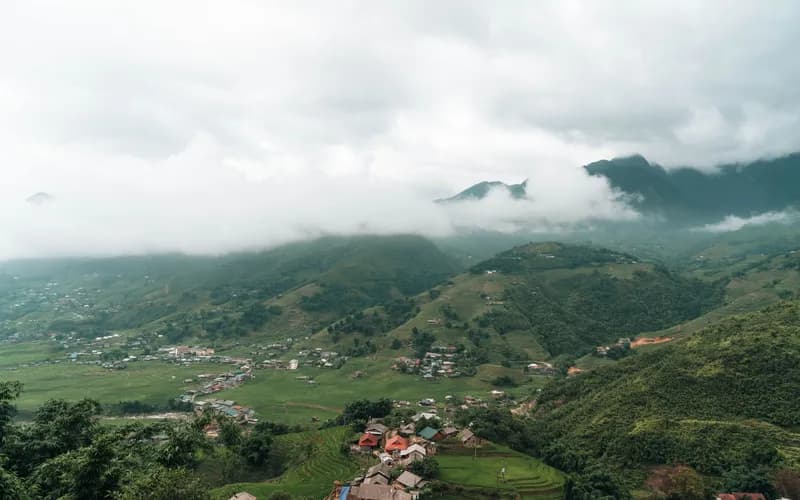
Further afield, the roads towards the Lao and Cambodian borders run through some of the emptiest and most beautiful landscapes in the country, coffee and rubber giving way to forest and mountain. This is deep-highlands travel, best taken slowly and with local guidance, and it connects naturally southward to the wider Central Highlands. Travellers making a loop of the region often pair Kon Tum with the eternal-spring climate of Da Lat further south, stringing the highland towns into one long, slow inland journey.
When to go and how to arrive
The Central Highlands have two clear seasons. The dry months, roughly November to April, are the most comfortable time to visit, with sunny days, cool highland evenings and passable roads to the villages. The wet season, from May to October, brings heavy afternoon rain that can make rural lanes muddy, though it also paints the hills a vivid green and thins what few visitors there are even further.
Getting to Kon Tum is part of the commitment. There is no major airport in the town itself; most travellers fly to Pleiku, the neighbouring highland city, and continue by road, or arrive overland by bus from the coast at Quy Nhon or Da Nang. However you come, build in time: this is not a place to visit in a rush, and the journey through the highlands is half the reward. Once there, a bicycle or a hired car and driver are the natural ways to reach the villages.
Staying respectfully in the villages
Kon Tum's villages are living communities, not open-air museums, and the way you visit matters. A number of Bahnar villages now offer simple homestays, and staying overnight, sharing a meal, sleeping in a stilt house, waking to the village at dawn, is by far the richest way to experience the region. It also puts your money directly into local hands, which is the kind of exchange that keeps such places viable.
Go with a local guide who knows the community, dress modestly, ask before photographing people or ceremonies, and buy the weaving and baskets directly from those who make them. Approached this way, a visit to Kon Tum is not a transaction but a meeting, and it leaves both sides the better for it. To arrange a trip that respects the communities and handles the highland logistics, a specialist listed on our Vietnam travel agencies page can build the route around genuine, low-impact village stays.
What to Do Next
- Decide your approach: fly to Pleiku and drive on, or arrive overland by bus from Quy Nhon or Da Nang.
- Base yourself in Kon Tum town, then set aside at least two days for the wooden cathedral, the Kon Klor bridge and the riverside villages.
- Arrange a village homestay through a local guide rather than visiting on a rushed day trip.
- Add Mang Den or a highland drive if you have time, and consider looping south towards Da Lat.
- Travel in the November-to-April dry season for the most comfortable roads and village walks.
Frequently Asked Questions
Where is Kon Tum and how do I get there?
Kon Tum is the northernmost province of Vietnam's Central Highlands, near the Lao and Cambodian borders. Most travellers fly to nearby Pleiku and continue by road, or arrive overland by bus from the central coast at Quy Nhon or Da Nang. It sits off the main tourist route, which is part of its appeal.
What is there to see in Kon Tum?
The highlights are the century-old wooden cathedral, the Kon Klor suspension bridge over the Dak Bla river, and the Bahnar and Jarai villages such as Kon K'tu and Kon Ko Tu. The pleasure is less in individual sights than in the slow, uncrowded rhythm of highland life.
Is Kon Tum suitable for slow travel?
Very much so. Kon Tum has little tourist infrastructure and few crowds, rewarding travellers who move by bicycle, stay in village homestays, and take their time. It is not a place for a quick stop; it is a place to settle into for a few days.
Can I stay in a village homestay near Kon Tum?
Yes. Several Bahnar villages offer simple homestays, which are the most rewarding way to experience the region and support local families. Arrange them through a local guide who knows the community, and go with respect for village customs.
When is the best time to visit Kon Tum?
The dry season from November to April is most comfortable, with sunny days, cool evenings and better roads to the villages. The May-to-October wet season brings heavy afternoon rain and muddier rural lanes, though the landscape is at its greenest.
How many days should I spend in Kon Tum?
Two to three days lets you see the town, cross the Kon Klor bridge to the villages, and ideally spend a night in a homestay. Add more if you want to explore Mang Den or drive deeper into the border highlands, which reward an unhurried pace.