Da Lat: Vietnam's City of Eternal Spring in the Central Highlands
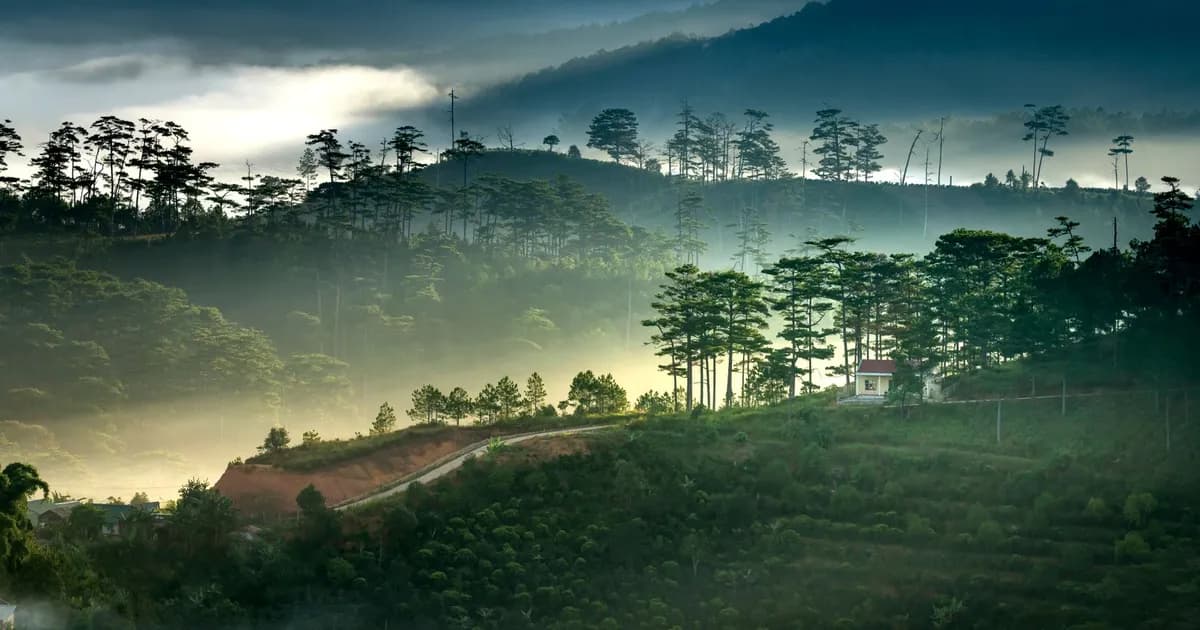
Most travellers meet Vietnam as heat: the sticky press of the delta, the humid buzz of Saigon, the steam rising off a bowl of pho. Da Lat is the country's cool exhale. Sitting at around 1,500 metres on the Langbiang Plateau, this old French hill station keeps a temperature that rarely leaves the 15 to 24 degree range, which is why the Vietnamese call it the City of Eternal Spring. Pine forests, morning mist, lakes, flower farms and some of the best coffee in the country make it one of the most rewarding places in Vietnam to slow right down.
Vietnam's cool exhale
The first thing you notice in Da Lat is that you reach for a jacket. After the lowland heat this alone feels like a small holiday, and it shapes everything about how the town is used. People linger over coffee outdoors, walk in the evenings, and grow strawberries, artichokes and roses that will not survive elsewhere in the country. For a slow traveller, the climate is the whole point: it invites the kind of unhurried days that a hotter city makes hard. This is a place to stay a few nights and settle, not to tick off in an afternoon, in the spirit of our ultimate slow travel guide to Vietnam.
One request. Up to five tailored proposals.
Skip contacting agencies one by one — share your trip once and let up to five trusted Vietnam agencies come to you. Free, with no obligation.
Get my free quotesA hill station the French built
Da Lat was founded in 1893 by French colonial explorers looking for an escape from the lowland heat, and the town they built still defines its character. Villas with steep roofs sit among the pines, a pink cathedral and other colonial churches anchor the skyline, and the old railway station, a small art-deco gem, still runs a short heritage line to the nearby village of Trai Mat. Walking the older streets, you feel the deliberate attempt to recreate a European mountain town in the tropics, softened and made distinctly Vietnamese by the century since.
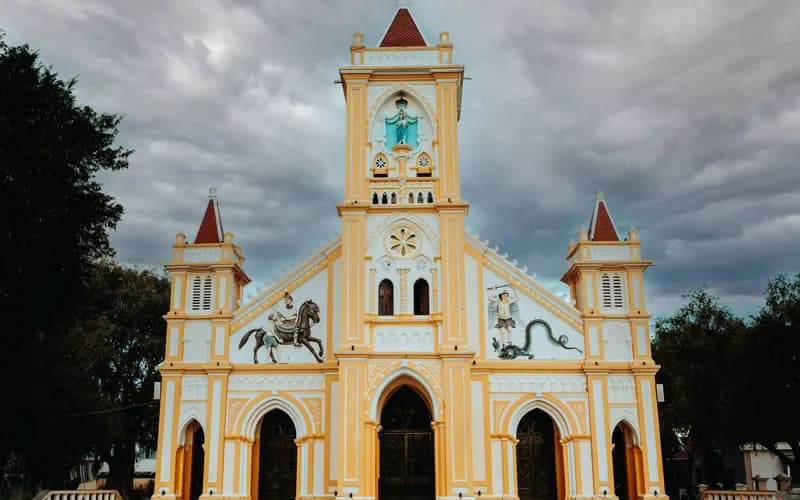
That history is not just scenery. The cool climate the French prized is the same one that made Da Lat Vietnam's garden and, later, a centre for specialty agriculture. The town's identity as a producer of flowers, vegetables and coffee flows directly from that founding logic of altitude and mild air.
Coffee country
Da Lat and the surrounding highlands are the heart of Vietnam's specialty coffee scene. While much of the country runs on robusta, the cool altitude here suits arabica, and small-batch growers tend beans beneath the pine forests. The Cau Dat plateau, a French plantation dating to the 1920s, still processes coffee amid its colonial-era buildings and offers a viewpoint over the terraced hills. Cooperatives such as the K'Ho growers on Langbiang Mountain, and small roasters minutes from the centre, welcome visitors who want to understand the bean from cherry to cup.
A coffee-farm morning here pairs naturally with the wider story of Vietnamese coffee we tell in our guide to Vietnamese coffee culture, and with the robusta highlands further south around Buon Ma Thuot, covered in our piece on the Dak Lak coffee highlands. Taken together they explain why the Central Highlands, not Hanoi or Saigon, are the true home of Vietnamese coffee.
Get matched with up to 5 trusted Vietnam agencies
- Free
- No obligation
- Up to 5 agencies
Lakes, gardens and a little kitsch
Da Lat wears its eccentricity openly. The Crazy House, a surreal Gaudi-esque guesthouse of organic concrete forms, is the town's most photographed oddity. Linh Phuoc Pagoda dazzles with towers covered in mosaic made from broken pottery and glass. Xuan Huong Lake curves through the centre and is made for a slow morning circuit on foot or by pedal boat. The flower gardens, valleys and the famous, faintly kitsch Valley of Love lean into a domestic-tourism aesthetic that is part of the town's charm rather than something to sneer at. Da Lat is beloved by Vietnamese honeymooners for a reason, and travelling alongside domestic tourists here is a pleasure, not a compromise.
Canyoning and the highland outdoors
For all its gentleness, Da Lat has become Vietnam's adventure capital. Canyoning is the headline activity: rappelling down waterfalls in the Datanla canyon, sliding natural rock chutes and jumping into pools, run by a cluster of adventure operators in town. Safety standards vary, so this is a place to choose a reputable, well-reviewed operator rather than the cheapest, and to be honest with yourself about your comfort in water and on ropes. Beyond canyoning, the pine forests and waterfalls invite easier walking, mountain biking and the classic Easy Rider motorbike day out, where a local guide drives and you ride pillion between farms, waterfalls and viewpoints.
Langbiang and the K'Ho highlands
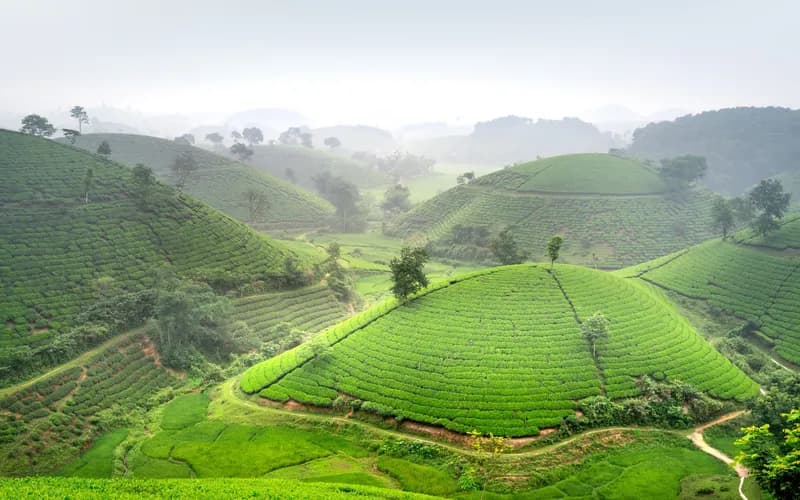
Rising above the plateau, Langbiang Mountain gives Da Lat its horizon and a half-day hike or jeep trip with wide views over the highlands. The mountain is also central to the culture of the K'Ho, one of the ethnic minority groups whose land this is, and a respectful visit to a K'Ho coffee cooperative or village adds a human dimension that the town's colonial gloss can obscure. As always with minority communities, go through people with genuine local ties and treat the visit as an exchange rather than a spectacle.
When to go and how long to stay
Da Lat's spring-like climate holds all year, but the rhythm still matters. The dry season, roughly November to March, brings clear, cool days and cold nights and is the most reliable time for canyoning and hiking. The wet season is greener and quieter, with afternoon downpours that rarely ruin a whole day. Two to three days is the usual recommendation and a fair minimum: one for the town and lake, one for coffee farms or canyoning, and a third to hike Langbiang or simply slow down. Give it longer and it becomes a genuine highland base, which is very much the approach our off-the-beaten-path Vietnam guide encourages.
Getting there and getting around
Da Lat is well connected. Lien Khuong Airport, about 30 kilometres south, links the city to Hanoi, Ho Chi Minh City and other hubs, and the road up from the coast at Nha Trang is one of Vietnam's great mountain drives. Sleeper buses climb from Saigon in six to seven hours. In town, the centre is walkable, and taxis, ride-hailing and rented motorbikes cover the rest, though the hills make cycling hard work. For the wider question of stitching Da Lat into a longer route by bus, train and plane, our guide on how to move through Vietnam lays out the trade-offs.
A slow itinerary for Da Lat
A satisfying three days might look like this. Day one: walk the lake, visit the cathedral and old railway station, ride the heritage train to Trai Mat, and spend the evening among the cafes. Day two: a coffee-farm morning on the Cau Dat plateau or with a K'Ho cooperative, then an afternoon of canyoning or an Easy Rider loop to the waterfalls. Day three: hike Langbiang for the views, browse the night market for highland strawberries and mulled wine, and let the cool evening close the trip gently. Nothing here needs rushing, which is the point.
The flavours of the highlands
Da Lat eats differently from the rest of Vietnam, and that is part of its pleasure. The cool climate fills the markets with produce you will not see elsewhere: strawberries, artichokes, avocados, persimmons and a wall of flowers. Street stalls sell banh trang nuong, the grilled rice-paper "Da Lat pizza", alongside soy milk served hot against the evening chill, hot-pot restaurants that make sense in a way they never do in the lowlands, and mulled wine poured at the night market. Artichoke tea, grown on the surrounding hills, is the local remedy for everything. Eating your way slowly through the night market, layered up against the cold, is one of the simplest and best evenings the town offers, and it pairs well with the wider culinary picture in our guide to Vietnamese food.
Where to base yourself
Accommodation runs from budget guesthouses near the central market to restored French villas and a growing crop of design-led boutique stays and coffee-farm homestays on the edges of town. Staying central keeps the lake, market and cafes on your doorstep and is the easiest choice for a short visit. Staying out among the pines and plantations trades convenience for quiet mornings and mist, and suits anyone treating Da Lat as a base for coffee and hiking rather than a city break. Either way, prices are gentle by the standards of Vietnam's coastal resorts, and a few extra nights cost little.
What to do next
- Block out at least three nights so Da Lat can be a base rather than a stop.
- Choose your season: dry months for canyoning and clear hikes, wet months for green quiet and lower prices.
- Book a coffee-farm visit and, if you want it, a well-reviewed canyoning operator rather than the cheapest option.
- Plan a respectful visit to a K'Ho cooperative or village through people with real local ties.
- Work out how Da Lat fits your wider route using our plan your journey page.
Frequently Asked Questions
How many days should I spend in Da Lat?
Two to three days is the common recommendation and a sensible minimum: one for the town and lake, one for coffee farms or canyoning, and a third for Langbiang or a slower pace. If you treat Da Lat as a highland base rather than a checklist stop, four or five nights are easily filled.
Is Da Lat worth visiting, or is it too touristy?
Da Lat is popular with Vietnamese travellers, which gives it a lively, domestic-tourism character rather than a foreign-resort feel. The cool climate, coffee, colonial architecture and highland scenery make it well worth a few slow days, especially as a contrast to Vietnam's hot lowland cities.
When is the best time to visit Da Lat?
The climate is spring-like all year, staying roughly between 15 and 24 degrees. The dry season from November to March offers the clearest days and coldest nights and is best for canyoning and hiking; the wet season is greener, quieter and cheaper, with short afternoon rains.
Is canyoning in Da Lat safe?
Canyoning is Da Lat's signature adventure, but safety standards vary between operators, and there have been serious incidents over the years. Choose a reputable, well-reviewed company with proper equipment and guides, be honest about your fitness and comfort in water, and never book purely on price.
How do I get to Da Lat?
Lien Khuong Airport, around 30 kilometres away, connects Da Lat to major Vietnamese cities. Sleeper buses run from Ho Chi Minh City in six to seven hours, and the scenic road up from Nha Trang on the coast is a highlight in itself. In town, the centre is walkable, with taxis, ride-hailing and motorbikes for the rest.