Vietnam's Green Turn: Plastic Bans, National-Park Caps and Low-Impact Travel in 2026
For years, Vietnam's environmental reputation lagged behind its beauty: overflowing bins on famous beaches, plastic bags on every purchase, waste bobbing in celebrated bays. In 2026 that is visibly changing. A wave of policy, from single-use plastic bans to daily visitor caps at fragile national parks, is nudging the country toward lower-impact tourism. It is uneven and far from finished, but the direction is real, and it aligns almost perfectly with how a slow traveller already wants to move. Here is what is actually happening, and how to travel with the grain of it.
Vietnam's quiet green pivot
The shift is driven from the top. Vietnam's tourism sector has pledged to eliminate single-use plastics by 2030, and that headline goal sits on top of a stack of concrete, dated rules already coming into force. This is not a vague aspiration but a rolling timetable that touches restaurants, hotels, cruise boats and protected areas in turn. For the visitor, the change is beginning to show up in small, tangible ways: a paper straw here, a refill station there, a park that now asks you to book ahead.
None of this makes Vietnam a model of sustainability overnight. Enforcement varies, and the country's growth pressures are enormous. But the trajectory matters, because it is turning good individual intentions into shared rules, and shared rules are what actually change a destination. It is the same logic that underpins our charter for slow travel: individual restraint helps, but structure is what lasts.
One request. Up to five tailored proposals.
Skip contacting agencies one by one — share your trip once and let up to five trusted Vietnam agencies come to you. Free, with no obligation.
Get my free quotesThe plastic phase-out, on a real timeline
The plastic rules are the most concrete part of the story, and they arrive on a staggered schedule. From October 2025, restaurants and cafes within Hanoi's innermost ring road, including tourist-heavy areas like Hoan Kiem and West Lake, were barred from using single-use plastics such as cups, straws and takeaway containers. From January 2026, hotels and tourist sites must stop handing out single-use plastic toothbrushes, mini shampoo bottles and shower caps. From January 2027, markets and convenience stores are due to end the free distribution of plastic bags, with the wider phase-out targeted for 2030.
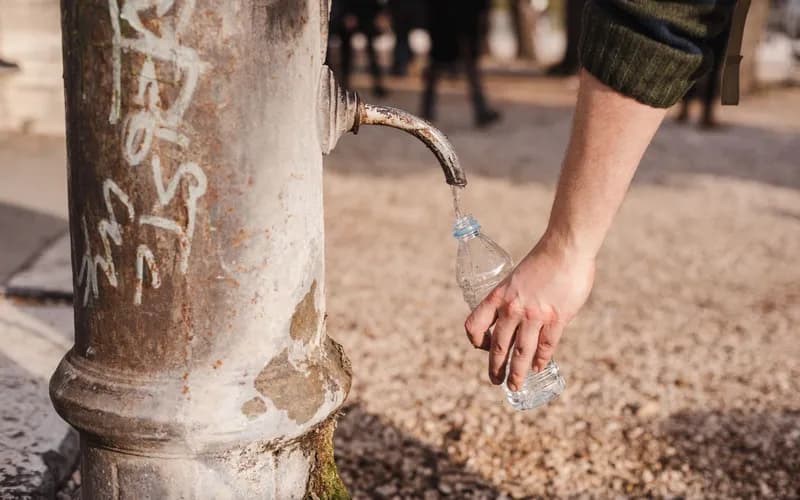
For a traveller, the practical upshot is simple and worth preparing for. Carry a refillable water bottle, a reusable bag and, if you like, your own toothbrush and toiletries, because the little freebies you may expect are disappearing by design. Far from an inconvenience, this is exactly the kit a low-impact traveller already packs, and it will only become more useful as the rules widen.
What changes at the hotel and the restaurant
On the ground, the earliest changes you will notice are at breakfast and check-in. Hotels are swapping mini plastic bottles for refillable dispensers, dropping the plastic-wrapped amenities, and installing water refill points. Cafes in the regulated zones serve in glass, ceramic or paper. It is a modest shift in any single moment, but multiplied across millions of visitors it removes a mountain of waste, and it changes the default so that the sustainable choice is simply the only choice on offer.
The honest caveat is that these rules are city-led and patchy. Hanoi and major sites are ahead; rural areas and small towns lag. A slow traveller moving through the country will pass in and out of the regulated zones, which is all the more reason to carry your own reusables rather than relying on any given place to have caught up.
Get matched with up to 5 trusted Vietnam agencies
- Free
- No obligation
- Up to 5 agencies
Ha Long Bay's clean-up
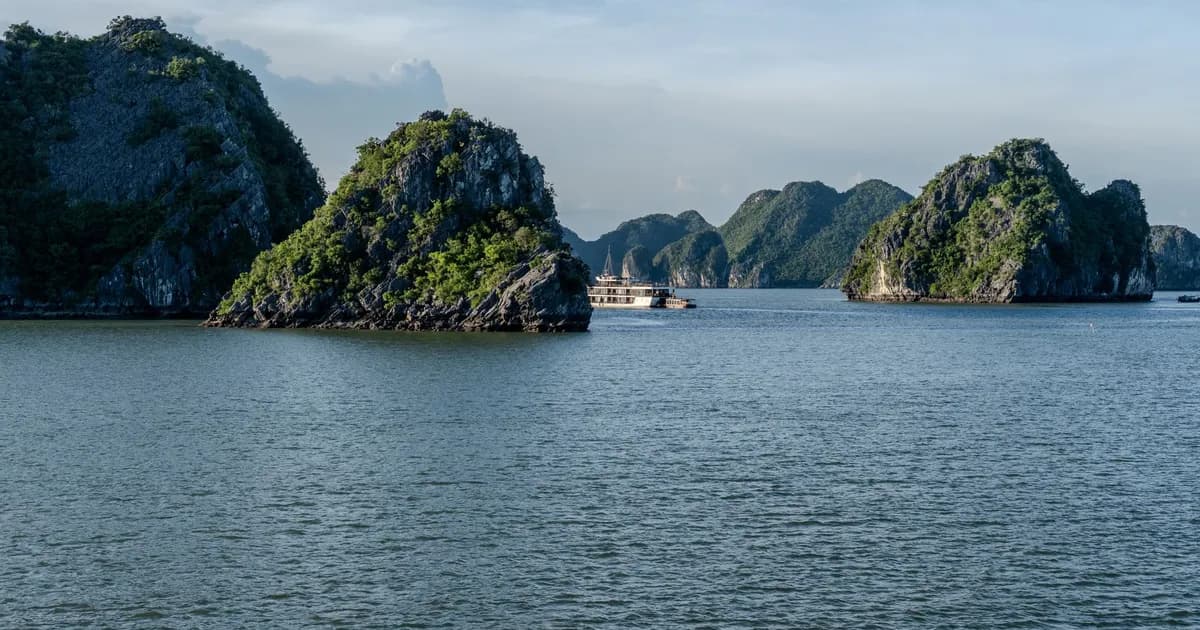
Nowhere shows the stakes more clearly than Ha Long Bay, long both a wonder and a warning about mass tourism's waste. Here the single-use plastic ban applies to the cruise vessels themselves, paired with daily clean-up operations, and testing by Vietnam's environmental monitors in 2025 recorded meaningful improvements in water quality across key areas of the bay. It is a reminder that these rules are not only about optics; they are measurably changing one of the country's signature landscapes.
For visitors this reinforces a point we make often: how you see Ha Long matters as much as whether you see it. Choosing an operator that takes the new standards seriously is central to a responsible visit, which is the whole subject of our guide to choosing a responsible Ha Long Bay cruise.
National parks and daily caps
The second big lever is access. Vietnam's national parks and nature reserves are being given stronger protection, with popular sites such as Phong Nha-Ke Bang, Ba Be and Cat Tien now more tightly managed through limits on daily entries and designated eco-friendly trekking routes. The logic is straightforward: a cave system or a forest lake can only absorb so many feet before it degrades, and capping numbers protects both the place and the quality of the visit.
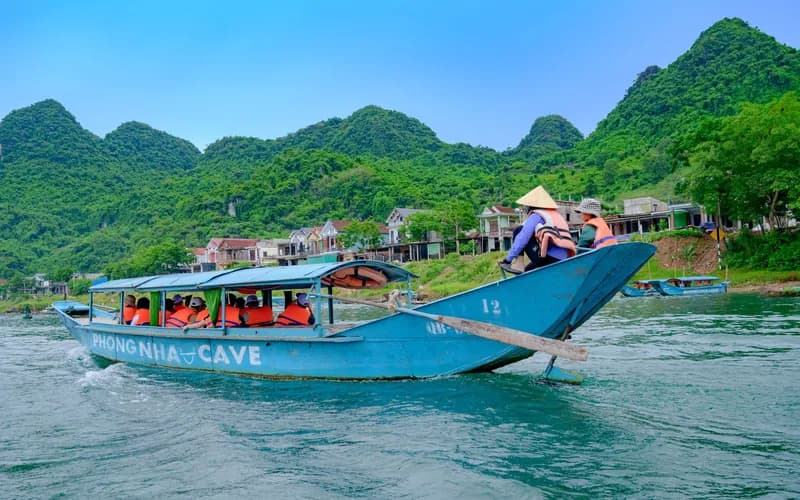
For the traveller, the message is to plan ahead. Spontaneity has always been part of the joy of slow travel, but at capped sites you may now need to book a permit or a slot in advance, especially in peak months. The trade is worth it: a quieter trail and a healthier ecosystem. The gentle, low-volume rhythm of a place like Ba Be Lake and its national park is precisely what these caps are designed to preserve.
Cat Ba and the model of managed tourism
Cat Ba, the gateway island to Lan Ha Bay, is emerging as a test case for what managed, greener tourism looks like. Development plans there pair a single-use plastic ban with advanced waste and wastewater systems and incentives such as free cable-car rides for residents who give up carbon-emitting personal vehicles. Whether the island fully delivers on these promises remains to be seen, and large development always carries its own environmental risks, but the ambition to design tourism around low impact rather than bolt it on afterwards is the significant thing.
What this means for a slow traveller
Step back and the pattern is encouraging. The country's own policy is pushing toward fewer plastics, capped crowds at fragile sites, and operators held to higher standards. That is essentially the world a thoughtful traveller was already trying to create one decision at a time. The difference now is that the rules are doing some of the work, which makes the low-impact choice easier and more normal. It also rewards exactly the habits that define slow travel: staying longer in fewer places, choosing quality operators, and treating access to fragile landscapes as a privilege to be earned rather than a right to be consumed. This is the same current we track in our piece on how travellers are rewriting Vietnam's map.
How to travel with the grain of the change
The easiest way to support this shift is to anticipate it. Pack reusables, book capped sites early, and choose accommodation and cruise operators that have genuinely adopted the new standards rather than greenwashed around them. Spread your time and money into quieter regions and shoulder seasons, where your presence is an asset rather than a strain. And keep a sense of proportion: the goal is not perfection but direction, both for the country and for you. Conservation-minded destinations like Con Dao show how rewarding travel becomes when protection comes first.
The bigger picture: growth versus green
Vietnam is trying to do two things at once that pull in opposite directions: grow tourism aggressively toward record arrivals, and clean up the environmental cost of that growth. The tension is real. New airports, expressways and mega-resorts are rising even as plastic bans and park caps come in, and some large developments carry serious ecological risks of their own. It would be naive to present the green turn as an unqualified success; it is a set of policies pushing against a powerful growth machine. But the fact that the two agendas now sit at the same table is itself progress. A decade ago, the environmental side had almost no leverage; today it writes binding rules. For the traveller, the honest takeaway is to support the greener choices where they exist without pretending the whole picture is solved, and to read a destination's claims with a clear eye.
Reading greenwash from the real thing
As sustainability becomes a selling point, greenwash follows close behind. A cruise boat can advertise "eco" while dumping greywater at night; a resort can market a beach clean-up while paving a wetland. The way to tell the difference is to look for specifics rather than adjectives: a named waste system, a stated visitor cap, refill stations you can actually see, staff who can explain the policy. Independent certifications and detailed, verifiable claims mean more than a green leaf on a website. A little scepticism here is not cynicism; it is how you direct your money toward the operators genuinely doing the work, and away from those merely describing it.
What to do next
- Pack a refillable water bottle, a reusable bag and your own toiletries before you arrive; the freebies are being phased out.
- For national parks like Phong Nha, Ba Be and Cat Tien, check for daily caps and book permits or slots ahead in peak months.
- Choose Ha Long and Lan Ha cruise operators that have adopted the plastic ban and waste rules, not just marketed around them.
- Weight your itinerary toward quieter regions and shoulder seasons where your spending helps rather than strains.
- Use our plan your journey page to build a route that respects the new caps and rhythms.
Frequently Asked Questions
Is Vietnam really banning single-use plastics?
Yes, on a staggered timeline. Hanoi's central restaurants and cafes stopped using single-use plastics from October 2025, hotels and tourist sites must drop plastic toothbrushes, mini bottles and shower caps from January 2026, and markets are due to end free plastic bags from 2027, with a wider phase-out targeted for 2030.
What should I pack because of the plastic rules?
Bring a refillable water bottle, a reusable shopping bag and your own toiletries, including a toothbrush, since hotels are no longer required to provide the small plastic amenities travellers once expected. These items are useful everywhere and increasingly necessary as the rules widen across the country.
Do I need to book national parks in advance now?
At the more fragile and popular sites, increasingly yes. Parks such as Phong Nha-Ke Bang, Ba Be and Cat Tien are managing access with daily visitor caps and set trekking routes, so booking a permit or time slot ahead, particularly in peak season, is the safe approach.
Has Ha Long Bay actually got cleaner?
Monitoring in 2025 recorded measurable improvements in water quality across key parts of the bay, attributed to the single-use plastic ban on cruise vessels and regular clean-up operations. It is progress rather than a finished job, and choosing a responsible operator remains an important part of visiting well.
Does this make travel in Vietnam more expensive or difficult?
Only marginally, and mostly in convenience rather than cost. You may need to plan park visits ahead and carry your own reusables, but the changes largely formalise habits that low-impact travellers already keep. In return you get cleaner sites, quieter trails and a destination taking better care of itself.