Vietnam's High-Speed Rail Dream: What the North-South Line Means for Slow Travel
Vietnam has committed to one of the most ambitious infrastructure projects in its history: a high-speed railway running the length of the country, from Hanoi to Ho Chi Minh City, at speeds that would collapse a journey of days into a matter of hours. For a nation whose railways have long been synonymous with unhurried, rattling romance, it is a startling change of gear. And it raises a question worth sitting with: what does a bullet train mean for a country that slow travellers have come to love precisely because it is not in a hurry?
The short answer is that the change is real but distant, and that the Vietnam a slow traveller cherishes is not going anywhere soon. But the project is a window onto where the country sees itself heading, and it is worth understanding both for what it will eventually do and for what it reveals now.
What Vietnam approved, in numbers
The scale is hard to overstate. In late 2024 Vietnam's National Assembly approved the investment policy for a North-South high-speed railway stretching roughly 1,541 kilometres along the spine of the country, with a designed top speed of 350 kilometres an hour. The headline cost is on the order of 65 billion US dollars, making it comfortably the largest single infrastructure undertaking Vietnam has ever attempted. The plan envisages the line calling at some 23 passenger stations, linking the two great cities and the string of coastal provinces between them.
The timeline is the part most often misread. The government is targeting a groundbreaking by the end of 2026, with contractor selection and survey work running through the year. Full completion and operation are targeted for 2035. In other words, this is a project measured in decades, not seasons. Anyone planning a trip in the next several years will travel a Vietnam in which the bullet train exists only on drawing boards and construction sites.
One request. Up to five tailored proposals.
Skip contacting agencies one by one — share your trip once and let up to five trusted Vietnam agencies come to you. Free, with no obligation.
Get my free quotesA country in a hurry to slow down?
There is an irony in the timing. Even as Vietnam lays plans for 350-kilometre-an-hour trains, its own travel culture has been moving the other way, towards slower, deeper, more deliberate journeys. The heritage railway has enjoyed a quiet revival among travellers rediscovering the pleasures of the sleeper and the scenic coastal run, a trend we explore in Vietnam's slow-rail revival. The two impulses are not really in conflict; they serve different needs.
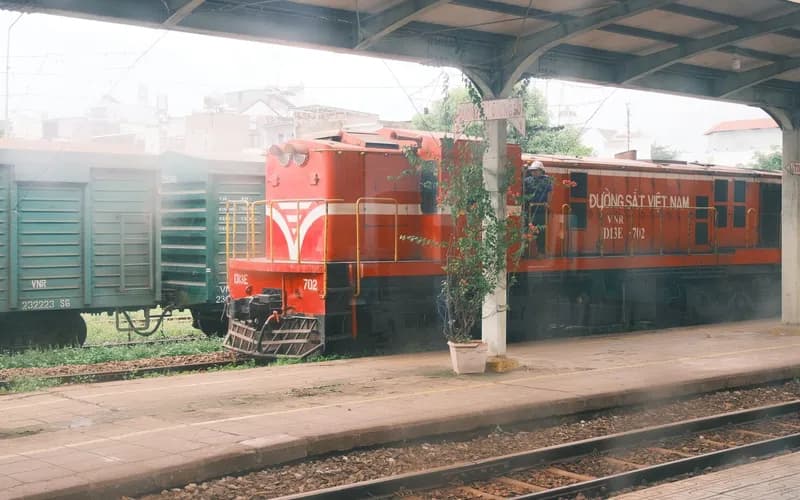
A high-speed line is built for commuters and businesspeople who need to be in Da Nang by lunchtime, and for a domestic economy that wants its regions stitched together. It is infrastructure, not tourism. The slow journey, by contrast, is a choice, and choices multiply rather than disappear when a faster option arrives. In countries that already have high-speed rail, the scenic slow lines did not vanish; they became a different kind of pleasure, taken deliberately by those who wanted the view rather than the speed. Vietnam is likely to follow the same pattern.
What it will change, and when
When it finally runs, the high-speed line will genuinely reshape the map. A journey that today takes well over thirty hours by conventional train, Hanoi to Ho Chi Minh City, could shrink to a handful of hours. The intermediate stops, Vinh, Hue, Da Nang, Nha Trang and the rest, would come within easy day-trip reach of one another, changing how Vietnamese people move around their own country and how the tourism economy distributes its visitors.
But that is a 2035 story at the earliest, and large rail projects have a way of slipping. For the traveller planning a trip this year, next year, or several years out, the practical reality is unchanged: you will move around Vietnam on the existing network of conventional trains, buses, flights and the new expressway. If you are weighing those options, our guide to choosing between train, flight and sleeper bus covers what actually works on the ground today.
Get matched with up to 5 trusted Vietnam agencies
- Free
- No obligation
- Up to 5 agencies
The line that already carries the romance
It is worth remembering what the high-speed line would eventually run alongside. The existing North-South railway, the Reunification Express, is one of the world's great slow journeys: a single-track line hugging the coast, threading rice paddies and fishing villages, climbing the spectacular Hai Van Pass between Hue and Da Nang where the track clings to cliffs above the sea. It is slow, it is old, and that is the entire point.
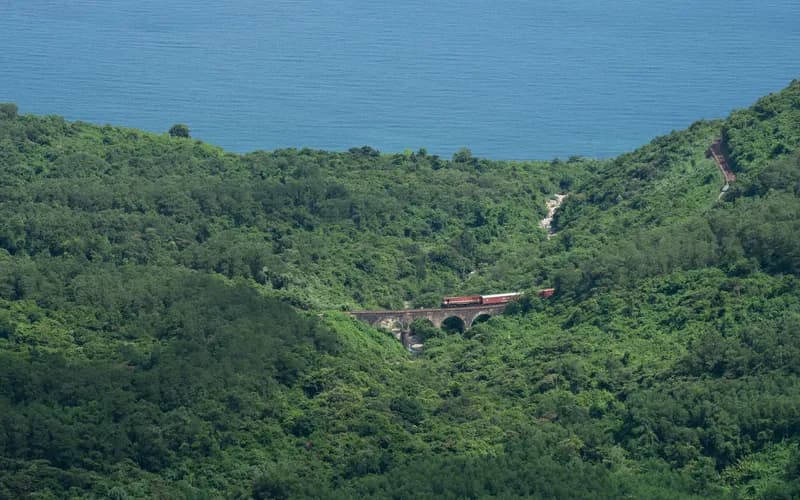
This is the Vietnam that rewards patience, and no bullet train will replace it for the traveller who wants to watch the country unspool through a carriage window. If anything, the arrival of a fast alternative may relieve the old line of its commuters and leave it freer for those who ride it for love rather than necessity. For the slow traveller, that is a quietly appealing prospect, and it sits at the heart of the unhurried approach our ultimate slow-travel guide to Vietnam sets out.
What it means for slow travellers now
For the present, the honest guidance is simple: enjoy the news, but plan around reality. Do not build an itinerary hoping to catch a bullet train that will not run for years. Do treat the project as a signal of a country investing heavily in movement and connection, which over time will make even its quieter corners more reachable. And do consider that the years before the high-speed line opens may be a golden window, a chance to experience the slow, coastal, conventional Vietnam before the pace of the country accelerates.
There is a deeper point here about how a place changes. Infrastructure of this scale eventually transforms not just journey times but the character of the towns along the route, drawing development to the new stations and altering the rhythm of places that are, for now, wonderfully unhurried. The slow traveller who visits in the interim sees a Vietnam that will, in time, become harder to find. That is not a reason for anxiety, but it is a reason to go while the going is slow.
The bigger infrastructure picture
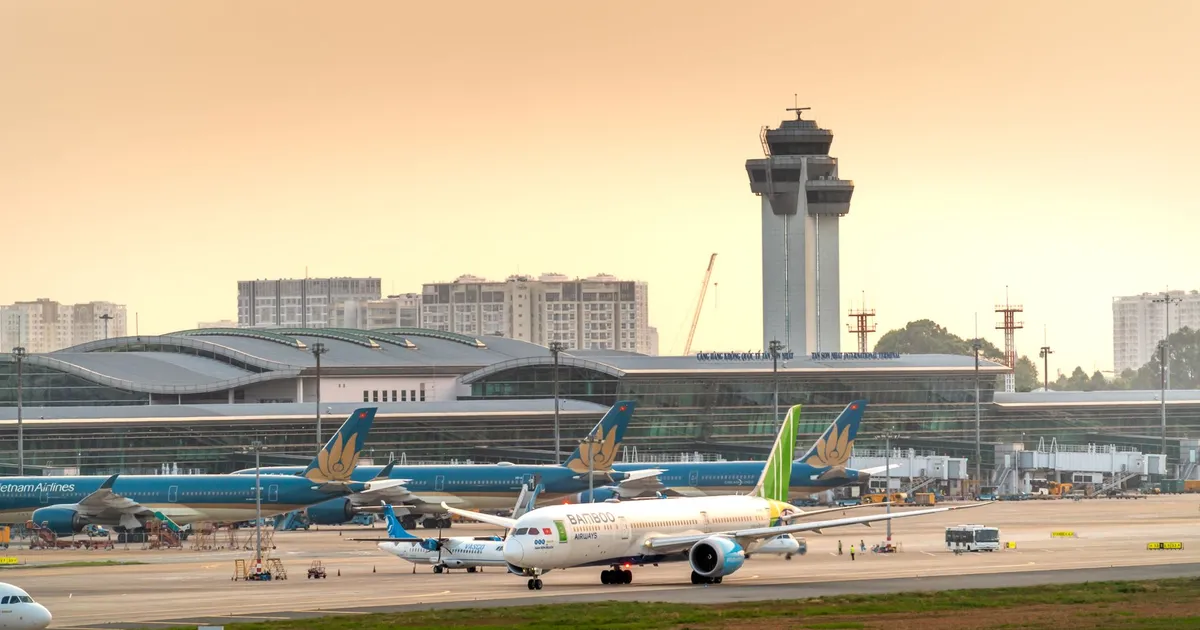
The high-speed railway does not stand alone. It is one piece of a wider building boom that is quietly rewiring how Vietnam moves: a new North-South expressway steadily knitting the country together by road, major new airports, and urban metro lines opening in the big cities. Together they mark a decade in which Vietnam is investing in connection on a scale it has never managed before, and the cumulative effect on travel will be larger than any single project.
For the traveller, the relevant part of this is the road network, which is already changing journeys today in a way the railway will not for years; our guide to Vietnam's North-South expressway covers what has actually opened. The high-speed dream, by contrast, belongs to the next decade. Knowing the difference is the key to planning a trip around what exists rather than what is promised, and a specialist on our Vietnam plan-your-journey page can help you build around today's real network.
Lessons from the countries that went fast first
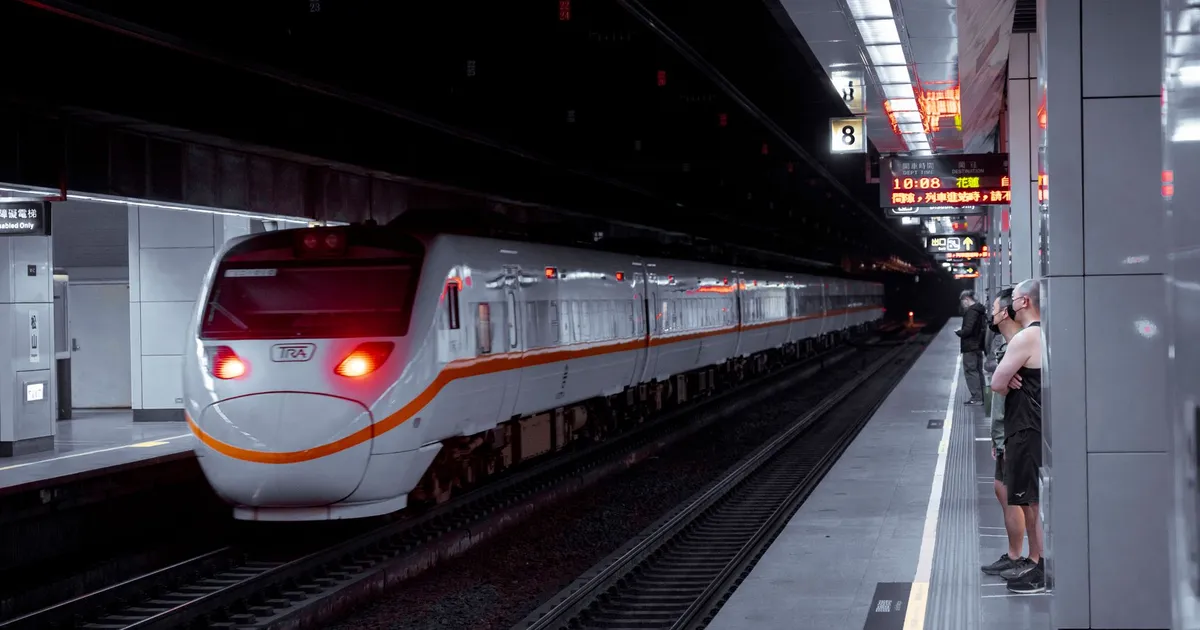
Vietnam is not the first country to lay a high-speed line over an older, slower network, and the experience elsewhere is reassuring for anyone who fears the fast train will erase the slow one. In Japan, the shinkansen has run for sixty years, yet the country's rural and scenic lines survive and are celebrated, some marketed precisely for their leisurely charm. In much of Europe, high-speed services carry the business traveller between capitals while regional and heritage railways carry those with time to spare and a window to gaze from. The two coexist because they answer different questions.
What tends to happen is a sorting of purpose. The fast line absorbs the people who were only ever enduring the slow one: the commuters, the time-pressed, the reluctant. What remains on the old route is a self-selected company of travellers who chose it, which often makes the slow journey more pleasant, not less. There is every reason to expect Vietnam to follow this well-worn track. The Reunification Express is unlikely to be a casualty of the bullet train; it is more likely to become what scenic slow lines become everywhere, a journey taken on purpose. For the slow traveller, the lesson from abroad is simple: the arrival of speed rarely kills the pleasure of slowness. It just makes choosing slowness a clearer, more deliberate act.
What to Do Next
- Plan your trip around the existing network, not the high-speed line, which will not carry passengers until the mid-2030s at the earliest.
- Ride the Reunification Express for the coastal scenery, especially the Hai Van Pass, while it remains the main north-south rail journey.
- Watch the 2026 groundbreaking as a signal of Vietnam's direction, not as a date that affects your itinerary.
- Weigh trains, flights, the expressway and sleeper buses for getting around today.
- Consider that the coming years are a window to see the slow, coastal Vietnam before the country speeds up.
Frequently Asked Questions
Is Vietnam's high-speed rail running yet?
No. The North-South high-speed railway was approved in principle in late 2024, with a groundbreaking targeted for the end of 2026 and full operation aimed at around 2035. For any trip in the next several years, you will travel on the existing conventional network.
How long will the high-speed line be and how fast?
The approved line runs roughly 1,541 kilometres from Hanoi to Ho Chi Minh City, designed for speeds up to 350 kilometres an hour, with around 23 passenger stations. Its estimated cost is on the order of 65 billion US dollars, Vietnam's largest infrastructure project to date.
Will the high-speed train replace the Reunification Express?
No. The high-speed line is separate infrastructure built for speed, while the existing Reunification Express is a scenic conventional railway. The old line is expected to keep running, and for slow travellers it remains the more rewarding journey.
Should I wait for the bullet train to visit Vietnam?
There is no reason to wait, and good reason not to. The high-speed line is years away, and the current slow, coastal Vietnam is arguably at its most rewarding now, before large-scale change reaches the towns along the route.
How will the high-speed railway change travel in Vietnam?
Eventually it could cut the Hanoi to Ho Chi Minh City journey from more than a day to a few hours and bring the coastal cities within day-trip range of each other. But those effects belong to the 2030s; for now the impact on travellers is essentially nil.
What is actually changing Vietnamese travel right now?
The more immediate changes are on the roads and in the cities: the new North-South expressway, expanded airports and opening metro lines. These are reshaping journeys today in a way the high-speed railway will not for years.