How to Plan a Malaysia Trip Around Ramadan and the Festival Calendar
Malaysia runs on at least four calendars at once. The Gregorian one governs offices and flights. The Islamic one moves Ramadan and the two Hari Raya festivals about eleven days earlier every year. The Chinese lunisolar calendar sets the New Year somewhere between late January and late February. The Hindu calendar places Thaipusam and Deepavali. On top of that sit the harvest festivals of Sabah and Sarawak, thirteen sets of state holidays, and school terms that empty the cities into the hills and out to the islands. Most travellers discover all of this by accident, usually in the form of a sold-out train or a closed restaurant. Understood in advance, the same calendar becomes one of the most rewarding things about travelling here slowly.
Why the Malaysian Calendar Moves
The single most useful thing to grasp is that the Muslim holidays are not fixed to a season. The Islamic year is roughly eleven days shorter than the Gregorian one, so Ramadan drifts steadily backwards through the seasons. That means advice you read about Malaysian travel from five years ago may put Ramadan in an entirely different month from the one it now occupies.
For the period just ahead: Ramadan is expected to begin around 8 February 2027, with Hari Raya Aidilfitri falling on 10 and 11 March 2027. Both dates depend on the sighting of the new moon and are officially treated as subject to change, so they can shift by a day in either direction. Chinese New Year falls on 6 and 7 February 2027, which means the start of Ramadan and the Chinese New Year holiday will land within days of each other — an unusual convergence that will make that fortnight the busiest domestic travel period of the year.
Because so much depends on how a particular community observes a date, it is worth reading our notes on travelling Malaysia respectfully alongside this piece. The calendar is the logistics; etiquette is what makes the logistics worth planning for.
One request. Up to five tailored proposals.
Skip contacting agencies one by one — share your trip once and let up to five trusted Malaysia agencies come to you. Free, with no obligation.
Get my free quotesThe Fixed Points and the Moving Ones
A rough map of the year, with the caveat that the lunar dates move:
- Thaipusam — Hindu, late January or February. In 2027 it falls on 22 January. Observed as a public holiday in some states but not in Kelantan, Melaka, Pahang, Perlis, Sabah, Sarawak, Terengganu or Labuan. The Batu Caves procession is the largest single religious gathering in the country.
- Chinese New Year — two days, late January to late February. 6 and 7 February in 2027.
- Ramadan — a full month, beginning around 8 February 2027 and moving earlier each year.
- Hari Raya Aidilfitri — two days at the end of Ramadan, 10 and 11 March in 2027, and in practice a full week of national disruption.
- Wesak — Buddhist, 20 May 2027.
- Kaamatan — the Kadazandusun harvest festival, 30 and 31 May, a public holiday in Sabah and Labuan.
- Gawai Dayak — the Dayak harvest festival, 1 and 2 June, a public holiday in Sarawak.
- Hari Raya Aidiladha — roughly ten weeks after Aidilfitri, much quieter in travel terms.
- Deepavali — Hindu, usually October or November, one day nationally except in Sarawak.
- Merdeka Day and Malaysia Day — 31 August and 16 September, fixed, and both generate long weekends.
Always confirm dates against an official Malaysian holiday calendar in the year you travel. The lunar entries in particular are regularly published as provisional.
Travelling During Ramadan: What Actually Changes
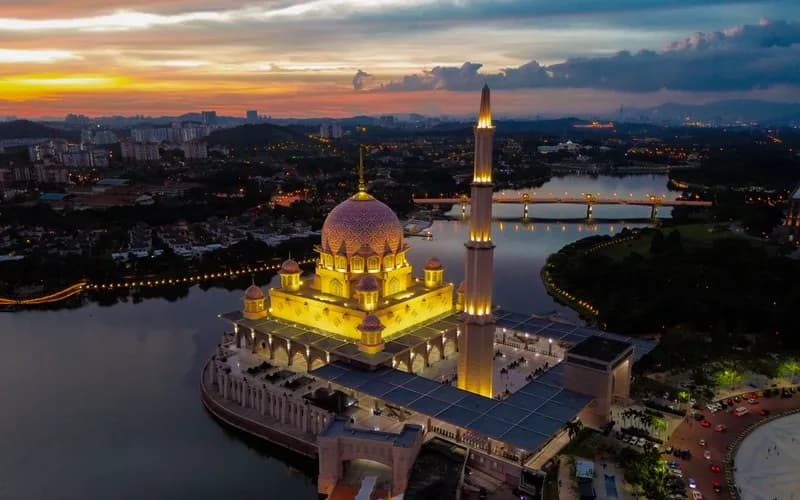
Ramadan is the period travellers worry about most and, in Malaysia specifically, worry about disproportionately. This is a multi-faith country where around a third of the population is not Muslim, and daily life does not stop. Restaurants in Chinese and Indian neighbourhoods stay open. Hotels serve breakfast. Shops, transport and attractions run normally.
What does change is texture. Many Malay-run eateries close during daylight hours or shift to takeaway only. Some government offices and businesses work shortened days. The atmosphere in the afternoon is quieter and slightly subdued, and then, about an hour before sunset, the whole country reorganises itself around the breaking of the fast.
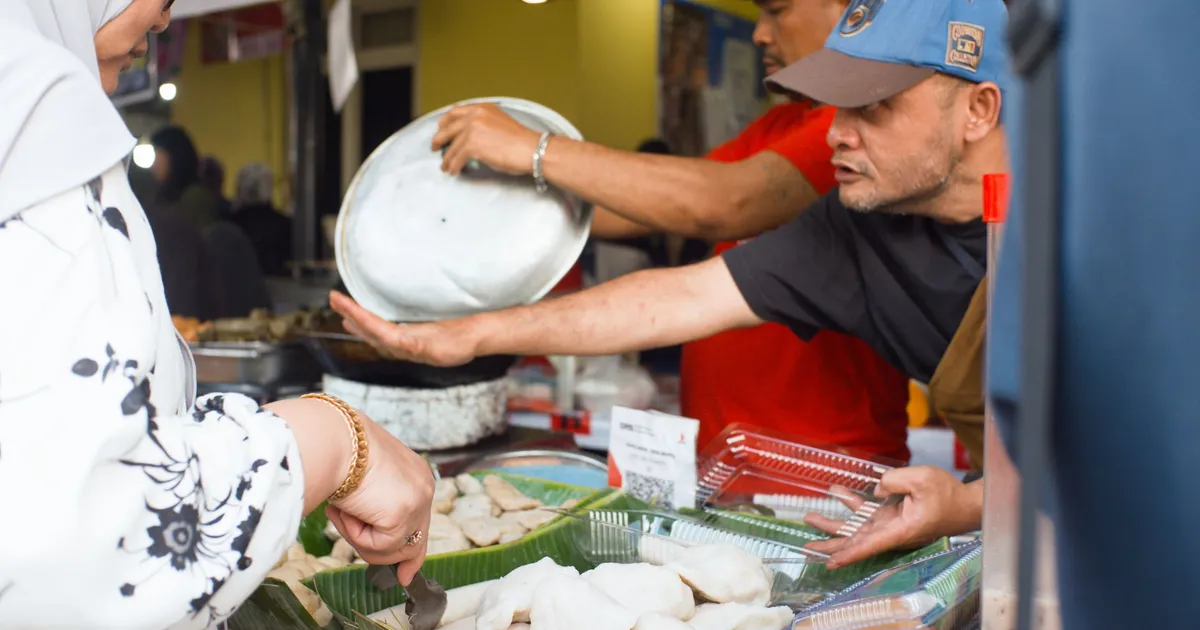
That hour is the reason to come. The Ramadan bazaar, or bazar Ramadan, is the best street-food event in the Malaysian year: hundreds of stalls selling ayam percik, murtabak, nasi kerabu, kuih, sugarcane juice and dishes you will not find at any other time. They set up in the mid-afternoon in every town and are open to everyone. Buy early, eat after sunset or take your food away, and do not eat or drink conspicuously in the street while people around you are still fasting. Our guide to Malaysian food covers what to look for at the stalls.
The other change worth knowing: hotels and restaurants run buka puasa buffets that are often excellent value and heavily booked by local families. Reserve a couple of days ahead if you want one.
Get matched with up to 5 trusted Malaysia agencies
- Free
- No obligation
- Up to 5 agencies
The Week Around Hari Raya: The One to Plan Hard
If there is a single period to plan around rather than through, it is the week bracketing Hari Raya Aidilfitri. The balik kampung exodus — millions of people returning to their home villages — is the largest annual movement of people in the country.
In practical terms: intercity trains and buses sell out weeks ahead, domestic flights rise sharply in price, the north-south highway can be gridlocked for hours, and in the two days either side of Raya itself a great many restaurants, shops and small businesses close entirely, including in Kuala Lumpur. Cities empty out; villages and small towns fill up.
None of this makes travel impossible, and the first two days of Raya in a quiet city are a genuinely strange and lovely experience. But it requires decisions in advance. Either book your long-distance transport six to eight weeks ahead, or choose to stay put somewhere for the whole week.
The other option, if you can arrange it, is to be somewhere that welcomes visitors into the celebration. The open house tradition — rumah terbuka, where households receive friends, neighbours and sometimes strangers for food — is one of the most generous things about Malaysian public life. A kampung homestay booked well in advance can put you inside that rather than outside it.
The Other Festivals Worth Arriving For
Hari Raya dominates the calendar, but several other dates are worth building a trip around.
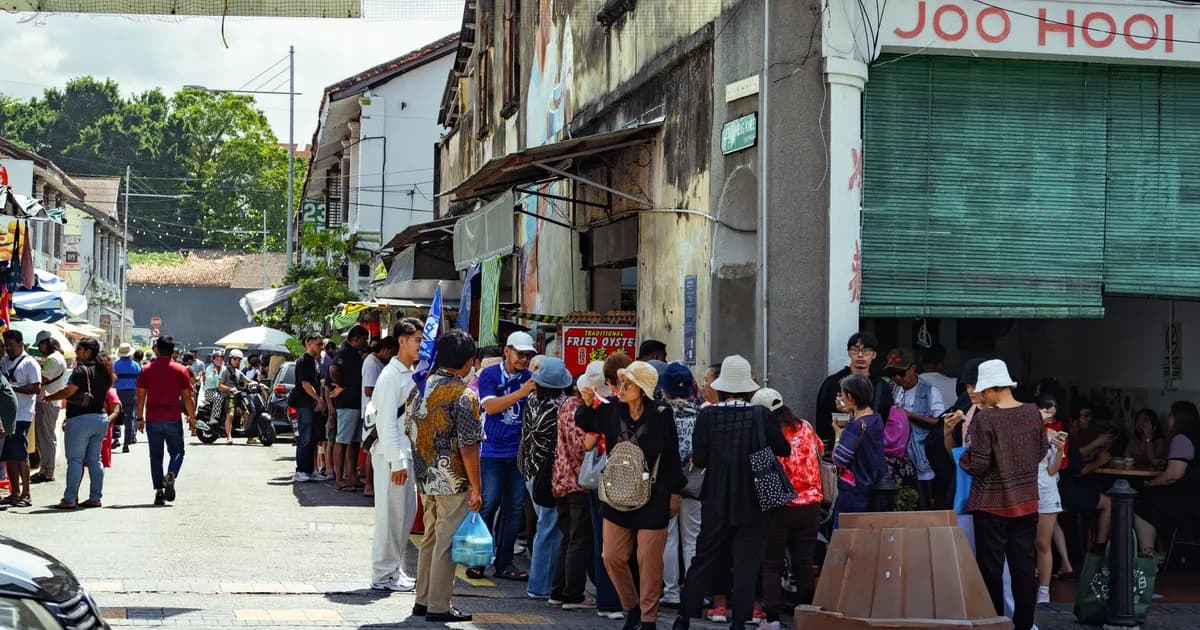
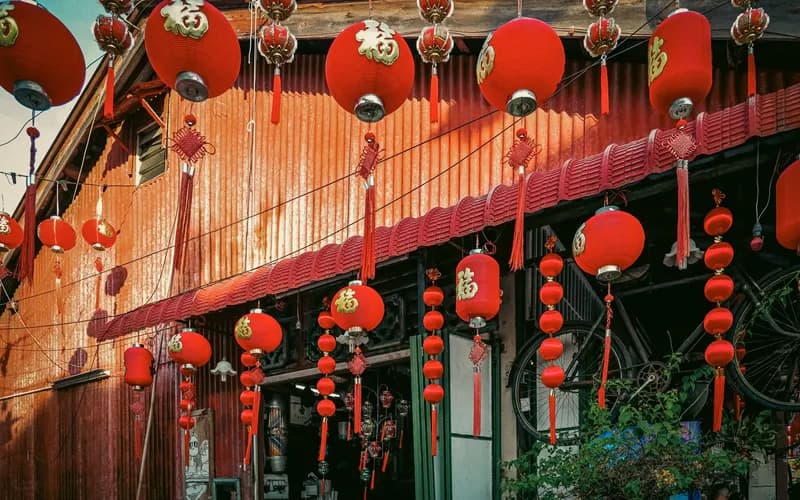
Chinese New Year transforms George Town, Ipoh, Melaka and Kuala Lumpur's older districts: lion dances, temple crowds, reunion dinners, and again a wave of closures as family businesses shut for several days. Penang in particular is spectacular and extremely busy. Thaipusam at Batu Caves, with the pre-dawn procession from the city and the kavadi carriers climbing the 272 steps, is intense, enormous and not something to attempt casually — go very early and expect crowds measured in the hundreds of thousands.
In Borneo, Kaamatan in Sabah at the end of May and Gawai Dayak in Sarawak at the start of June run back to back, and together they make late May and early June one of the best windows for a Borneo trip. Both are harvest festivals with music, rice wine, longhouse visits and open invitations that are meant sincerely. Accommodation in Kuching and Kota Kinabalu tightens during them, but nothing like the Hari Raya squeeze.
Deepavali brings kolam floor art, oil lamps and open houses to Brickfields, Little India in George Town and across the peninsula. It is a one-day public holiday and causes far less travel disruption than the two big ones.
Regional Differences: East Coast, Borneo and the Friday Weekend
Malaysia is not uniform, and the calendar lands differently depending on where you are.
Kelantan and Terengganu observe the weekend on Friday and Saturday rather than Saturday and Sunday, as do Johor and Kedah. If you are dealing with offices, banks or ferry schedules on the east coast, that shift matters. These states are also the most observant during Ramadan, with considerably more daytime closures than you will find in Kuala Lumpur or Penang, and in some areas eating in public during fasting hours is explicitly discouraged.
The east coast has a second complication: the northeast monsoon, roughly November to February, when the Perhentians, Redang and much of Tioman close down. That season increasingly overlaps with Ramadan as the Islamic calendar drifts earlier, which is worth checking against how to choose your Malaysian island before you commit to a coast.
Sabah and Sarawak have their own public holiday lists, their own Muslim, Christian and indigenous communities, and a generally more relaxed rhythm during Ramadan. Sarawak does not observe Deepavali. Both observe their harvest festivals, which the peninsula does not.
Booking, Transport and Money Around the Peaks
A few concrete habits make peak periods manageable.
Book intercity trains as soon as the booking window opens — ETS seats for holiday periods disappear quickly, and the KTM system typically opens sales around a month or two ahead. Domestic flights around Raya and Chinese New Year should be bought early or not at all; last-minute fares can triple. Accommodation in destination towns, as opposed to origin cities, is the tight one: Langkawi, the Cameron Highlands and Port Dickson fill first.
Carry more cash than usual around the major holidays. Small businesses close, ATMs in small towns run dry, and while e-wallets are near-universal in the cities, the coverage thins in villages exactly when you need it most. Our notes on how to pay in Malaysia go through the practicalities.
Finally, build slack into the itinerary. A holiday week is not the time for a tight three-city run. It is the time to be somewhere for six nights and let the week happen around you, which is close to the ideal way to travel here anyway.
What to Do Next
- Look up the official Malaysian public holiday calendar for your travel year, and note both federal and state holidays for the states on your route.
- Identify whether your dates overlap Ramadan, the Hari Raya week, or Chinese New Year, and decide deliberately whether to lean into them or sidestep them.
- If you will be travelling during the Raya week, book all long-distance transport six to eight weeks ahead, or plan to stay in one place for the duration.
- If Ramadan overlaps your trip, look up the local bazar Ramadan wherever you are staying and go at least once, arriving around an hour before sunset.
- Check whether your destination state observes a Friday and Saturday weekend, and adjust any plans involving offices, banks or government-run sites.
- For Borneo, aim at late May and early June if you want Kaamatan and Gawai, and book accommodation in Kota Kinabalu or Kuching ahead of those weeks.
- If you would rather have someone else navigate the calendar, our list of Malaysia travel agencies includes operators who plan around it routinely.
Frequently Asked Questions
Is it a bad idea to visit Malaysia during Ramadan?
No. Malaysia is a multi-faith country and daily life continues largely as normal, particularly in Kuala Lumpur, Penang and Borneo. Some Malay-run restaurants close during daylight, and the pace is quieter in the afternoon, but attractions, transport and non-Muslim eateries operate as usual. The Ramadan bazaars alone make it a rewarding month to be in the country.
Can I eat and drink in public during Ramadan in Malaysia?
Legally yes, as a non-Muslim, and in cities nobody will trouble you. The courteous approach is discretion: eat inside cafés and food courts rather than on the street, and avoid drinking conspicuously in front of people who are fasting. In Kelantan and Terengganu, where observance is strongest, discretion matters considerably more than it does in Kuala Lumpur.
When exactly is Hari Raya Aidilfitri?
It falls on 10 and 11 March in 2027, at the end of Ramadan, though the date depends on the sighting of the new moon and is published as provisional until confirmed. Because the Islamic calendar is shorter than the Gregorian one, the festival moves roughly eleven days earlier each year. Always check the official calendar for your travel year.
Will everything be closed during Hari Raya?
Not everything, but a great deal. Expect many restaurants, shops and family businesses to close for two to four days around the festival, including in the capital. Hotels, large malls, convenience chains and public transport continue to operate, though on reduced holiday schedules. Plan food and cash for the first two days in particular.
What is the busiest travel period in Malaysia?
The week around Hari Raya Aidilfitri, without close competition. Chinese New Year is the second busiest, followed by the mid-year and end-of-year school holidays. In 2027 the two largest peaks fall unusually close together, with Chinese New Year in early February and Ramadan beginning days later.
Are festivals in Malaysia open to visitors?
Broadly, yes, and often actively so. Ramadan bazaars, open houses at Hari Raya and Deepavali, Kaamatan in Sabah and Gawai in Sarawak all welcome outsiders. Religious ceremonies deserve more care: dress modestly, ask before photographing people, follow whatever the crowd around you is doing, and stay out of the way at Thaipusam, which is a devotional event rather than a spectacle.
Which months are quietest for travel in Malaysia?
Outside the major festivals and school holidays, most of the year is quiet midweek. Historically calm windows include late January before Chinese New Year, parts of April and May, and September and early October, though these shift as the lunar dates move. The reliable rule is to check the holiday calendar for your year rather than trusting a fixed month.