Siquijor: The Philippines' Island of Healers, Waterfalls and Slow Days
Some islands sell themselves on nightlife and crowds; Siquijor sells itself on the opposite. This small island in the central Philippines, long wrapped in a reputation for folk magic and healing, is one of the country's most beguiling slow-travel destinations precisely because it has resisted the fate of its more famous neighbours. Here you find quiet roads winding past old churches and mango groves, waterfalls hidden in the forest, empty beaches for sunset swims, and a pace of life that seems to belong to another era. For the traveller who wants an island to sink into rather than tick off, Siquijor is a small marvel.
The island's mystique is part of its charm. For generations Siquijor has been known across the Philippines as a place of healers and folk beliefs, a reputation that once kept many Filipinos away and, happily for the slow traveller, helped keep it quiet. That aura still lingers, adding a gentle intrigue to a place that is, in daily reality, wonderfully relaxed, friendly and easy to explore. It is an island best measured in slow mornings and unhurried loops rather than a packed itinerary.
Where Siquijor is and how to reach it
Siquijor is a compact island province in the Central Visayas, lying just off the larger island of Negros and easily reached by ferry from the university town of Dumaguete, a short crossing away. That accessibility, combined with its small size, makes it an ideal slow-travel base: you can arrive without a long journey, then settle in and explore at leisure. The whole island can be circled by road in a matter of hours, but the point is not to rush the loop; it is to stop often and linger.
Because it sits just off a well-connected hub, Siquijor slots neatly into a wider Visayas itinerary without demanding a major detour. It rewards being treated as a destination in its own right rather than a quick day trip, and a stay of several days lets the island's rhythm work on you. If you are piecing together an island route, our guide on how to island-hop the Philippines slowly explains how to build in the buffer time that a place like this deserves.
One request. Up to five tailored proposals.
Skip contacting agencies one by one — share your trip once and let up to five trusted Philippines agencies come to you. Free, with no obligation.
Get my free quotesThe mystique: healers and folklore
No account of Siquijor is complete without its famous reputation for the mystical. The island has a long tradition of folk healing, with practitioners known for herbal medicine, rituals and the making of traditional remedies, and this heritage is woven into the island's identity. During Holy Week in particular, the tradition comes to the fore, when healers gather to prepare their remedies in a centuries-old ritual that draws the curious from across the country.
For the visitor, this heritage is best approached with respect and an open mind rather than as a spooky gimmick. You can visit healers, learn about traditional herbal medicine, and understand a living folk culture that has survived into the modern age, all as part of engaging genuinely with the island rather than caricaturing it. It is a reminder that Siquijor's appeal runs deeper than its beaches; it has a distinctive cultural soul.
Waterfalls, springs and the island's green heart
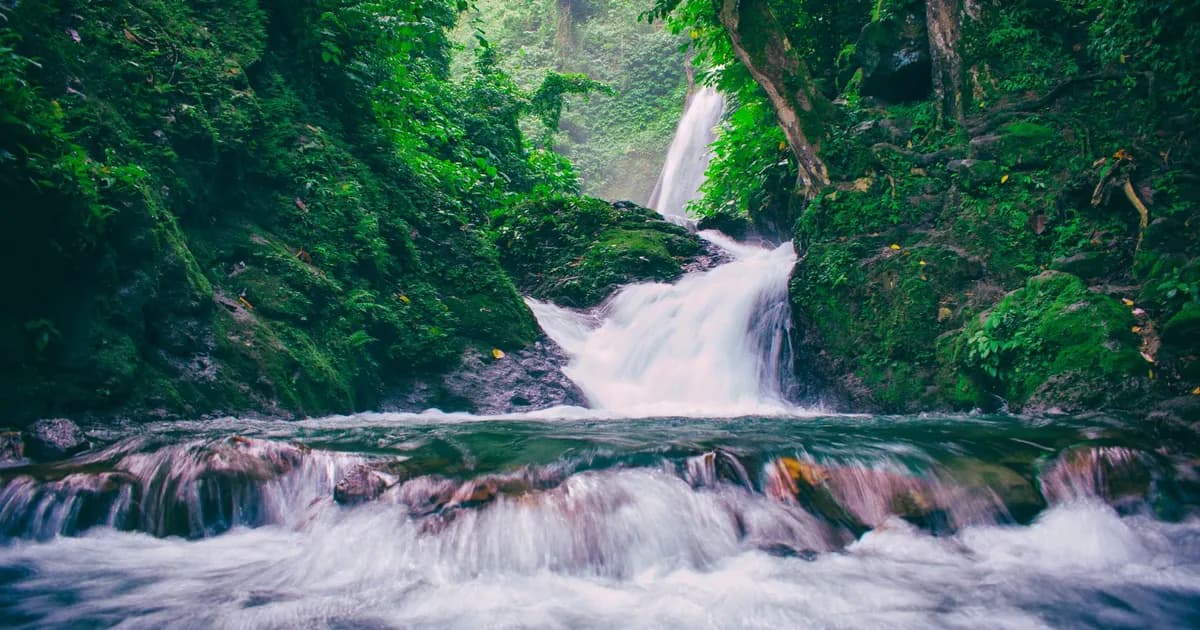
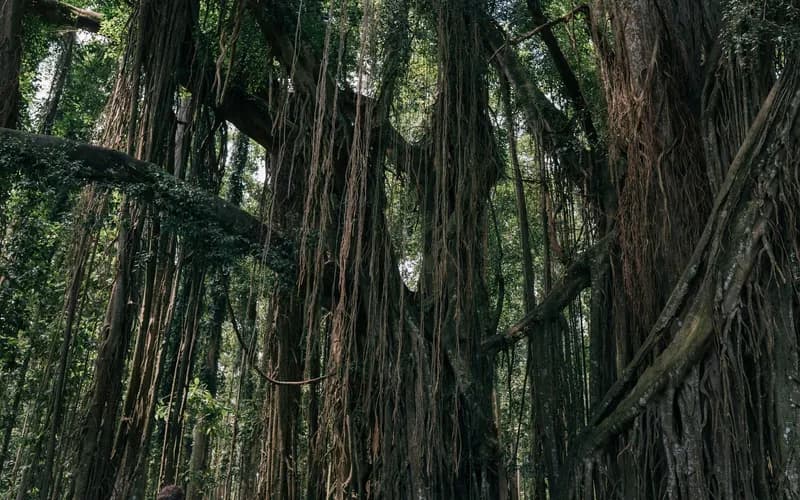
Beyond the folklore, Siquijor is simply a beautiful island to explore slowly, and its interior is as rewarding as its coast. The most famous natural attraction is Cambugahay Falls, a series of turquoise pools and cascades in the forest where you can swim and swing from ropes into the water, a joyful, unpretentious pleasure. Elsewhere, cool freshwater springs, an ancient and enormous balete tree with a natural fish spa at its roots, and quiet forest roads reward gentle exploration by scooter or bicycle.
This is an island made for aimless wandering. Renting a scooter and looping the coastal road, stopping at whatever catches your eye, a viewpoint, a roadside stall, a deserted cove, is the quintessential Siquijor experience. There is little pressure to see specific sights in a specific order; the joy is in the drifting itself, which makes it a natural fit for the ethos of our slow traveller's guide to the Philippines.
Get matched with up to 5 trusted Philippines agencies
- Free
- No obligation
- Up to 5 agencies
Beaches, sunsets and the sea
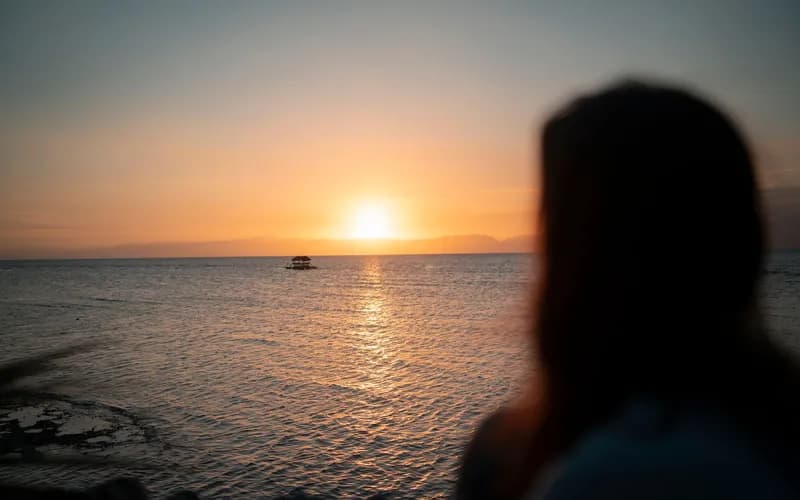
Siquijor's coast is lined with quiet beaches that rarely feel crowded, and this is a large part of its appeal. Stretches of pale sand and clear water invite long, lazy days of swimming and reading, while the island's western side is celebrated for its sunsets, with beach bars and simple resorts perfectly placed to watch the sky turn gold over the sea. Compared to the packed shores of the country's headline islands, the calm here feels like a throwback to an earlier, gentler style of island travel.
The sea offers more than beaches. The waters around Siquijor hold healthy reefs and marine life, with snorkelling and diving accessible from shore and by short boat trip, and marine sanctuaries protecting the underwater world. It is a lovely place to snorkel gently and slowly, part of the wider revival of thoughtful marine tourism in the Philippines that we explore in our piece on the country's diving renaissance.
Old churches and island heritage
Siquijor also carries a rich layer of colonial and religious history, and its old churches are among the most atmospheric in the region. The centuries-old stone church and convent complex at Lazi, with its vast wooden convent, is a national treasure and a highlight of any tour of the island, while smaller churches and watchtowers dot the coast, remnants of the Spanish era. Exploring them adds cultural depth to what might otherwise be a purely beach-and-waterfall visit.
This blend, of folklore, faith, nature and quiet beaches, is what gives Siquijor its distinctive character. It is not a one-note island but a layered one, and the slow traveller who takes the time to explore all of it comes away with a far richer impression than a hurried visitor chasing a single waterfall photo. It epitomises the kind of understated, off-the-radar destination celebrated in our guide to the Philippines off the beaten path.
When to go and how long to stay
The best time to visit Siquijor is generally during the drier months, broadly from around December to May, when the weather is most reliable for beaches, waterfalls and getting around by scooter. The wet season brings lusher scenery but also the risk of rain and rougher seas, and travel across the Philippines is always shaped by the typhoon season, which our guide on travelling the Philippines around typhoon season explains in detail.
As for how long, give Siquijor at least three or four days, and more if you can. It is small enough to see the highlights in a day, but doing so entirely misses its spirit. The island rewards the traveller who stays long enough to have a favourite beach, a regular breakfast spot, and a morning with nothing planned at all. That is when Siquijor is at its best.
Getting around and where to stay
Practical logistics on Siquijor are refreshingly simple, which suits the island's easy-going mood. The most popular way to explore is by rented scooter, which gives you the freedom to circle the coastal road and dip inland at your own pace; for those who prefer not to ride, tricycles and hired drivers are readily available, and the island is small enough that getting anywhere takes little time. Roads are generally quiet and in reasonable condition, though as anywhere, ride carefully, wear a helmet and be honest about your experience before taking a scooter.
Accommodation ranges from simple beachfront guesthouses and backpacker spots to a growing number of comfortable small resorts, mostly concentrated along the coast. The western and southern shores are popular for their beaches and sunsets, while quieter corners reward those willing to stay a little further from the main clusters. Wherever you base yourself, the island's compactness means nothing is far away, so you can happily settle in one spot and explore the rest on day trips.
Because Siquijor remains relatively low-key, it pays to bring enough cash, as card acceptance and ATMs are limited outside the main town, and to keep your expectations geared to simple, friendly, unpretentious island life rather than polished luxury. That modesty is central to the island's charm, and travellers who embrace it, choosing a quiet guesthouse, eating at local eateries, and settling into the slow rhythm, invariably find Siquijor one of the most restorative stops in the Philippines.
What to Do Next
- Reach Siquijor by ferry from Dumaguete, and plan to stay at least three or four unhurried days.
- Rent a scooter or bicycle and loop the coastal road slowly, stopping wherever catches your eye.
- Swim at Cambugahay Falls and visit the balete tree and freshwater springs in the island's green interior.
- Approach the island's healing and folklore heritage with respect and curiosity, not as a gimmick.
- Catch the sunset from the western beaches, and snorkel gently over the island's protected reefs.
- Visit the historic Lazi church and convent, and plan the wider trip with our plan your journey page.
Frequently Asked Questions
How do I get to Siquijor?
By ferry from Dumaguete on the island of Negros, a short and frequent crossing. Dumaguete is well connected by air and sea to the rest of the Philippines, making Siquijor easy to reach as part of a wider Visayas itinerary.
Is Siquijor really associated with magic?
Yes. The island has a long, living tradition of folk healing and herbal medicine, and a nationwide reputation for the mystical. It is best approached respectfully as a genuine cultural heritage rather than a spooky attraction, and it adds real depth to a visit.
What is there to do in Siquijor?
Swim at Cambugahay Falls, loop the coastal road by scooter, visit the giant balete tree and freshwater springs, relax on quiet beaches, watch sunsets from the western coast, snorkel over protected reefs, and explore the historic Lazi church.
How many days should I spend in Siquijor?
At least three or four days, and more if you can. The island is small enough to circle in a day, but its charm lies in staying long enough to slow down, settle into a routine and enjoy its unhurried pace.
When is the best time to visit?
The drier months from around December to May are generally best for beaches, waterfalls and getting around. The wet season is greener but brings rain and rougher seas, and travel is always shaped by the Philippine typhoon season.
Is Siquijor good for slow travel?
Ideally so. It is quiet, compact, friendly and free of the crowds that overwhelm the country's headline islands, with a layered mix of nature, culture and folklore that rewards a longer, unhurried stay far more than a quick visit.